1 free read left. Create a free account for unlimited reading + AI research.
Create free accountWhitepaperAssociation for Computing Machinery
The design of interactive, movement-based play often suffers from an implicit bias toward the "more is better" philosophy, where designers reflexively incorporate excessive technology, physical movement, or playful elements. This paper argues that while these components can boost the design process, an unbalanced application frequently hampers development by obscuring core experiential goals or distracting from the intended pedagogical or physical outcomes. The research highlights that successful design requires a strategic, often reductive, approach to these elements to maintain focus and clarity.
Drawing on experiences from the MeCaMInD consortium and various design workshops, the findings demonstrate that over-reliance on technology can lead to rushed, superficial interactions that ignore deeper experiential qualities. Similarly, excessive movement can prioritize quantity over the quality of engagement, while an overabundance of play can cause participants to lose sight of the primary design objectives. Conversely, the study provides evidence that introducing non-digital materials, limiting movement to elicit specific sensations, or delaying the introduction of technology can significantly improve the final product by fostering deeper engagement and more meaningful social or physical interactions.
To mitigate these risks, the research proposes three specific design frameworks: activity-centered design, somaesthetic design, and perspective-changing movement-based design. These approaches emphasize a "less is more" philosophy, encouraging designers to deliberately step out of play, focus on non-digital environmental factors, or prioritize sensory appreciation over technological complexity. By shifting the focus from the accumulation of features to the deliberate management of design intensity, practitioners can better balance emergent playfulness with instrumental goals, ultimately leading to more effective and context-sensitive interactive experiences.
Association for Computing Machinery · 2026
Association for Computing Machinery · 2026
Association for Computing Machinery · 2025
Association for Computing Machinery · 2025
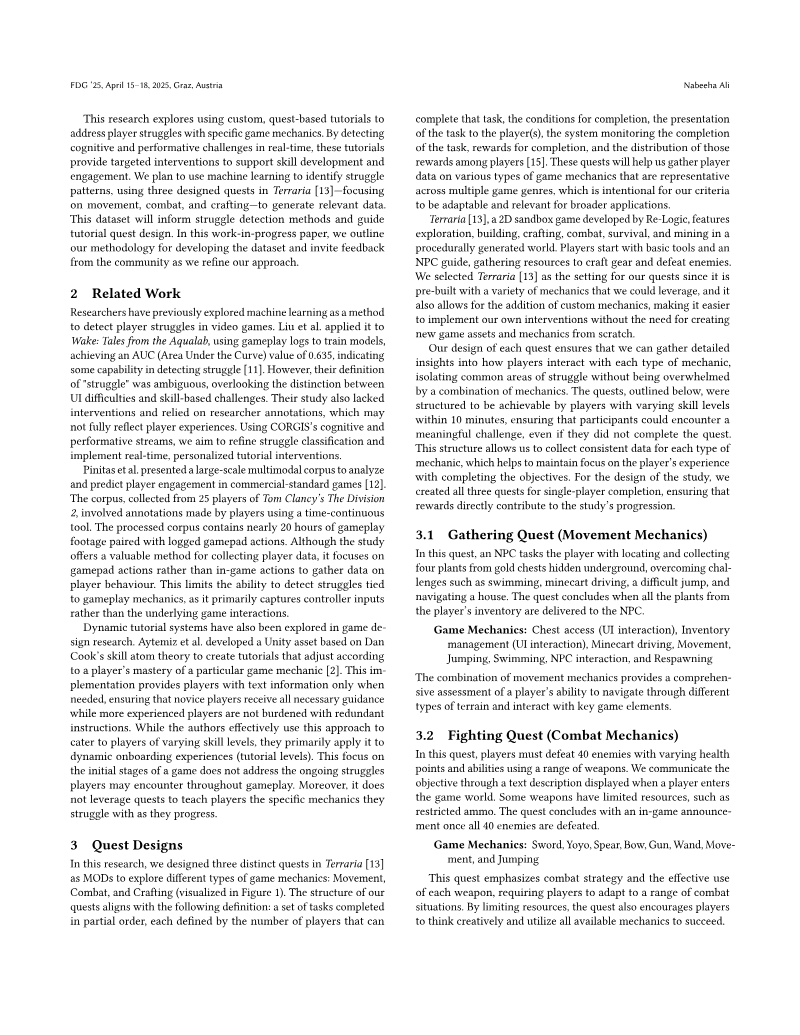
Association for Computing Machinery · 2025
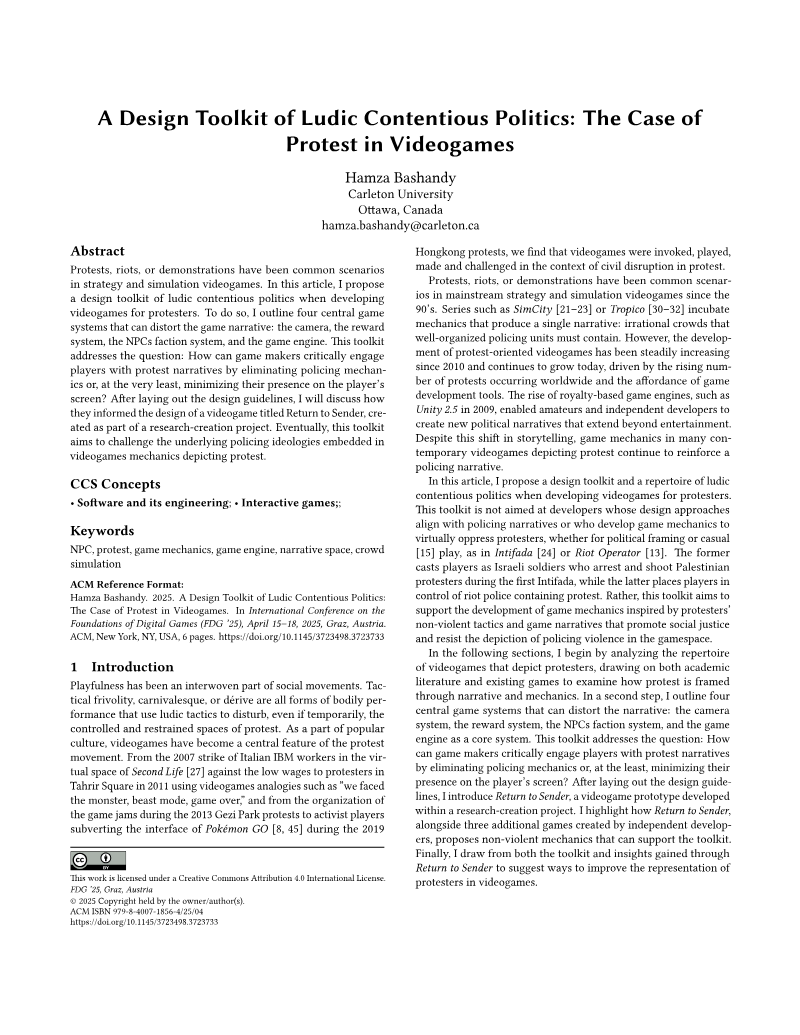
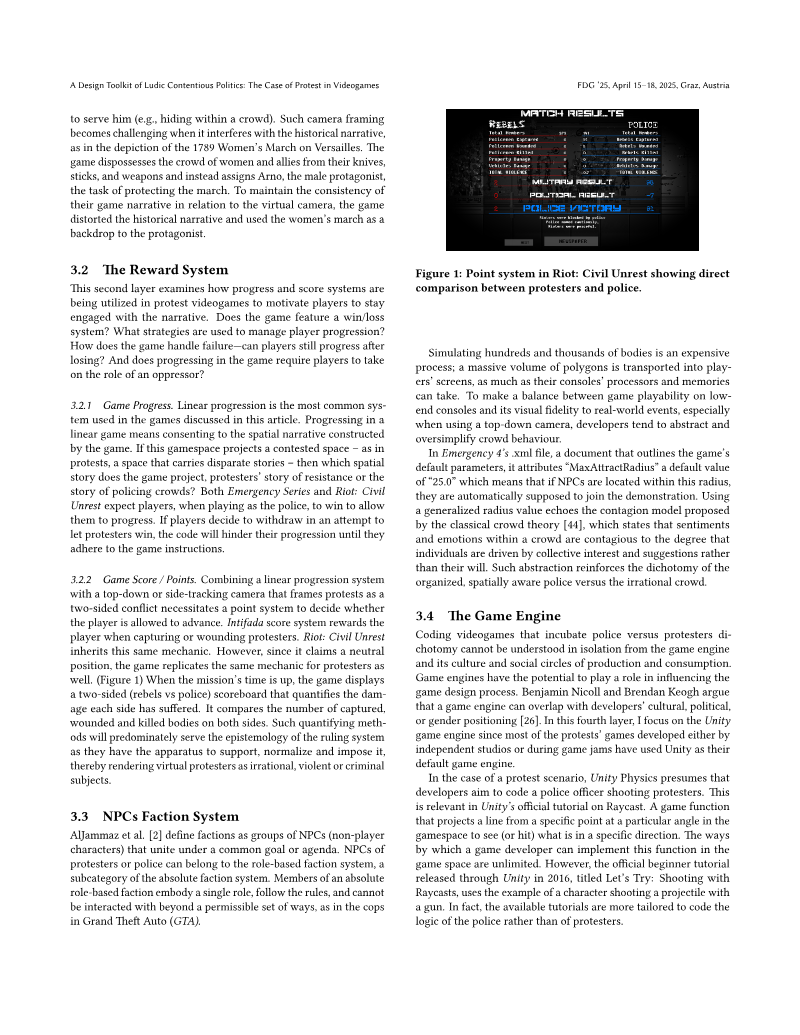
Association for Computing Machinery · 2025
Association for Computing Machinery · 2025
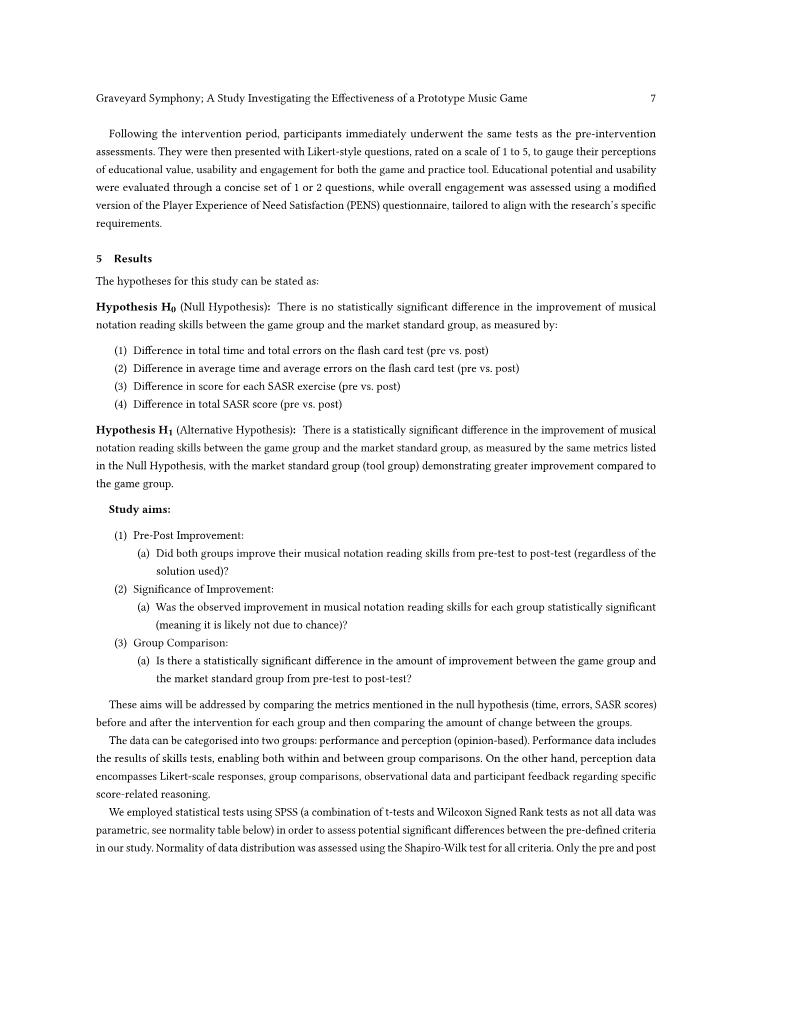
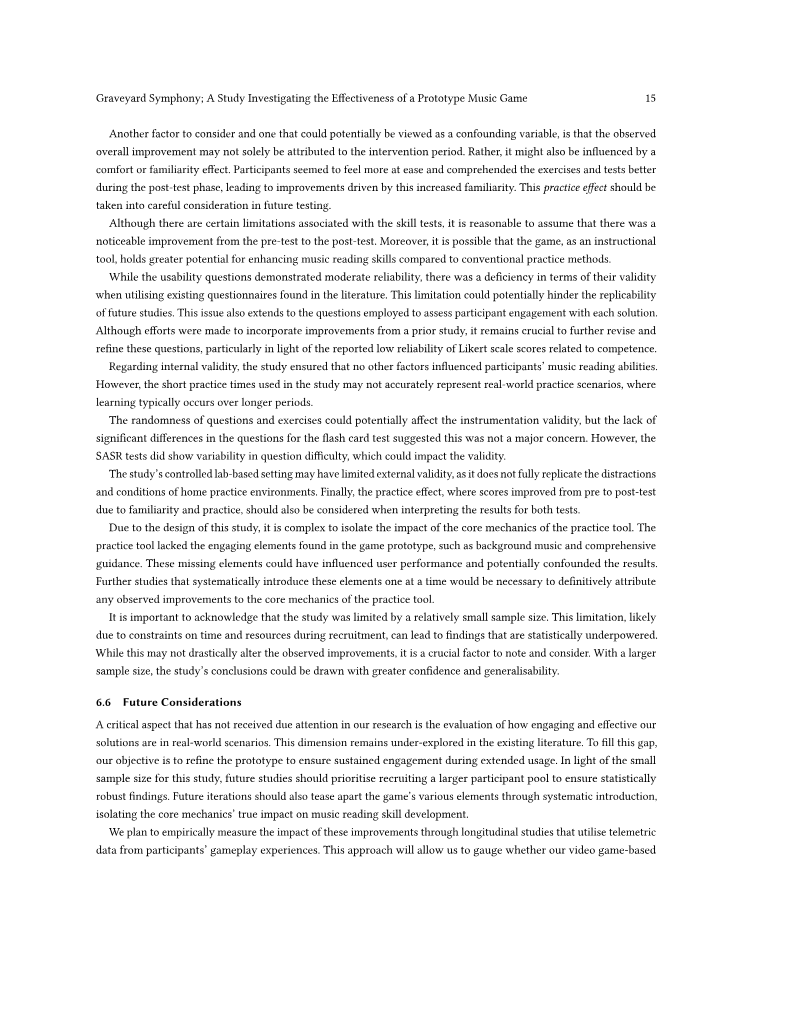
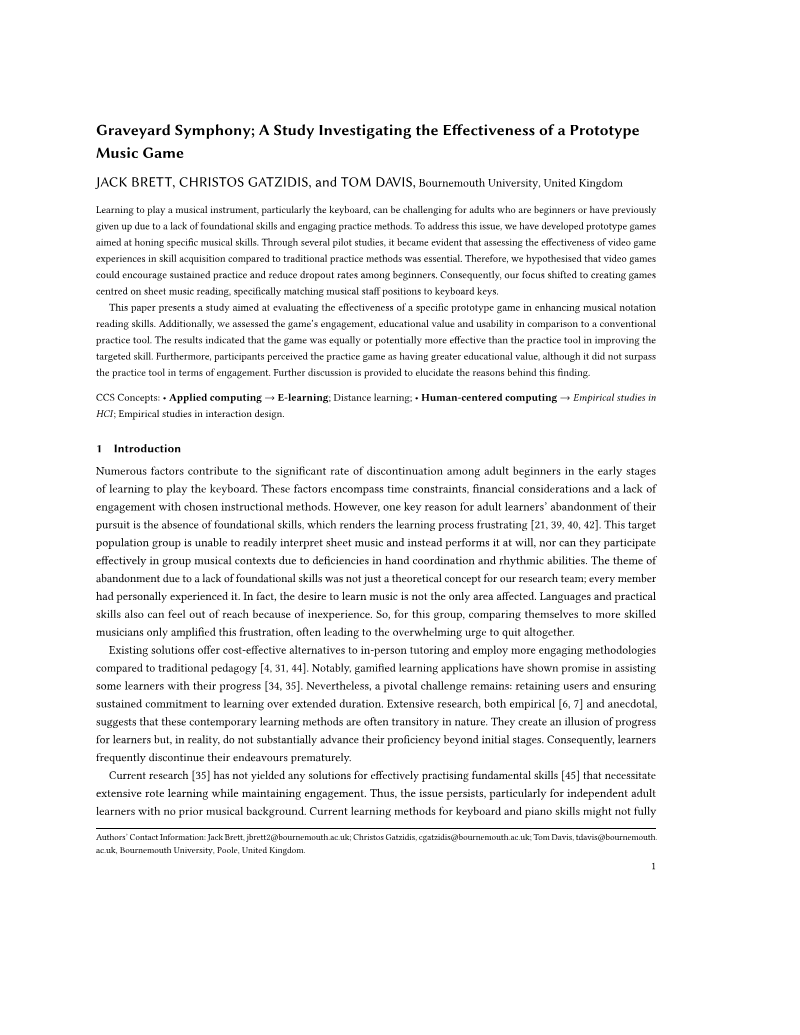
Association for Computing Machinery · 2024
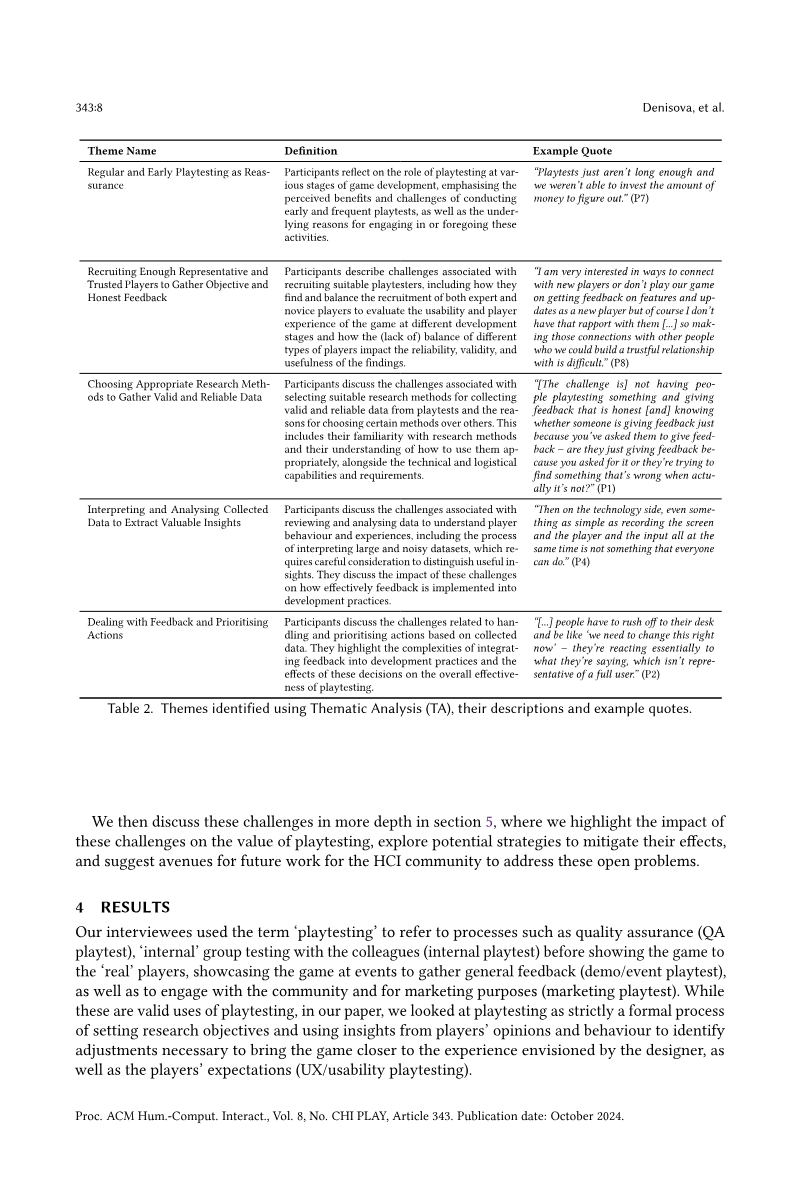
Association for Computing Machinery · 2024
Association for Computing Machinery · 2024
Association for Computing Machinery · 2024
Association for Computing Machinery · 2024
Ludic Language Pedagogy · 2026
























Comments