ReportDrake Star Partners
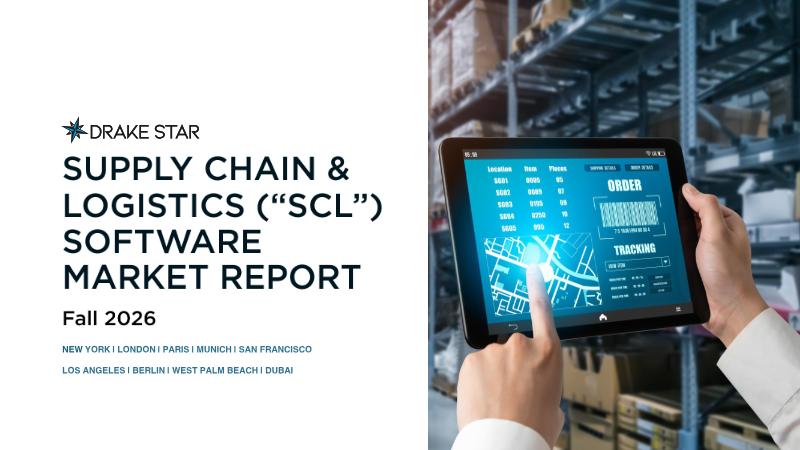
Supply Chain & Logistics Software Market Report: Fall 2026
26 pages~26 min full read
The global supply chain and logistics software market is undergoing a period of robust expansion, reaching a valuation of $32 billion in 2026. This sector is projected to maintain a compound annual growth rate of 11.4% through 2035, fueled by the integration of agentic artificial intelligence and predictive analytics. These technologies have become essential tools for organizations seeking to bolster operational resilience and maintain real-time visibility in the face of persistent global market volatility.
Intelligence-led operations now define the industry’s strategic direction, with significant capital flowing toward autonomous vehicles and physical AI to navigate increasingly complex, unstructured logistics environments. Despite broader macroeconomic instability, the market demonstrates notable resilience, supported by consistent merger and acquisition activity and a pivot toward mission-critical, integrated platforms such as Retail Product Lifecycle Management. Public market valuations are currently in a recovery phase, as investors prioritize firms that successfully balance sustainable profitability with accelerated revenue growth.
Financial performance across the sector remains highly varied, with revenue growth rates spanning from a contraction of 1.1% to a high of 39.0%. EBITDA margins reflect a similar diversity, ranging between 12.8% and 46.0%. Current public company data establishes a median revenue growth of 11.5% alongside a median EBITDA margin of 25.6%. This wide performance spectrum underscores a competitive landscape where operational efficiency and technological innovation are the primary drivers of long-term value creation for stakeholders across the global logistics software ecosystem.

Drake Star Partners · 2026

Drake Star Partners · 2025

Drake Star Partners · 2025

Drake Star Partners · 2025

Drake Star · 2025

Drake Star Partners · 2025

Drake Star Partners · 2025

Drake Star Partners · 2025

Drake Star Partners · 2024
Drake Star Partners · 2024
Drake Star Partners · 2024

Drake Star Partners · 2024
Aream & Co · 2026
Modern Times Group · 2026
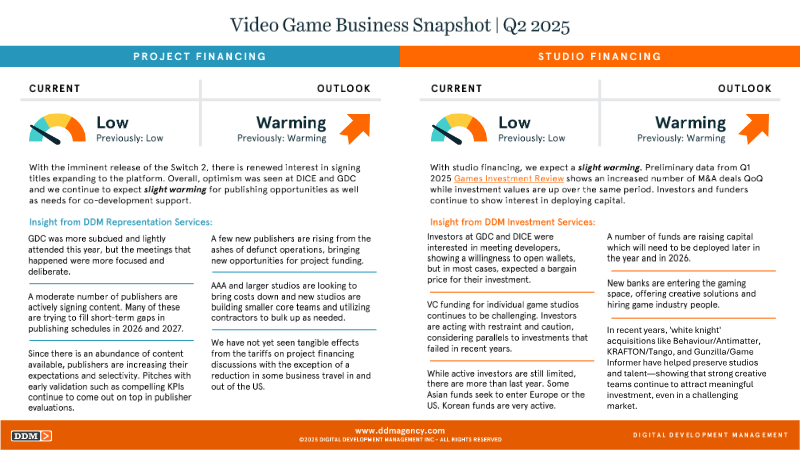
DDM · 2025
DDM · 2025

Thunderful · 2025
Digital Development Management · 2025
DDM · 2025
Aream & Co · 2025

InvestGame · 2025

Drake Star · 2025