1 free read left. Create a free account for unlimited reading + AI research.
Create free account
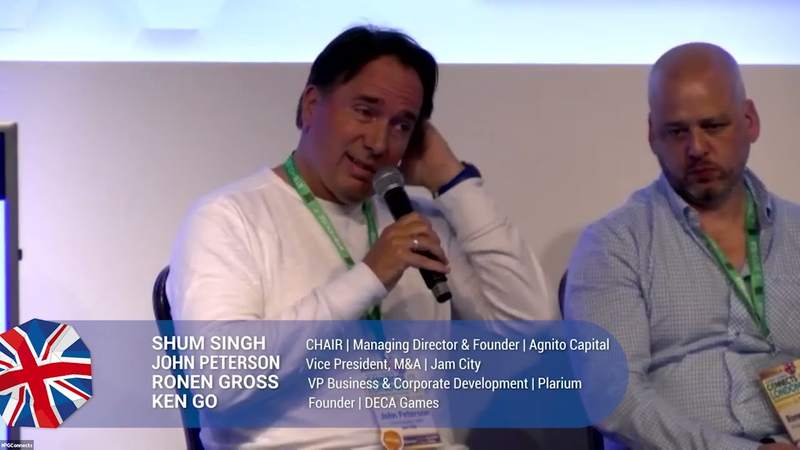
Superstar Panel: Navigating M&A During a Global Crisis
Key insights
6 takeaways- 01A hybrid due diligence model, combining digital efficiency with targeted in-person interactions, has become the industry standard for verifying operations and finalizing high-stakes transactions.
- 02Industry leaders are adopting a wait-and-see approach toward Web3 and blockchain acquisitions, favoring internal development or long-term monitoring due to regulatory uncertainty and high risk.
- 03The gaming M&A landscape has shifted from valuation-driven frenzy to a disciplined, strategic model focused on tangible synergies and clear payback periods.
- 04Acquirers are prioritizing established studios with proven key performance indicators and scalable talent over speculative ventures due to a disconnect between private valuation expectations and cooling public markets.
- 05The industry is moving away from the aggressive, high-multiple acquisition strategies that characterized the pandemic-era deal environment.
- 06Future consolidation in the gaming sector will be primarily driven by intense platform competition and the ongoing pursuit of high-value intellectual property.
Ask AI about this video
Transcript
[Music] [Music] our first uh superstar panel uh this is uh navigating m and a during a global crisis uh do we have a uh sean singh who will be moderating this panel uh but just while we get everything set up i'd like to uh thank again agnetio capital for sponsoring today's show me the money track and to remind you that you can uh tweet about how you found the conference so far using the hashtag pg connects great um i think i'll kick it off so firstly really really excited to be back uh doing panels again with uh with these
gentlemen as well um have the opportunity to work with all of them um maybe maybe i'll say a few words if you guys don't mind just introduce you guys firstly myself i'm sean singh the founder and md of ignition capital we are an investment bank based here in london but also with offices in seattle and moscow we've been exclusively focused on the games industry for 18 years we specialize in working with game founders really in exiting their businesses or helping them really think through other strategic alternatives we've been very active uh during the pandemic and um that's really the principal nature of this um topic uh this panel i'll start off with uh with ken go um we actually had the opportunity to work together in in selling his uh studio to embrace her uh back uh right in the middle of the pandemic in fact in
august of 2020 um he's also taken over really spearheading embracer's mobile division and has done uh quite a few acquisitions on the buy side that he can uh allude to and talk to later on in the discussion uh ronan gross is head of m a at uh aristocrat digital which made a number of uh transactions and actually very recently um acquired a finnish studio that uh that ronan um was chiefly responsible for executing and then at the end is john peterson who runs m a at jam city uh one of the leading um private still private um uh uh players on the west coast and uh they actually made a pretty transformative transaction recently uh in acquiring ludia and montreal um if i missed anything please please add in but uh i had some questions um obviously i think when the when the pandemic began
um i i certainly you know we're in the middle of three or four transactions as an m a banker you you kind of gasp and just say what what happened and are these transactions actually going to conclude and all of them are in different phases of execution and you're wondering well are buyers nervous are they going to potentially stop or or postpone these transactions due to significant market pressure and seeing share prices dramatically decline um there was a lot of uncertainty um but um shortly um what we experienced was that um and particularly with people staying at home playing games the markets stormed back and um it was quite a unique experience having transacted and advised on a lot of companies without ever actually having meeting the other the other acquiring party or seller across the table
so i guess the first question and i'll start off with you ken who's experienced it on both sides of the table um what has the pandemic you know the experience that you had what how how can you sort of translate do you think it actually helped um you know navigate the m a process and certainly more recently or or do you you know i guess yeah first would be the experience to all of you and then and then i'll ask a follow-on question whether it impacted your decision-making from a negative or positive perspective um so first i guess on the installing the company i can talk about that first yeah so luckily i had in in-person meetings with uh with the embracer group before i before i sold the company and we just executed at the very end during the pandemic that was i think nerve-racking for a lot of people right at the beginning of the pandemic because people didn't know what was going to happen next
and whether it was going to be a short one-month blip or a couple year long blip as it has actually been and what was going to happen to the stock market and when you do a deal where you're taking a significant portion in shares that actually makes a pretty big difference and i ended up doing my deal where i took 100 in shares and so i took a big bet that actually the the game's market was going to improve over time and um that's the biggest i'd say the biggest thing for me and then on the buy side i think overall it's helped from my opinion the the process i think in the past people were um you know getting on planes and flying try to meet in person multiple times and i think that's very helpful and ideally you'd be able to do that but it because we can't do that now or we couldn't do that for the last few years it really forced us to to rely on the online tools and to to make decisions more quickly and to not rely
on those uh in-person meetings and i think that's saved a lot of time and um money of course traveling um but it's allowed us to get comfortable after you do it a couple times you the first time you're a little bit scared because you haven't met people in person and you're potentially spending a lot of money on on a big acquisition and never meeting somebody in person or maybe not seeing the operations but after you do it and you get comfortable doing it um then you feel like actually it's a very uh you feel more free because then you can think about transacting with people in in places that you might not ever have thought of going before you can talk with a lot more people by doing it online and you can get a lot more done in a short amount of period of time yeah i completely agree i think that from our perspective so i think that from our perspective um
yeah i mean conferences and the 3d meetings are are much better than all the online or than online and basically um conferences was a great resource for us for for the pipeline creating the pipeline and stop stop having conferences was a bit shocking in the beginning because we thought what what would happen but i think what we did is building a pipeline throughout the conferences in 2019 so we had enough companies that we can talk to uh during the pandemic once we realize that the pandemic is here to stay and it's not like a uh one kind thing like a two three months thing uh we started to you know realize that to the idea that we'll need to do some some deals um some deals uh with all the online online tools eventually what it did it has some um obviously positive and negative impacts the positive that you could have talked to much more companies before you did some more
talks that you were afraid of taking only online so you had to travel so sometimes travel was not able because of some restrictions of some business other business uh um issues and i can tell you that at one time we even missed an opportunity because we couldn't travel so i think that uh now that you can do all those things online allows you to be more flexible it allows you to uh do more deals eventually and i think that with our uh recent acquisition uh we did 90 of the due diligence online but i think that the thing that actually closed the deal is that we had like a window that we could travel and we did travel during the pandemic and when we met the team that's what actually made us seal the deal so it has a lot of pros and cons and now obviously it allows you to do more explore more companies uh increase the the pipeline but again meeting new companies and creating companies for for future for the future
pipeline for the long term i think meeting in person and those kind of conferences are the best way to go yeah i think uh we're all excited to be here uh other otherwise we wouldn't be here um it's like let's travel let's meet companies let's meet people there's nothing better than giving ken and elbow are giving running a hug so it's it's it's great to see everybody it's great to develop new relationships we personally um you know we did one deal during the pandemic it was a big one um is exciting but we never got to go meet the studio we never got to go um you know do the diligence in person like we usually do so that it was a good deal for us but you know we were missing something there so i think it's it's super important to establish relationships at these events uh deals aren't going to get done at
these events but they'll start and so that's what's super exciting and um you know as far as zoom and whatnot it's it's fantastic if we didn't have that it'd be horrible um got a lot done um more efficient meetings but at the end um in person's the best for me um i i agree with all of you i mean i don't have to explain that to you but um i mean you're seeing this sort of and i'm hearing it echo from you guys this kind of hybrid situation where you'll do as much research as you can online meet as many company companies as you can do the hundreds of zoom calls etc um but of course to seal a deal as you as you pointed out ronan um it was pretty important to have that physical contact um how do you see kind of in the potentially post pandemic world things
changing do you think it's going to relatively be the same do you see yours to yourself traveling like you used to to 10 conferences a year whatever whatever that number is or do you kind of be more um let's say focused about which conferences you want to attend and because you've been very productive that's what i'm hearing in identifying a lot of targets do you do you just kind of hone in on specific conferences and say you know what these are the ones that are going to potentially produce um you know the the results we want i think that creating the pipeline is is through these conferences obviously we use a lot of tools like app annual sensor tower to detect companies and but again there's no other there's no better way to meet people here and and see their products and meet in person and i think that if you look at the future in terms of of actually making deals i think it's going to be the hybrid model which allows you much more flexibility than before because you can talk to more companies on zoom and start the conversation and once you want
to go deeper into into the process then you can travel and those things were not available in the past i mean you needed to travel to each and every company you need to work with to work with and that could could you know time constraints could have made it a bit difficult so now you have the flexibility of using also the online tools and also the um you know face-to-face tools and eventually again as everybody said and i'll say it again the face-to-face tools eventually will can give you much more insights than any online tool yeah i completely agree i think the efficiency of of the tools that they've created with zoom and whatnot um are fantastic uh but that's not going to take the place of you know all the conferences we go to um you know we might scale it down one or two but there's you know good at least four or five conferences that we will not miss uh each year such as pocket cameras yeah nothing more than out there other than i think
uh bankers become more important in in the in the new world because you have i think we are you realize that you can you don't need to go to every conference to get introduced to everybody uh and that you can pick and choose and then bankers are doing the a lot of the work to set up the pipeline for you and although it's more expensive it it makes it a lot more convenient now it's such a shameless plug for me thank you um you know let's shift gears a bit um 2020 was you know kind of really exceptional and i'm not even going to get into the first month of this year which is absolutely astounding in terms of announced m a deal volume but i mean i think we need to talk a little bit about how we got there today um which is really kind of more characterized by mega deals but 2020 saw a tremendous amount of activity unprecedented for again what we've all said not being able to even meet each other face to fa any deals being done
uh completely remotely we saw valuations soar uh no public company but but also uh private companies um 2021 kind of things changed right as there seemed to be glimmers of hope of moving beyond uh the pandemic and a lot of share prices for a lot of public companies suffered tremendously um but because of this this kind of rampant m a you know wave entrepreneurs um um haven't really hush i say adjusted their valuation expectations when you're going out there now and evaluating you know the three of you opportunities via you know all the various tools you have at your disposal are you seeing some of that where even though there's been a correction or adjustment let's say to to share prices of a lot of the
larger public share publishers worldwide are you seeing sort of a disconnect though between what a private company game founder would value his company because they're just not aware of it yeah we're we're seeing a number of companies that they think their evaluations here public companies are here and we just we're not there yet so i think it's it's going to be probably take some time uh maybe educating some bankers kidding kidding i love shum um no so um there's there's definitely there's definitely opportunities out there but um i think you know they got to get realistic on on where their prices are yeah i agree and i think it's a trend that we're seeing i think that the industry today has much more consolidation you see it on the medium-sized deal you see it the big size deals
not a lot of companies also are out there and are still still um not public or so private basically and i think yeah we need to educate the companies as well but still we see because of the consolidation process we see valuation much even higher than than before the pandemic so yes in 2020 or beginning at 21 we saw much higher it a bit went down a bit but still it's higher than what we saw before not much to add there i think we all agree on this one um okay now that that that makes sense uh that's pretty much verifies what we're seeing um what about um in terms of again and i i don't want to transition to web 3 blockchain but we have to because you know we all operate in a more traditional context but i think it's you can't ignore um just the emergence of
of web3 metaverse blockchain companies and the amounts of money they've raised and in fact now uh initiating even m a right forte buying network etc mythical doing a couple of deals i mean smaller deals but it is starting and i think that having had this valuation discussions that are based upon you know revenue ebitda etc which don't necessarily apply to web3 or blockchain gaming companies how do you how do you how do you reconcile that as an acquirer from your perspective and i want to start with you john first because you're launching with jam city your your your you know initial web uh blockchain game that you can plug champions ascension uh we're dropping next week so it's exciting uh yeah so from our perspective on the m a side just business side
um we really wanted to uh to jump in quickly um and we're i guess lucky enough to be big enough to where you know we can throw some money at it if it works amazing great super excited we'll do more but if it doesn't uh we'll learn from it and might do it again might not so um yeah from our perspective we're we're big into uh to web three we're we're looking at three or four different opportunities right now we want to grow that um and you know see where it goes uh as far as the investment acquisition side of it uh it's it's tough to to get some companies to you know jump on board right now even though we've done a lot of like a lot of legwork ourselves um but uh i think in the next six months there's going to be a lot of opportunities to to see some studios that um have tried and you know maybe didn't get the success that they
they'd look for um so that'll be exciting at that point but right now it's it's a little tough too early yeah definitely and what we are doing now is we started to we decided to develop something in-house to recruit some blockchain specialist and build a division around him internally we are still in the learning process i mean everything is so early stage now um on the mna side we think that we're going to sit on the side for a bit look what happens because we know that some of the companies eventually will rise some of them won't so we'd rather minimize the risk and wait for the big ones or the medium ones to become stronger and then we can step in with m a i think it's going to be too risky for us at this point again because there's so many uncertainties in terms of regulations etc so i think that's that's what we're going to do we will build something internally and on mna we'll wait a bit and see which direction is this industry is taking
an embracer is is also taking it slowly usually we um we enter in more mature mature categories um i think it's it's difficult to look at blockchain companies and private company evaluations on blockchain companies these days relative to um to the other opportunities that public companies have to acquire so when you're looking at you know opportunity a versus a blockchain company b um i think it's much safer and much more known process to stay with what we know and we also think that blockchain is a it's also a very early stage uh part of the industry that is still developing so we are we're on the sidelines until we understand it better until we can see that there is a more a target that will help us take a catapult to the next step and i think all the the different players in the industry right now are still before that stage
okay um i think probably for the benefit of this audience i think it would be really interesting um to hear individually from from all of you a little bit about your m a strategy during during the pandemic uh and and probably how that's impacted your current strategy um as an example do you see yourselves potentially acquiring more just development studios because you have just too many titles that you need to develop and you just need that additional resource and and just given you know what we talked about earlier just tech companies exploding um and the availability and scarcity of talent um particularly in on the west coast and other tech hubs around the world do you see yourselves potentially branching out instead of just buying principally original ip developers which you guys are known to do do you see yourself buying maybe other development studios tools tech
other related sort of peripheral acquisition candidates well to be honest i don't think that our strategy in terms of m a has changed significantly before and after the pandemic i think we have two main strategies so um i work at plarium i lead the mna for plarium and i also work at aristo called reservoir digital so our our strategy is divided to two one is to have what we call a studio attack in which will basically be a studio that will be under one of the three groups three companies under that group which is plarium product madness and and big fish so having a company that is already established is already big that have great kpis that is like not an early stage and the second one is is acquiring another business another another arm like a fourth arm in addition to those companies and i think with that sense our strategy hasn't changed um i think that because we are a big company um we need something that can move the
needle for us so we our strategy is to basically bring a company focus on the talent and make sure that with synergies you can make them scale we have established a great infrastructure uh our headquarters providing uh has a great infrastructure for the entire company for the entire studios so we have several studios but the headquarters are supplying them with marketing with analytics with research and they are doing great job in doing that scaling our own games and i think that with m a our strategy won't be different basically being a studio that you can scale that you can have some synergies uh help them with anything they need but eventually you'll need something that is scalable and can potentially grow yeah um very similar to what ronan just said um you know we always look for great opportunities with studios that we can help scale help grow um that can use the verticals that we've created um to you know help boost
um what they've developed and you know get them where they need to go quicker but on the on the web 3 side what you're talking about chum is we're also looking for talent and we don't have enough talent at jam city because they're focused on their own we're focused on our own games so we need we need more talent out there for our web3 components so we are certainly looking at different different teams different studios different locations so it's exciting i would like to add something although we are might do some businesses with with the bigger studios we still want to open the communication channel with small studios medium-sized studios and and maintain this connection because eventually hopefully it will become big and relevant for example our latest acquisition future play great team based in helsinki finland we established a connection in 2017 and every year is to meet make the connection better and when it become relevant making the deal was so easy so even though we'll make a deal
with some company that is more established it's it's very important to create a pipeline early stage track their progression see how they go how they are going and eventually when the deal when the time comes it is much much easier for for decade games sodeka historically has been acquiring games only so game assets is that our business so we acquire the game typically we build a team behind those games then we continue the operations so that part of the business continues today pretty much as it has in the past pre-pandemic we would send a team on-site to work with the team to get trained up and to take over the operations post pandemic or during pandemic it's been impossible to do that so we have to do everything online which has made the process a little bit longer and a little bit more difficult and so that has affected the structure of our deals a little bit um then the other part of deca is acquiring some studios those we've we've done a
few studio deals where the strategy there is to create long-term partners who are who are aligned with the embrace their overall strategy to grow within the industry over the next five ten years and to get to have the entrepreneurs come in and continue to grow their businesses and that usually starts with a relationship which is obviously harder to build during the pandemic but i think what's more what's caused us to evolve our strategy more so is what we alluded to earlier which is the um the the guidance towards valuations so as evaluations have gone up we tend to do less on the smaller side less smaller deals and really weight and be more if we're going to have to pay higher higher valuations for companies it really needs to be transformative deals so i think we're doing a lot less on the small side because of that and then when things may be equalized maybe we'll come back to that um and then with the inability to travel
you know we prioritize the studios that we already have pre-existing relationships with and that's that's a really good point uh ken i want to actually just pick up on that a little bit we all kind of see the major headlines about all the big mega deals etc especially the beginning of this year um but i think often we don't talk about the smaller deals which um often um are perhaps just not you know just don't get the same press coverage um but certainly from our perspective we thought 2020 right in the middle of the pandemic and um and certainly in 2021 were really years of medium-sized deals there weren't there weren't as many large mega deals such as the beginning of this year um so we really felt actually that um a lot of buyers were exercising caution to some degree and were make placing maybe maybe not
perhaps small bets but medium-sized bets still making meaningful acquisitions um of companies out there how how do you interpret that i mean in in regards to to your strategy do you feel that during the pandemic that that you guys all exercise caution i know ronan you just said that hasn't really affected your strategy um but do you see yourselves deliberately maybe saying you know what because of some of the uncertainty we're just going to scale back a little bit um yeah i guess that would be my i don't think we'll scale back a little bit but i think it's a matter of consolidation there are many companies out there and again i think that the main thing when you do a deal it's all about italians it's all about the people and if you're missing the talent so sometimes you're going to go with a company that's not growing as fast as as you would expect but eventually it's all about the consolidation there aren't a lot of companies so what we see is some kind of life cycle of the new gaming industry i think that in 2014 15 and please correct
me if i'm wrong it was much easier to find those medium-sized companies super talented but now the big ones are acquiring the medium ones and what we see now is the the talent coming coming out from the big ones are starting their own shop and then you see the small one becoming medium size and hopefully they'll become big size so now what we see that that is the life cycle that we see unfortunately there aren't many studios so sometimes when you are in need or a specific talent or a specific genre or specific technology then yes you'll do it but eventually high level you won't compromise on the talent or or your main strategy which hasn't changed a lot um i agree with ronan you have your what your filter is for the different types of targets that you look at and you don't typically change that just because um just because of the pandemic but i think your ability to diligence different targets changes in the time
that you have to do it and so if you can't really get a for us i think there is a relationship that we plan to work with the studios that we acquire for the next 10 years so the the relationship with the entrepreneur is quite important and if you can't get a really good feel for that person then we will exercise caution because we don't feel like we have enough information in order to make that decision and so that's why we tend to um lean more towards the the studios that we already have a pre-existing relationship with and you know in the in the time we can't travel you can't meet people it's harder to build that up so we're a little bit more cautious because of that but also i think again the valuations you know at every different level you need to get value for whatever you're investing into it and i think as valuations have gone up we're feeling you know at some point it doesn't it doesn't make sense to invest in um in certain certain types of targets at certain valuations and certain sizes yeah i think for us um we certainly exercise caution um i think
in the very beginning we were i think like everybody we were pretty nervous about you know our own existing games take care of our own portfolio first um and then the valuations of the companies that we were looking at kind of got out of hand a little bit so we stepped back and 2020 didn't didn't do that much we certainly looked at a lot of companies but didn't do anything 2021 when we looked at ludia it was just it was a relationship that we've had for uh three or four years and probably the third time looking at them um and it was kind of a direct deal initially and then they got a banker involved but the numbers were kind of established um and so it wasn't chopped around and it turned out to be a fantastic deal for us um so that was that was exciting i think you know
certainly going forward um uh we're we're excited about you know what's out there uh but as far as the smaller deals they're just you know like ronan was saying they're not that many of them um what's exciting is is is the peaks of the world um having these spawned out groups of of teams that are just you know doing great um that's that's what's what's exciting and what's gonna continue to um to further the gaming industry which is uh something we're looking closely at um i'm just gonna ask one more question and then i think it would be good to you know ask get some audience uh feedback as well um what are your predictions for this year i mean if you asked me if you asked me in 2020 and 2021 i'd be the first one to admit that oh 2022 is going to be a really really dull poor year in terms of announced deal activity and we're already at record levels and and i guarantee i
would have said that if you would have asked me so i'm i'm just wondering what you think the rest of this year has in store well i think that if someone would have asked me to early 2020 i would say the same so i don't know i think he'll continue i think that and you as a banker you know it very well because there's a company that is selling and they are they are talented you eventually have several potential buyers that they they need to choose from it's not that just only one buyer and several sellers the other way around so there's a lot of a lot of a lot of buyers on on the cell so i think the trend will continue to grow i think that we see a lot of new talents coming from different regions uh i think those companies are um eventually used high valuations and i think we're going to see a lot more deals this year i agree that there's going to be a lot more deals but i think the the reasons for the deals will be different and the types of deals will be different i mean
you already see it this year you have these huge public companies buying other public companies that didn't happen before in 2021 you had or 2020 and 2021 you had the swedish public companies buying small mid-sized companies because there was some very big valuation arbitrage and the valuations have come down quite a bit in the last year so i think that strategy is is going to be less appealing for for all those companies um so i think the the types of i think that we're likely to see these bigger larger transactions between public companies um the different shifts that are happening within the broader industry not just on m a but just in general around platforms being built web 3 being built people looking for content that drives the reasons for people to do acquisitions so i see that being the driving factor behind why some of these companies the industry are going to do more m a so either to acquire
content and ip or talent to build new content in ip uh for specific reasons either on their streaming platform or their web3 platform or whatever it is yeah i agree with with both of you guys um from my perspective i'm really excited about you know web 3 plato and see where it's going to go um hopefully there's going to be some some games that come out that that are truly games and people understand people can get it and that will be exciting i hope and our game hopefully will be one of those nice plug right champions ascension um so anyway um that's web3 i think it needs a lot of uh a lot of sifting uh to get to the good stuff at the end and hopefully that end of 22 we'll uh we'll see some of that
um yeah maybe i guess if the audience has any questions so hi guys thanks very much for the presentation um could you comment on firstly on kind of different kinds of acquirers in the sense of perhaps businesses we would have seen as ad tech platforms getting involved in games and also the kind of missing in action big tech companies because you know microsoft and sony are the console guys of old even if they now have new subscriptions but you know we we hear or have heard google and amazon and facebook saying they're very interested and making your own game seems to take a while so uh where are these guys thanks um i'll i'll take the first stab at your at your question um i think i think if you're a pure play tech player whether you're google um amazon i mean and amazon actually has a pretty thriving games business as you
know and obviously they've had different um initiatives like lumber yard which you know didn't didn't do too well but um but i think that um any streaming provider and and if we look at netflix as well right uh that's now emerging into into the industry um i think they're gonna look at it from a slightly different perspective so they're going to look at it from where their strengths really lie so i think if if there's an underlying tech advantage that they can bring to a particular game studio they're going to probably rely heavily on that and so right now it's really a battle for content right so it's it's really the platform wars that we're witnessing right now between microsoft sony um and possibly even epic at some stage who knows um or engine wars for that matter um i think until there's technology that really attracts you know the likes of google or somebody else amazon then i think they'll they'll probably make a foreign that's just my
perspective yeah i can completely agree with you i think that uh content is king today all of the platforms are looking for more content to provide to their players and i think that we'll see a lot of more deals of platform and content creators i don't think that the last one that we've seen is is is a last one i think that we'll see so many of them of of of those platforms looking for more content to provide to their players if it's if the question was mainly about google amazon and the biggest tech players you know i think you saw with microsoft it took a it took a really meaty acquisition target for them to come out and do something big and i think that will be the same for the other big tech companies they really need to do if they're going to do something in gaming it needs to be big or other just do it internally so there's not so many different targets that the size so i think i would be surprised if google amazon does a big deal but i wouldn't be surprised if there's more consolidation happening amongst the
pure play um gaming companies well i think it varies i think that it depends on so many factors it depends on the growth on the size of the company the potential what we can do all the synergies there are so many questions i don't think there's one value it's really about the trend and what you can do it's really about the trend and what you can do so i think that we do see um valuations but most of them most of the companies today are relying on either obviously traditional before the trend before the pandemic we saw two to three on on multiple on uh revenue and something around eight to
twelve on ebitda today we saw deals that are four on revenue and up to 20 on ebitda but again it depends there are so many facts that you need to take into consideration i think that the growth and the synergies are the main ones and properties that are more stable you see on the lower scale of that range yeah when we look it really depends on on on the studio and and where they're at where they're at in their life cycle and whatnot so um we'd we'd pay you know a higher multiple and probably um an exciting bet if you will um but some of the you know the 20 x he but all multiples we we're not going to touch um just based on where we are as a company um some companies might uh but where we're at um we got to look at
ebitda means a lot to us so we we wouldn't get there yeah i think you'll see in this year more people looking not just at multiples i mean i agree with everything that everybody said here and generally same with with the ranges i think in more you'll see this year that people are looking at payback periods as well so not just like what's the standard multiple for how much i'm paying for this target but also the choir has to say okay when am i going to make my money back and when is it going to give me on when am i going to make money on top of that and when you're talking about these bigger public companies buying other public companies obviously that's a different that's a different ballgame but i think when you're looking at most of the other active acquirers it was a bit of a frenzy in the last few years but i think in this year my prediction is that they're going to be a lot more um disciplined i guess um being involved in quite a lot of deals we're executing right now i can confirm
everything these these guys have just said so so yeah i think you're definitely starting to see valuation expectations come down there's no doubt about it um just given given where a lot of the public companies are trading they can't really justify paying these significant premiums to even their own uh trading multiples again what what ronan alluded to i mean if if a company is growing at 200 x a year and can demonstrate that they can continue to uh grow at that pace and there's clear synergies you've identified whether it's from a ua perspective a live ops perspective a you know cross-platform perspective um and and you and and it's very real those synergies are very real and and can be achieved within a short period of time then yes there's always exceptions to to those rules
[Music] [Music] you
Summary
The global gaming industry is undergoing a structural shift in its mergers and acquisitions landscape, transitioning from a period of valuation-driven frenzy toward a more disciplined, strategic approach. While the pandemic accelerated deal volume by necessitating remote due diligence and digital outreach, the industry has reached a consensus that a hybrid model is essential for long-term success. Combining digital efficiency with targeted in-person interactions remains the most effective method for building the trust required to verify operations and finalize high-stakes transactions.
Market dynamics are currently characterized by a notable disconnect between private studio valuation expectations and cooling public market realities. As a result, acquirers are exercising increased caution, prioritizing established studios with proven key performance indicators and scalable talent over speculative ventures. This shift reflects a broader focus on tangible synergies and clear payback periods rather than the aggressive, high-multiple acquisitions that defined the earlier stages of the pandemic.
Regarding emerging technologies, particularly Web3 and blockchain, industry leaders are largely maintaining a wait-and-see posture. Regulatory uncertainty and inherent risks have tempered enthusiasm for immediate acquisitions in these sectors, leading firms to favor internal development or long-term monitoring of smaller studios. Looking ahead, the industry expects continued consolidation to be driven by intense platform competition and the ongoing pursuit of high-value intellectual property. Ultimately, the future of gaming M&A will be defined by a strategic focus on content and talent, ensuring that growth remains sustainable even as market conditions continue to evolve.














Comments