Key insights
5 slides
The rising bill
Finland's game industry faces a significant annual labor shortage.
The Finnish game industry experiences an annual deficit of 150 to 200 professionals.
See it on page 24150 to 200
Annual labor shortage of professionals in the Finnish game industry.
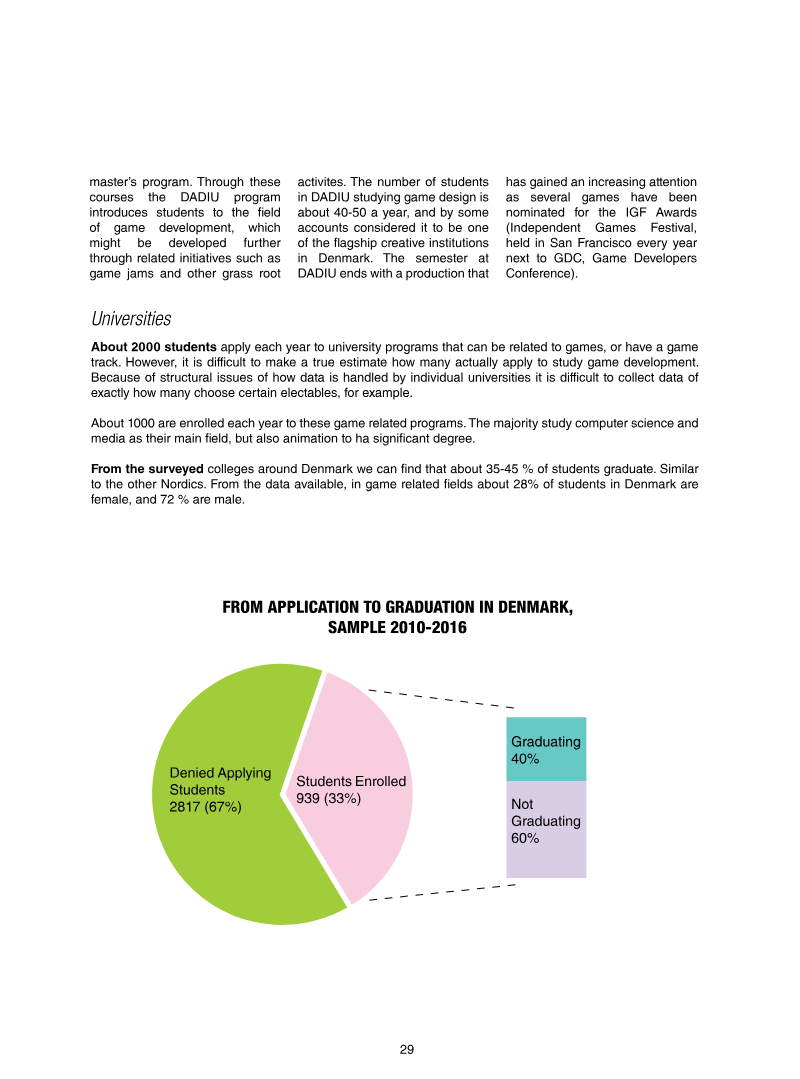
- Graduates per year from academic institutions
- 40

1 / 5
- 01The Finnish game industry faces an annual labor shortage of 150 to 200 professionals, while academic institutions currently produce only 40 graduates per year.See it on page 24
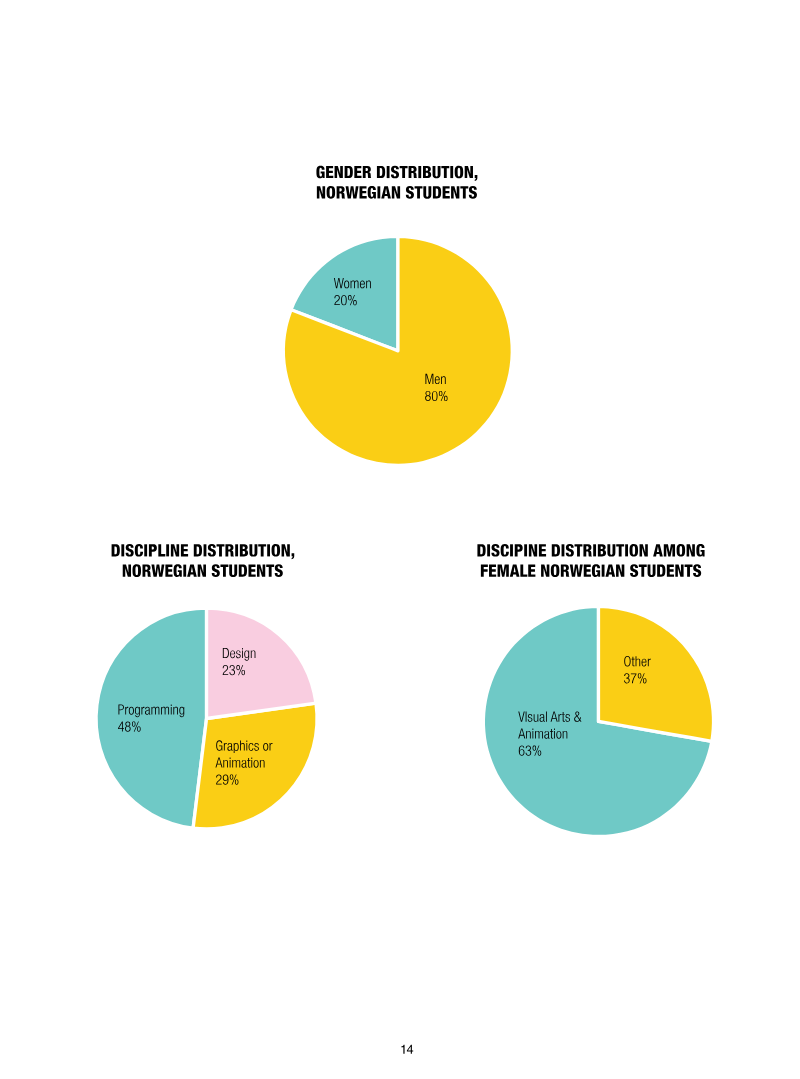
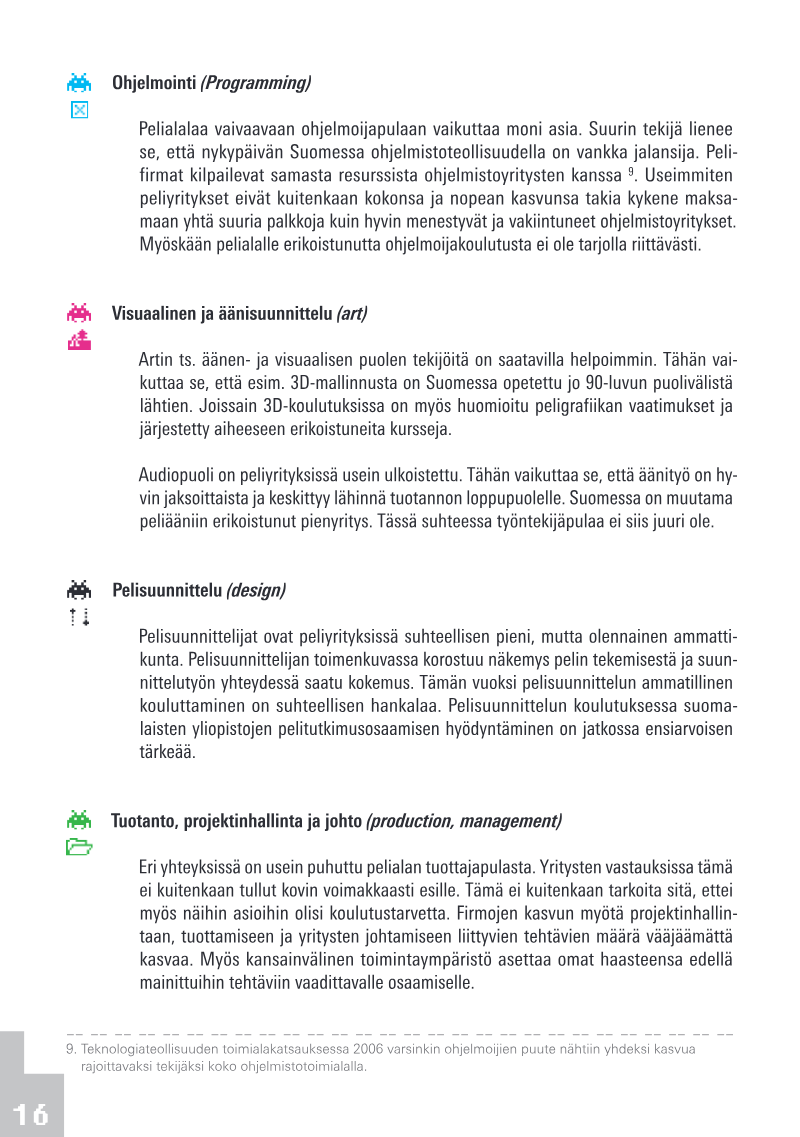
- 02A critical misalignment exists between academic output and industry needs, specifically regarding a lack of business and marketing expertise alongside technical programming roles.See it on page 14
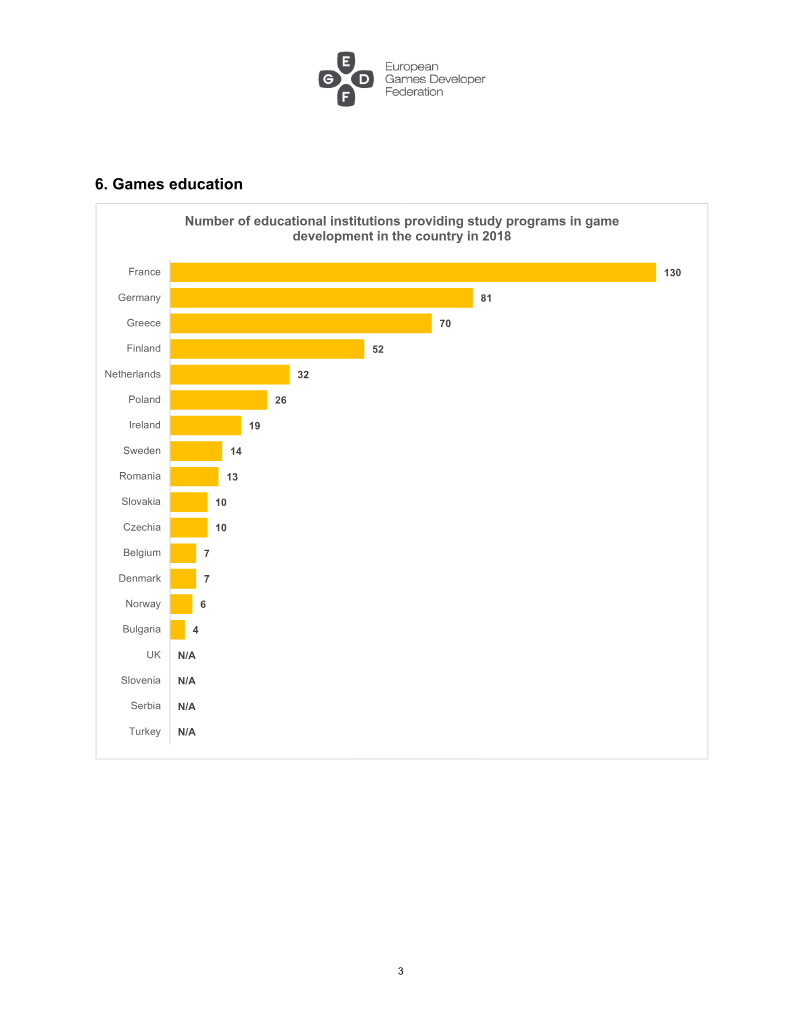
- 03The current educational landscape is too fragmented and geographically dispersed, forcing companies to spend significant resources on internal training to bridge the skill gap.See it on page 17
- 04To address the talent deficit, the report recommends increasing the annual student intake by 200 positions and centralizing training programs within primary industry hubs.See it on page 27
- 05Finland is at a competitive disadvantage compared to Sweden, necessitating the adoption of flexible, industry-integrated structures like a virtual university model to remain responsive to technological shifts.See it on page 6
- 06Failure to reform the educational infrastructure threatens to limit foreign investment and erode Finland's standing in the global gaming market.See it on page 27
Ask AI about this report
Summary
The Finnish game industry stands at a critical juncture where robust growth potential is increasingly constrained by a systemic labor shortage and a misalignment between academic output and professional requirements. While the sector maintains a strong international reputation for technical excellence, it struggles with a persistent deficit of business and marketing expertise, alongside a lack of domestic risk financing. The primary thesis posits that the current educational landscape is too fragmented and geographically dispersed to support the industry’s scaling needs, forcing companies to divert significant resources toward internal training to bridge the gap between academic preparation and workplace demands.
Quantitative analysis reveals a stark imbalance between supply and demand, with the industry facing an annual labor shortage of approximately 150 to 200 professionals, particularly in programming roles. Current academic programs produce only about 40 graduates per year, failing to meet even a fraction of the sector’s requirements. This shortfall is exacerbated by a lack of integration between educational institutions and industry hubs, placing Finland at a competitive disadvantage compared to more structured, industry-aligned models seen in neighboring countries like Sweden.
To sustain long-term competitiveness, the industry requires a strategic overhaul of its educational infrastructure. Key recommendations include increasing annual intake by 200 student positions and centralizing training programs within primary industry hubs to foster closer collaboration. Furthermore, the implementation of flexible, industry-integrated structures, such as a virtual university model, is essential to ensure that training remains responsive to rapid technological shifts. Without these interventions, the persistent talent gap will continue to hinder growth, limit foreign investment, and erode the nation’s standing in the global gaming market.