1 free read left. Create a free account for unlimited reading + AI research.
Create free accountArticle How To Market A Game
1 free read left. Create a free account for unlimited reading + AI research.
Create free accountArticleHow To Market A Game
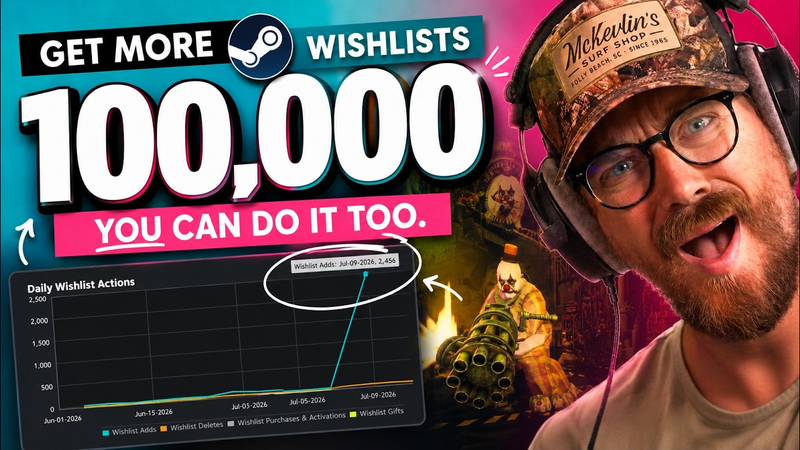
The game launched with only 500 wishlists and did not appear on Steam's 'Popular Upcoming' or 'New & Trending' lists.
This analysis examines the viability of leveraging viral YouTube sub-communities and internet sub-genres to drive successful game launches on Steam. By focusing on the case study of Backrooms: Escape Together, the findings illustrate how developers can bypass traditional marketing strategies—such as long-term wishlist accumulation—by aligning game content with established, high-demand internet lore. This approach effectively treats viral YouTube trends as open-source intellectual property, allowing developers to capitalize on existing fan bases without the need for licensing.
The success of Backrooms: Escape Together demonstrates that while traditional Steam marketing emphasizes building wishlists months in advance, specific genres like horror can thrive through the Steam Discovery Queue if the product is immediately recognizable and well-targeted. The game achieved over 100,000 sales despite having only 500 wishlists at launch. Key drivers for this performance included high-fidelity visuals powered by Unreal Engine 5, clear communication of gameplay features in trailers, and a focus on co-op mechanics, which resonate strongly with horror audiences. Furthermore, the game’s ability to satisfy a specific, voracious fan base allowed it to overcome the lack of initial visibility.
While this strategy offers a potential path for rapid development and market entry, it carries significant risks. The analysis notes that relying on fleeting internet trends is akin to fashion cycles, where specific themes may have shorter shelf lives than broader genres. Developers are cautioned that this high-risk, high-reward approach is best suited for studios between projects or those seeking to learn the Steam ecosystem, rather than as a long-term business model. Ultimately, success in this space requires a deep understanding of the target audience's aesthetic preferences and a commitment to delivering a polished, accessible experience that honors the source material.
The games and companies this document names on the inner ring, other documents about them on the outer one. Select a cover to see it up close and open it in a new tab; drag to move, pinch or Ctrl + scroll to zoom.
How To Market A Game · 2026
How To Market A Game · 2026
How To Market A Game · 2026
How To Market A Game · 2026
How To Market A Game · 2026
How To Market A Game · 2026
How To Market A Game · 2026
How To Market A Game · 2026
How To Market A Game · 2026
How To Market A Game · 2026
How To Market A Game · 2026
How To Market A Game · 2026
Deconstructor of Fun · 2026