Sony Group’s FY2013 Form 20‑F presents a comprehensive view of the company’s financial health, strategic priorities, and risk environment during a period of significant transition. The report documents a turnaround in operating performance, with consolidated sales rising 4.7 % to ¥6.80 trillion and operating income shifting from a loss of ¥67 billion in FY2012 to a profit of ¥230 billion, largely driven by gains from asset disposals and improved results in the Devices, Financial Services and Pictures segments. Despite this rebound, FY2014 data reveal a sharp deterioration: sales grew 14 % while operating income collapsed 88 % to ¥26.5 billion, and a net loss of ¥128 billion materialized due to restructuring charges and the exit from the PC business.
The company’s segment analysis underscores a strategic pivot toward higher‑margin media operations; the Pictures unit expanded 11 % in revenue, with motion‑picture earnings rising 13 %, while the Devices segment contracted. Sony’s financial services arm remains a stable cash‑flow generator, contributing substantial net inflows and supporting liquidity.
Risk disclosures highlight exposure to macroeconomic volatility, currency swings (particularly a weakening yen), supply‑chain disruptions, and regulatory pressures on ESG compliance. Cybersecurity threats, intellectual‑property disputes, and pension liabilities are identified as material risks that could erode profitability. The report also details extensive restructuring initiatives, impairment charges on declining hardware assets, and significant debt and long‑term commitments.
Geographically, Sony operates globally with no single market dominating sales or assets; its workforce spans Japan and overseas regions. Governance structures feature a board of 12 outside directors, independent committees, and a compensation framework that blends fixed pay with performance‑linked incentives. Overall, the FY2013 report portrays a company navigating a challenging transition toward media and services while managing complex financial, operational, and regulatory risks.
Sony Group · 2026

Sony Group · 2025

Sony Group · 2024

Sony Group · 2024

Sony Group · 2023

Sony Group · 2022
Sony Group · 2021
Sony Group · 2020

Sony Group · 2019
Sony Group · 2018
Sony Group · 2017
Sony Group · 2016
Kadokawa Corporation · 2026
Akatsuki · 2026
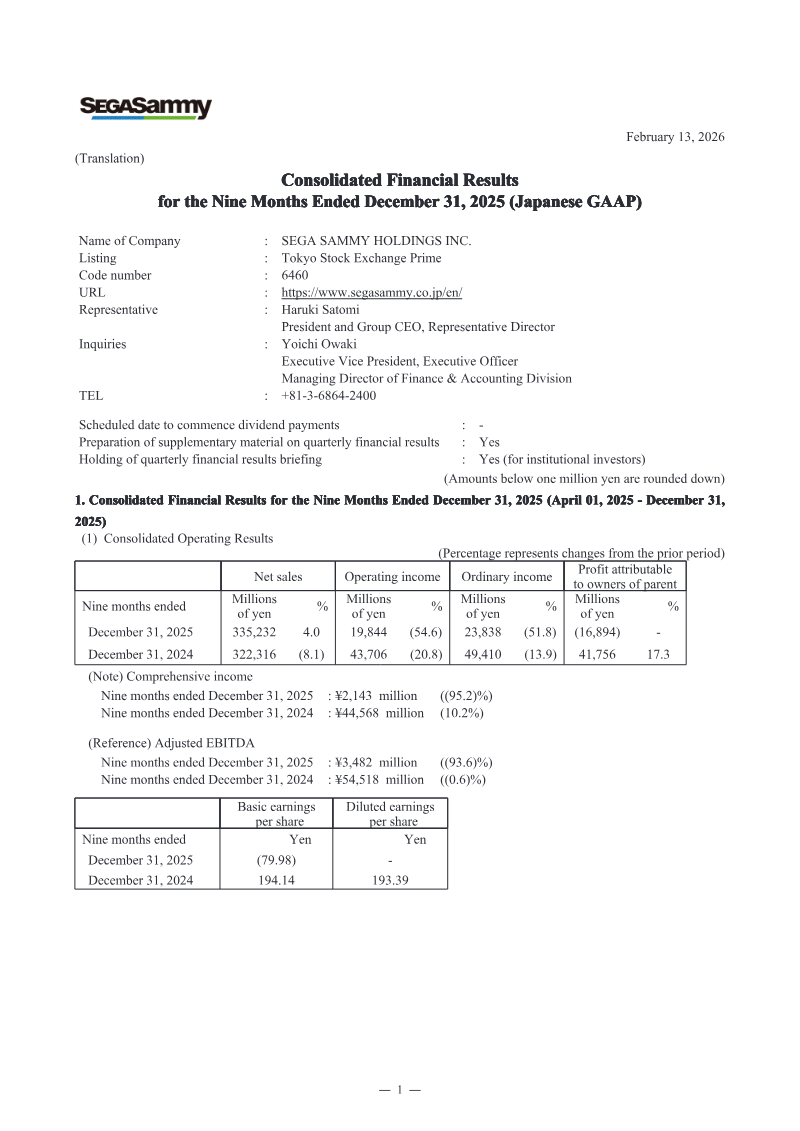
Sega Sammy Holdings · 2026
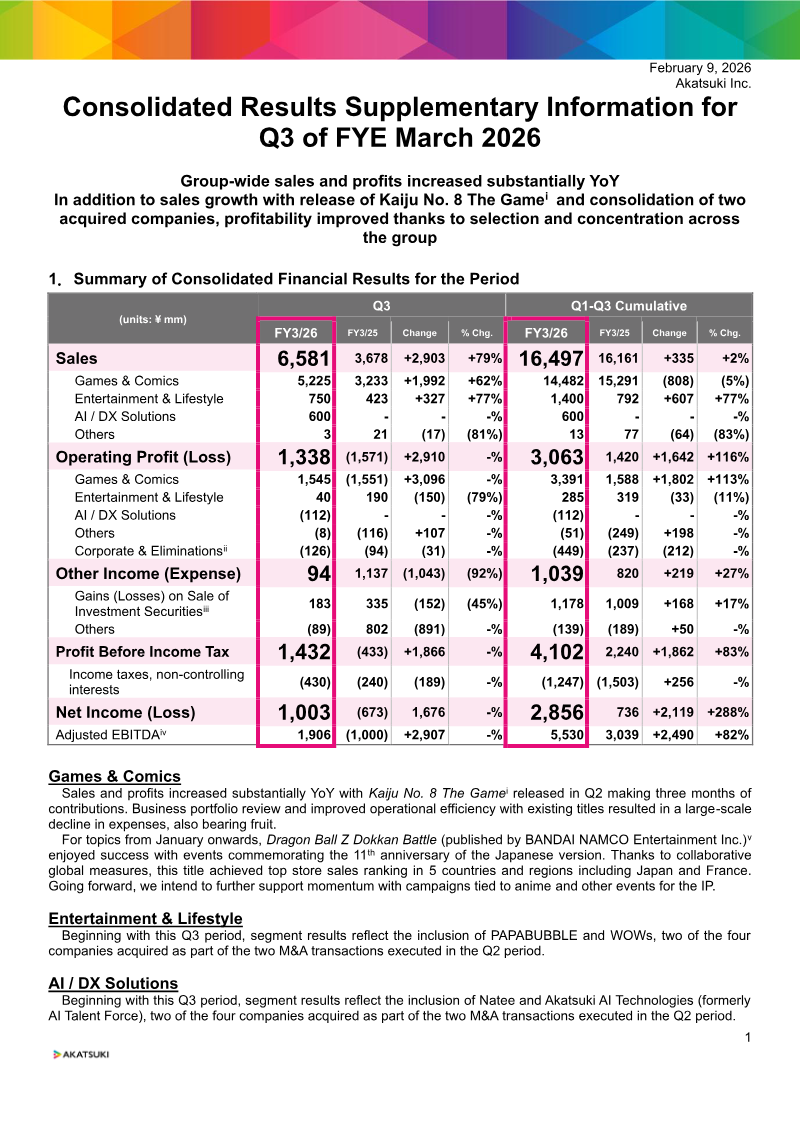
Akatsuki · 2026
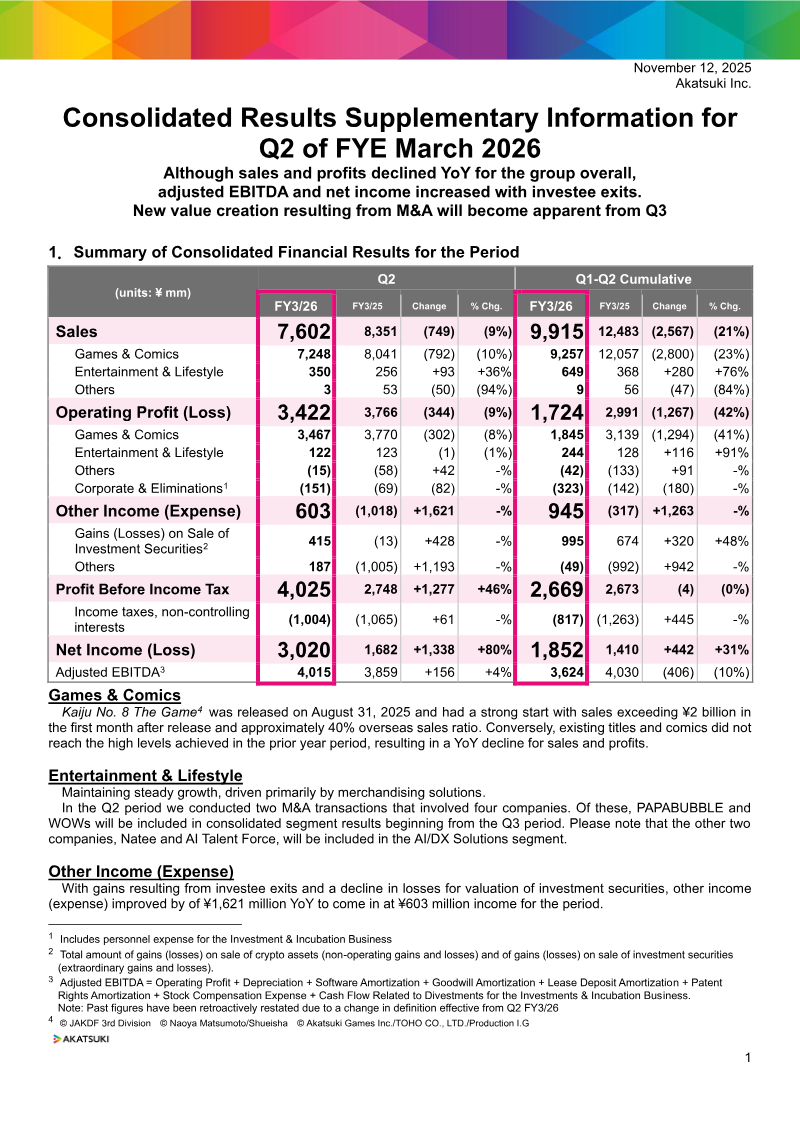
Akatsuki · 2025
Akatsuki · 2025

Koei Tecmo · 2025
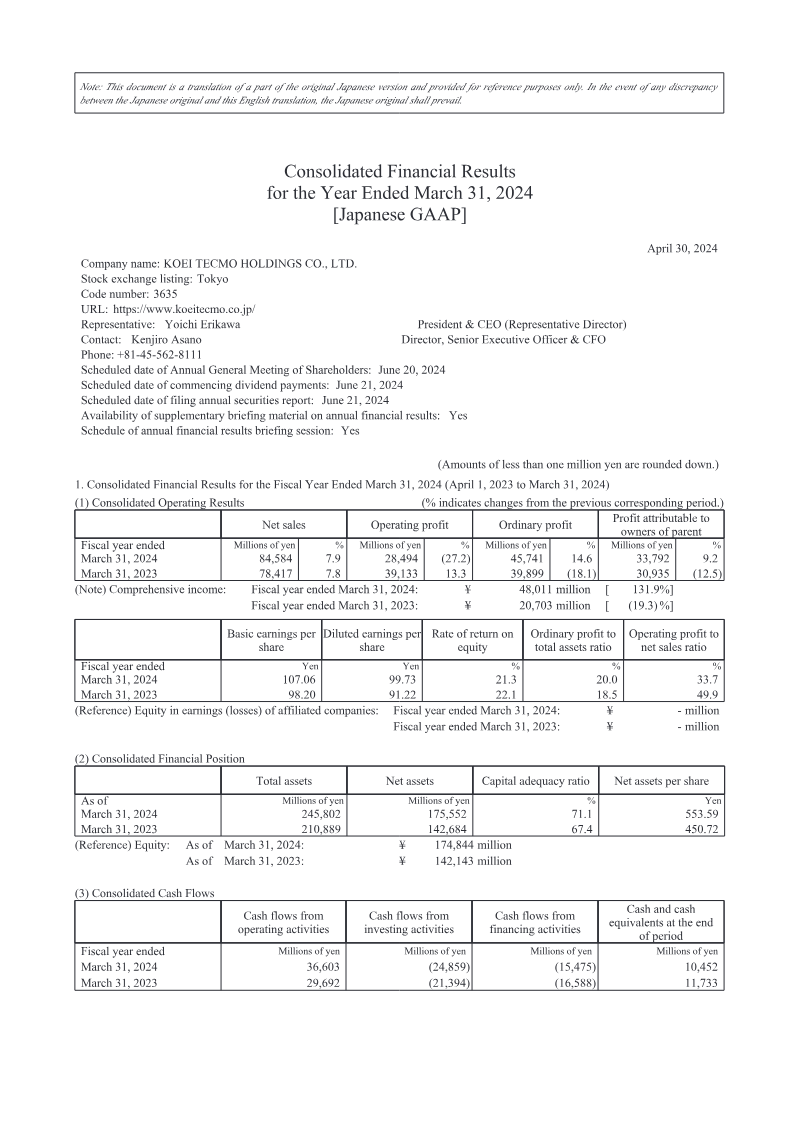
Koei Tecmo · 2024
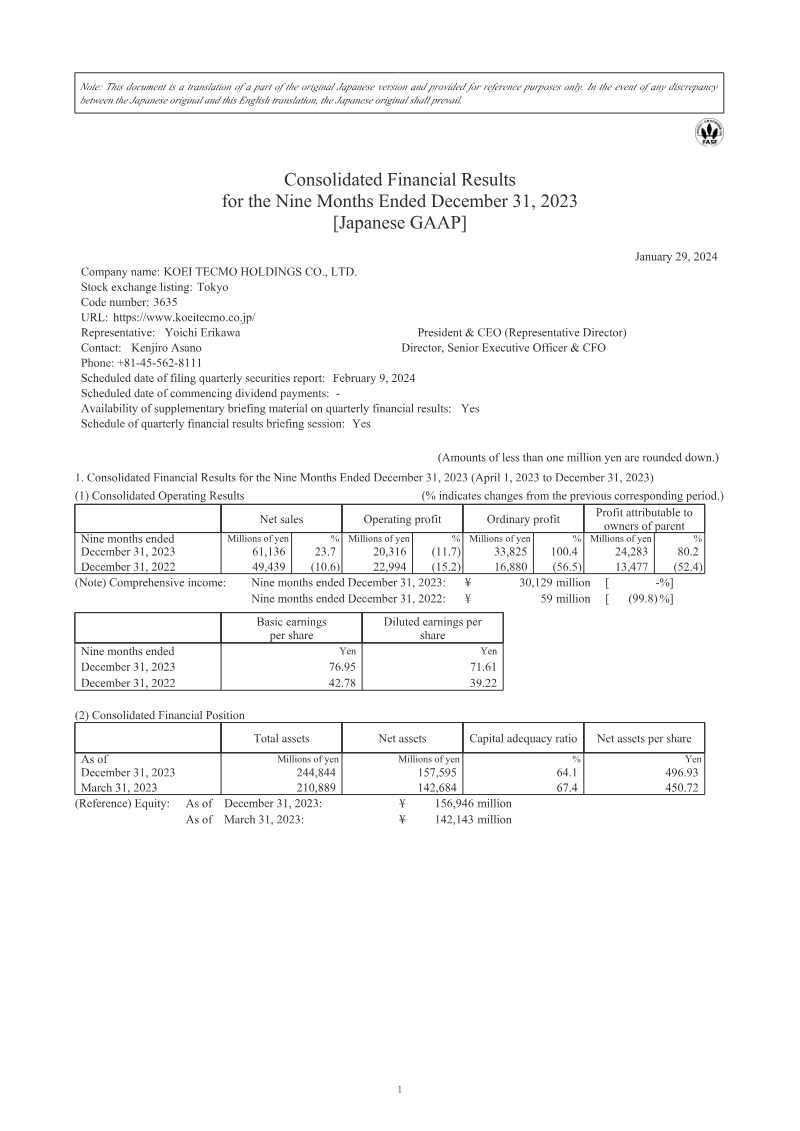
Koei Tecmo · 2024
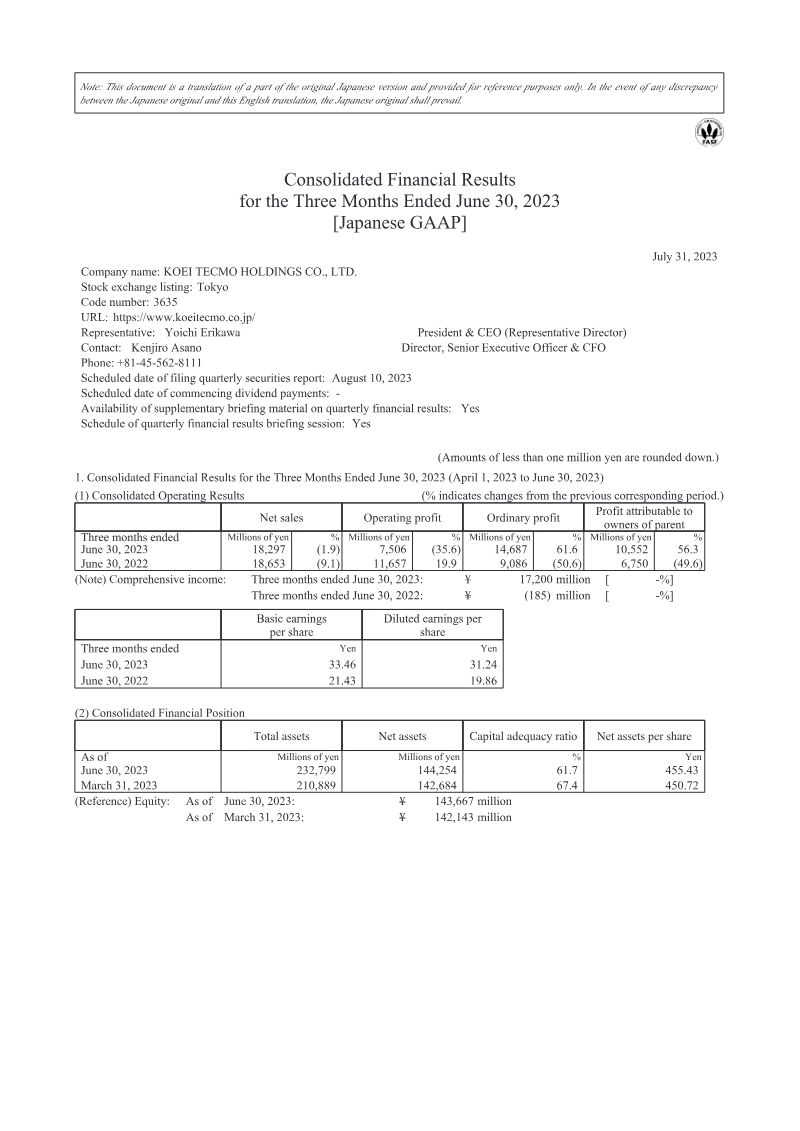
Koei Tecmo · 2023
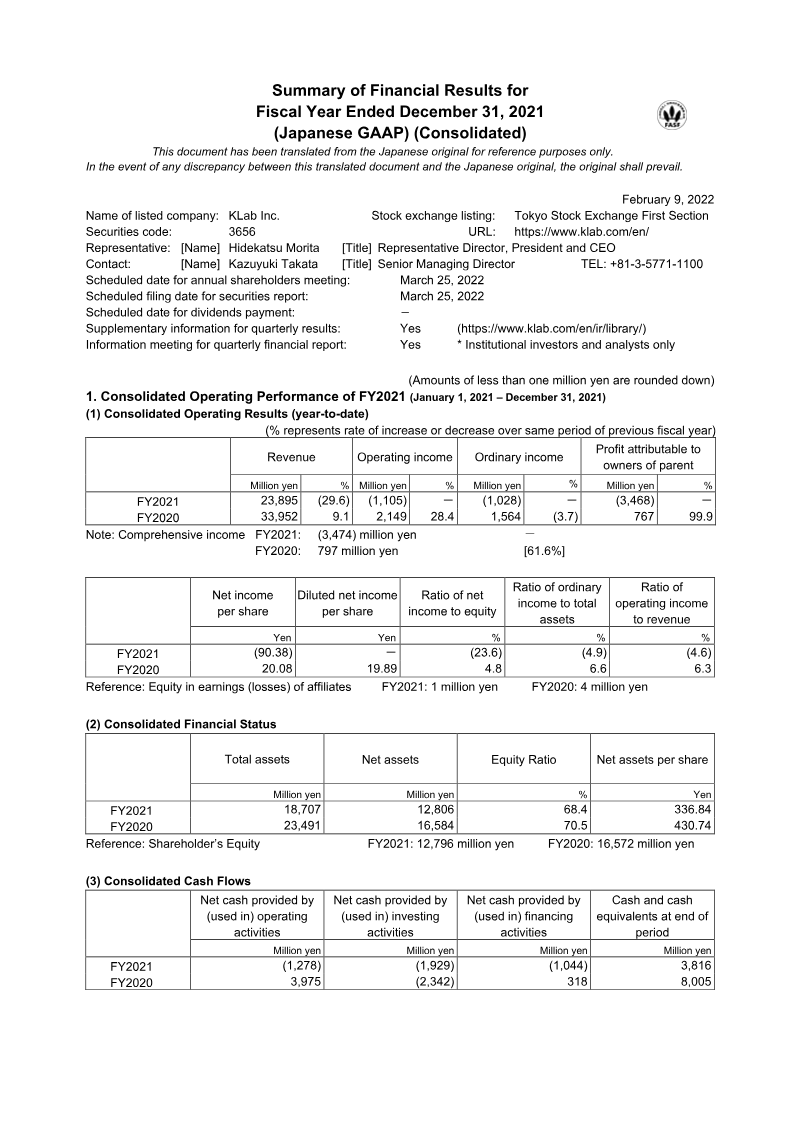
KLab · 2022
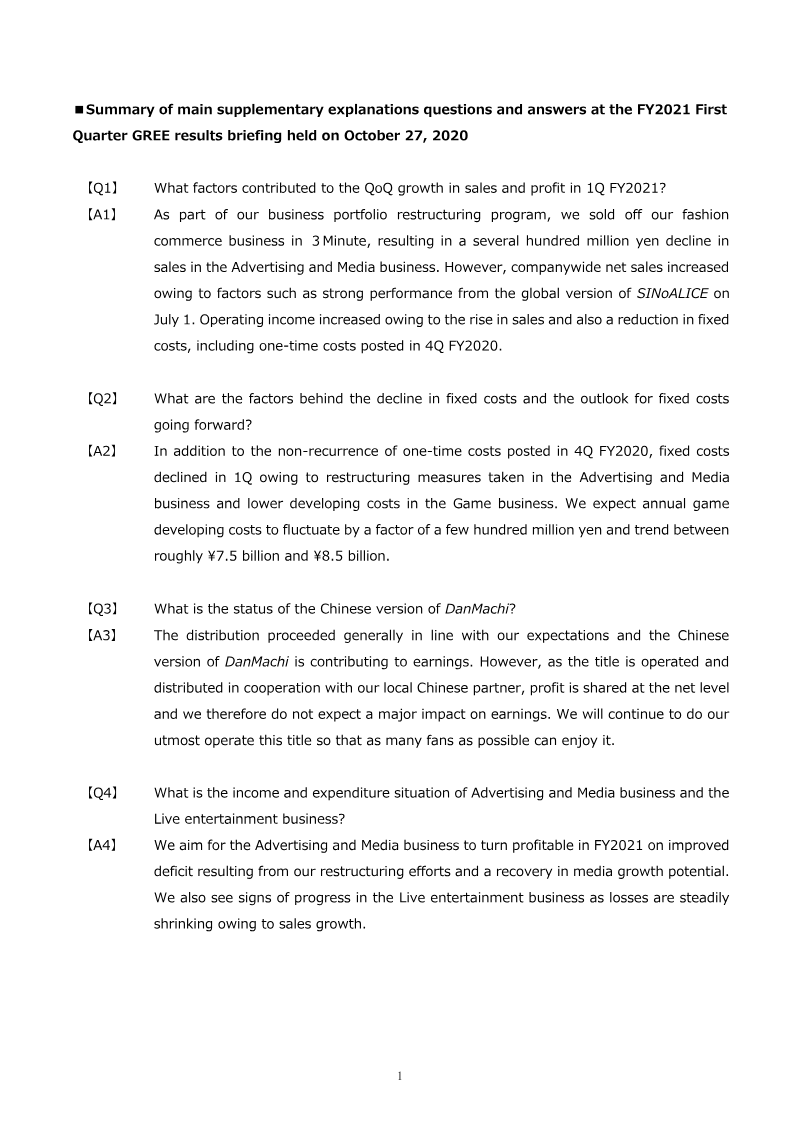
GREE · 2020