
ReportSensor Tower
The Mobile Economy and Digital Ad Space in 2022 and Beyond: An Analysis of Global Trends
1 Mar 202320 pages~19 min full read
The analysis evaluates how the mobile ecosystem and digital advertising evolved through 2022 and projects future dynamics, using Sensor Tower’s App Store and Google Play data, quarterly download and revenue estimates, and ad‑spend figures from North America and major European markets. It frames the mobile economy as still expanding beyond pre‑COVID levels while noting a slowdown in install growth, with India, the United States, Brazil and Indonesia leading global downloads and emerging markets such as Africa poised for rapid gains as smartphone penetration rises.
Mobile games retained dominance, accounting for over 50 billion downloads and generating roughly $79 billion in revenue, yet 2022 marked the first year of year‑over‑year revenue decline, driven by reduced spending in the United States, Japan and other major economies. Utilities—particularly VPN apps in India—became the fastest‑growing category, while Turkey showed the sharpest adoption increase but faced inflation‑driven limits on consumer spend. Venture‑capital funding contracted, raising concerns about the emergence of new app disruptors, and Android revenue fell 30 percent year‑over‑year, contrasted with a modest 1 percent iOS growth.
Spending patterns shifted as entertainment apps eclipsed social networking in the United States, with TikTok, HBO Max and Disney+ leading a surge that doubled 2019 levels and made entertainment revenue twice that of the next‑largest non‑game category. In Japan, a manga‑reader app topped overall gross revenue for the first time, highlighting diversification beyond games.

Sensor Tower · 2026

Adjust · 2026

Sensor Tower · 2026

Sensor Tower · 2026
Sensor Tower · 2026
Sensor Tower · 2026
Sensor Tower · 2026

Sensor Tower · 2026

Sensor Tower · 2026

Sensor Tower · 2026

Sensor Tower · 2026

Sensor Tower · 2026

Sensor Tower
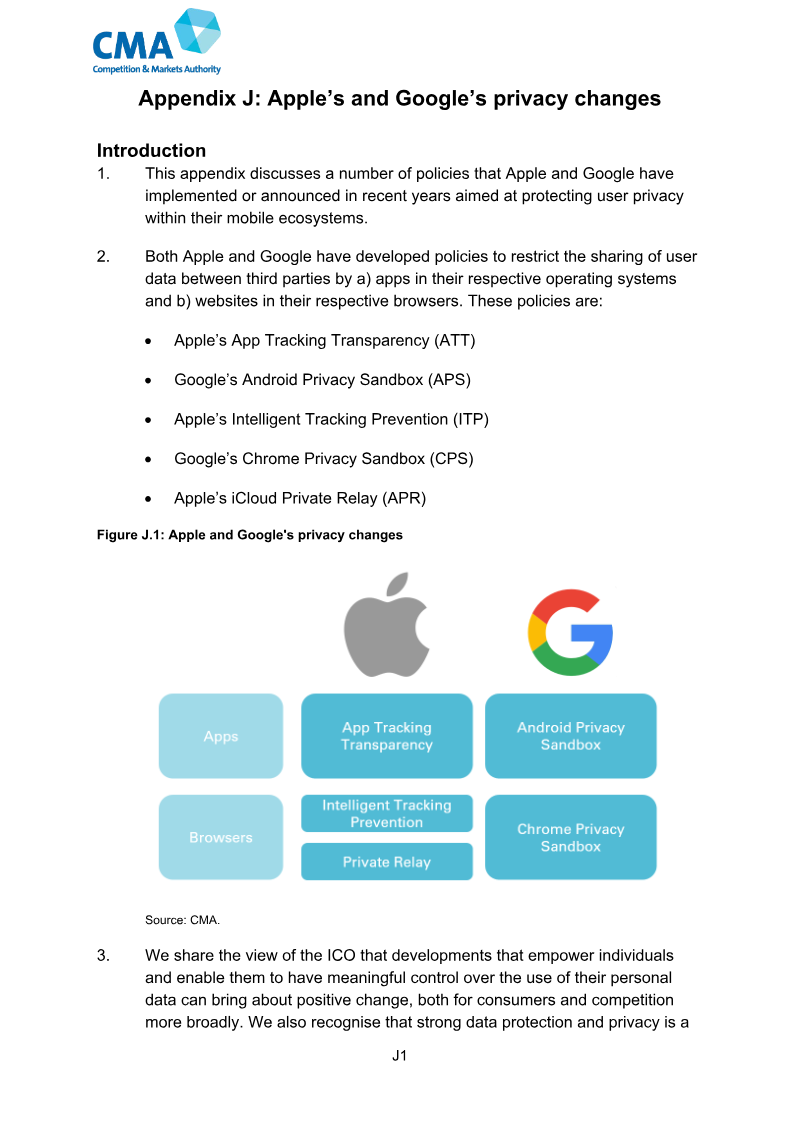
Competition · 2026
Gamesight · 2026
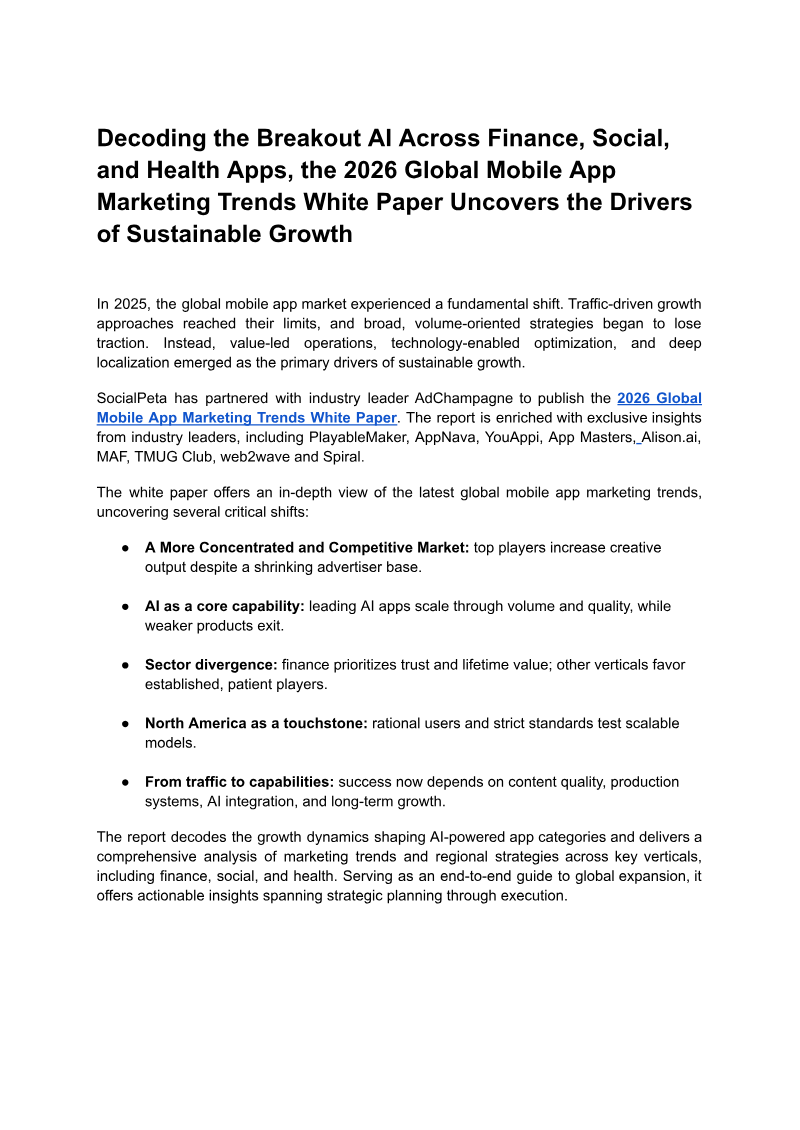
SocialPeta · 2026

SocialPeta · 2026

Anzu · 2026

Raptive · 2026
Newzoo · 2026
Aream & Co · 2026

Take-Two Interactive · 2026

InvestGame · 2026

SocialPeta · 2026