Back to Library
Summary
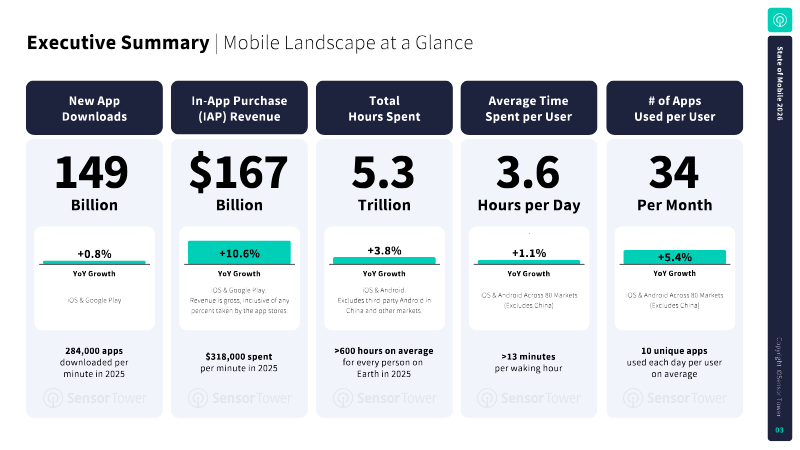
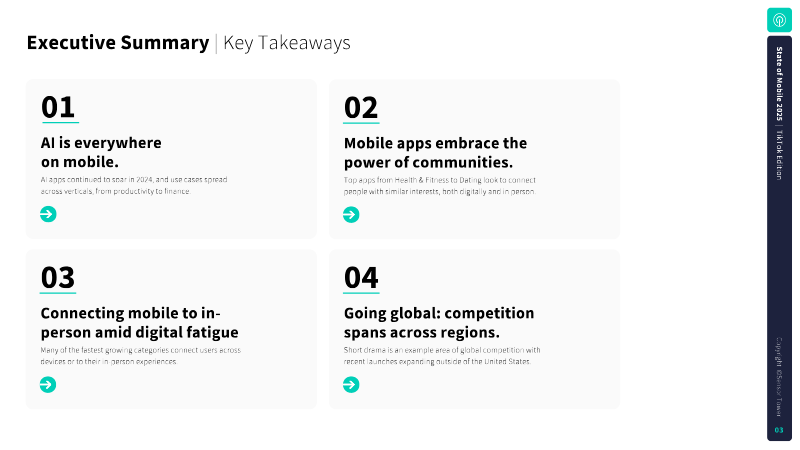
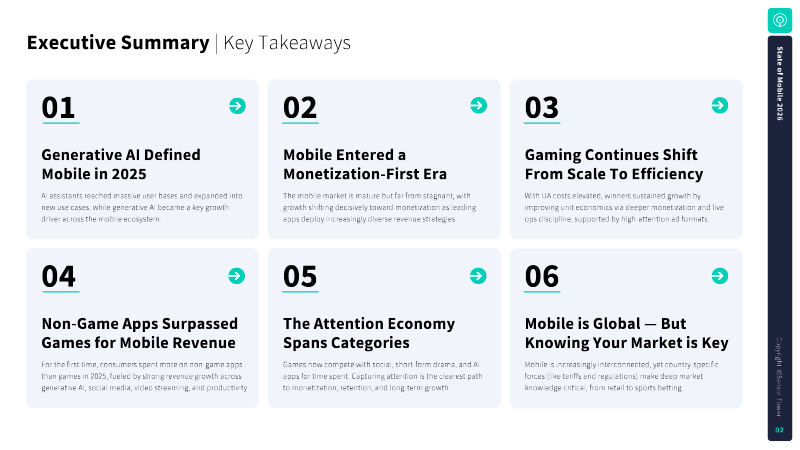
The mobile market has transitioned into a monetization-first era, characterized by a 10.6% year-over-year increase in global in-app purchase revenue to $167 billion in 2025. For the first time, non-gaming apps have surpassed games in total revenue, fueled by a surge in generative AI, social media, and streaming. While the top 1% of publishers continue to command 92% of total revenue, the market is showing signs of gradual democratization as the revenue share of the bottom 99% of publishers has nearly doubled since 2019. Generative AI has emerged as the primary catalyst for growth, with downloads doubling to 3.8 billion and revenue tripling to exceed $5 billion. This sector is increasingly concentrated among major tech giants and specialized leaders like OpenAI, whose ChatGPT platform joined the billion-dollar revenue club. Beyond AI, the "attention economy" is being reshaped by short-form drama apps, which saw a 311% increase in time spent, and the continued dominance of social media platforms, which captured 2.5 trillion hours of user engagement globally. The mobile gaming landscape is currently defined by the rise of hybridcasual titles and strategy games, particularly 4X titles from Eastern publishers. While traditional casual games face retention and advertising headwinds, live operations focusing on competitive social events have become essential for maintaining player value. In other sectors, finance apps grew to 8 billion downloads driven by credit and lending, while the retail sector saw a recovery led by interactive platforms and the expansion of Temu. Regional and technological shifts are further diversifying the ecosystem. In the United States, autonomous mobility services like Waymo are gaining significant market share in early-adoption cities, while the sports betting market is being disrupted by "Pick’em" apps that utilize fantasy sports classifications to bypass traditional regulatory hurdles. Across health, fitness, and travel, the integration of generative AI as a discovery and personalization tool is now a critical driver of both user engagement and record-breaking revenue levels.
Tags
Part of Collections
Pages
View all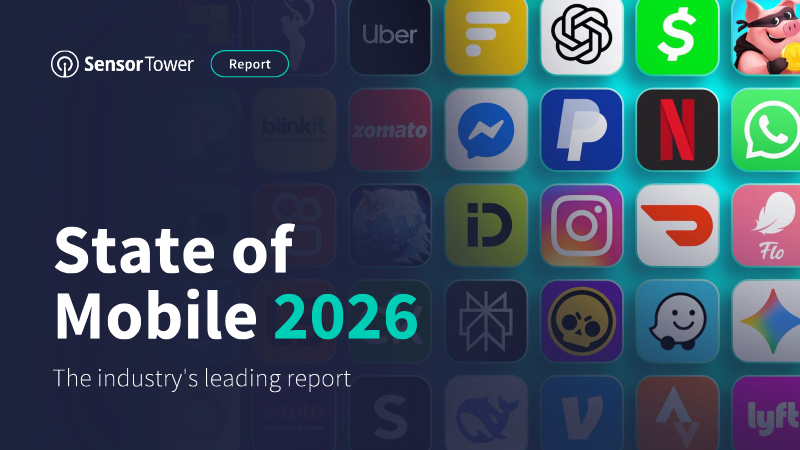
Citation
Citation
Generating citation...