
ArticleMobile Dev Memo
Search Is the Wrong Mental Model for Chatbot Advertising
14 Apr 20261 pages~2 min full read
The advertising industry currently faces a fundamental shift in how digital monetization is conceptualized, particularly regarding the integration of artificial intelligence into user interfaces. The prevailing assumption that search-based advertising models are directly transferable to chatbot environments is fundamentally flawed. While traditional search relies on intent-based queries that lead to a list of links, chatbot interactions prioritize conversational, agentic outcomes that require a different approach to value capture and ad placement.
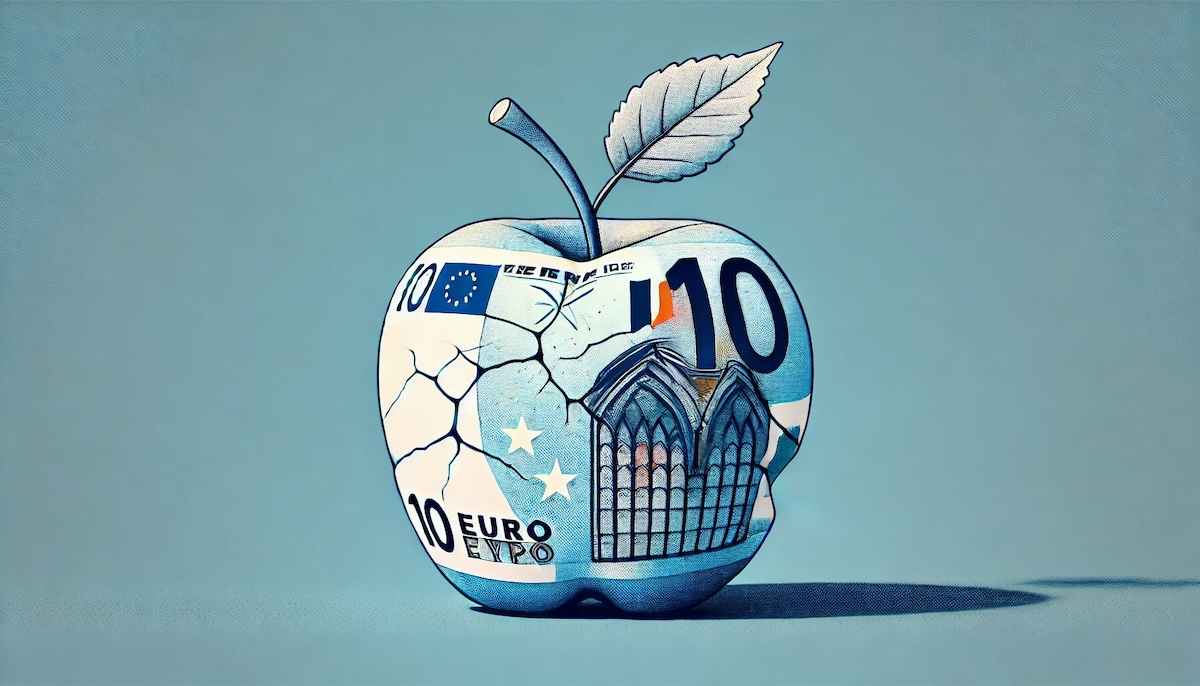
Data from 2026 indicates a significant realignment in the digital advertising landscape, with Meta projected to surpass Google in net advertising revenue. This shift is partially attributed to the structural differences in how these companies manage their ecosystems. Google’s revenue model is constrained by substantial creator payout obligations on platforms like YouTube, which dilute net margins. In contrast, Meta’s platform architecture allows for more direct monetization of user engagement. This divergence highlights the importance of business model sustainability in an era where AI-driven interfaces are poised to disrupt traditional traffic-driven advertising.
The transition toward agentic commerce necessitates a move away from the link-based search paradigm. As chatbots evolve to perform tasks on behalf of users rather than simply providing information, the mechanism for delivering advertising must adapt to maintain relevance and efficacy. Future success in this sector will likely depend on moving beyond the legacy search model, focusing instead on how AI agents can integrate commercial recommendations directly into the conversational flow without compromising the user experience or the underlying economic viability of the platform.

Mobile Dev Memo · 2026

Mobile Dev Memo · 2026

Mobile Dev Memo · 2026

Mobile Dev Memo · 2026

Mobile Dev Memo · 2026

Mobile Dev Memo · 2026

Mobile Dev Memo · 2026
Mobile Dev Memo · 2026

Mobile Dev Memo · 2026
Mobile Dev Memo · 2026

Mobile Dev Memo · 2026

Mobile Dev Memo · 2026

Gamesight · 2026
SocialPeta · 2026
Raptive · 2026
InvestGame · 2026
Moloco · 2026

SocialPeta · 2026

SocialPeta · 2025
Sensor Tower · 2025
GamingReport · 2025
Tenjin · 2022

AudioMob · 2021
GEEIQ · 2026