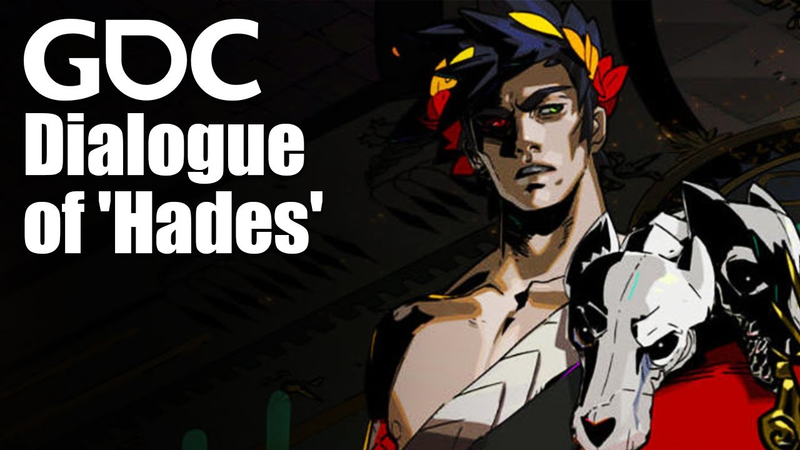
Roguelikes And Narrative Design With Hades Creative Director Greg Kasavin - GDC Podcast
2 Mar 202169 min video
Transcript
on gdc podcast episode 16 we have greg cassaven creative director at hades developer supergiant games we'll talk narrative design his journey from game journalist to game developer and the allure of the roguelike genre back in a sec welcome to the house of [Music] hades [Music] and we're back this is chris graft is this how we do this maybe i don't know it's been so long yeah it has been it has been a while we're just going to use this take too i'm chris graft editor-in-chief of gamasutra and hey alyssa hey i'm alyssa uh i'm melissa macklin news editor associate publisher at kamasutra expert podcaster yeah we haven't done
the intro in a while and if you're a regular listener you will know that after 15 or 16 episodes we have still not got the intros down quite perfectly afraid to listen to our first one because i feel like this is way better than we started uh but i will never know because i'll never listen to it i think the first one we just didn't do an intro we just had the guest start like mid mid sentence and then we just sat and uh and listened to them bald yeah yeah we are bold um so what have you been up to for the past oh i don't even i shouldn't ask yeah it's ultimately how was your last man so that's okay good it's the same answer for that period of time all right let's just understand yeah d d hitman rest of the world having a normal one yeah so i'm excited about the guest we have coming on today but i think that maybe we should talk about uh some gdc stuff really quick since this this is technically the gdc podcast exciting guest exciting new
gdc content for this interesting period of time we have right here um oh registration uh is now open for the gdc master class spring sessions so we had gdc master class fall sessions and uh they went so swimmingly we're going back to school in the spring what do you think what do you think he's gonna make it too cool for school joke but i'm like no that's lame and then i just no it's all good you should uh i'll go check it out we have some people returning to uh there's actually one now where you can get certified in agile so that's that's uh obviously production and we have some for level design now and writing already getting some sign ups uh so that is exciting yeah the benefit here is uh versus just watching a presentation you actually get hands on time with the instructor in a call um where you can get feedback have conversations
ask questions and just get like really uh engaged knowledge so it's a pretty cool offering i think yeah they're actual classes you go to school uh you grab your trapper keeper and you you sit down uh yeah but yeah they really are courses they're like uh all day all day courses that you take so it's um it's quite more in-depth than sitting in on a you know one-hour long gdc session so you can check that out at gdconf.com and segway if one hour or gdc sessions are your thing um there's also gdc showcase coming up yeah oh that was a good one but most of those are 30 minutes long yup i realized that i said it but but if you watch two of them back to back it's an hour long but that's a free thing that you can find out about um it's kind of acting like a preview uh to the content that we'll have at
the big regular gdc um that is a fluid situation there obviously but um yeah you can go to gdc showcase it's going to be um free to register for uh you get on the platform and we're going to have some a mix of brand new talks gdc podcast live is gonna be there every day uh there's gonna be old talks with like i don't say old talks it's like a new game plus a mustang yes i've been thinking about it yeah new session plus uh where you have a classic uh a classic gdc session uh one of the more memorable ones and the original speaker is going to be in the chat room uh talking while their past self is talking so there's going to be somebody in that box that that attendees will be able to interact with they can ask more questions you know about whatever topic is at hand so there should be all kinds of uh new
things for an entire week um so we're gonna be busy there that is coming up march march 15th through 19th right you you nailed it nailed it that is absolutely what it is and you can find out more at gdconf.com yeah i think it's guest o'clock yeah it's guest o'clock our next guest was an accomplished game journalist before making the move into game development he is creative director at super giant games which developed the beloved instant classic hades uh but you probably know him best as a writer at new type gaming magazine in the 90s let's welcome greg cassaven hey greg hello hey thanks for having me on the show yeah of course it's so nice to have you uh so i think we should get right into it because i've i've been doing uh game journalism i'm going to
advertise how old i am uh full time since 2005 but i was reading you years years before that uh can you talk a little bit i want to i want to get an idea of your journey from being a game journalist and a critic to a game developer creative director at one of like the best game studios out there oh thanks so thanks so much um it's it's it's wild to look back um you know the time flies as i'm sure you can attest um but yeah i mean i i was really fortunate to get to start writing about games basically fresh out of high school um the the sort of greater backstory to that is i i've just been playing games all my life since my earliest memory they just always captivated me um i don't know what i was doing in like arcades as like a six-year-old or whatever in the uh geez it was you know would have been the late 80s at that point but i i was
playing arcade games i was playing computer games i was playing console games playing western games playing japanese games just i gobbled all of it up um and and i knew from from i i say like since i was about eight that i wanted to make games um i was playing a game called ultima four which is like the granddaddy of you know open world role-playing games i think i think games like you know skyrim owe a lot to the classic ultima series uh but but i was playing this game as an eight-year-old it was blowing my mind you could just go anywhere do anything like experience the consequences of your actions and i i had no idea how people made it but i knew i wanted to do stuff like it but when i tried to teach myself programming on and off including during high school i just kind of bashed my head against it and it didn't go that well for me but i always loved writing um as kind of the the thing i liked you know academically besides uh going
home and playing video games after school um and so in in high school i was playing so many games that at a certain point i just like started to feel like almost guilty that i just kind of i felt like i had to do something productive with it to like be able to justify i still feel like everybody yeah yeah yeah it wasn't even like i don't know that you know monetize my hobbies it was necessarily the the that wasn't like i think just you know i i was yeah playing a bunch of games reading you know electronic gaming monthly and all kinds of like magazines that were around at the time and i'm like i could you know i want to review video games um and at the time you know i was already on the the internet such as it was and um in there were like you know little groups of folks interested in games and i i met um a friend across the country um and we
started making a little like fanzine together about video games and this is like this feels really prehistoric because it was like literally you know printed on paper and then mailed to people rules um yeah so so that's like how i got my you know reviewing like whatever samurai showdown two for a fanzine and that sort of thing uh but it was enough um to to then you know there was a you mentioned a new type gaming magazine it was like a small uh local magazine in san francisco and um it was like kind of a happenstance thing that i saw that they were like looking for writers and i'm like hey i've i've written stuff you know i could i could do this or whatever um and and to my surprise uh they they got back to me um and uh you know at this point i think i um i had like just finished high school basically almost to the day um and and i got to um i got to start
writing a bit for for new type and um but they at the moment were already winding down from being a print publication and transforming themselves into a website they were kind of doing this a little bit before it was cool uh this is like 1995-ish yeah um and uh anyway one thing led to another uh myself and a couple of colleagues from new type we started our own gaming website for a bit that we ran for about a year uh and that's that one called again that was called arcadia magazine um and that we reviewed like we covered both like pop culture stuff and and games because we were into whatever we're watching i don't know that kung fu movies or whatever exactly qualify as pop culture actually but it was just a weird mix of of stuff like that um and then this is again this is a stroke of fortune i attribute a lot of things to luck um and i was living in san francisco and i found out that there's there's going to be a new gaming
website that's launching it's called gamespot and it's like it's like funded they like actually have money um and they actually have a staff um and they're serious about this whole gaming website thing unlike us you know little uh kind of hobbyist uh thing that we'd started um and and i you know i i sent them an email sounding more important than i actually was as like uh did you lie on your resume greg no it was it was just the thing that like if you no one knows your age when you send an email so if you send an email with like punctuation people just assume that you're you can't be a teenager this guy's a hundred dollars yeah so um so they agreed to meet with me or whatever and they're like you know on on no real basis but eventually they're like you know we have an internship open or whatever right they weren't interested in like acquiring uh arcadia magazine or nothing but but um but i'm like dude enter like it was a paid internship and everything so that was yeah um so this is in 1996
uh in the fall and that's when i started as an intern uh at gamespot and shortly after they had launched and that's when i first met uh folks like jeff gerstmann who's still in the game after all all these years um um you know um at giant bomb um and and other folks who i remember very fondly um so yeah i i started uh writing about games there um it was kind of my first real job and you got all the way up to executive editor at gamespot yeah editor-in-chief yeah um so yeah hi dog yes i will wait for them eight minutes yeah they're in the podcasting room uh yeah yeah yeah i uh you know i ended up working at gamespot for for more than 10 years and yeah you know starting as an intern ending up as editor-in-chief um and it was one of those things where
i i had completely fallen in love with that work of being a game critic yeah reviewing games was like still always kind of one of my favorite parts of the job and toward you know toward the end there were pressures on me to you know spend my time on quote-unquote more more important things um because i was you know responsible for um big aspects of the site yeah managing an editorial team and those are those are in fact more important things but but um i felt that you know like reviewing games was at the heart of why i i loved uh that work uh but the years just flew by right and suddenly i'm in my late 20s and no closer to being a game developer and i'm like okay well i could blink reviewing games is that's like uh that's hard work not hard work like working in a coal mine but uh that's that's some time intensive uh tiring stuff yeah i i did it i mean i would do
it mostly i would it was kind of my second job there as it were of like i i would do that as homework um um but but it again it was like the part that i i i loved it you know um reviewing games was an opportunity as always to just like it gave me an excuse to play a lot of different games um not and and to to just sort of understand my own feelings about them um because i figured if i could you know i think we all intuitively have a sense of what we like and what we don't you know you watch a movie is like that was a bad movie or that was a good movie but why right i like to ask myself why i felt a certain way about a certain game what were what were the aspects of it that contributed to me thinking that it was so good or that that it was you know not so good and so on and uh being a game critic like forced me to just be more introspective in that way and try to articulate it
and i hoped that maybe that experience would uh help make me you know a better game developer if i ever got the chance to do it but yeah and so i finally got my chance at the beginning of 2007 when i went to go work at uh electronic arts in los angeles as i heard they were i forgot that you did that i was when i was doing my internet stocking oh yeah you went to eala worked on uh command and conquer yeah um so that was that was one of those things you know again it was pretty the the opportunity was happenstance in that even after all that time at gamespot i didn't really know anybody in the industry because we were we were very strict about like maintaining an editorial uh separation so it's like if i'm reviewing games from different studios i have to not have personal connections at those studios so then i'm like well i'm no closer to becoming a game developer and i might i knew i would regret it if i never had a shot
um and and then you know a former gamespot colleague who had gone to work at eala before me uh amira who's a dear friend of mine still uh he he always knew i was interested in development and he's like yo we have an opening for a producer if this is something you'd be interested in applying for and i applied tonight and i got it so uh yeah then that's when my development journey started and it's certainly been a roller coaster um at ea like i think on the very first day is where i met uh another amir amir rao um and uh gavin simon who uh became friends of mine and you know later founded supergiant games where i'm working now so it's it there's like a direct line from my ea experience to what i've been doing ever since but yeah at some point i you know the 10 years felt like a long time but i've now been in game development for longer than i was in the gaming press um you know doing the math since uh 2007 um but it
feels like it does not feel like that long ago when you when you first made that jump uh did you feel like you talked about how you thought that your uh review experience would give you this kind of unique perspective going into games development did that actually happen that way did well your all your time spent in game journalism give you kind of a different outlook on how games are made once you got inside of the process yeah you know what what helped i think the thing that um helped me the most directly was the part where um i had been working uh on on a big website at at like a at a fairly high level in the organization and a website is a bunch of software when you get right down to it and it's software with artwork um you know with design and and basically there we had uh departments at gamespot that uh like were that basically have counterparts at a game development studio so i had already i felt like i
already had some of the vocabulary to to just like interact with you know uh with art teams with um with engineers um and and with marketing teams and stuff like that as well um so that um probably helped me at least as much as just my my knowledge of games however much i had um but i do think my my knowledge around like my ability to have justified playing more games than than average up to that point just has always given me like a broad it makes me able to think of references to things quickly if nothing else so when you when tackling like a design problem maybe i can think of a game that you know handled something in a similar way like a reference to look at or something like that and and that's that is i do find that very helpful if nothing else it's like confidence boosting for a
person for whom confidence uh boosts do not come readily so like in when it comes to games i'm like well i feel knowledgeable about this one thing even though i'm like insecure about whatever other aspects of life at least games i've been playing them all my life i feel like i at least know what i like um and and know how to articulate it whether i can convey that successfully to someone i'm you know i'm working with who knows but um it just uh that did help me it helped me not feel like i was completely out of my depth um and and it also you know what also helped me uh to my um i guess to my delight or something is like i didn't realize how much game developers cared uh about the gaming press like i felt like a lot of a lot of people i came into you know this pretty big team at eddie a uh you know 100 plus people and i felt like a lot of them were just like like appreciate i i felt uh like
surprisingly like appreciated uh it wasn't like oh here's here's the outsider you don't know anything like your experience is garbage i was like oh cool you worked at gamespot so they were very welcoming and that was uh that was a really it was an awesome team yeah a great group of people so um they they made me um it was you know it's a weird experience i'd only worked at this one place basically for 10 years so it's like just leaving a group of people that that you've come to know quite well into like a totally new organization where you know you know initially only a couple of people it's a big uh it's a big change and i also moved uh or didn't really move but i started commuting down to los angeles for the job so it was a lot of life uh changes as part of that but i was i was i felt very motivated to again at least give it a chance you know maybe i'd come crawling back uh to writing about games but um at least i'd be able to look back and say i i tried this other thing do you still think you're gonna come
crawling back to writing about games someday are you our life right now you know i i uh i i would be lying if i said the thought never crossed my mind during during the course of the time that's passed uh but but these days is certainly um i i'm i'm really you know at supergiant with bastian our first game that was the first time i like got to do the sort of job of my eight-year-old dreams right of like world build like building levels writing worlds writing characters writing stories like putting it all into the game like getting my hands dirty on the actual like process of building the thing um and and i and i've been doing you know equivalent work to that on our subsequent games and that's that's work that i don't imagine i will grow tired of um during my lifetime like i i i enjoy i definitely enjoy what i do um but it it for all it's for all its ups and downs like basically the it it
i said it was a roller coaster um i think the the highs were higher and the lows were lower compared to compared to my experience at gamespot probably but um being able to put these things into the world and then see that people enjoy them uh definitely means a lot to me and feels like i i'm yeah i'm getting to it's lived up to to my my dreams in that in that respect as as strenuous as it can be from time to time well if you uh ever want uh to write again i have a small freelance budget yeah okay i i still love to i you know every now and then i still get a chance to write about games and i i still uh definitely enjoy it and once in a while there's that like sleeper game that comes out and and you know you first hear about it through reviews and stuff and i'm like oh i miss those are the best moments as a game critic when you like discover uh something and help um help spread the word uh about it
about why it's so great yeah so moving on uh to you know closer to your current career status uh you know journey uh like talking about journeys like you go from bastion and honestly greg i forgot that you didn't you weren't like a co-founder of supergiant because you i feel like your name is so attached to it now but you actually came in a little bit after the founding and then worked on the end of bastion i i worked yeah it's a bit it's a bit murky there because i i was there for like um a lot of the formative discussions with with amir and gavin when we were still down in l.a i was like roommates with amir and stuff like that so we started we were playing these games i meant there there's like i think it's like four games in particular that really struck me from that era and i think the rest of us it was it was like braid uh castle crashers plants vs zombies and
world of goo where these like really just amazingly crafted um games from small teams released at around that time 2008-2009 um and and meanwhile we're we're on this big team and we start we're like what could these games felt so like personal and so well made that we started wondering you know what could we do um if we could call the shots and just sort of have to do it ourselves what would the constraints be and what kind of game would we make so the um we were having we were excitedly having those discussions and then uh amir and gavin bit the bullet and and quit their jobs at ea and moved up to amir's dad's house in san jose california which was vacated by his dad conveniently at the time and founded supergiant and got to work on on bastion and i joined them yeah i joined them the following year um because in the intervening time i went to go work at 2k games that's based up here uh in the north bay
um in in uh california which is closer to my home because i've been commuting to los angeles from northern california for basically two and a half years and and had to like pick up the pieces of my of my life outside of work and just sort of stabilize things i like the idea of going straight from my like commuting you know la situation into like a startup company based uh an hour and a half uh away from where i was living with startup company yeah exactly so it was like it was like too much but but then you know we kept talking and i reunited with them um as uh as bastian was uh going into full production um so so i i yeah i got to do the you know writing and and design and all kinds of stuff on that game um who's who's like you know founding principles were were near and dear to my heart as well as that of um amir and gavin and you know our team had grown to we were seven people uh by the by the end of that game so yeah transistor was the
uh transistor was a game that we worked on first where we had like basically a like a full team uh from the start and we grew a little bit we grew to 12 people on that game got a full full team yeah yeah we did consider it a full team actually at that point that's great though like i i gotta say too uh super giant games over the course of these four games bastion transistor pyre hades they all you can tell what a super giant game is now there's such a clear line where these games build upon each other uh how has your uh you know view on game design or any kind of philosophies that you take uh evolved as the four of those games uh were developed and released yeah we you know i do think we have um certain values in common uh from from game to game like we um we're always interested in
that sort of in the connection between the um the the interactive experience and the and the narrative experience and context like how can we tell stories in a unique way that that would not translate to other media how can we take advantage of what's unique about games in our approach to storytelling we really like uh storytelling and worldbuilding because we think it helps make when it's done effectively we think it helps make your your like experience in a game it can make it feel more more meaningful it could add uh context and depth where you know it might not be there inherently uh through the through the mechanics alone um and uh we you know we really value the the presentation the atmosphere um of our games and and also uh things like um making our games um available to players of like a wide
range of skill levels that's partly coming from our our approach to narrative you know there's nothing more frustrating in games where you're like really engaged with the story but then you just hit a wall like like a difficulty wall and you just want to see how the story ends but you like can't you can't make any more progress um because you know because it's so it's it's too much for you so we try to build in systems into our games that that um mitigate those kind of moments so that if you are engaged in the narrative but you haven't been playing games since you were six or whatever you can still uh work your way through and and have a good experience um but yeah you know more more specifically each of our games has been like a a reaction to the one before it um in part because you know we ever since bastion at least uh each of our games has taken approximately three years give or take and by the time we're done with one we've we've pretty deeply kind of explored whatever it was that we set out to do
with that game and and we're kind of ready for something different in some way um and and uh so we naturally kind of lean into other other ideas you know transistor being uh the kind of first obvious example of this where we went from making this like very you know arcady uh fantasy game and bastion to this like more deliberately paced um almost like strategic uh science fiction game and transistor so there there are some superficial similarities between the two uh but the vibe of them i think is quite different and how um you know for us it felt like it felt very different to work on and then once again with pyre is completely different from transistor and then finally with hades this is back you know we started that game in 2017 just a few weeks after pyre shipped we finally said hey let's do like let's pull together all the all the best aspects of our previous
games that we enjoyed working on and like build uh something um based on that because we've been like sort of discarding our ideas so much also like no no sequels like either i'm noticing is super giant just like we have to do something we want to do something different every time yeah you we really i personally really value the element of surprise um i think you know people have said there have been a we're so grateful for the for the nice things that have been said about hades um across a lot of different aspects of the game but i think like a a quietly underrated uh aspect of why our games have been able to make people you know say nice things about them is that they uh they surprise people they we i think surprises really when when you go into a game and it just kind of plays out the way you think it's going to play out i think it can only have so much of an impact on you but when it does things
that are like way beyond your expectations those are the games i think that can really stick with you um and and you know cutting back to the bastion days it's like hey we have this dark horse advantage like no one knows what we're capable of as a t no one's heard of us so we can just do whatever and and make this game that just looks like a hack and slash arcade game actually have a you know kind of a deeper experience to it and and i felt that that worked out very well um but it you know then bastion you know sort of put us on the map as a small independent studio and it's like oh well maybe our dark horse advantage is gone forever and we can't surprise people anymore and that's part of why we we did transistor instead of like like a bastion two would have been a very sensible thing to do after bastion but we we didn't want like that wasn't the path that we were more excited about we wanted to ask ourselves like can we do this again because we loved you know building the world from scratch on bastion then seeing that people enjoyed it so we wanted to see if we had
like the competency to be able to do it again um and so we've done that each time like priority prioritizing surprise but we you know we love the worlds of our games we've always said that like there's no reason we wouldn't ever like go back to them it's just that when when it comes time to decide what to do next we've just always been excited to try something new i'm kind of curious about how that surprise plays out internally because you see certain studios are known for like a certain genre a certain mechanic and that is their niche and they make games very good games along those lines but how do you kind of work with the team and manage a team that seems to be really mobile in the kind of game that they're making how do you handle surprise internally with your developers who need to have these different skills to express different genres or different gameplay yeah i mean i think i think for us it's it's hard like creating surprise or something through the play experience i think it's hard to be aware of that as a
developer because you're iterating so like nothing is surprising to you necessarily as a developer because you've been iterating from the inside yeah or it's it's the thing you know particularly with like story moments that are meant to be impactful like the like the ending of a game or something like that or some some key moment it's hard to keep perspective on that over the course of development just because you've seen it so many times i think it's a pixar thing from back in the day they had i'm gonna i don't remember the exact wording but they're like remember the fir the idea is kind of remember the first moment remember how you felt the first time you experienced this part in the story because over time you're gonna you're gonna grow a bit numb to that so for us i think it's like we look we we give ourselves time to do some of the small stuff um we don't over schedule the work so that there's no room for the small and i i call it like this isn't a great expression but i call it like the dumb stuff in the game it like it's the pointless stuff i say it
in like a um i mean it in an effect in a kind of way no i mean in an affectionate way but the things that are unnecessary in a game i think are the things that actually like paradoxically you can make a game very special yeah um stuff in hades and your other games we try to jam all our games full of it because you don't we as a developer you actually don't know which of those unnecessary pointless things a player is going to really respond to yeah um but you know for me it's like if you could just put enough of them then one of them is going to one of them uh you know these these tiny quote-unquote dumb things where uh it's like wait the game knew that i didn't yeah type this and you know that i mean i think it's not a coincidence that working on stuff like that is also um one it's fun it's fun to be able to do the small kind of unnecessary things um it's it's more work so you have to reconcile that
and it's the it's the stuff that's the first on the chopping block if you run out of time so it's um so i think it's quite tricky there but i you know again we we learned a lot of like production discipline at ea on our team our team at ea was very efficient um in in making good games um in a timely fashion so we we've just tried to get better and better from a production standpoint and leave ourselves room for the for the individual creators on the team to sort of chase their passions uh through their work and um i i mean i see like when it comes time for us to decide on a new project like the highest priority for us is like what what will be the most exciting or i shouldn't say the highest priority but something we very actively think about is like what what can our team what will our team do in a unique way that we will most enjoy making we don't like we we think about
specifically what our skill sets can what sort of game we can create as a team we don't we don't think about a game like in the abstract and then want to make it it's like what what can we do knowing you know what darren corb our composer and audio director what is he excited about what is gen z our art director excited about can we sort of synthesize those ideas into something um i find that excitement that individual excitement to me is hugely important because game development can be frankly such a slog um and so much of it is not fun that the excitement can carry you through those sort of troughs um in in the development when you're like uh you're stuck on a hard problem you're not making progress uh as quickly as you thought the sort of honeymoon period you know is over for how like excited you initially might have been about the thing but then you remember that you saw this potential in it and you and you can you know remain inspired to keep doing work that that
matters to you that shows through in in all the games too thank you um i'm glad it does yeah uh also i want to talk a little bit too about so there is actually uh some twitter discourse this week uh having to do with writing and this comes up you know pretty frequently about how so many games the writing is just kind of tacked on at the end it's like an aesthetic that's supposed to make all the gameplay make sense uh right more cohesive uh but that's not how supergiant works right we you know um that is that is partially true um but the the part where we use narrative to like uh justify how the game works is absolutely one of the one of the kind of functions of narrative in in our game to to to make um i i think of it as like it's like an adhesive it's like glue that seeps into the
cracks of the game to make it all feel like it was all highly deliberate and and every little piece you know was was meticulously planned out when like the reality of game development it's not that clean um so you like these little bits and pieces are coming together at different times obviously a lot of different people are working even in a small team you know we're up to 19 people now um for hades and it's still like different people with different perspectives putting their own work into the game um we want it to feel cohesive overall but we don't want it to come from a place of like you know you must do it this way you must all do it this way so that it's cohesive it's like the role of the story can be to find those connections yeah between otherwise and you as a writer aren't brought on in the last you know yeah a few months of development yes that's i guess that's that's the key point i should have spoken to um right away which is that you know we're thinking about the narrative um and the and like the
themes of the game that we're working on from the start uh we're highly design driven like we don't we don't start with a story and back solve the gameplay onto it that's never been our approach but we're looking for uh we're looking for that harmony where the design that we're interested in the themes we're interested in exploring can be expressed also through the story and and how it's told and this applies across the board like you know our our music um has been praised uh over time uh the the music of darren corb and he's uh you know he he's a he's a genius and i love working with him and he's a wonderful guy but uh part of the part of the secret weapon such as it is is that he's there from the beginning like one of the most important things that we do at the start of the project is start figuring out what the music is going to sound like because that helps identify the entire
vibe and tone of the experience that then you know like even even myself from a writing standpoint you know hearing the music a certain way it's like yeah okay this really clicks totally i wanna i wanna write in such a way that supports this music um and and whereas you could bring on you know hans zimmer or something in the last year of production on a big game and hans zimmer might deliver like super amazing music but it it wouldn't necessarily be integrated as deeply as as the music in a game like ours where we we think of audio as like a really vital a part of the experience in like creating an atmosphere and and the overall mood um so yeah it's another example of where like thinking thinking about the role of the narrative thinking about the role the audio um and the artwork obviously right from the start of production i think i think leads to um it makes it possible for us to get to a better result in those in those regards is that something that really benefits from what seems to be like a really deliberately small studio that you guys have this like tight-knit
team yeah it really it really really does it's a it's a good um thank you for bringing that up uh we do like i do feel strongly that a lot of what we do only works because we're small like i don't i don't see how it could scale necessarily um we like we just you know a lot of it is that there are these like long-standing personal relationships at the heart of the studio um with with like amir rao as kind of the i use i would think of him as like the commander shepard or whatever having assembled his like crack team uh all of us like were connected to amir in some way some of us you know i knew gavin um and and uh andrew wang our cto um like from la but you know like darren corb uh amir knew you know like since they were kids and logan cunningham who's who's been our principal voice actor in each of our games uh him and darren and amir um
you know played played like youth soccer or something when they were 10. so they all they all would go way back and those those long-standing relationships um help us to to again like kind of work through everything and and just be able to be um sincere with each other uh and and and yeah build games about around what we know ours our strengths are as well as to like navigate one another's uh kind of you know our idiosyncrasies as people like we don't have to all work the same way as as you know is expected to be the case sometimes at larger studios where you need more formal you know office hours or something like that when we're a small team we could just it could just be more custom to to the individuals that are there um yeah which i don't know that that can scale up yeah the studio culture just uh speaking of that too it's just interesting reading
i think that you gave an interview in 2019 having uh you know unlimited um you know days off required 20 or so no emailing after 5 pm on friday i could get i could get into that one oh boy the the note you know the the no email i was a big advocate for the no email after five on fridays um because that i was one of the people who was like wrecked by the opposite of that yeah um i'd be i'd be you know uh like at dinner with my wife and kids or whatever um and and still just sitting on my like oh god damn it there's this email like the the person who sent me the email had no intention of inconveniencing me had had no intention to like just like it was it was my fault right that i would i would sit there and not want to like slow things down for other people you know oh wait i have to answer this so that the other person you know
can keep on going and we realized that like sort of calling the ceasefire calling the truce after five um it made this really um it made a very tangible difference so that even you know i still i still work uh evenings and weekends like whenever the heck i want you know again when i'm adding dumb stuff to hades and having fun some of that work i do on weekends but it's but it's on my terms like and and i do it in such a way that i'm it has to be work that doesn't require anybody else i'm not bothering you it's not answering emails yeah um and and so it makes it just creates these these quiet moments and made the weekends like feel feel more like weekends um and you know yeah from my from my gaming press days i certainly remember what it was like to just get emails non-stop and it's yeah it's kind of creates like an oppressive feeling and having having times when it's quieter is is really important yeah uh i'm going to jump back uh to gushing about hades
yeah i i just i just love um so i feel like um well i know that one of the reasons uh that hades is so praised is because of the consideration of the mechanics and the design and how that fits with the narrative uh because you know the the story required that's one thing i never i don't think i've ever played a roguelike that uh acknowledges that the deaf cycle and this is what hades is about it's about done over and over again and trying you don't have that mechanic that design without the story that you set up uh so which one came first was it like we're gonna do a roguelike or is it like um you know or did like the story come first or they kind of come together naturally yeah at the same time yeah they um so the i think the order of decisions was
the first one the first thing we decided was was actually early access um before there was any game id at all um and that was partly again like in in response to something to having worked on pyre where um you you basically work for three years without knowing what anyone is even gonna think of the thing and and um we we take it you know we announce it we take it to pax we play test it so we get we get a level of feedback along the way but it's it's really different once you finally put it out there and and kind of see truly what you've made um so our thought was like can we can we test our ideas sooner rather than rather than having to like wait three years to find out how we did and um we we also were drawn to early access because it it we felt it would lead to like a more disciplined uh production
approach where during the course of development of a game like pyre it's it's like a busted game through large portions of development where we're tinkering away at different bits and pieces of it but if but someone couldn't just start the game and play through to the end during most phases of development because because it's just all you know you're just still trying to feel like an accountability thing when you're doing it it's not really um it's not an accountability thing it's well i mean i guess everything at some level is an accountability thing but i think it's like a fault of the development process itself where where we're not um where the things that we're working on are lower level and we're not testing the experience like end to end as like a priority so we figured that with with early access it means that we have to keep the game you know stable problem-free and playable end-to-end for the vast majority of the time and and um and that means that once once you're
actually done with development uh there there should in theory be fewer problems the way uh gavin uh would put it is like do you want to find the problems before the game is done or after the game is done it's like oh that has an obvious answer so um and also i think early access was it was like different and scary in a way that was like attractive to us um so then early access starts to apply some constraints on the kind of game you might want to make like like early access wouldn't have worked at all for a game like transistor that's you know six or seven hours to play through you just burn through like a crappy version of it um and then never want to play it again um so we wouldn't get any feedback from like you want you want to have a game that people are interested in playing for a decent amount of time so that you can get there get their feedback on it because otherwise why are you making a game in early access so that drew us to the roguelike dungeon crawler genre
which is something or or specifically to the roguelike genre um because we were just playing we were playing and enjoying it we were playing these games like dead cells and slay the spire like a whole bunch around that time just loving those games um and thinking of these games like binding of isaac and darkest dungeon enter the gungeon um really cool games uh but games that didn't really prioritize the narrative experience necessarily which is something that our games have always done and we would think back to our bastion days when when we set out to make an action rpg and we're like hey what if we just use this genre format for for storytelling maybe that will help distinguish this game and not make it look like a terrible diablo clone or something like that um and that worked out so it was basically that same mindset of like hey can we use this genre format uh to tell a story um and a thing i would think about often is even in the hardest core roguelike game where it resets you
completely to nothing um from one playthrough to another there is in fact something that you carry forward which is your knowledge uh of the of the mechanics and the game right so using your knowledge you can get farther and farther in a game like spelunky or you name it um so it was a fun thought exercise to think of um like a game premise where the character had the same ability so it leads you to like well what sort of character would still remember what happened after they die well what about a character who's just immortal like they don't die for real because you don't really die for real and roguelike games they don't like uninstall themselves right you can play over and over so it's just yeah so it's trying to align you know we're always trying to like align the the like the player experience with with the narrative and it leads you know having a character like zagreus who can who can be serious one moment self-deprecating another you know like snarky or whatever it's he's he's
even though he has a lot of personality on his own he in some ways he is he is there to sort of speak uh for the players experience um and and just trying to find that yeah that strong like i said before that connection between the play experience and the story so it all kind of flowed from there that idea that like what if there was a roguelike with with narrative continuity where every time you run into a boss they remember you know they like you know you start keeping a tally of who won this time who won last time and it was fun to think about um it was uh we had done a game with a complex narrative in pirage just before so it wasn't that intimidating of a starting point um and we started chipping away at it basically in early access um and then yeah here and then here we are it's a really interesting way because when you go into like early access then leading with the narrative foot there's like the risk that your players could get burnt out of your story so quickly because you're going to be updating throughout and they might have to
restart their save or whatever depending on how you do that but the roguelike formula is so welcoming to that that it's like it's a match made in heaven it's really great thank you yeah it's i think i think it's a it i think our consideration of those we we tried to find that match like consciously not knowing how it would work out of course but but the like knowing that early access would have the sort of issues that you described it it led to the specific design choices and approach to the story that um you know that ended up working out for us in in the in the long run in addition to during early access um you know we i approached it like uh it was a fun you know it was a fun challenge because it was different in a lot of ways but like our previous games you know it's like dropping a big novel or empire's like a novel length amount of writing in it i think so it's just you know one day boom it's just this giant thing um
but with with hades it felt more like a like a tv series or something where uh our early access launches like the pilot you know we're going to introduce some of the characters we're going to set up the stakes for what the story is about but and we're going to allude to there being an ending eventually but we basically added the the ending of the game uh in our very in our 1.0 launch so we built the beginning first and then we you know introduced subplots and things along the way kind of again chip away at it with each of our major updates and then finally you know do the do the finale in the 1.0 launch that was our idea and uh and yeah that worked um you know that worked out well we wanted we wanted very much for the ending of the game to like live up to the expectations of our early access players because they were they were quite engaged with the story and the characters at that point given like the differences from like releasing a game and hearing your community feedback versus working on an early access game and having that feedback be more part of the development process even if you say your next game isn't an
early access game are there lessons you can take from working with your community collaboratively into your next project you think um i mean there are for sure but i think one of those big lessons is that early access is is really valuable um the so i think if we didn't that's not to say it is a foregone conclusion for whatever we do next it's not but it's something i think that we would have to give serious thought to um considering um i think we would all agree that uh part of the success uh of haiti like a significant part of the success of hades is owed to um the early access development having gone well and resulted in this you know bigger and kind of cleaner game than we could have come up with on our own i think we would if we didn't do like early access in the traditional way i think we would still very much want to have like figure out ways to get more feedback from more people sooner in development and more steadily
so that every step of the way as we're adding stuff to the game or changing stuff that we could be receptive to how um so that we could be receptive to how that's changing the experience um and and like which opportunities it's then creating for the game like one of the really valuable things with early access is just that it lets you it lets you stay it helps you um like see the forest for the trees as it were because you know again a couple years into development you could get really down in the weeds on stuff and maybe start to lose perspective on what's really important for the game because with games you could you could spend an infinite amount of time on basically any aspect of it so that decision of like when is it done when do you move on is is really tricky um and i don't yeah it's it's tricky to make that um to decide that so when you're working in early access it can help you decide because if the
whole community is like this part's awesome but this part is whack or this part is missing you know what the game the game is totally missing this it can it can help jog that part of your brain when you're like yeah what am i doing i keep tinkering away at this thing that everybody's happy with um why don't i work on this thing that i know the game needs um so it just helped us stay more focused on what mattered and stay like really motivated i think as well just to keep it it feels good to work on things that you know uh matter to people uh whereas in the thick of it while working on a game you can it's easy to lose sight of that uh in my in my experience like why you know why am i doing this like does it is anybody gonna care that go that goes with so many creative projects too yeah exactly it's like because you're not i i mean some creative projects you do it's important you know sometimes you do do it for yourself but but um if you're doing it as as your job
uh presumably you're also creating something for others not just yourself and and if you're creating it for others then um you you benefit from knowing what they actually think you may not it doesn't mean you have to do sure what they say but you at least want to know how they're experiencing it and what they're it's so valuable just hearing about people's experience with something you've worked on because you have your own hopes and dreams about how about how people will experience it you know oh this this story moment they're gonna feel this way like but what do they actually feel you know did it land um so knowing whether your work is is resonating or connecting the way that you intend is it lets you either make changes to get it closer to target or like proceed with more confidence than you might have had otherwise yeah getting getting more eyeballs on it and acting as a sanity check type type thing too yeah exactly yeah uh well we've had you for longer than you usual uh like as far as
our previous guests go and i think that is just because you are great to talk to and we love hearing what you have to say about game development and design and i also appreciate how we're saying the word roguelike without any judgment around here i think i think metroidvania is fine i think roguelike is fine rogue light is fine uh so genres are weird they're they're just short hands right it's like they're they're weird like rpg yeah it's like it doesn't they don't the the words themselves don't mean anything when you think about it yeah the immersive rpg action adventure game of the year like the categories all they're all one thing they all muddle together yeah they're great i mean greg came from like journalism journalism game journalism background we we say whatever we want we're the ones who make words people we make up the words so well thanks so much uh for joining us and one last thing i didn't know that i actually didn't know that you voiced
hypnose i did can you do a line as hypnosis and character i can um was that was that the line um so yeah well i can't i i don't know that i i can't muster it that well um let's see because it's a voicing hypnosis was really fun because it's just getting to completely switch to a different uh outlook on things but we got we got icann i that was that was hypnos thanks for dying welcome to the house of hades that's his kind of like classic line we we do a little bit of processing on it but i think i can get it um no thanks for dying i mean uh that yeah we imagined him as like a he's like a store greeter right that's like that was he's the guy you know yeah well darren darren who did all the the voice directing he's like you know welcome to walmart and you know that sort of thing so that's perfect that's how we're going small studio charms of like finding out like who actually
yeah this is the programmer who did this voice here it's incredible to like find those fun facts so thank you amazing we have new ringtones now so yeah all right well thanks again for joining us greg and uh best of luck in all your future endeavors and i hope you have a little bit of down time maybe uh in between games nice relaxing email-free weekends yeah yes indeed yeah thanks so much for having me on the show [Music] yeah [Music] hey we are back uh that i can't believe that we got hypnose we we conjured hypnos yeah that was like a little a little fanboyish to kind of like be like can you do the line at the end it paid off was i fawning was i fawning too much a little bit oh yeah yeah most of the comments that's
okay i have more where that came from so so yeah i mean like what what was it that stuck out to you with that talk so many uh interesting points that that greg brought up i really enjoy supergiant as as a concept i don't know what that means uh but the the quality of game they put out and the kind of game they put out just oozes charm and they do it with such a small team and do it so consistently and then they took on early access and did the exact same thing and it's just it's really impressive and it's always great to hear how that process goes off in the background yeah so many other game developers must hate them supergiant just released another hit game developers hates them there's uh this is unrelated this is kind of related but like uh back when pyre got announced for supergiant was like right before pax east and it was just kind of if i'm remembering right it was there's a mystery new uh super giant game that's going to be at pax and i'm like i'm going to be at pax and i managed to snag an appointment last minute and like the hype around that is just so
um very super giant and just kind of like it's that same kind of like fervor over this one studio's creation was carried forward into hades and now everyone i talk to about hades is just in love it's incredible totally have you bought hades for anybody like for uh for the holidays uh no my partner plays a ton of it um so i count that as a gift yeah so i as far as these uh indie developers go i think that it's like play entertainment like don't starve um and they're and they're also doing uh oxygen not included and super giant i think and subset subset games like into the breach in ftl i think those for me are just how do you how is this repeatable i think uh my original like question notes for this i'm just like what's the one secret behind having a small team with doing all of this incredible stuff and it's just the
camaraderie that like in every uh super giant interview you read including this conversation my dog in the background agrees uh it's just like the the way a small team can work as like one cohesive whole and just their people knowing each other and through people playing different parts with like voice acting and art design and just like all of these kind of like pieces of whole coming together is this like community creation project you can't you can't have or read an interview with anybody from supergiant without them throwing credit to you know uh that their their their teammates yeah on their i mean like gen z uh you know who does the art there it's like that that's it's so it's so like defining and sets them apart just visually uh i think that is you know just they're they're unlike any other uh indie game developer out there right now but most to all well not all because they're solo deaf projects but like most
projects are collaborations between teams and then it's just really wonderful when that kind of like energy comes through in every element of a thing like with hades yeah and the uh i could have you know we could have talked to greg for so much longer about narrative design uh just because i think i think like in the next few like it like in a few years we're going to see more roguelikes that adopt that are clearly influenced by hades like there is um there's a template now i feel like so i think this is just going to be hades in particular from supergiant is going to be influential and uh you know making more interesting uh narratively interesting roguelikes that aren't just about you know getting really far and then you know and then dying and then rage quitting that's how i play them anyway there's nothing wrong with that also but there's there's not i don't want to disparage
like other you know because i've i love spelunky uh for example i love i love yeah yeah i mean like dead cells is is amazing uh enter the gungeon i got so into that i love that format i guess what i'm saying is that though the way the consideration that you take is like okay you you i appreciate how the the whole cycle of trying and and dying and trying and dying uh is accounted for in the story it makes it more interesting to fail yeah i would say a lot of excuse me a lot of like roguelikes have that narrative interweave in there but hades leans into it so much that like it'll be interesting to see how that spins off into other games maybe other genres that just i love a good narrative heavy game and just having that so tightly interwoven it's just it's good narrative design yeah um makes you it it takes the sting out of you know one of the main components of roguelikes which is failing in death
yeah ending on a happy note feeling bad i was just gonna say that's not darker than i meant it to but yeah i know and then of course there's um i think a lot of the uh end of 2020 roundup lists that a lot of them if not every single one of them didn't include hades talked about hades uh is inadvertently the game that represents uh 2020 you know the best because it's just uh trying to escape hell over and over again failing most of the time but with charm with charm you gotta have that charm that old 2020 charm but we're not in 2020 anymore no and what the hell's going on anyway yeah so anyway thank you for joining us for this conversation if you like hearing us talk to game developers about the amazing things they do you can find
more episodes of the gdc podcast on spotify the podcast house in itunes uh and we're over on youtube on the gdc twitch channel as or twitch channel over on the gdc youtube on youtube as well and as mentioned in the intro there's also um gtc showcase coming up where we will have five live episodes of the podcast where we'll be uh seeing your questions in chat as we talk so those will go on the uh go in the podcast house as well yeah so yeah all your content in one place so you better uh subscribe to those feeds that we just mentioned to keep in contact all right goodbye bye thank you [Music]
you
Auto-generated captions from YouTube — names and numbers may be misheard.
Key insights
6 takeaways · ~2 min read- 01Supergiant Games maintains a small, stable team structure to preserve the long-standing personal relationships and collaborative synergy that define their development process.
- 02The studio prioritizes the element of surprise in game design, intentionally avoiding sequels to ensure each project offers a distinct and novel experience.
- 03Supergiant Games utilizes Early Access to shorten the feedback loop, allowing them to test core ideas and validate narrative resonance with players long before a full release.
- 04Development at Supergiant is driven by the individual passions of core team members, such as composer Darren Corby and art director Jen Zee, which helps sustain motivation through the difficult phases of production.
- 05The narrative design of Hades was built on the concept of 'narrative continuity' within a roguelike structure, ensuring that NPCs remember player interactions and outcomes across repeated runs.
- 06Greg Kasavin transitioned from a decade-long career in game journalism at GameSpot to game development in 2007, eventually joining Supergiant Games during the production of their debut title, Bastion.
Ask AI about this video
Cite this video
Citation
Generating citation…






















Comments