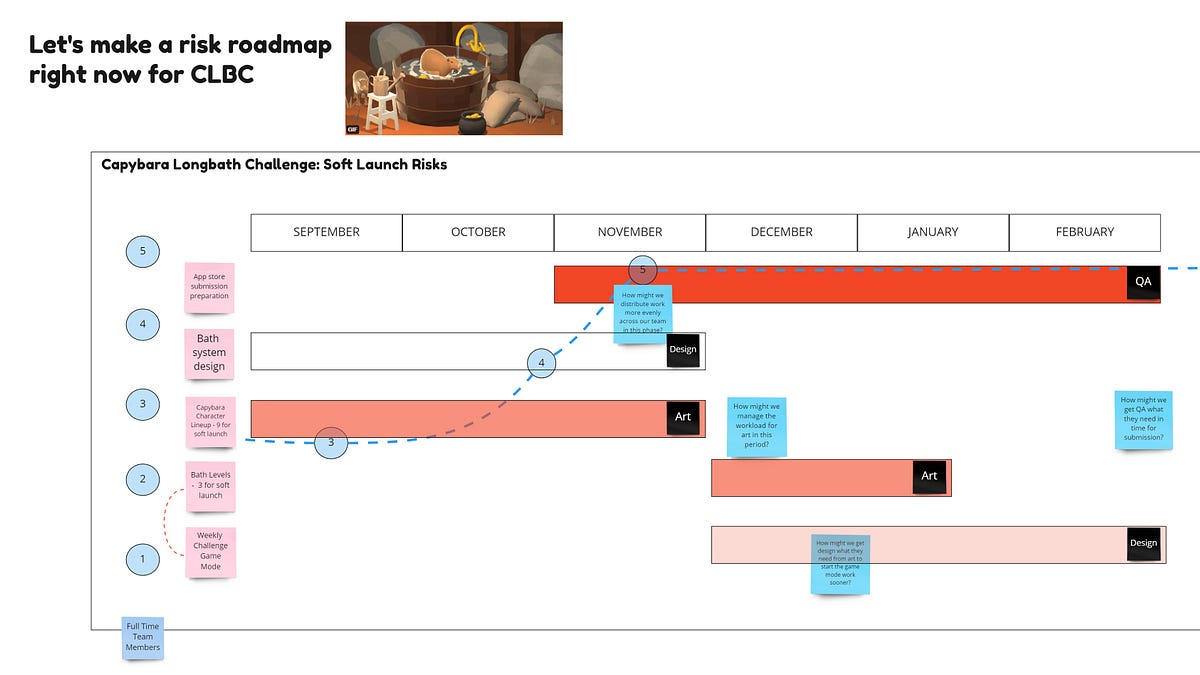
Risk roadmapping serves as a strategic framework for game development teams to identify, visualize, and mitigate project threats. By integrating high-level project planning with a systematic assessment of unknowns, the process aims to align team members and stakeholders on critical priorities. The primary thesis is that visualizing risk clusters allows leadership to move beyond reactive problem-solving toward proactive mitigation, ultimately reducing uncertainty as a project progresses toward completion.
The methodology involves a structured, collaborative workflow: building a backlog of epics, estimating effort through techniques like T-shirt sizing, and mapping these items against project constraints such as resourcing and milestone dates. Teams then conduct a risk assessment—ideally involving discipline leads—to categorize and stack-rank threats. By color-coding these risks on a timeline, developers can identify patterns or clusters, which serve as focal points for mitigation discussions. These discussions utilize "How Might We" statements to foster collaborative solutions, which are then reviewed at a regular, recommended cadence of no more than once per fortnight.
This approach is designed to be highly flexible, accommodating various team sizes and project complexities. It functions effectively whether implemented via simple physical tools like whiteboards or through digital project management software. By focusing on the most severe risk clusters, teams can refine their development trajectory, transforming ambiguous challenges into manageable tasks. This framework is intended for use by anyone in a leadership role, providing a scalable solution for navigating the inherent uncertainties of the game development lifecycle.
Poki · 2026
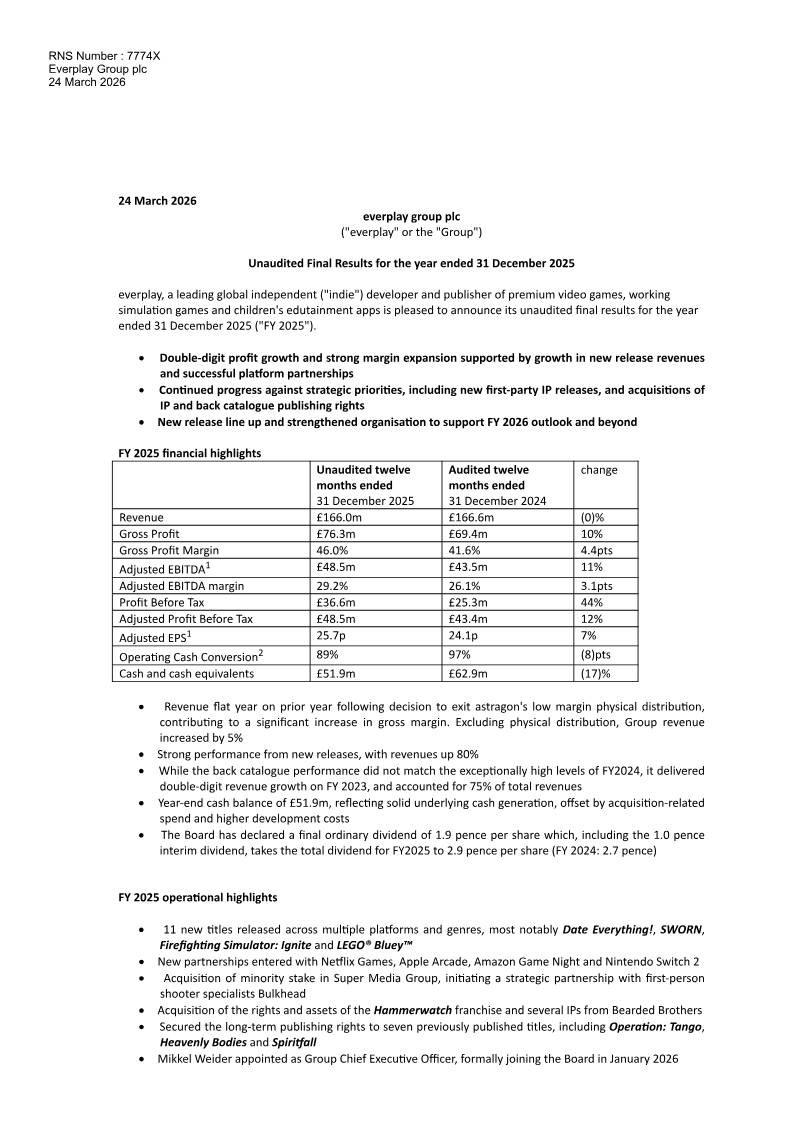
Everplay Group · 2026
Take-Two Interactive · 2026
Unity · 2026
Poki · 2026
InvestGame · 2025
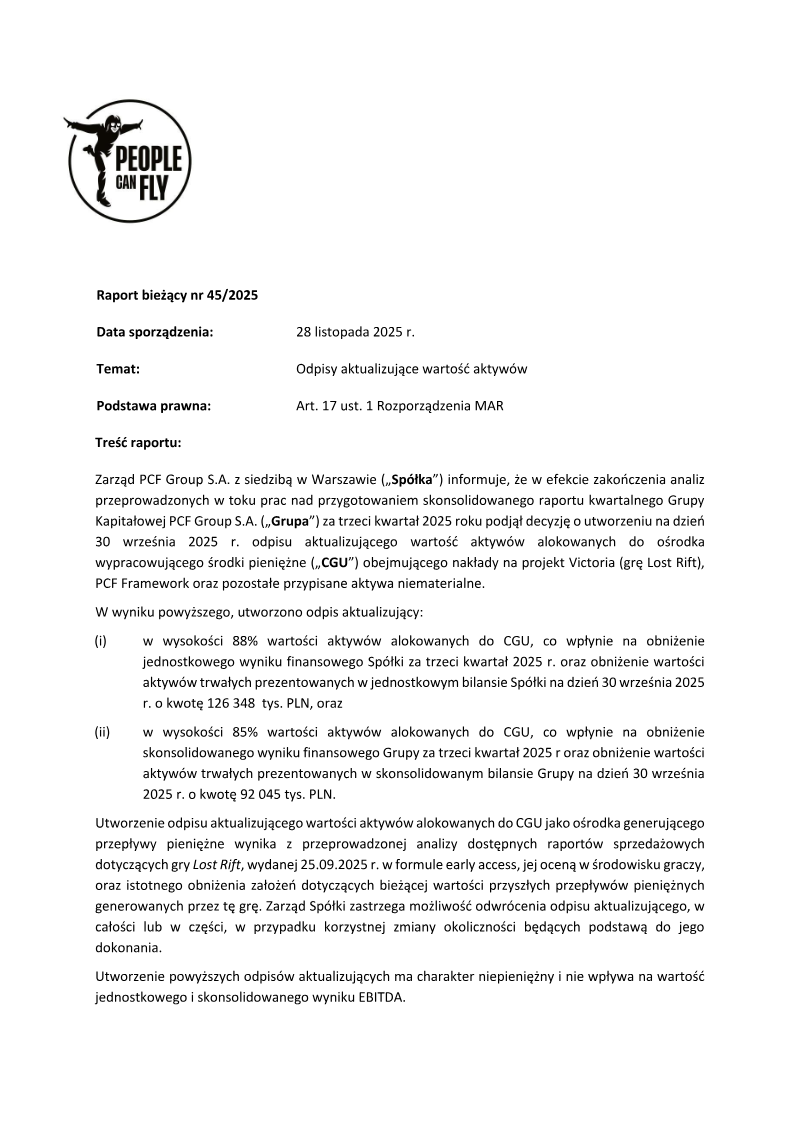
PCF Group · 2025

Metaplay · 2025
Konvoy · 2025

Google Cloud · 2025

VG Insights · 2025

KOCCA – Korea Creative Content Agency · 2025