ArticleThe Working Lunch
Iterations on Game Dev Meetings to Nurture Neurodiversity
20 Jul 20211 pages~12 min full read
The primary objective of this analysis is to provide game producers with actionable strategies to optimize meeting structures for neurodiverse teams. By shifting the focus from traditional office norms to inclusive practices, the content argues that more accessible meeting environments lead to higher team engagement, better information retention, and improved decision-making. The guidance is intended for creative leadership and production staff within the game development industry, drawing on anecdotal evidence and professional experience rather than formal scientific study.
Key recommendations emphasize intentionality and flexibility. Producers are encouraged to evaluate whether a meeting is necessary, utilize asynchronous communication for information sharing, and provide agendas at least two days in advance to accommodate those who struggle with on-the-spot decision-making. Furthermore, the text advocates for establishing clear behavioral expectations, such as allowing movement, camera-off participation, and the use of sensory objects. It also suggests implementing structural changes like rotating note-taker roles, scheduling mandatory breaks, and color-coding visual aids to assist with information processing and context-switching.
The scope of these practices is focused on the daily operations of game production teams, specifically targeting the management of meetings to foster a more inclusive culture. By establishing emotional shorthand and dedicated focus time, the approach aims to reduce the cognitive load on team members, thereby allowing them to contribute more effectively. Ultimately, the findings suggest that by normalizing diverse working styles and communication preferences, production teams can harness the unique strengths of neurodiverse talent while maintaining project momentum and clarity.
International Game Developers’ Association · 2023
GDC · 2022
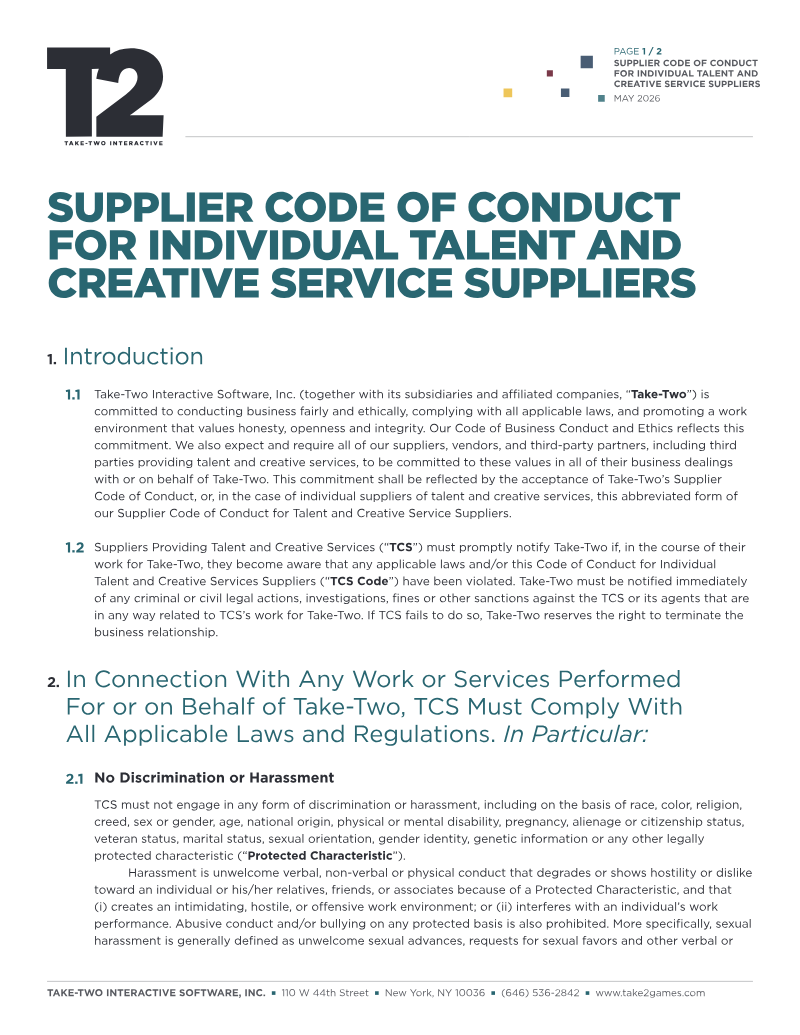
Take-Two Interactive
Poki · 2026
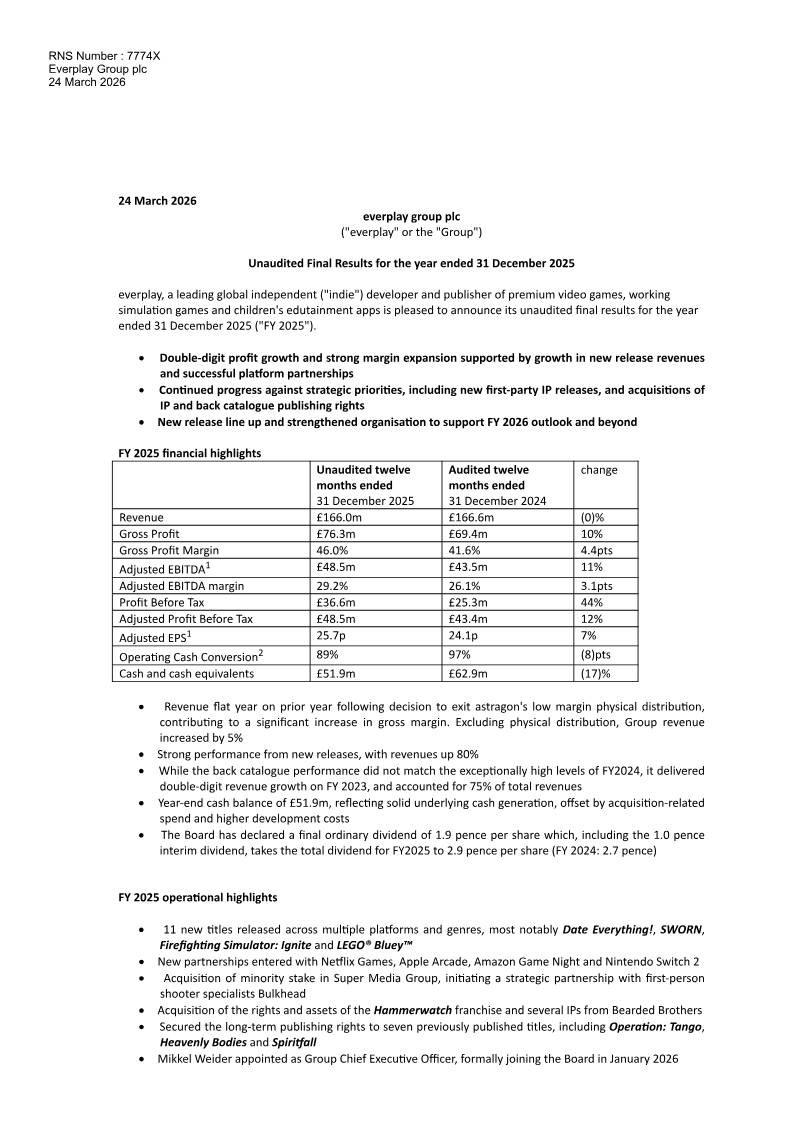
Everplay Group · 2026
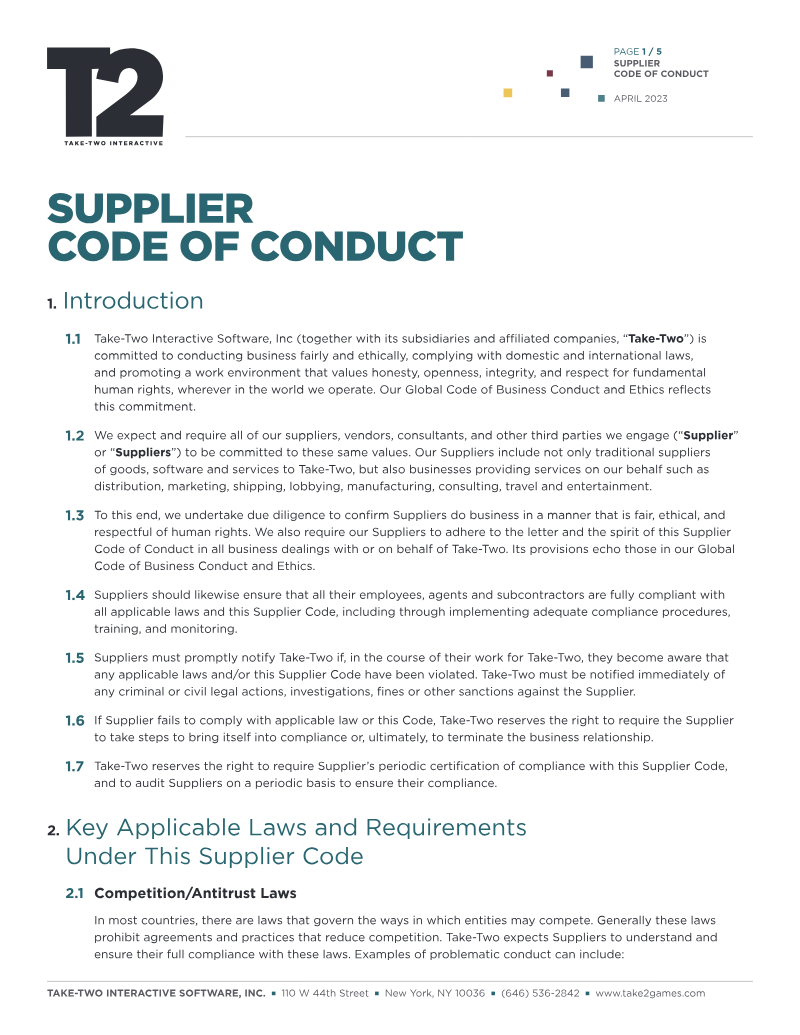
Take-Two Interactive · 2026
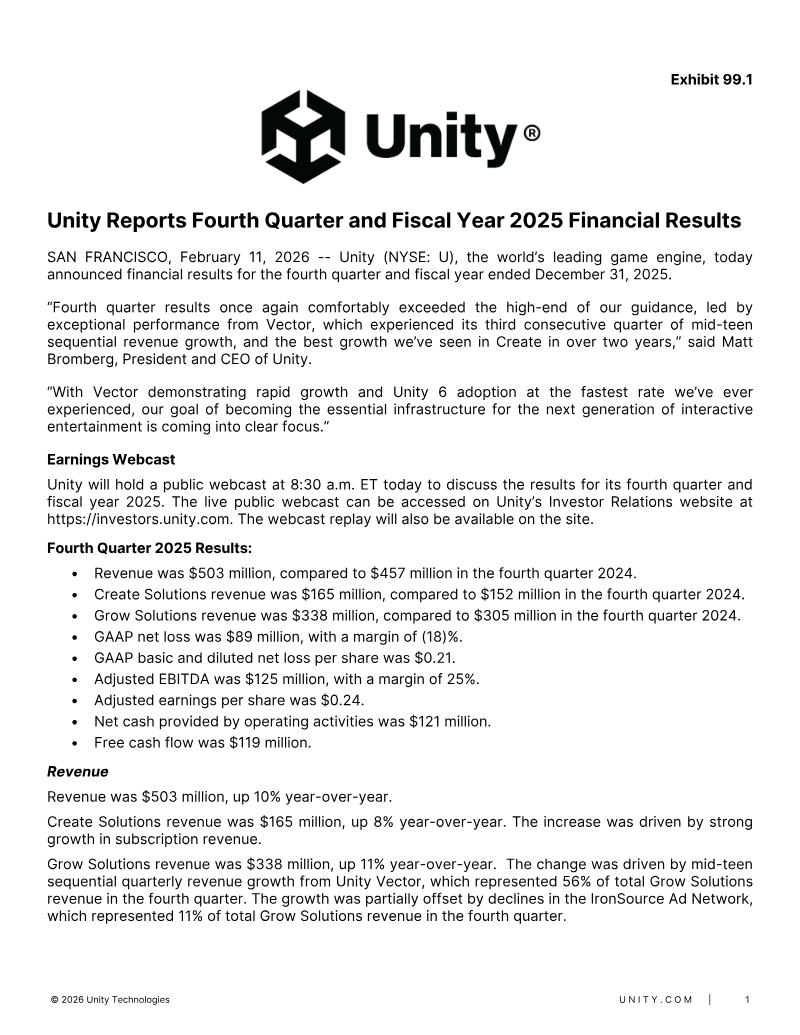
Unity · 2026
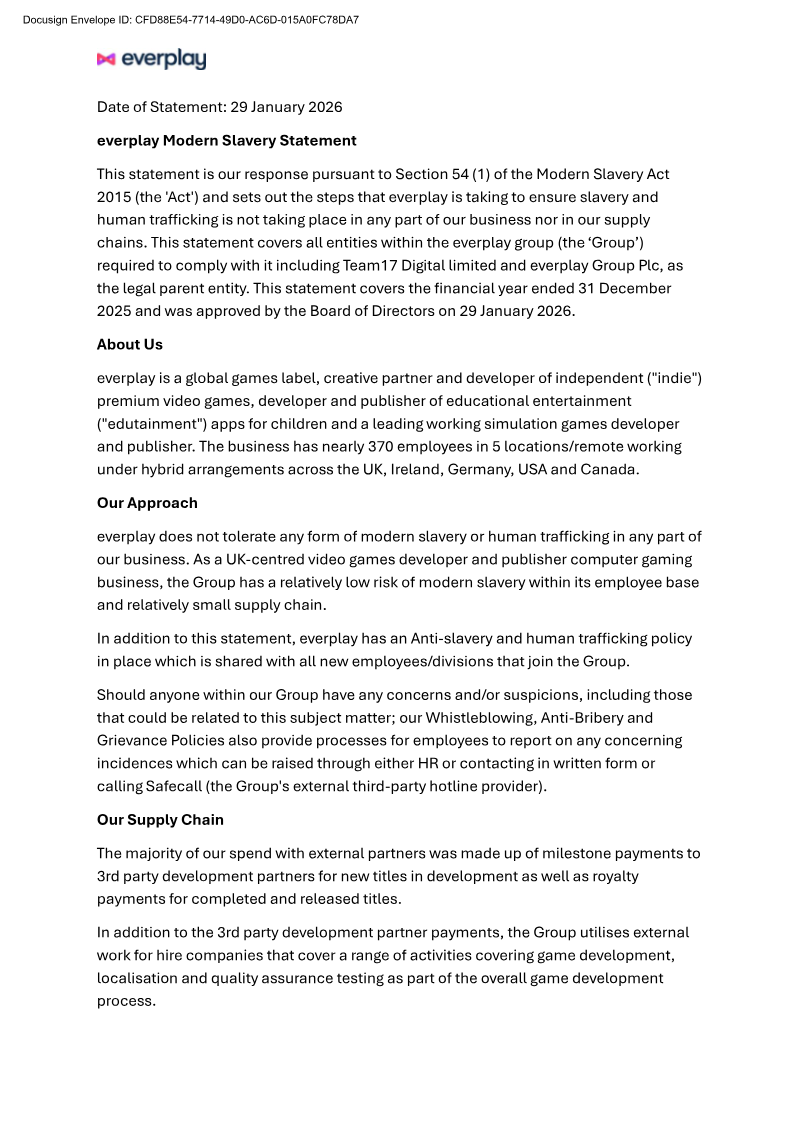
Everplay · 2026
Poki · 2026
InvestGame · 2025
PCF Group · 2025
Take-Two Interactive · 2025