ArticleThe Working Lunch
How Producers Can Make Games More Accessible
8 Oct 20211 pages~10 min full read
Game producers play a critical role in fostering inclusive development environments by prioritizing accessibility throughout the production lifecycle. The primary thesis is that accessibility is not merely a collection of settings, but a fundamental design philosophy that should be integrated early to minimize costs and maximize player reach. By reframing accessibility as a set of flexible player options rather than a burdensome technical requirement, producers can effectively advocate for more inclusive game mechanics.
Key insights emphasize that accessibility features extend beyond standard options like subtitles or colorblind modes; they include any design choice that removes barriers for players, such as intuitive UI elements or adjustable audio controls. Integrating these considerations during pre-production is identified as the most impactful strategy, as it allows teams to account for necessary design adjustments without the high costs associated with retroactive implementation. The guidance suggests appointing an internal "accessibility champion" to ensure these needs remain a consistent part of the iterative development process.
Addressing common industry misconceptions, the analysis notes that approximately 15% of the global population experiences some form of disability, representing a significant audience that benefits from inclusive design. Even when full implementation is not feasible, partial solutions are encouraged over total inaction. For indie teams with limited budgets, the text highlights the availability of free, high-quality resources and design patterns from organizations like AbleGamers and various industry conferences. Ultimately, the goal is to shift the development mindset from viewing accessibility as a constraint on creative vision to recognizing it as a vital component of delivering a high-quality, player-centric experience.
Room 8 Group · 2024
International Game Developers’ Association · 2023
GDC · 2022

GameAnalytics

East Side Games
Take-Two Interactive
Poki · 2026
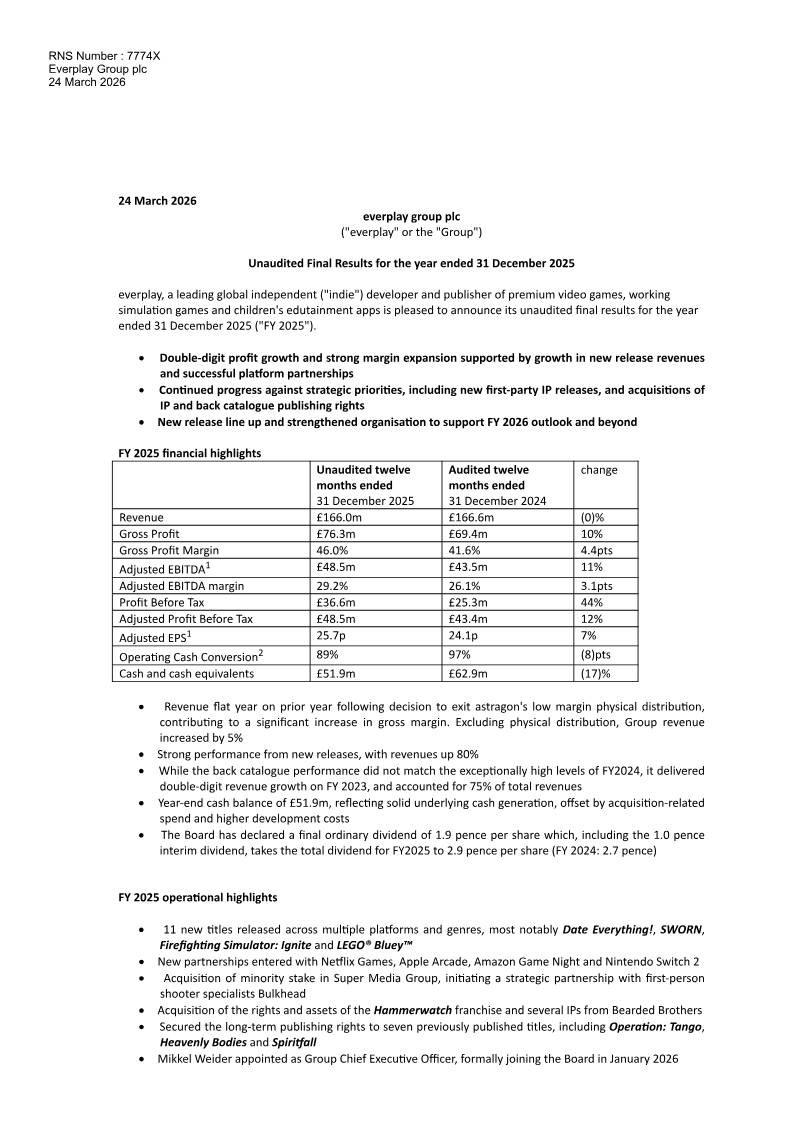
Everplay Group · 2026
BITKRAFT Ventures · 2026
Take-Two Interactive · 2026
Unity · 2026
Everplay · 2026