
The analysis demonstrates that artificial intelligence is rapidly transforming journalism from a peripheral support function to an integral component of the newsroom workflow. Economic pressures and advances in large language models, such as GPT‑4.5, have driven many smaller publishers and international media groups to adopt AI‑driven content pipelines for research, fact‑checking, and even full article drafting. While legacy outlets remain cautious due to workflow inertia and trust concerns, the trend toward routine AI use is clear across a broad geographic spectrum that includes European, Nordic, and global media houses.
Key findings emphasize that technical capability is no longer the limiting factor; instead, ethical use and accountability shape the industry’s trajectory. Trust hinges on auditable policies that provide clear traceability of AI tools, human oversight, and compliance with regulatory frameworks like the EU Transparency Act. Responsible deployment can enhance verification standards but must guard against homogenizing editorial voice and spreading misinformation through unverified content.
The most significant value of AI lies in high‑volume information processing—classifying, ranking, summarizing, and fact‑checking thousands of sources in minutes. Platforms such as Velora illustrate how automation can handle repetitive tasks (CMS field population, SEO tagging, social media asset creation) while preserving editorial control through iterative drafting and human review. This frees journalists to concentrate on investigative and original reporting, provided that source curation remains user‑defined and continuous feedback loops are maintained.
Overall, the evidence points to a future where AI is not merely an adjunct but a core production tool, contingent on robust governance and ethical frameworks that balance efficiency with journalistic integrity.

Mobile Dev Memo · 2026

Mobile Dev Memo · 2026

Mobile Dev Memo · 2026

Mobile Dev Memo · 2026

Mobile Dev Memo · 2026
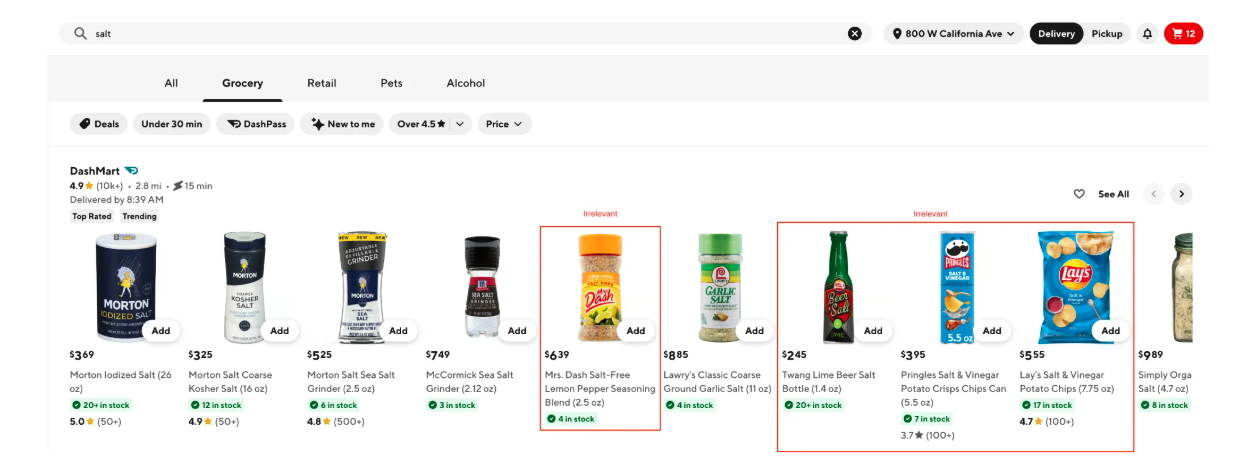
Mobile Dev Memo · 2026

Mobile Dev Memo · 2026

Mobile Dev Memo · 2026

Mobile Dev Memo · 2026

Mobile Dev Memo · 2026

Mobile Dev Memo · 2026
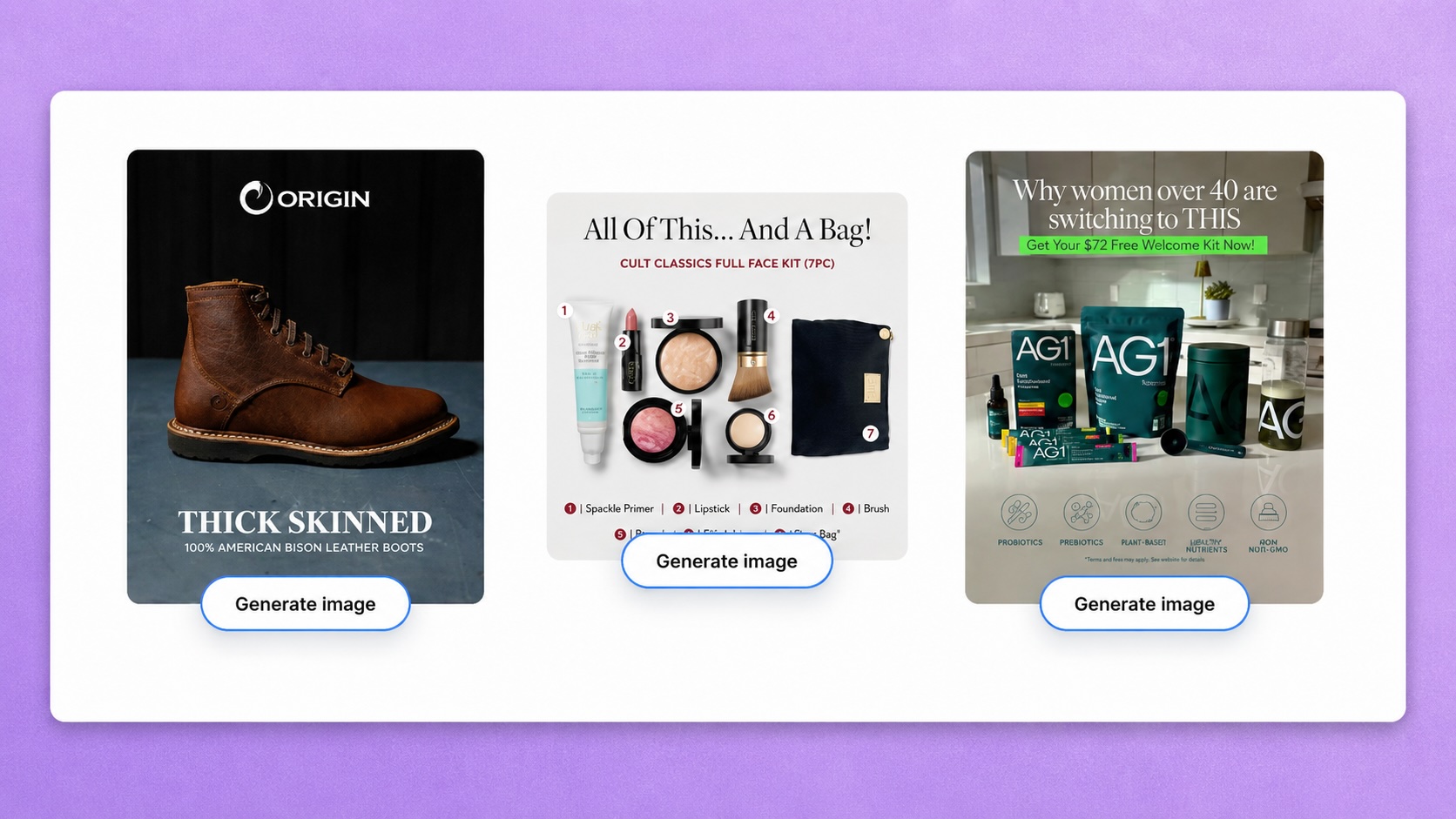
Mobile Dev Memo · 2026
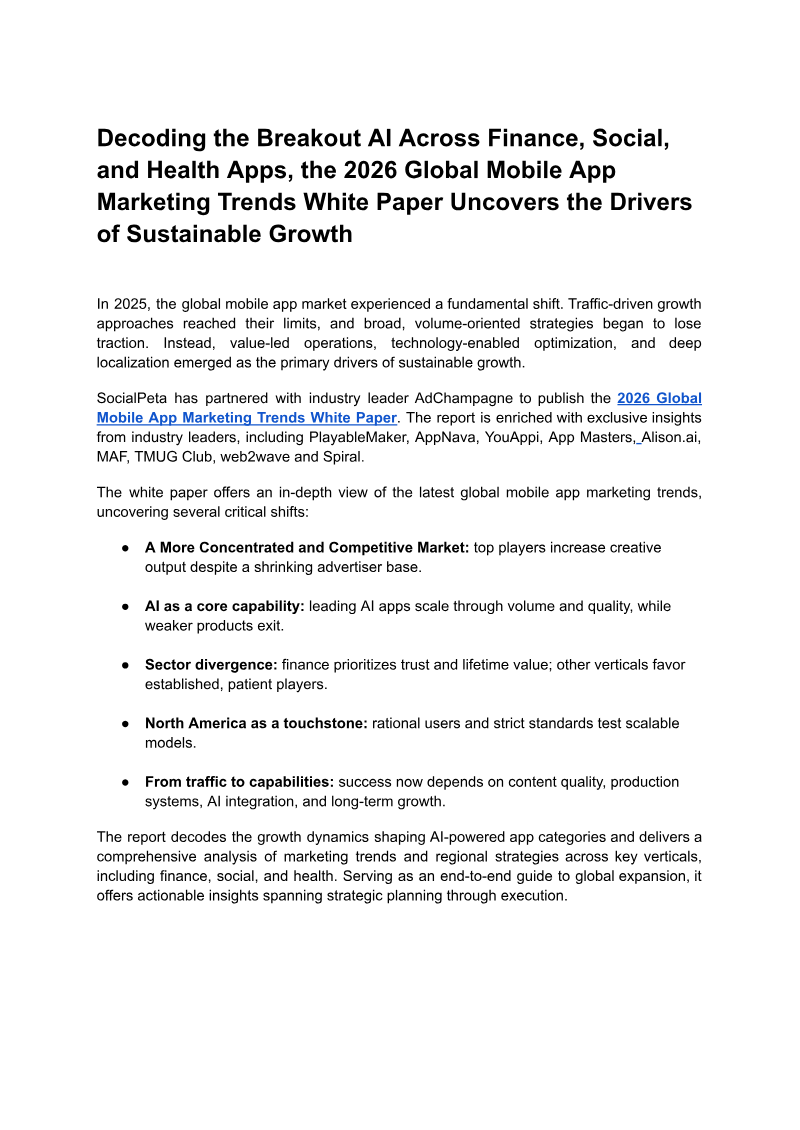
SocialPeta · 2026

Raptive · 2026

Moloco · 2026

SocialPeta · 2026

SocialPeta · 2025

Sensor Tower · 2025

GEEIQ · 2026

Gamesight · 2026

SocialPeta · 2026

Anzu · 2026

SocialPeta · 2026
InvestGame · 2026