1 free read left. Create a free account for unlimited reading + AI research.
Create free accountWhitepaper DiGRA
1 free read left. Create a free account for unlimited reading + AI research.
Create free accountWhitepaperDiGRA
Documentaries, concept art and audio commentaries are now an integral part of how games are played. The paper treats this material as a curated, celebratory account of development, never a neutral one.
Glas's "Paratextual Play" examines making-of material for digital games, including behind-the-scenes documentaries, concept art, and audio commentaries, and argues that such material has moved from peripheral marketing extra to an integral component of the play experience. Drawing on Genette's paratext theory and Consalvo's concept of gaming capital, the paper contends that engaging with this material positions players as both knowledgeable insiders and skilled gamers, which calls for a rethinking of how such content is studied. It traces the lineage of these extras from early print magazines and 1990s special editions, such as the Rise of the Robots Director's Cut, which bundled development content with games while still framing it promotionally.
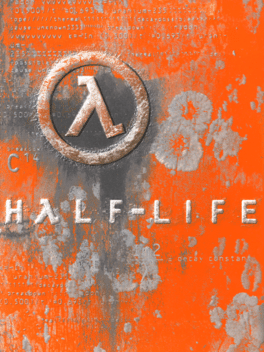
The analysis treats making-of material as a curated, celebratory account of development that shapes how fans understand both games and their production, and it is never neutral. Examples such as Star Wars: Episode I – Battle for Naboo, where material was hidden behind cheat codes, Valve's in-game commentary nodes in Half-Life 2: Lost Coast, and Rare Replay's locked "Rare Revealed" section illustrate how game paratexts are woven into gameplay, with access tied to playing and succeeding. This stands in contrast to film DVD extras, which are typically reached through menus, and the paper argues that these design choices direct both player attention and play itself.
The study further examines how achievement systems such as Xbox Gamerscore and PlayStation Trophies, along with medal points and in-game currency, gate content like the "Tech Dive" video in Uncharted 2, which costs $120,000 in-game to unlock. These mechanisms make bonus material visible yet conditional, turning its collection into a goal in itself that signals gaming capital. The resulting "paratextual play" blurs the boundary between marketing and creativity, casting players as both insiders to the creative process and recognized experts within game culture.
DiGRA · 2022
Jason Schreier · 2026