
ReportNewzoo
Newzoo Hypercasual Mobile Game Genre Report: Eastern vs Western Markets
202528 pages~19 min full read
Hypercasual mobile games represent a significant and evolving segment of the global gaming industry, accounting for 36 of the top 100 downloaded mobile games in 2021. While the genre is characterized by simple mechanics and high accessibility, it has faced increasing competition, leading to a shift toward hybrid-casual models. These newer titles incorporate meta-features and live operations to improve player retention, which typically falls below 10% by the seventh day for standard hypercasual titles.
The market demonstrates distinct regional variations, with hypercasual games enjoying significantly higher popularity in Western markets like the United States and United Kingdom compared to Japan and South Korea. In 2021, runner and racing subgenres overtook simulation and puzzle titles as the most downloaded categories. Demographically, hypercasual players across key markets skew male, are often full-time employees with mid-to-high incomes, and are younger than the average mobile gamer.
Monetization remains primarily driven by in-game advertising, with interstitial video identified as the most adopted format, followed by rewarded videos and banner ads. However, hybrid monetization is rising, with developers increasingly offering in-app purchases for ad removal or exclusive content. Data from 2021 indicates that the hypercasual sector is highly dynamic; only eight of the top 36 hypercasual titles from 2020 remained in the top rankings the following year. To maintain growth, publishers are leveraging broad targeting strategies that are less affected by privacy changes like IDFA and are utilizing sophisticated retention optimization tools to acquire loyal users.

Newzoo · 2026

Newzoo · 2026
Newzoo · 2026

Deconstructor of Fun · 2026

Newzoo · 2026

Newzoo · 2026
Newzoo · 2026
Newzoo · 2026

Newzoo · 2026

Newzoo · 2026
Newzoo · 2025
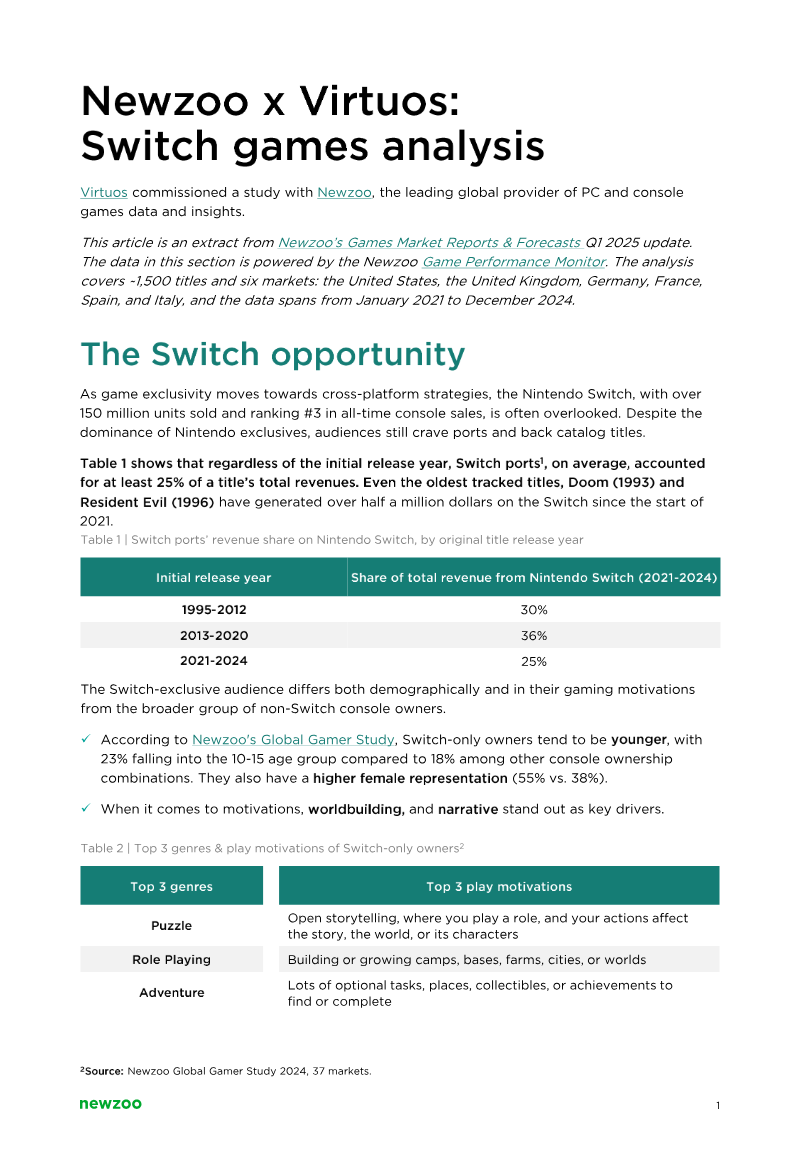
Newzoo · 2025

Pangle · 2025

Niko Partners · 2026

Anzu · 2026
Stream Hatchet · 2025

Video Games Europe · 2025

Newzoo · 2025
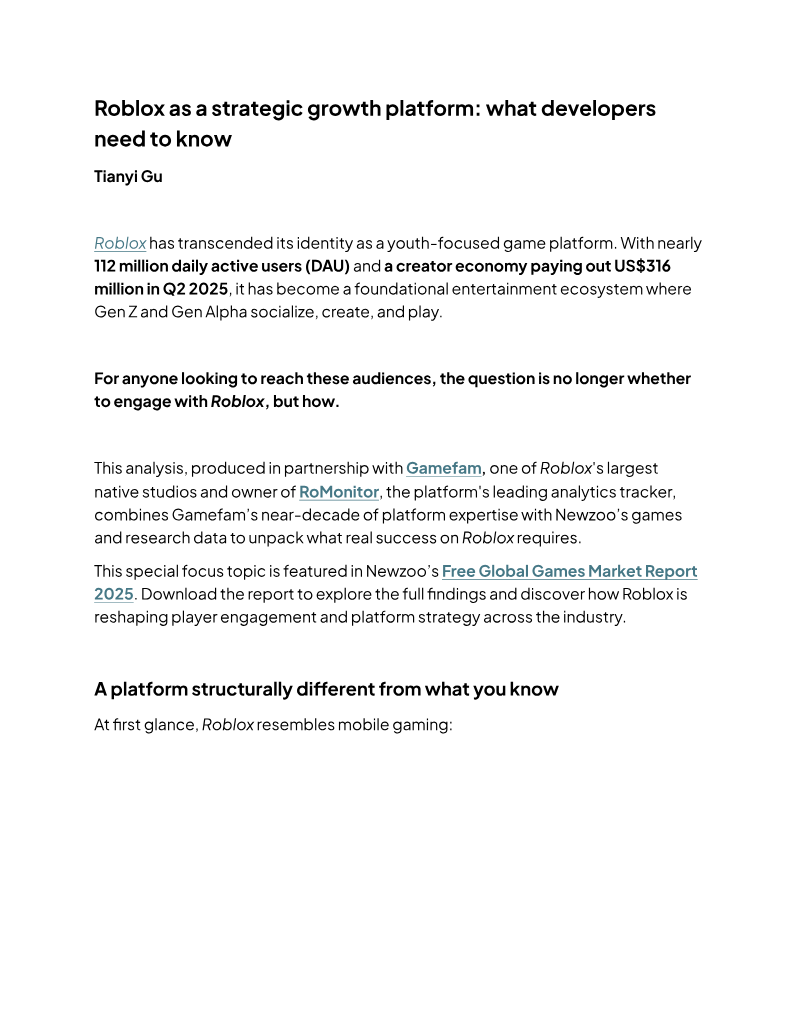
Newzoo · 2025

Newzoo · 2025

AppFigures · 2025

MiDiA Research · 2025

Epyllion · 2025

Ampere Analysis · 2025