1 free read left. Create a free account for unlimited reading + AI research.
Create free account
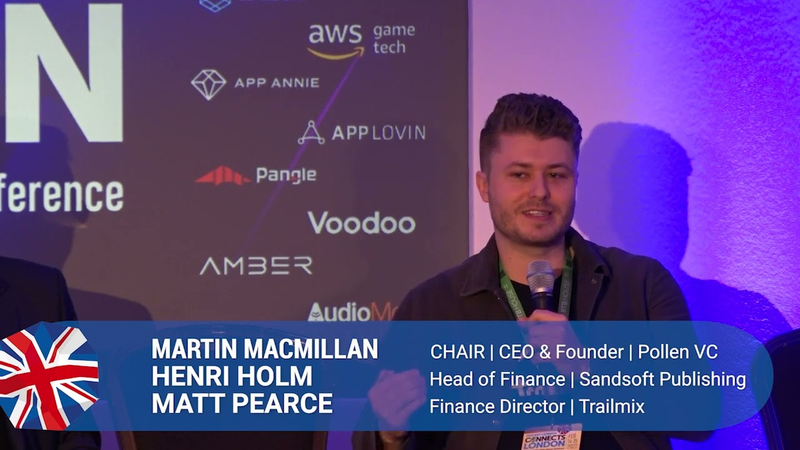
Panel: CFO Confidential: Best Practice Tips & Tricks
Key insights
6 takeaways- 01Companies should transition from informal financial management to a dedicated, full-time finance leader as they approach Series A funding to manage increasing complexity in cap tables and investor relations.
- 02The integration of experimental revenue models like blockchain and digital assets requires rigorous financial oversight to navigate significant regulatory and tax complexities without compromising long-term stability.
- 03Finance must be treated as a core strategic pillar for long-term growth and resource allocation rather than a purely transactional or accounting function.
- 04Operational efficiency is best achieved by dismantling silos and adopting a game-centric structure where finance, user acquisition, and product teams are aligned around specific titles.
- 05Founders must maintain financial discipline by carefully managing cap tables to avoid over-dilution while utilizing cash-based incentives to drive performance.
- 06When recruiting finance leadership, prioritize candidates with specialized experience in gaming business models and user acquisition, utilizing industry-specific networks over generalist recruiters.
Ask AI about this video
Transcript
[Music] [Music] coming up for um a panel um which is all about the best practice tips and tricks tips and tricks um so we're going to have martin mcmillan back from our wonderful sponsors pollen vc we're also going to have matt pierce from trail mix and henry home from sandsoft publishing if you could tweet and share you'll you know take pictures of the screens tweet out to everybody using at pgconnect or hashtag pg connects that would be great um there are a lot of people watching as well which i'm sort of conscious of so hello to all of the audience that haven't been able to make it here today
and i'm just going to hand over now to martin who's going to moderate the panel thanks very much uh cool thanks jackie um so i'm really pleased we've got um got two excellent guys up here with very interesting and varied experience the whole idea of kind of curating this was to was to talk about experiences from you know different sizes of companies and so on and to try and distill some sort of best practice so to go through some um some some things around what everyone's done uh and then to hopefully be able to have some takeaway nuggets um that are useful to think about your own business as your as you're planning the the financials and so on so um i'm going to let uh henry and matt introduce themselves that's okay good afternoon everyone or is it still midday my name is henry hall i'm from sandsoft games from saudi arabia from the heart of riyadh where we make games we invest to studios setting up studios we invest to
making a name for ourselves in terms of you know a publishing company but also we you know work on external parties to build magnificent games for very wide audience thank you thank you henry hello my name is matt i am the fd at trail mix games we are a mobile developer based right here in london um i have been in finance in mobile gaming for the past seven years now the last year of which was at trail mix and uh we launched our first game back in september of last year which was very exciting we are now focusing on scaling up the team to to follow the growth in the game that's me um cool so let's let's kick off with um with a question of where when in the studio's life cycle should they appoint a finance lead or cfo someone in charge
of the of the of the purse strings is there is there a sort of like a right or wrong time from our tie from our personal experience we see people often you know make these appointments way later than any any sort of like a you know like a normal offline business that was making 10 million bucks a year or whatever so i don't know any any thoughts on that if there's optimal timing yeah if i may start from every profiling the cfo role really you know so you can start getting the the financial acumen in very early stage into your company you don't really need the cfo you don't even need a part-time cfo the time when you need the cfo is that when you start really managing your assets that could be your game your brand your relationships you know building the company culture into the company that you can start to leverage with the external world you know the game is always a centerpiece there and uh you know once you get that role fulfilled it is supporting the whole team the you know gaming you know ecosystem around that game not just you know a title on that you know a
reporting line to a ceo yeah i'd echo a lot of uh henry's sentiment there as well i think earlier is definitely better than than later um i'd probably hesitate in saying there's a there's a definitive moment for that you can say for any company that's the point at which you should hire a cfo um it really depends on the stage you're at and your kind of goals and how aggressively you want to pursue those goals in the in the short to medium term um what i would also say is if you if you're seriously considering hiring a cfo you need someone a finance shaped person in-house full stop um again what that that translates to whether that's a seasoned cfo with x number of years experience or a senior finance manager for example or even a ceo with finance background again really depends on the company stage you're at um so yeah it depends entirely unhelpful but hopefully yeah i would have built on a little bit
on that one so when you go for your first financing rounds you know you go on on your seed round you know you don't necessarily need that role per se you know you need of course the expertise you know to show that you understand you know the scalability of your business and business model and your game come to the point that you know you are starting to you know chase for your a round and going towards a big round it's really good idea to have that role established it will have a lot to do with your you know further success uh in terms of managing your cap table you know making sure that you know not only your investors are happy in the end of the day and your ex-employees but you know everybody who's actually contributing to the success of the company right so it's not it's it's managing a wider pool of assets it's not just the numbers there's a whole brand everything else comes into it and and obviously the relationship with the investors and so as well and in terms of then um excuse me so in terms of you know when we talked a bit about you know hiring what qualities to look for full-time part-time any any thoughts on
so i'm thinking when you get to the stage okay this is this is now you know a thing do you do you go into it with uh you know someone who's managing maybe the finances of three or four or five different gaming companies who might be able to share experiences or is there an inflection point where you say no this just needs to be a full-time role with someone focused on us we see and we see we see people doing both so i don't know if you've got guys got anything uh yeah maybe i can jump in here i think so i would lean towards full-time again it depends on the on the stage of company you're at i think part-time um has its has its benefits you know especially if you're an earlier stage company you can save costs there definitely um if you are at a certain point of time as we spoke to before around series a series b you probably need someone full time to take that pressure off of uh you the ceo or your management team and really unlock their their time to be better spent on on other things
i'd also say part-time kind of with the right person can work really really well the challenges are probably are they working only for you the gaming space is obviously highly competitive are they working for other startups at a similar stage with maybe a similar product that's maybe not something you wanna you wanna venture town so yeah yeah i would say that you know i'm not a big big fan of a part-time cfo because it is such a wide role and you are literally building with the leadership team the company so if you would go that route you would literally be filling a you know organizational chart and a box with a name that would be there for let's say one day a week you know on your company that could help you in a fundraising stage but i would recommend really looking into more you know a longer-term sustainable you know method of engaging that person early entrepreneurial spirit
willing to take you know equity stake maybe you know cut on a paycheck and start building the company together with the leadership team and the co-founding team and presumably investors like as well when there's someone with a with a finance leader or cfo with their their hand on on the rudder um and well i mean there's pre-financing around where you may have a name in a box and then you've got the post-financing round where the money's in the bank and you want some it's under the stewardship of uh of someone on more of a full-time basis absolutely i mean if you really think about it now you know we in this conference we talk a lot about you know more you know not only mobile gaming but mobile gaming and then getting into the space of you know digital asset ownership you know blockchain itself you know represents us something that could be seen as an absolutely amazing opportunity right now but it is a risk management at the same time so you need to really understand the compliance you need to be able to be as a company to see you know where is this avenue that you're taking uh bringing you as well as you know how
much you know compliance and um you know regulatory environment you know challenges you may face you know going forward that is also a risk management from a publishing point of view that which are the channels that you are now you know well presented as a game and if something happens how would you mitigate that as up you know at the distribution point would you go for your own site you know android apk downloads of the files or what is it you know it's for me it's a resource management question and it is a very close to the financial matters here um so is there such thing as a typical day how do you uh it doesn't sound like it's like a formulaic uh type of thing but maybe i don't know you can distill your thoughts into what a typical day could look like sure um i guess short answer is at least for me in my experience that there is no typical day which is something that i love i love that about my job i would say yeah every day is a new set of challenges and you probably at least
half of those you didn't know existed when you woke up that morning um and it and it really is a challenge to kind of flip over from the kind of analytical and logical side of your brain over to maybe the more holistic or empathetic or human side of your brain and again i think that variety comes from the stage of company that you're at and if you are at a smaller or medium-sized company a large part of my time at trail mix is is really what i would say more entrepreneurial and you're spending a lot of time dealing with things and being a really good thought partner for for your founders for the ceo um and helping them in ways that that might not be seen as core finance yeah that core finance is actually quite a good you know starting point so my typical day is is is less to do with the financial transactional activities uh we are team of less than 20 people uh finance manager takes care of you know
all accounting matters reporting matters which lives in a lot of room to play with the rest of you know the team play in sense that you know that we are building the company from ground up in terms of you know brand what we stand for you know what are the games that we actually involving what are the plans we put in place and you know when you are building putting this you know a team around you know a game or game plan you know there's a lot what the finance person can also bring into the table in terms of not only you know the excel season you know user acquisition plans and you know anything you know related to the numbers but also you know what is actually the financial model the business model for the for the game itself how do you manage these assets how do you bring external parties into the picture how can you build you know teams which are very game-centric and these game-centric teams will be you know resourceful enough not only to build the game but also start to scale the game and this user acquisition you know and money pool is is really important part of it of the you know typical day
so so that kind of brings me onto something else than around around how to structure teams there's a sort of organizational um design um parsley and again look we see lots of different um studios some do a really really good job of working together and then some do a really poor job of being totally siloed in their thinking so one hand you typically have you know finance guys setting budgets sitting on a different floor maybe to user acquisition guys who are kpi'd on just getting the high value users and then monetization team over here which are just tasked with you know maximizing ad yields or whatever it may be and the so we see like we see massive differences in in terms of how people think about the structure where things should sit and why so i don't know maybe you can talk to to to that um imagine sure yeah so i think um in in my experience in gaming i think a lot of the companies i've worked with
have tried really hard to kind of break down those kind of corporate structure kind of barriers um kova's done a really good job of taking that away from a lot of companies and and being co-located um is an issue right um where you can bring people together and specifically um i guess in our context of of finance is if you can co-locate and have regular catch-ups in person if possible between your finance team your ua team your your data or your analytics team um as well as either your liveops or your product team um the better the more context you have for um i want to say most decisions but really it's all decisions that you would would make as a cfo um so yeah to your point uh the more context you can get from from those people whether that's a daily catch up whether you're co-located like i said um the better yeah okay so i want to build on this one then um so we are in a team of 20 you know
most of us are in riyadh but you know people are also in remote locations so the best way to organize yourself is around the game you know number of games each one of the games will have its you know game the you know the mini ceo the owner of that you know the product manager or the game manager and then the rest of us we can you know gather around the game servicing the needs of the game each of the games will have different needs they are in a different sign life cycle stage you know some are you know going from a soft launch to hard launch which means you know that you know the needs are quite different that when we are just testing with a 25 000 you know initial you know data gathering gathering for for you know user acquisition you know data so um it's it's really wonderful that you know you see the the gaming up you know in the centerpiece and then everybody else gets to contribute to that you know it's a systematic plan how you bring it to the marketplace you scale you know there are also then your kpis your measurements you have also you know your financial requirements needs budgets are
in place and they are just draw down for you know for the project you know to go forward but to make it all about the game game centric it's very game centric indeed yeah then we didn't read talk about this before but how have you you know how do you think about it so as things are returning to whatever the new normal is in terms of i guess what sort of lessons can you learn from when everyone was fully remote to i guess as a sort of a like a you know a hybrid hybrid approach matt you said you were quite a keen proponent of doing things in in person i mean to what extent is that possible for you guys or you sort of you know trying to make it a reality yeah it's a really good question um and and one that's still evolving right like nobody has has the long-term answers yet everything's still iterating um we at trail mix are um are on a hybrid approach um we are trying to be in three days per week um and co-located for those days in central london um obviously that there has been a host of benefits that have kind of
come out of the last two years working remotely has has a lot of pros behind it you can get a lot done you can you can um schedule your week in in a really efficient way you can have meetings and you can get the social from the co-located days and you can get your kind of focused time done done from home um and then in terms of bringing it back to like the game team um or like kind of servicing the team as one what what we're trying to think about when it comes to that is um we've been trying to shy away from a game team versus support team kind of mindset instead of instead talking about it as in we're all one team i think that really helps to kind of make interactions between disciplines or departments a lot more fluid a lot more natural yeah i like i like that approach a lot so we we work on on you know on-site uh those who are based in riyadh daily basis but then because so many other people are actually remote
so it is you know a combination of the two uh we we meet uh on quarterly basis as a team that is good way you know to connect and make sure that you know we are you know doing the same thing on the same page yet same time i personally feel that the remote way of working with a good plan is extremely productive you know because you can actually start to execute you know the plan and you start to see what works in the plan and is everybody putting you know their best effort to get that plan working whereas you know if you are in the you know office environment uh you may you know see results quite differently you know socially it's maybe more you know you know rewarding maybe it's more you know creatively rewarding but when you are really in the execution mode you should definitely consider that you know remote work is an excellent way of you know getting things done like that's a remote with a quarterly off site which is probably something people going to look forward to absolutely of course yeah yeah very cool um so in terms of like let's think turn it around a little bit and think about
um investors one thing again we see we get asked you know what what should i be telling my investors in terms of okay you've banked the money you're executing it hopefully it's going well how can you how do you think about investor reporting where you're getting the right information the right quality of information across in a way that's kind of consistent with the expectation what expectations should you set up front if you want to you know don't get over your skis in it yeah um i i guess i i would i would i like to think of it as it's it's reporting is one part of it um investors are hopefully uh your friends and hopefully your success is is their success um and to your to your point martin i think you can agree up front what that what that reporting look looks like when it happens um uh the kind of standard of reporting that they get and you should really aim for two things number one being transparency and number two being trust over time so if you can make that reporting
consistent um month or month quarter and quarter year on year whatever it ends up being i think that really helps you build up that relationship throughout the kind of cycle of your company together and that kind of induces what it should be with that relationship which is a two-way conversation right reporting goes uh primarily in one direction from the company to the investors but you should aim for advice and information flowing back in the other direction too especially obviously if they're on your board yeah i like to approach it in a way that i i want to understand my investors investment thesis and impact you know what are they looking for how do i connect with them you know where does the money come from what it's supposed to be doing and am i then reporting and bringing the investor partner to the same journey with me you know if i do have a brand you know that i can bring the investor you know as part of then in terms of brand in terms of you know either the game title you know sexes of it you know the user base or maybe even better you know the studio or
the publisher brand easier that journey will be there will be often situations where you're going to be depending on that same investment uh partner again that you know some of your plans won't work so you know closer you are of course you know and and better you know describe the journey with that trust and transparency of course you know you know easier it is for both parties then you know sharing your excitement i think that's really important you know giving access to insight you know so the very simple things that you know if you're getting a daily reports into a slack channel it's not a bad idea to give you know same access to some of your key investors because they might be interested about it there might be some insight that you know builds into their total portfolio of investments and it supports their thesis right so so share some of that sort of on-the-ground access um to them so they can see the flow of you know hopefully you know good comments coming back or reviews or ratings or well i would not go over that maybe that rude i would go more on you know from from the data analytics and
and then data you know gathering to a point that you know the way how you're looking at your daily data for example as a leadership team giving some of that access not necessarily all some of that access through you know slack integration is a very efficient way of having the daily communication without having those daily you know whatsapps or calls or slack messages from your investor partner but they are aware where you're going are you you're on the track so probably just the fact that they can have access to it is enough they're not going to be probably checking it as three players that's enough yeah that's the best part of that yeah that's part of the transparency yeah yeah and i'd add to that don't be afraid to to be open and honest with them and and push back if you need to like if it does tend to be uh more requests given given uh you're giving them more information to start with then again you can be completely upfront and be like this is a lot of our time that can be better spent elsewhere so be as um as accommodating as you can be and as helpful as you can be but retain uh your focus on what you should be working on of course let's talk a little bit about
um systems and tools and so on so the i guess the sort of traditional you know mental image of a cfo someone in an office behind a massive excel sheet the whole time potentially a little bit disconnected from the rest of their business right that's obviously not the case here and in terms of i mean probably excel is uh it is still like a primary tool that that's that's used but given that given there are so many other you know systems of signals and so on throughout throughout the business whether it's user acquisition it's attribution it's monetization whatever how do you guys think about um building well best harnessing that in a way that's helping you sort of drive through the you know from the financial dashboard point of view okay so first of all i'm gonna i would really count on a lot on the external partnerships there's so so many of the great technologies partners out there i take martinio you know a presentation as
an example so if i can bring someone like you know pollen you know as part of you know our team as an extension yes it is a business relationship that we have but i can also then tap into the resources and this is part of you know this asset management or you know a resource management i can integrate part of you know the external companies in a business model as part of mine if i'm very game centric for example here i can model and more systematically with the data that i have available at the moment with the user acquisition resources call that you know that my drawdown bank account combined together with my you know my advertising you know partner and putting those things things together gives me a much stronger you know a combination of of executing the product in front of my investors my next round of negotiation will be easier and you don't necessarily have to go always the root of you know you know engagement and sentiment and everything else yes those are your you know working tools but as a cfo you still want to be you know very financially driven ultimately end of the
day you're here to make you know a great community who's enjoying your game having great fun but paying for the games profitability yeah i i completely agree um and as henry points out finding uh really good partners for your tooling a partner which really understands what you need to achieve and how you need to um what you need to do to get there is key in any tool or any piece of software um i think again depending on the stage of company that you're at i think that there's always going to be a certain amount of upfront cost both in terms of money and time of your team to put into place that infrastructure hopefully that will pay off in the long run and i think the other thing you should be doing when you're considering any piece of software is is look at it as a whole for your business and not just isolation for that one particular team [Music] using a recent example from trail mix are kind of a head of data she she did a fantastic job of bringing in not just the core users of
this um this tool or platform that we're kind of trying out and we've actually we've actually hit go on it recently um which is a kind of like a collaborative data science platform she brought together the key users which is obviously the data team but also the finance team the ua team the live ops team the product team to really test it out before we decided to hit go on it so yeah collaboration finding a great partner and making sure you understand the upfront costs of investing in that tool and that infrastructure right off the bat and building it together right so it's not just like you know the lonely finance functions got to make everything work together it's like okay now we're gonna we're gonna sit down all together and this is the goodness we design it and this is the goodness and everyone's got a different angle presumably on it but it's all fed off the same the same base is that is that the sort of the goal you're trying to achieve oh absolutely yeah i think everybody brings to the table especially when you bring people in early enough they can bring a brand new viewpoint to it and hopefully you get the best result not just for that team but the game and the product
that the company sorry in the game overall yeah you know my recent example is that you know we got a new team member on performance marketing our you know cmo and um he brings with himself you know a lot of experience of course you know but also then you know uh thinking and methodology that we can now leverage as a team that we can really challenge our you know previous ways of working you know looking at then now you know the newcomer bringing into something new in a conversation and it is a co-creation process still you know you have to really look at every game on its own right you know what's the you know the gameplay and the content the depth of it you know what's the ltv overall your examples you know going into a two-year cycle it might be a very long long cycle to think about you know when you know now testing and launching the game when the market is moving so fast take an example you know what's happening now in a blockchain gaming nft games for example okay um jackie in terms of timing we've
got so is that 10 including q a so let's maybe go for another five or so well no because i was i was going to go ask my my main my main question of these guys um which was saving best the last which is the open end is one around biggest lessons learned and things you'd wish you'd done differently or earlier who wants to go first i'm gonna go first confession time okay um one thing is that you know i look back you know so my background is that you know i spent my my cfo years in a very large multinational company i was a cfo for a china operations on the largest uh taxpayer within the country we manufactured mobile phones at that time and also invested into you know a lot into gaming and application ecosystem now crossing over there to the you know rovio at the very early stage of the company you know dreaming big and uh you
know having a very small team 28 people so to speak you know in the beginning putting that last 11 years of journey together i would say that one of the things you know and again thinking about this from a founder's point of view um it's really important to think about you know your company in a in a very brand-centric way you know in a way what do you really stand for who do you actually attract who are the people who you want to be working with who are your partners and once you put you know that so much loved game in a bit in the middle um you know where does the game want to go where you want to go with the game you know what is the competition around it then it starts to go into very very deep into the fabric of the company and there you have to really start looking into very holistically into the rewards systems how do you engage people into the journey you know how you put your you know reward matrix in place how you start to remunerate them on top of
the salary you know what are your you know you know maybe you know the cap table related you know equity stakes because you do not want to have a situation where people in a very early stage of the journey check out because if they do the rest of the team who's actually delivering the good goodness and the good stuff you know are then going to contribute to us early people because it was not thought through thoroughly uh and that is not necessarily going to be a very you know long and sustainable journey for the company so i would say that playing even a you know a cap table game that how is your cap you know cap table going to change over it you know every move you do and instead of you know using your cap table of acquiring assets for user acquisition use external other methods to do so it's the most expensive way for you to build that company that you so much love
i guess typically user acquisition is going to be like a huge thing so it's almost like there's a finite amount of cake and if you're able to increase the oversized the size of the cake by you know strategically making equity awards that people because you can pay you can pay you know bonuses bonus is cheap it's really cheap you know if your game centric operation produces significant amount of free cash flow you're not depending on any more your external partners alone and your investor partners but you can also put a structure in place that actually pays out you know bonus and rewards to the you know to the teams that are delivering those results and maybe the whole company understanding the in the role of equity is really important because you know if you don't think and plan it early enough you might be too easy to give out something that is extremely valuable not productive so bringing the partners in looking at
you know what are the assets around you and again really separating your company you know costs and performance operations from your user acquisition very important to understand that one is a variable cost that can be capitalized you know with a revolving credit you know you used the word washing up maybe not so much as a cfo i would use the word washing you know but turning the capital around efficiency it's a very different measurement of success than you know you look at you know then to the you know people side of things and you say well i want to you know remunerate you with the ownership of the company may be important but maybe more important it is that you know the cash you pay out from the business model directly as a bonus to people to pay for their mortgage maybe you know move into a bigger house that you that's the you know connection between your company and and the employees matt what's your dirty secret maybe not a dirty secret more of a
[Music] personal learning i guess big biggest lesson would be if you if you do aspire to kind of a leadership role in a financial position i think um you shouldn't be afraid to take calculated career risks at the right time for you and i think that is risk is something that that we as finance people or accountants have a difficult relationship with in general there is unfortunately no model which is going to tell you like this next move in your career is the right type right move for you and it's at the right time um i think to mitigate that um i personally feel like i've been really lucky i'm really fortunate to to have people um in my previous roles and my current role um founders um [Music] advisors uh mentors find those good people around you that you can trust and and you can confide in and and don't be afraid to ask for help at the same time and they will empower you to take those calculated
risks cool um let's move on to a bit of q a we've got about yeah four or five minutes left and so i'm just now um has anyone got any questions for um for henry and matt they'd like to like to pose so thank you so much guys for the insight maybe a quick question uh for a game publisher where is the best place to look for an experienced cfo for a relevant experience with um so where's the best place to find a experienced cfo who really understands what you're talking about as a publisher well i would go straight to the competition linkedin you know it's you know it's something that
when you've only talked about the cfo as a role you know it is still in a fiduciary duty you know it says the first person to be called out and you know receiving a phone call if things are not going well you know if your financials are not you know sound if there's a fraud within the company it's less of the commercial people who get the phone call it's usually that person so it really depends on what kind of role you're looking for and what stage your company is but if you're in a in a publishing business and you need you know your cfo for certain reasons for example that you will be able to attract maybe more capital into your company i would look you know and benchmark against my competitors directly maybe go for a second in line and you know and then start you know active uh recruiting like you i think it was your presentation when you said that uh it's important that cfo understands like user acquisition economy and yeah i mean there's there's there's cfos and cfos right and on one hand you know
you could employ a recruiter and say hey i need a cfo whatever and they say well i've been working in a sas company for the last five or ten years whatever and then they're plunged into this completely different world around roast modeling and so now i'm not saying they're not going to get there but they're not going to hit the ground running and sure they'll be able to take care of the the other bits of the business but it's a huge part of the business or a decent part of business that is that's very very um specific so if you if you say hey we're starting to grow really quickly we need a solid cfo and that person has then got to spend the next six months kind of figuring out you know how this all works and so on they're not going to hit the ground running as opposed to taking someone or you know i like the idea of like the you know the second in command whatever they've they've earned their and their stripes if you like and now they can move into more of a leadership role um someone who can hit the ground running who talks talks the talk so it's more like you would say it's just linkedin or some referrals friends and family kind
of referrals or is there anything i think linkedin's your best friend and more you know more so than a you know recruiter unless you're super specific about that you're going to be able to identify better better people just by seeing where they've worked and what they've done rather than giving some blanket brief to a you know to a recruiter and it might be so that even you know chief financial officer is is a title is a misleading because it really depends you know if you really want to find you know the description what you just said you don't necessarily need a cfo directly for that you know you can really find absolutely amazing people with you know a strong mathematical numeric you know background who has you know some financial you know roles before and they can you know grow into the role and they can really take that role and own it it's it's not necessarily that you know you need that you know tran lateral transition so the the the people i mean maybe you tell you know what's your background you know what did you do what did you study
uh yeah completely unrelated i studied neuroscience originally um before yeah before i got into accountancy and then and then gaming from there um and i'd agree with both what henry and martin just said i think you start start with linkedin get keyed in with um a bunch of people on an informal level go for a coffee with a bunch of um people from a bunch of different companies and and just get keyed into that network um and go from there thank you guys so we had a question over here yeah um have has the panel thought about the impact of digital tech about digital assets block blockchain crypto in terms of how that's going to affect gaming custody valuations it's going to be a big impact and obviously quite a lot of this conference is how to integrate the metabase and all that kind of stuff that's going to have a massive financial impact on the evaluation of the businesses
i'll let henry jump in but i guess we have been talking about blockchain um in gaming for for a number of years now so um yeah i mean i'm by no means an expert i am skeptical um on the kind of value proposition on a player level um i'll hand over to henry okay so i i started 2017 autumn exploring what could this you know technology web 3.0 you know give us as a company that time as a ceo of a public listed company in canada doing blockchain based esports and sports betting so scalability was one thing it's absolutely amazing how you can actually scale with some of the you know technology choices that you do and you don't have to accumulate so much of you know internal manpower or you know resources inside of the company too you know then looking at you know the the business model itself you know how is that going to maybe disrupt or you know change
um i'm personally a big fan of that you know you build absolutely amazing games games that you know that are fun to play and then there is something related inside of the game that has this ownership value the tradability of that ownership is very exciting because now you can kick in a new business model where the royalties are actually accumulating wealth either to that you know original owner of the intellectual property or mentor or then the asset and you can start building a business models which are then quite different than it would be just one ecosystem in-app purchase so i think it's it's something that is definitely worthwhile of you know looking into then from a cfo point of view taxation so it's very unclear at the moment you know how the taxation would be done you know a few attempts there you do about you know this example is now from finland so you do a 6 000 you know transactions with your wallet you know on nft space which is then not six
thousand nfts but transactions that translates into your tax liability that's about 40 pages of excel code just to report to the tax authorities what did you just do so there is a lot of consideration on this one you know which we have not discovered yes as a community and a group but again if you do hire the cfo for the role it's a really smart idea to put you know that into that person's thinking cap because it is a liability excellent any more questions okay well thank you very much gentlemen it's been a really fascinating conversation and thanks again to martin and paul and vc for their sponsorship of this track so we're going to wrap [Music]
[Music] you
Summary
Scaling a gaming company requires a transition from informal financial management to the integration of a dedicated, full-time finance leader as the business approaches Series A funding. While early-stage ventures may function without a formal CFO, the increasing complexity of cap table management, investor relations, and risk assessment necessitates a strategic partner who is deeply embedded in the company’s culture and business modeling. Rather than viewing finance as a purely transactional or accounting function, successful organizations treat it as a core strategic pillar that informs long-term growth and resource allocation.
Operational efficiency is best achieved by dismantling organizational silos and adopting a game-centric structure. By aligning finance, user acquisition, and product teams around specific titles, companies foster a more fluid, collaborative environment that improves data-driven decision-making. This cross-functional approach, supported by transparent reporting and modern collaborative tooling, builds essential trust with investors and internal stakeholders alike. When recruiting for these leadership roles, companies should prioritize candidates with specialized experience in gaming business models and user acquisition, often sourcing talent through industry-specific networks rather than generalist recruiters.
Financial discipline must also extend to equity management and the navigation of emerging technologies. Founders are advised to manage cap tables carefully to avoid over-dilution while utilizing cash-based incentives to drive performance. Furthermore, while innovations such as blockchain and digital assets present opportunities for new revenue streams, they introduce significant regulatory and tax complexities. Consequently, rigorous financial oversight is required to balance these experimental revenue models with the need for long-term stability and compliance. Ultimately, the integration of financial rigor with a clear, brand-focused strategy remains the primary driver of sustainable success in the competitive gaming landscape.


















Comments