1 free read left. Create a free account for unlimited reading + AI research.
Create free accountArticleHomo Ludens
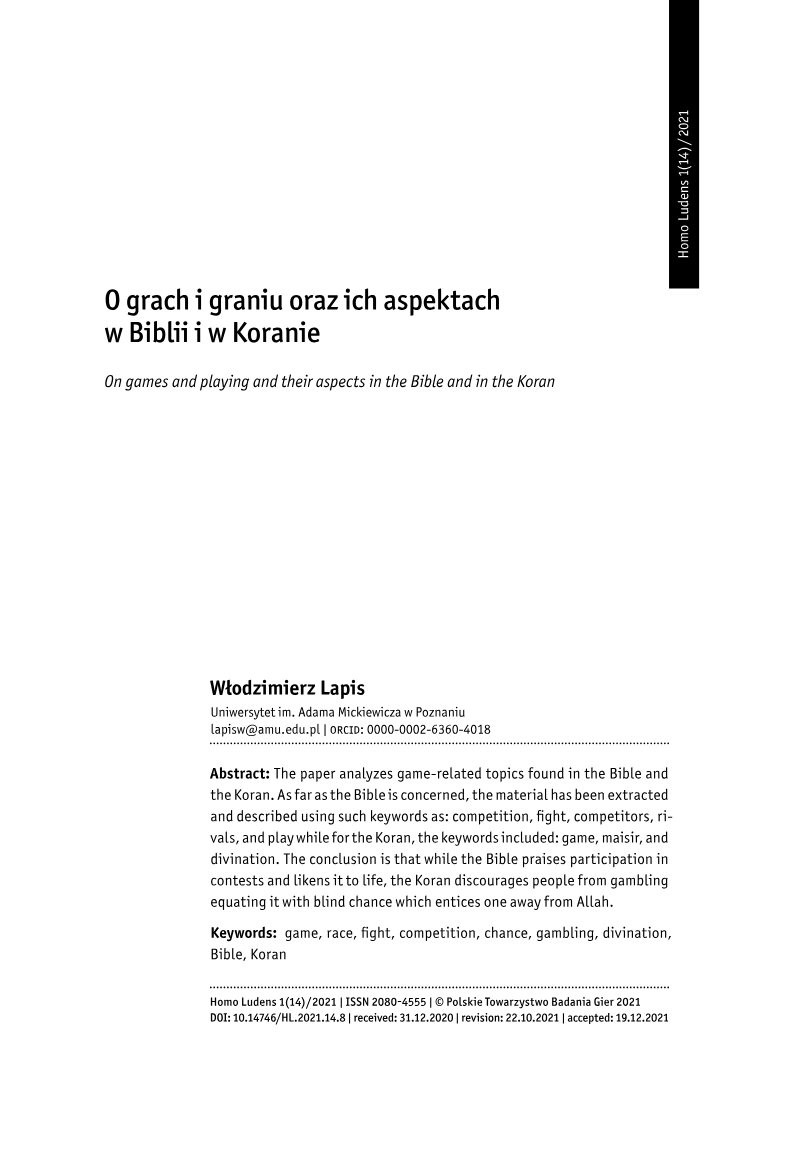
Włodzimierz Lapis examines how the Bible and the Quran conceptualize games, play and competition. The work is published in Homo Ludens (2021).
Włodzimierz Lapis's study, published in Homo Ludens (2021), examines how the Bible and the Quran conceptualize games, play, and competition, and it does so through close lexical and textual analysis of the two scriptures. The central thesis is that the two traditions take markedly different positions on play. The Bible draws on the language of rivalry and contest, particularly the terms współzawodnictwo (rivalry) and zawody (contests), to describe the Christian life as a race in which believers strive for an eternal reward. Competition is treated as harmful when fueled by envy or intrigue, but as positive when it serves a good cause.
The Bible's most vivid image is life as an athletic contest, with passages from 1 Corinthians 9 and 2 Timothy 4 urging believers to strive for the imperishable crown. Notably, the word "game" never appears in the Bible in the sense of play, and the text imposes no prohibition on recreation. The Quran presents a sharper contrast. It describes worldly life as "mere play and amusement" and explicitly forbids the lottery-game maysir, which it identifies as a grave sin and a work of Satan, along with lot-casting and divination. Lapis concludes that the Bible places greater trust in human free will, while the Quran establishes firm prohibitions aimed at preventing harm and injustice.
The study's scope is confined to these two sacred texts and to the vocabulary used to discuss competition and play within them, rather than to broader historical or sociological practice. Its analytical method rests on keyword analysis, tracing terms such as "competition," "contest," "rivals," and "play" in the Bible, and "game," maysir, and "divination" in the Quran. The resulting comparison offers a focused contribution to the study of how religious traditions regulate leisure, chance, and rivalry.
Homo Ludens · 2025
Homo Ludens · 2025
Homo Ludens · 2025
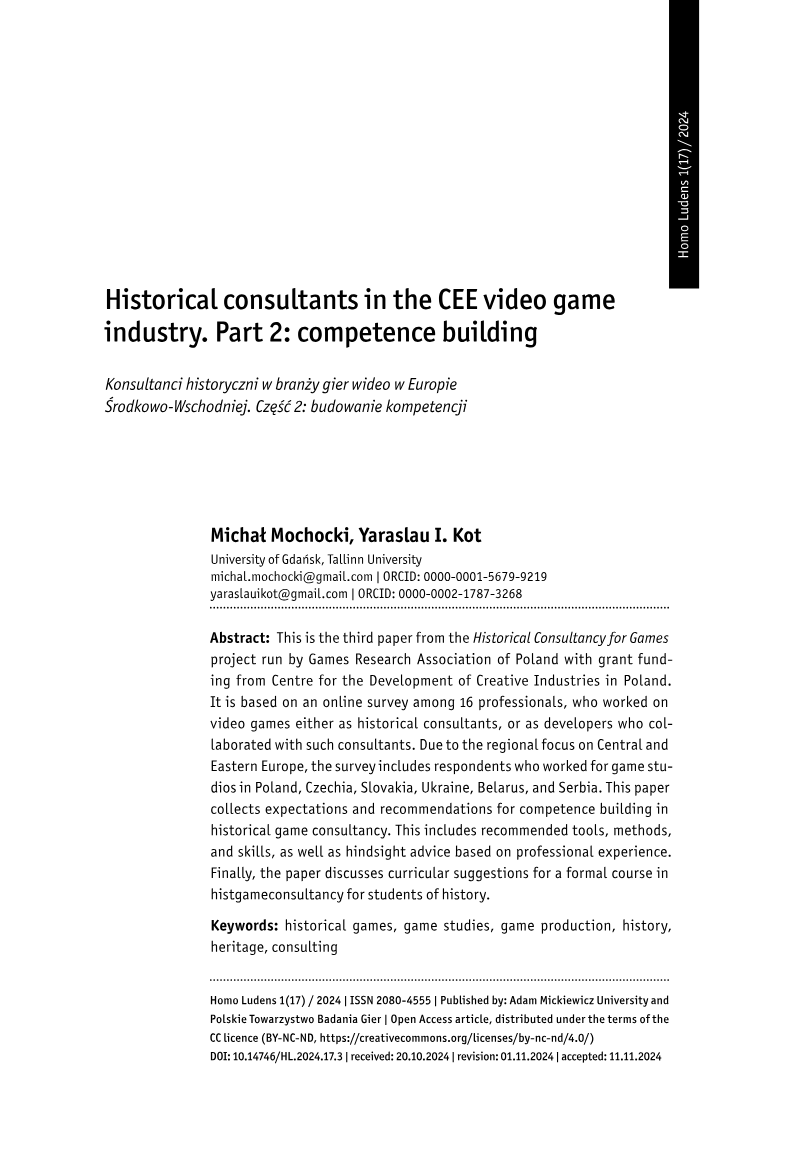
Homo Ludens · 2025
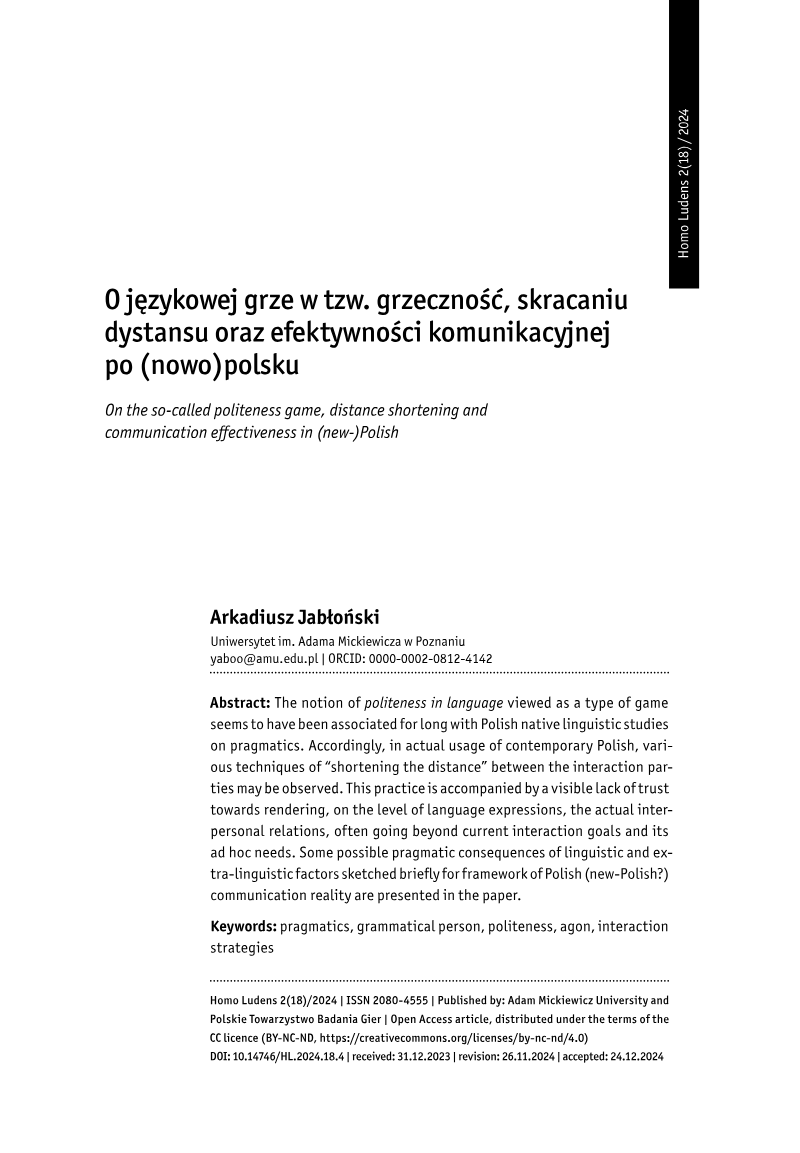
Homo Ludens · 2024
Homo Ludens · 2024
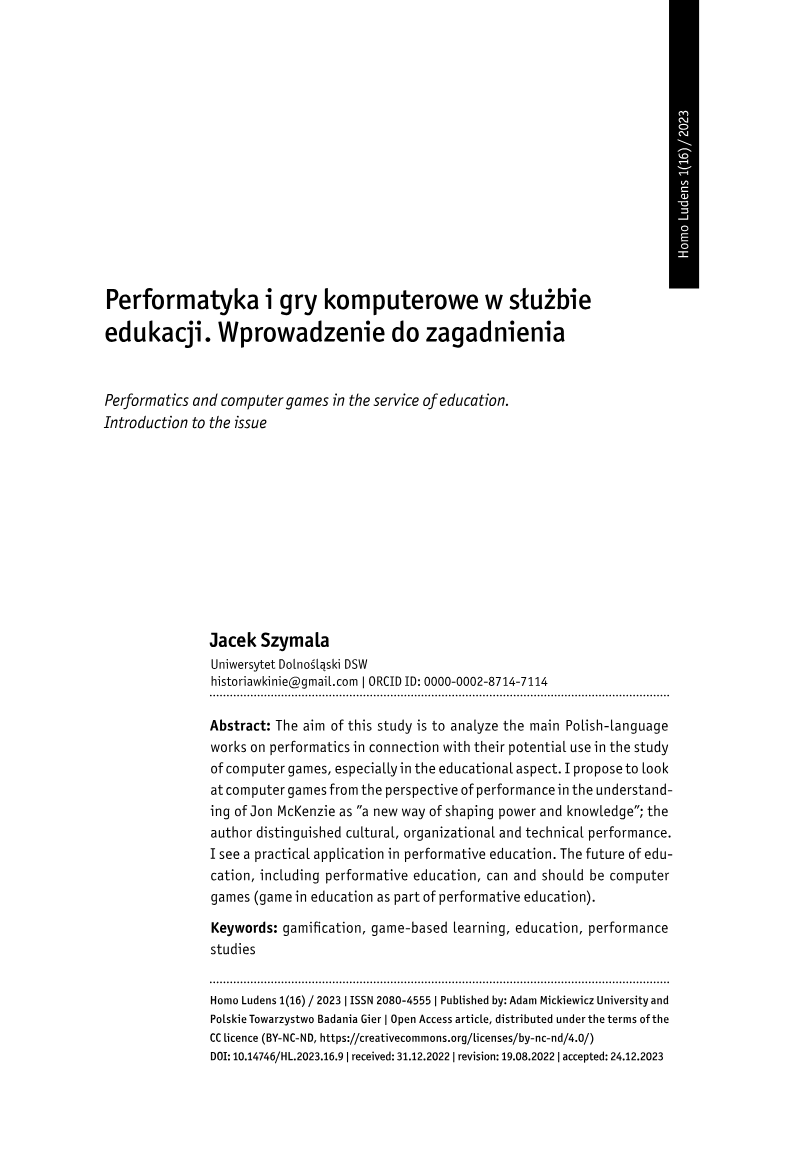
Homo Ludens · 2024
Homo Ludens · 2024
Homo Ludens · 2024
Homo Ludens · 2024
Homo Ludens · 2024
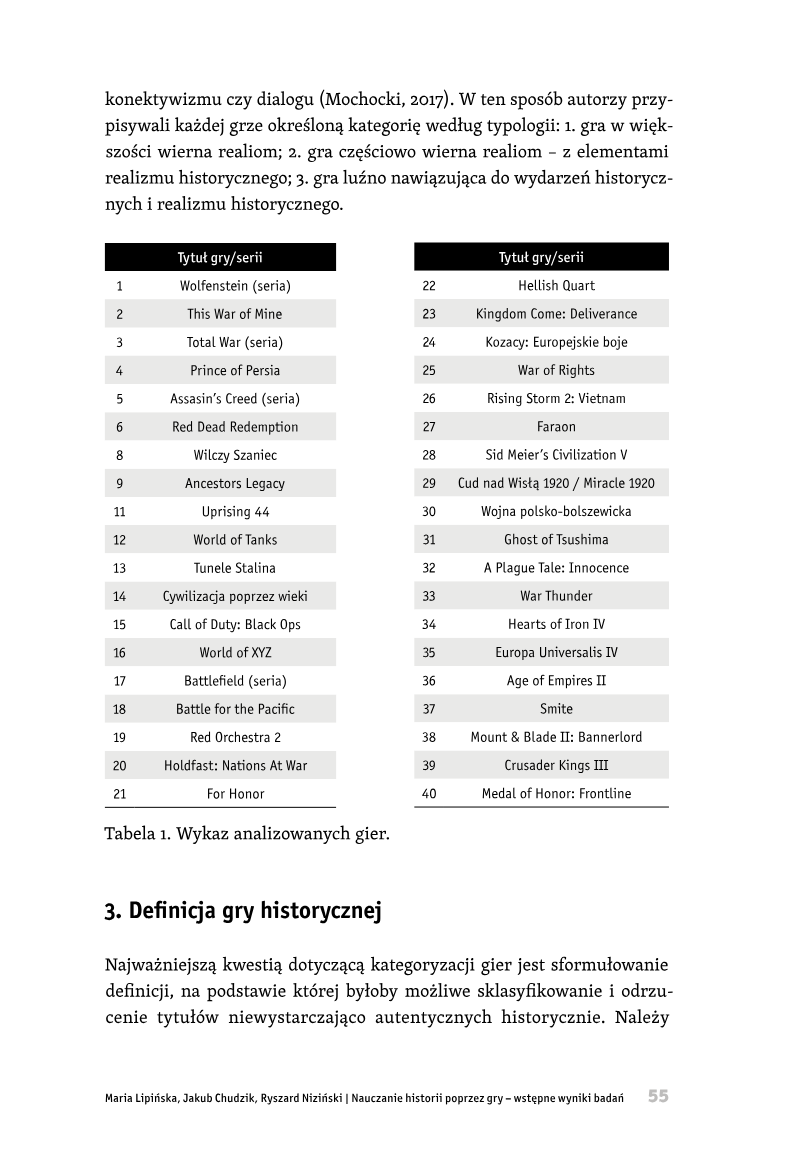
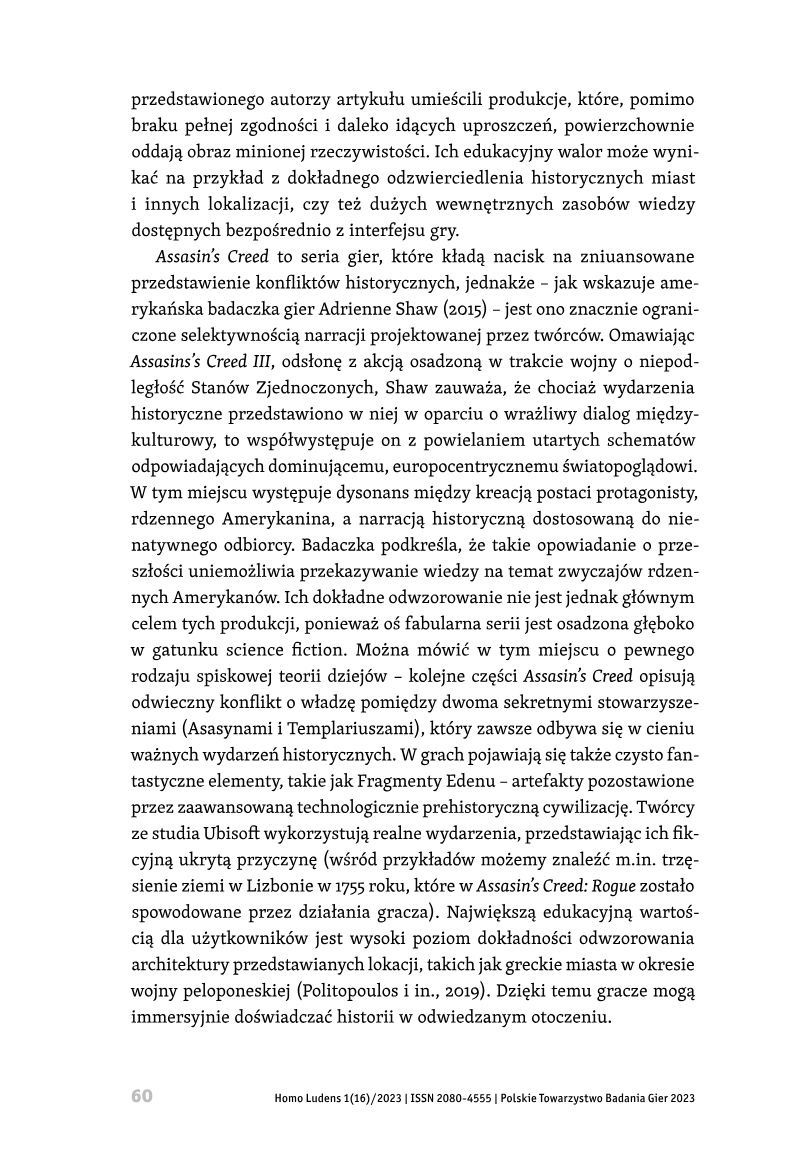
Homo Ludens · 2024
The Game Business · 2026















Comments