1 free read left. Create a free account for unlimited reading + AI research.
Create free accountArticle DiGRA
1 free read left. Create a free account for unlimited reading + AI research.
Create free accountArticleDiGRA
Toivonen and Sotamaa's DiGRA 2011 paper, "Of Discs, Boxes and Cartridges: The Material Life of Digital Games," argues that physical game copies carry meanings that digital distribution does not easily replace. Drawing on a qualitative online survey of 33 mostly male, relatively active gamers, the study contends that players value physical media for the tactile presence and sense of reliable ownership they provide, in contrast to downloads, which respondents associated with service closures, revoked access, and dependence on internet connectivity. The authors acknowledge that the small, non-representative sample limits generalization, but the findings are framed as an exploration of how materiality shapes player experience rather than as a measure of market behavior.
The research focuses on the domestic life of game objects. Respondents displayed boxed games alongside books, films, and music, and near computers and consoles, treating packaging as an element of home decoration and as a marker of identity and social standing. Although few participants described themselves as collectors, their behaviors displayed recognizable collecting traits, including reminiscence, haptic enjoyment, and identity-building. Physical copies were prized for nostalgic associations and tactile pleasure that downloads rarely offered.
From these observations, the authors conclude that digital distribution, which accounted for under 10 percent of game sales at the time, is unlikely to eliminate physical copies quickly. They argue that the emotional bonds players form with physical objects, and the everyday meaning-making practices surrounding them, are frequently overlooked in industry forecasts. The study's geographic and demographic scope is limited, and its evidence is qualitative. The concluding bibliography, which draws on player-centered and material-culture scholarship, reinforces the paper's orientation toward lived experience of game consumption.
DiGRA · 2012
DiGRA · 2012
DiGRA · 2012
DiGRA · 2012
DiGRA · 2012
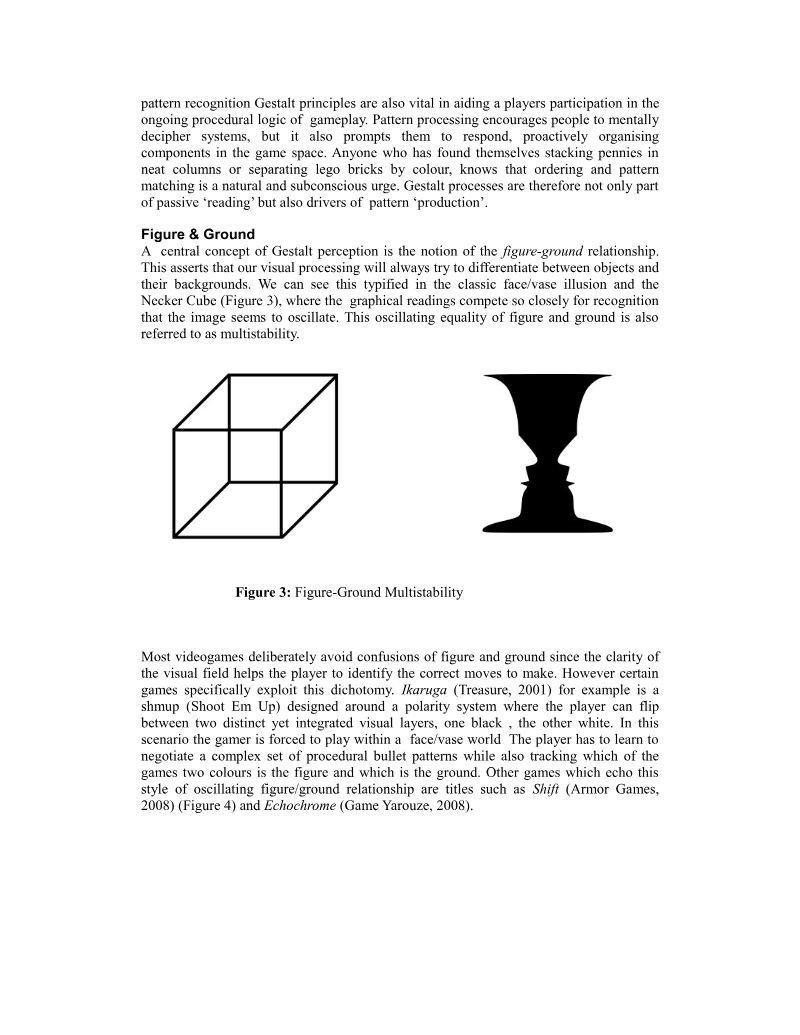
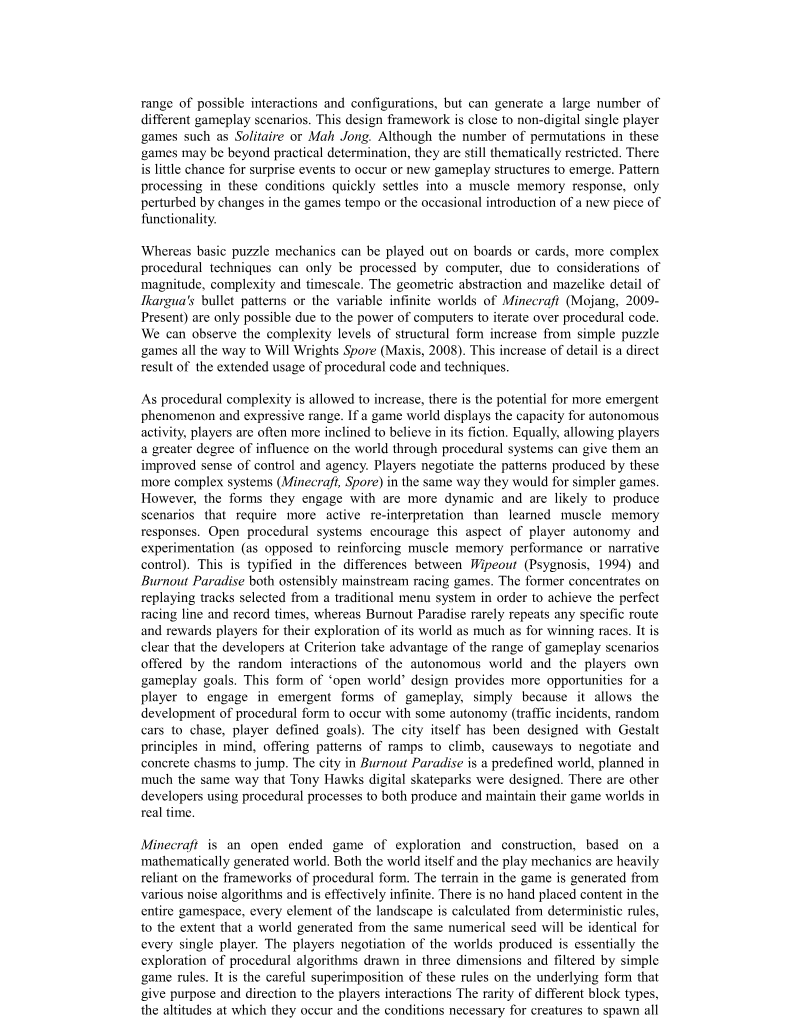
DiGRA · 2011
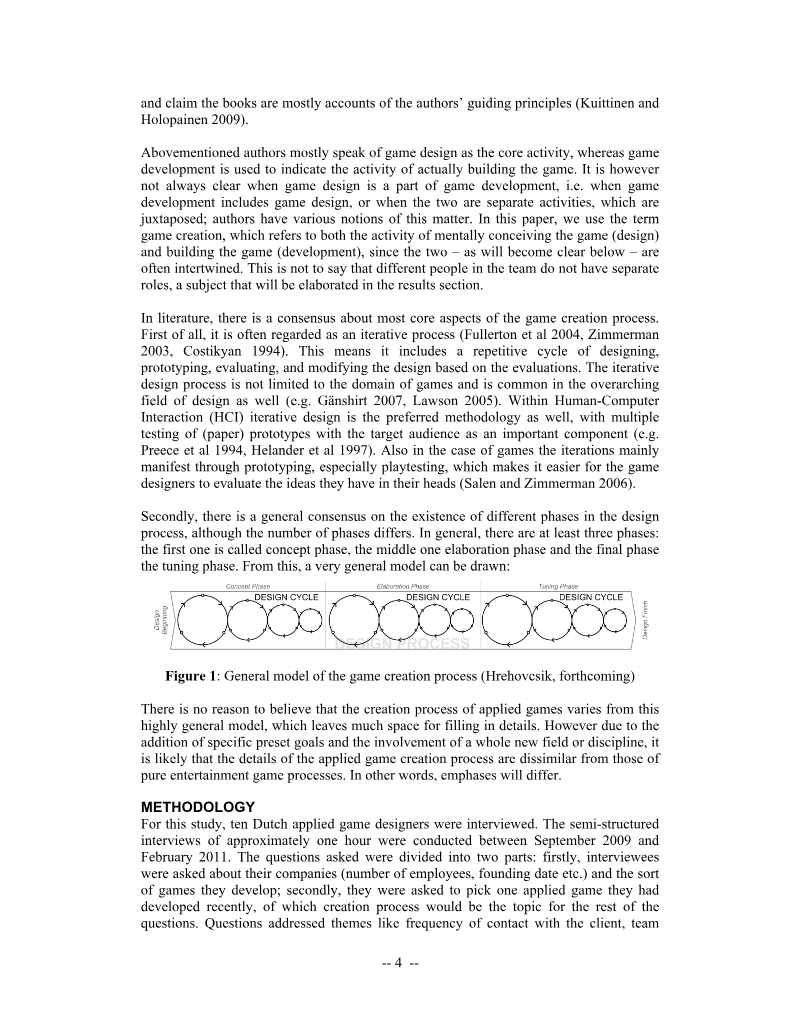
DiGRA · 2011
DiGRA · 2011
DiGRA · 2011
DiGRA · 2011
DiGRA · 2011
DiGRA · 2011
DiGRA · 2009