1 free read left. Create a free account for unlimited reading + AI research.
Create free accountWhitepaper Press Start
1 free read left. Create a free account for unlimited reading + AI research.
Create free accountWhitepaperPress Start
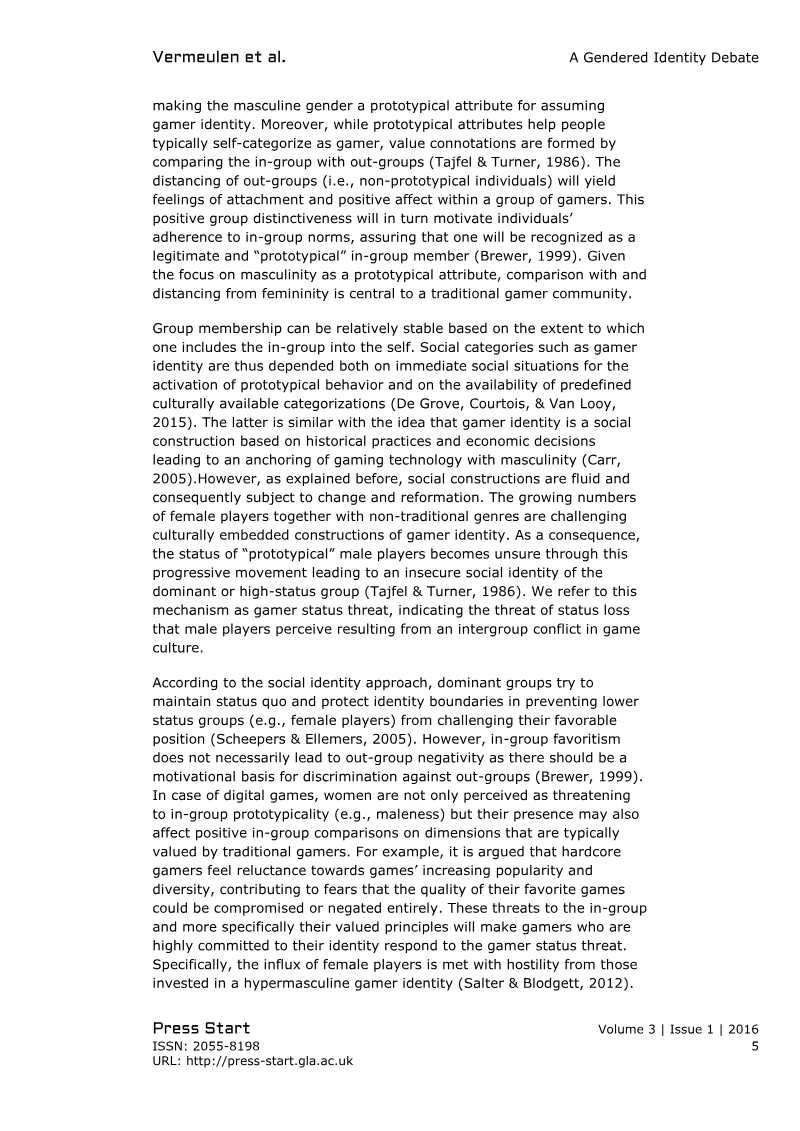
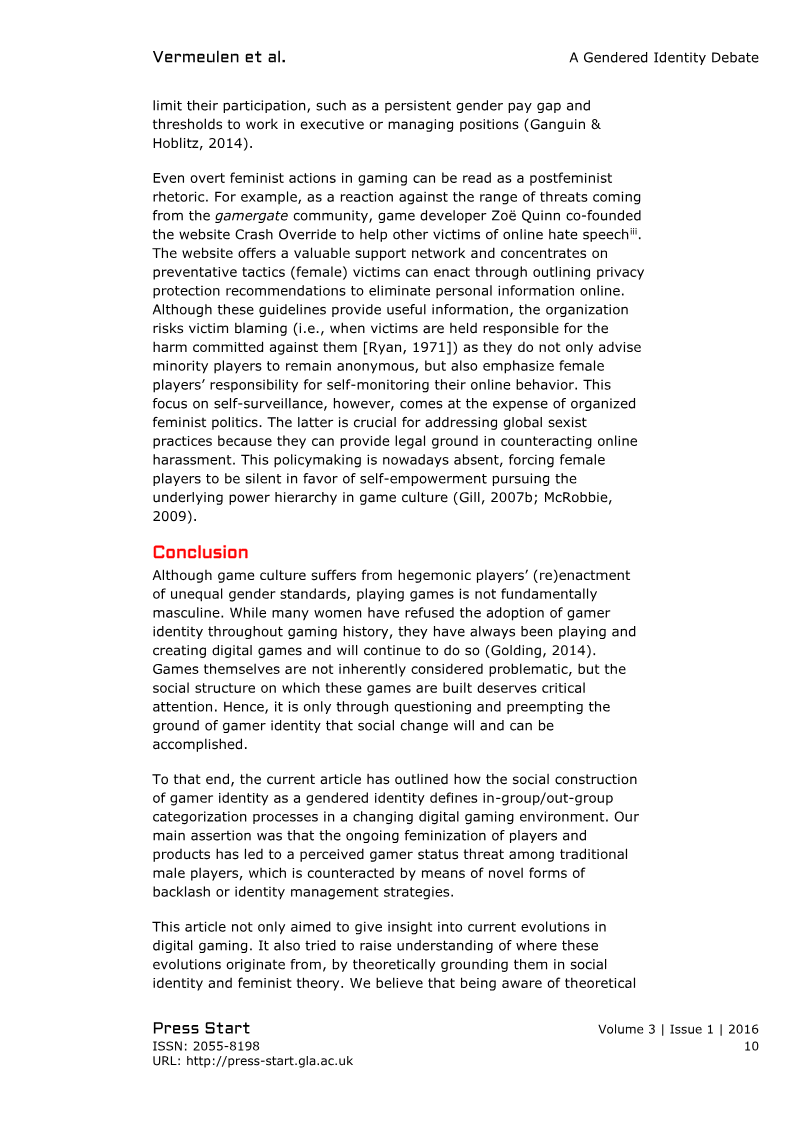
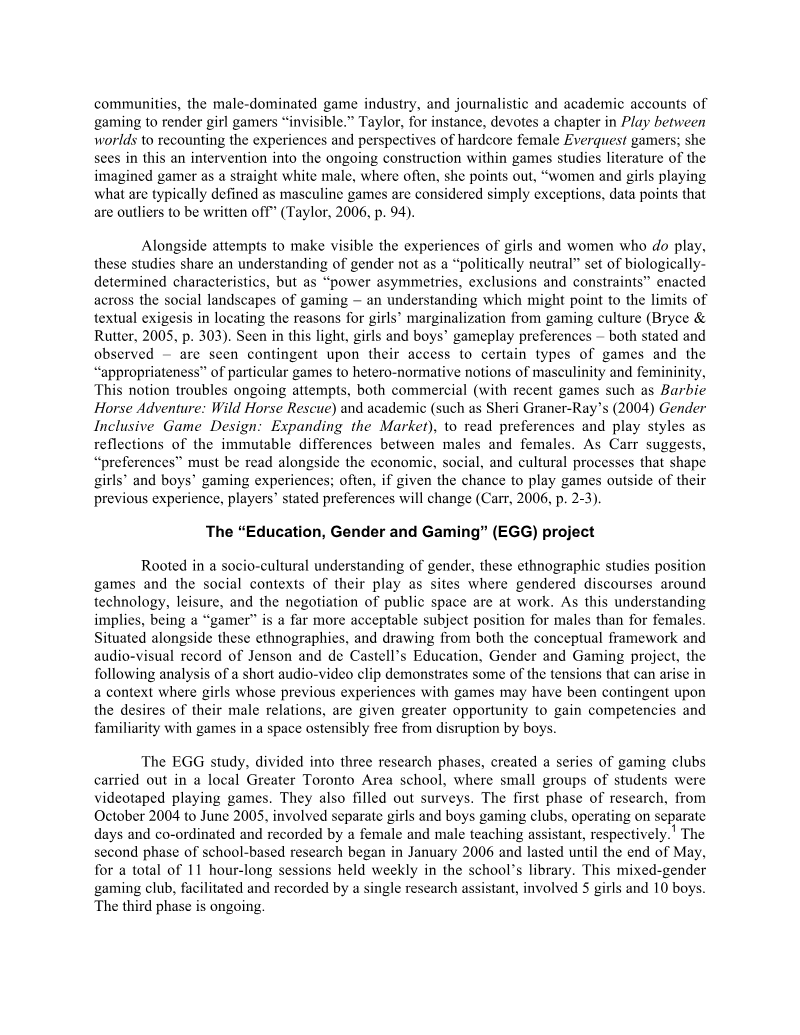
Female gamers navigating masculine-coded, violent gaming environments frequently encounter systemic toxicity and harassment, which necessitates the strategic management of their gender identity. By analyzing the experiences of 291 female players, it becomes clear that these individuals often adopt defensive behaviors, such as delaying the disclosure of their gender or avoiding social game modes, to mitigate the negative psychological impact of hostile online interactions. Despite these barriers, frequent players are increasingly likely to embrace a gamer identity, finding personal satisfaction in achieving competitive mastery over male peers within these traditionally exclusionary spaces.
The research highlights a persistent perception of female gamers as a marginalized minority, a status that influences how they integrate their hobby into their broader social lives. Many players choose to isolate their gaming identity from their professional or personal spheres to avoid social conflict, only revealing their gender once they have established credibility through performance. This dynamic underscores the enduring influence of the male-centric gaming stereotype, which continues to shape the social "coming out" process for women in digital spaces.
Ultimately, the findings suggest that the gaming community remains a challenging environment for women, yet it also serves as a significant site for identity formation and skill development. Addressing the prevalence of gender-based harassment is essential not only for improving the digital experience for female players but also for fostering broader participation in technology-related fields. By debunking the pervasive myth of the male-exclusive gamer, the industry can better support a diverse player base and leverage gaming as a viable pathway toward increasing female representation in STEM disciplines.



Press Start · 2026
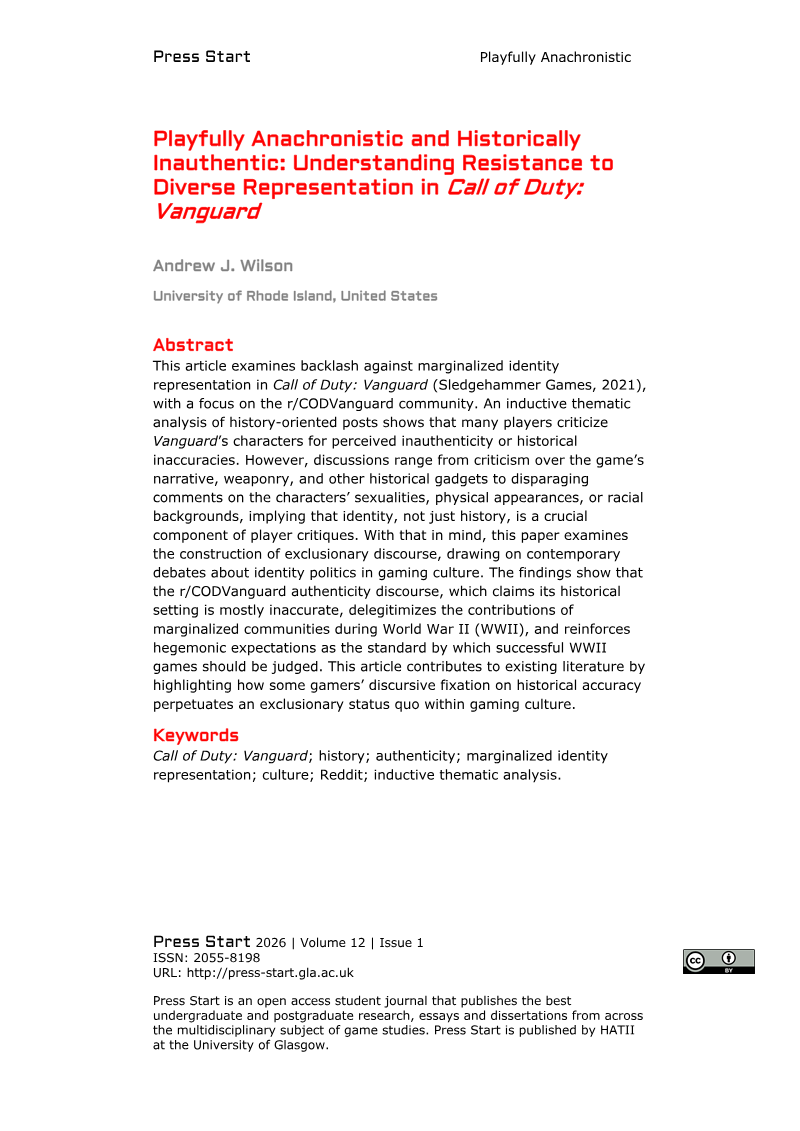
Press Start · 2026
Press Start · 2026
Press Start · 2026
Press Start · 2026
Press Start · 2026
Press Start · 2026
Press Start · 2026
Press Start · 2025
Press Start · 2025
Press Start · 2025
Press Start · 2024
HCI International · 2023