1 free read left. Create a free account for unlimited reading + AI research.
Create free accountFinancial report Nintendo
1 free read left. Create a free account for unlimited reading + AI research.
Create free accountFinancial reportNintendo
Distilling the key insights…
Nintendo experienced a period of stabilization during the fiscal year ended March 2022, characterized by a slight contraction in financial performance despite robust engagement metrics. Net sales declined by 3.6% to 1,695.3 billion yen, while operating profit fell by 7.5% to 592.7 billion yen. These results were primarily driven by hardware supply chain constraints, specifically semiconductor shortages, which hampered console distribution. Conversely, the platform reached a significant milestone by surpassing 100 million annual playing users, underscoring the enduring strength of the Nintendo Switch ecosystem.
Software performance served as a critical counterbalance to hardware limitations, achieving record-high sell-through figures. Evergreen titles and successful new releases, such as Pokémon Legends: Arceus and Kirby and the Forgotten Land, propelled this growth. Digital sales also reached an all-time high of 359.6 billion yen, accounting for 42.6% of total software revenue. This shift toward digital distribution reflects a broader industry trend toward higher-margin software engagement, which remains a cornerstone of the company’s long-term strategy.
Looking toward the fiscal year 2023, the outlook remains cautious as the company anticipates further declines in sales and profit due to persistent manufacturing cost inflation and ongoing supply chain volatility. To navigate these challenges, the company is focusing on a strong pipeline of first-party software, including Splatoon 3, Pokémon Scarlet and Violet, and the highly anticipated sequel to The Legend of Zelda: Breath of the Wild. Furthermore, structural adjustments, including a 10-for-1 stock split and the implementation of a restricted stock compensation plan, are being introduced to enhance shareholder value and align corporate incentives with future performance goals.
Nintendo · 2026
Nintendo · 2026
Nintendo · 2026
Nintendo · 2026
Nintendo · 2026
Nintendo · 2026
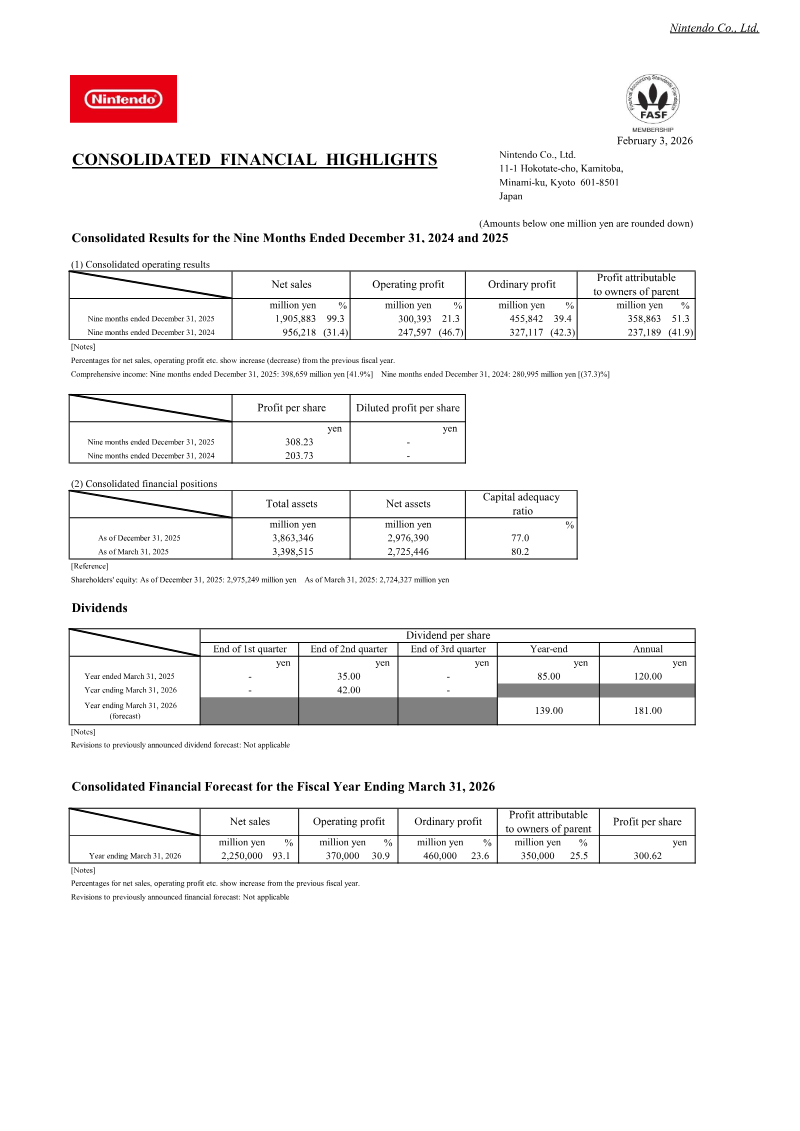
Nintendo · 2026
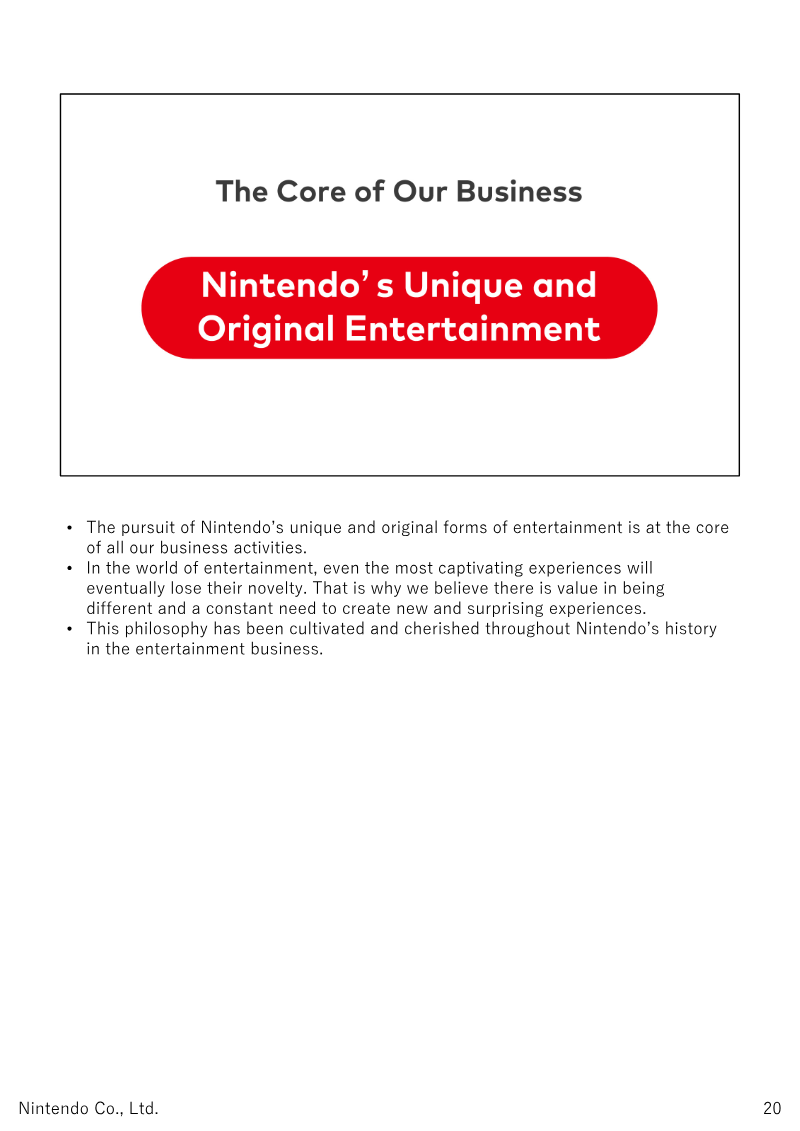
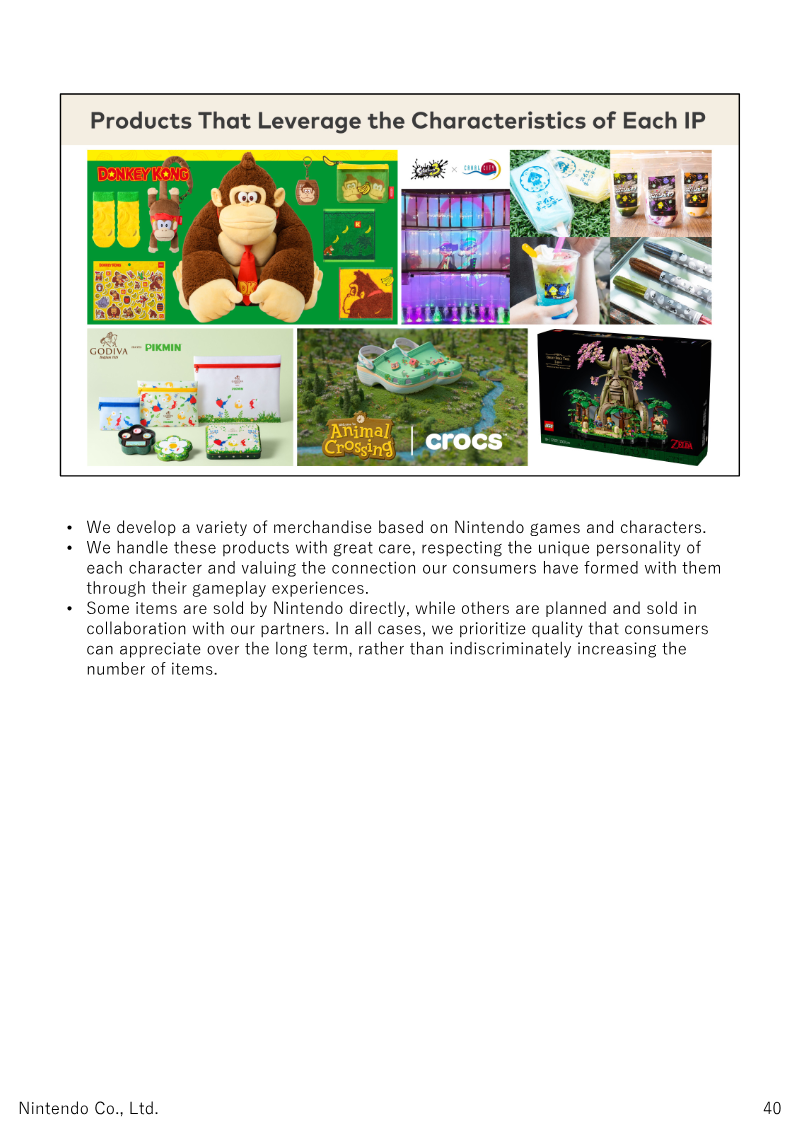
Nintendo · 2025
Nintendo · 2025
Nintendo · 2025
Nintendo · 2025
Nintendo · 2025
Deconstructor of Fun · 2026