More from New York University
View all
Whitepaper
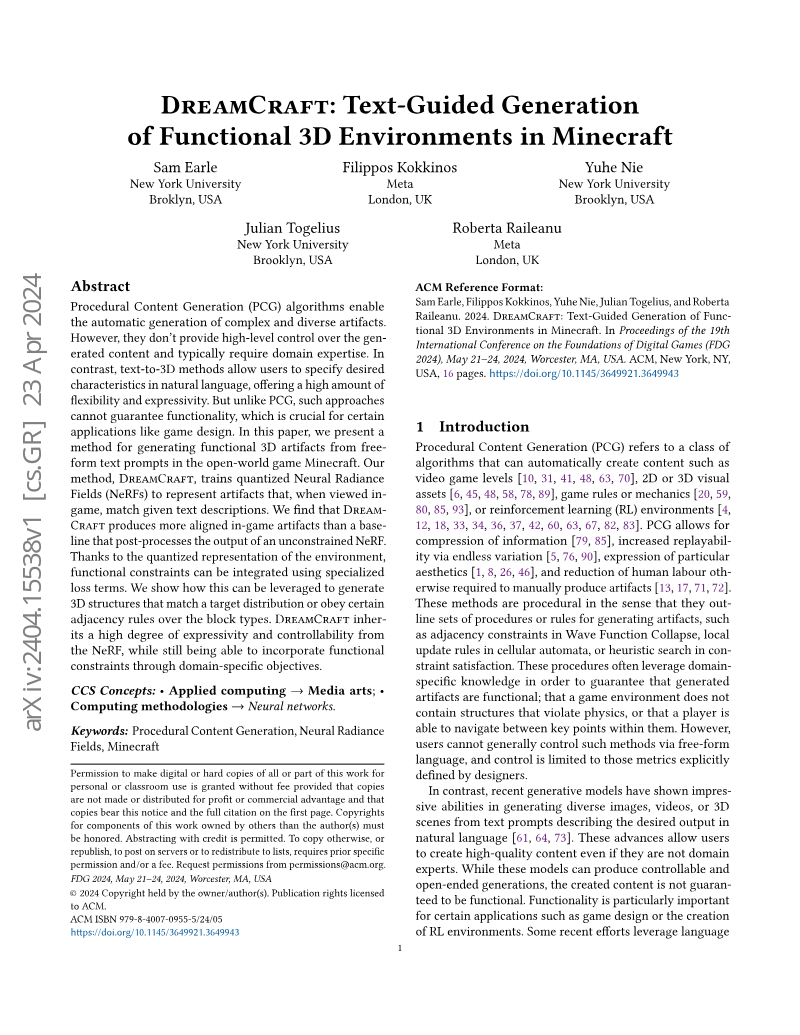
DreamCraft: Text-Guided Generation of Functional 3D Environments in Minecraft
New York University · 2024
Whitepaper
The Ink Splotch Effect: A Case Study on ChatGPT as a Co-Creative Game Designer
New York University · 2024
Whitepaper
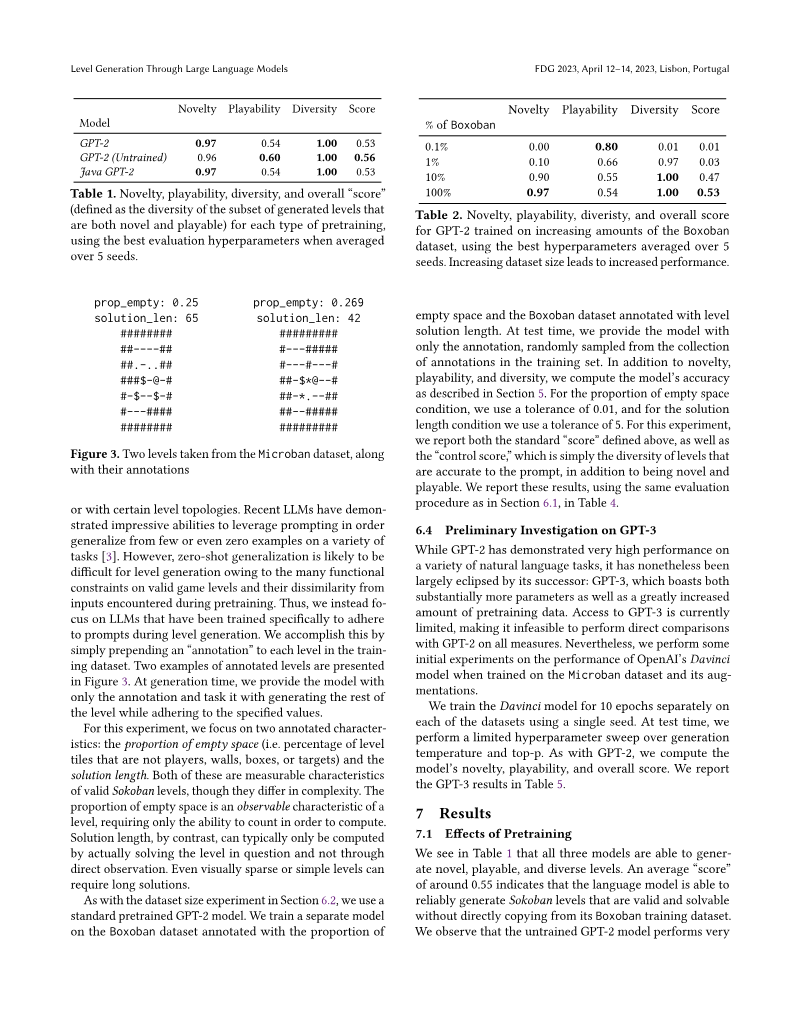
Level Generation Through Large Language Models
New York University · 2023
Whitepaper
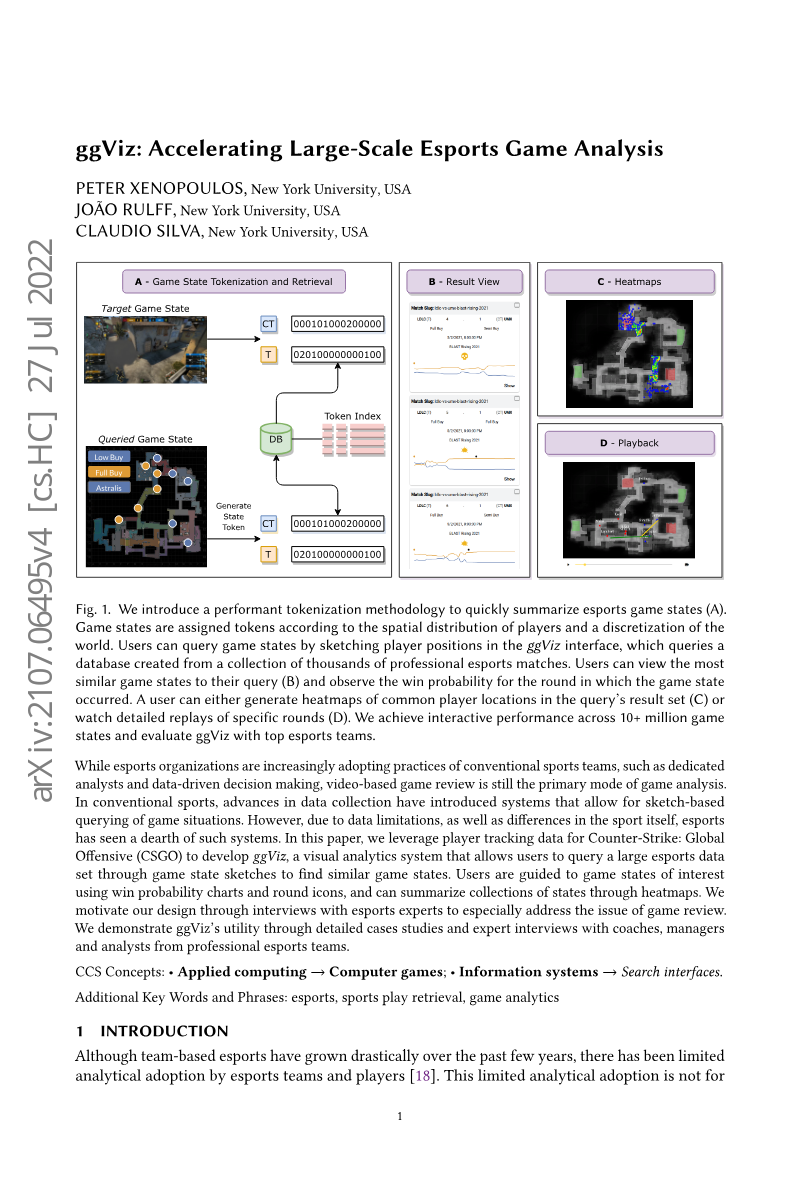
ggViz: Accelerating Large-Scale Esports Game Analysis
New York University · 2022
Whitepaper
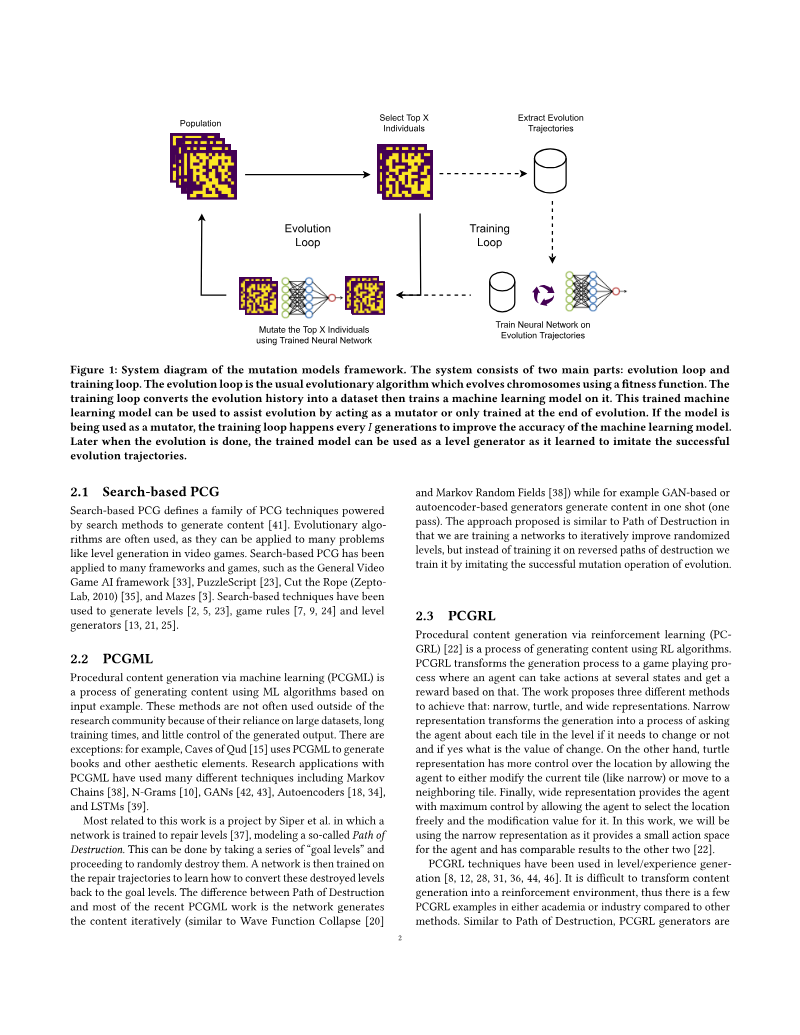
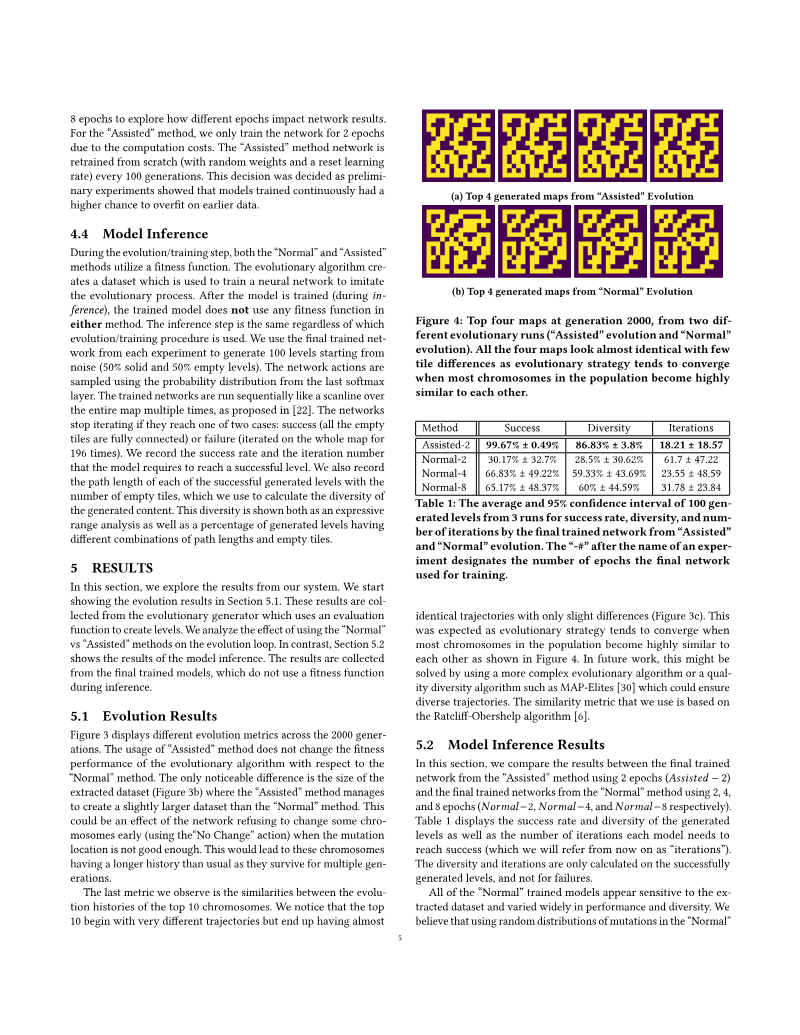
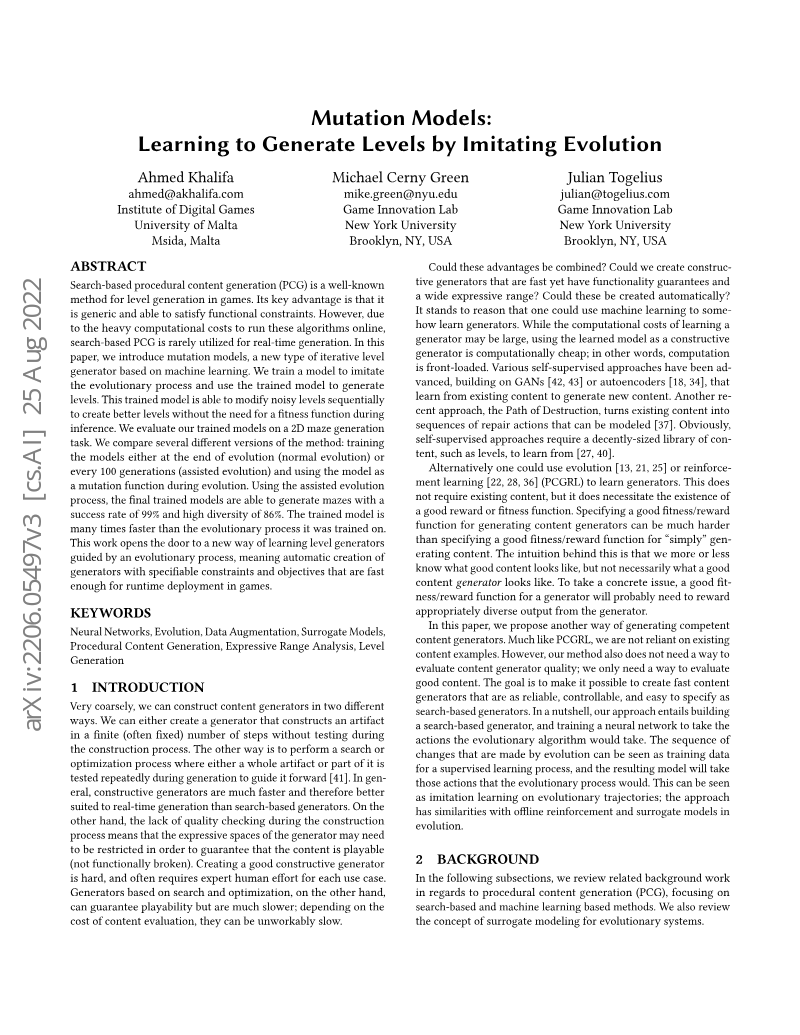
Mutation Models: Learning to Generate Levels by Imitating Evolution
University of Malta · 2022
Whitepaper
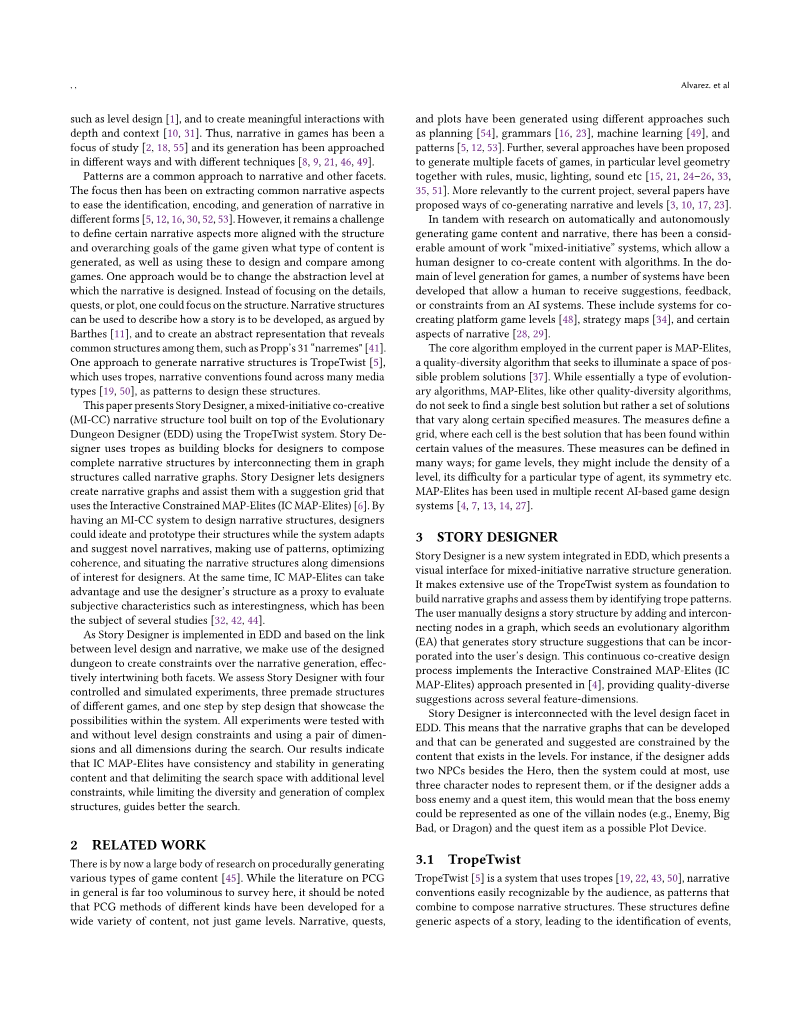
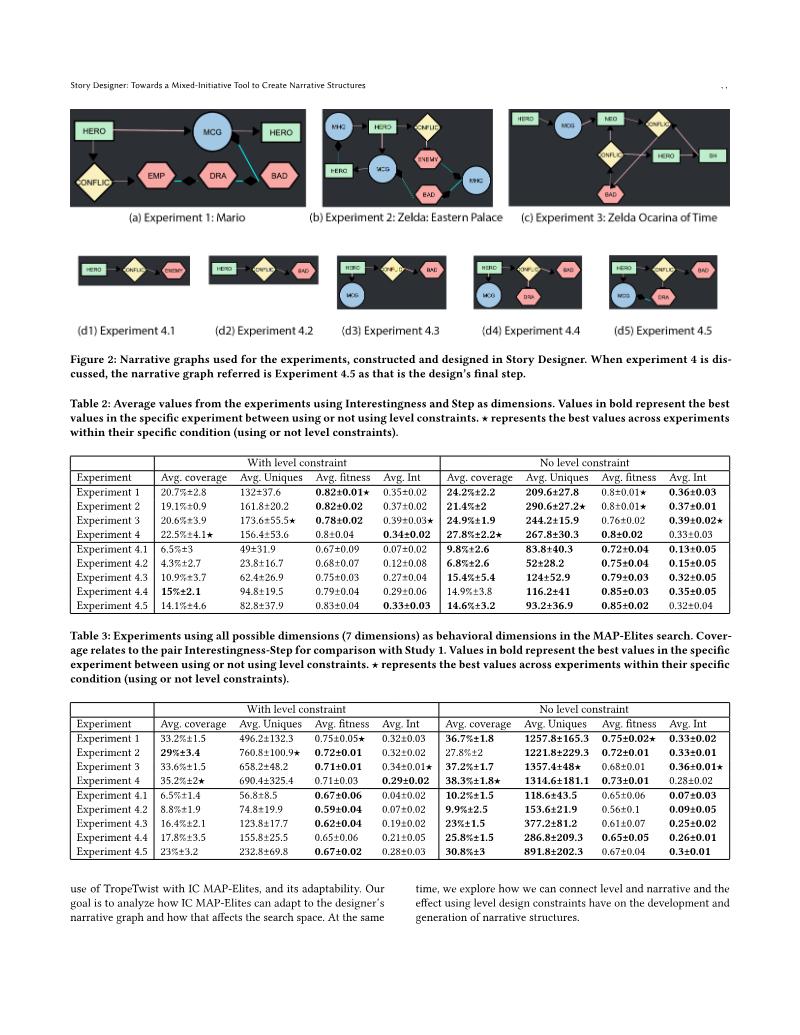
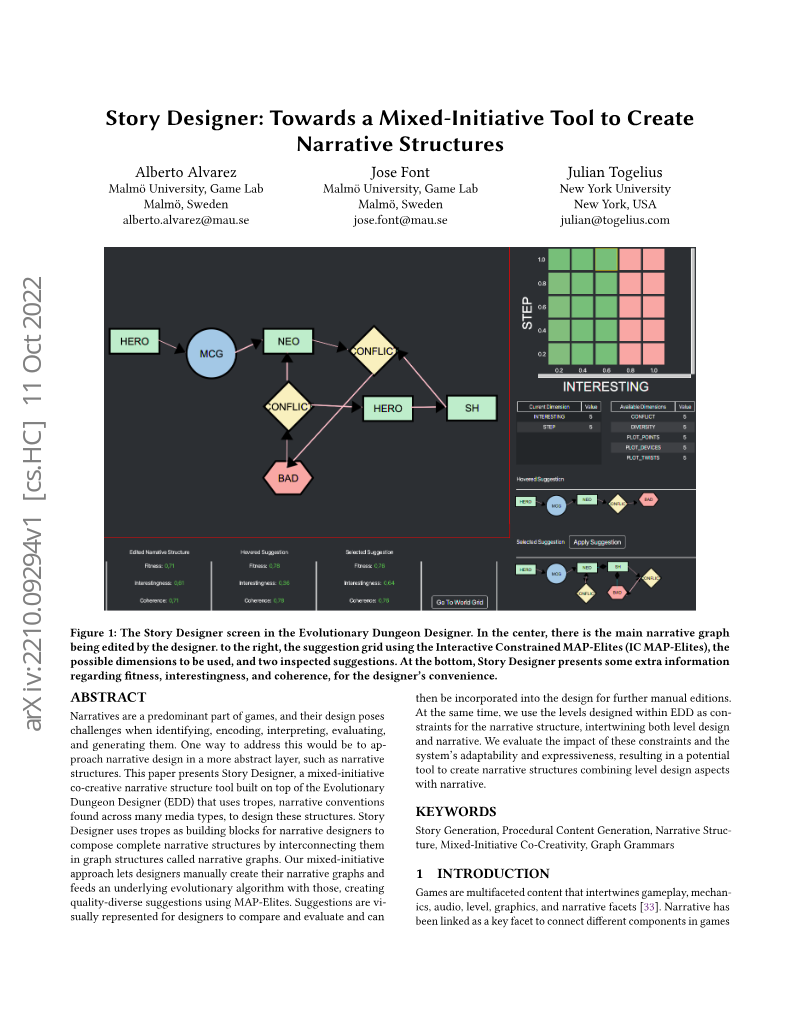
Story Designer: Towards a Mixed-Initiative Tool to Create Narrative Structures
Malmö University · 2022
Whitepaper
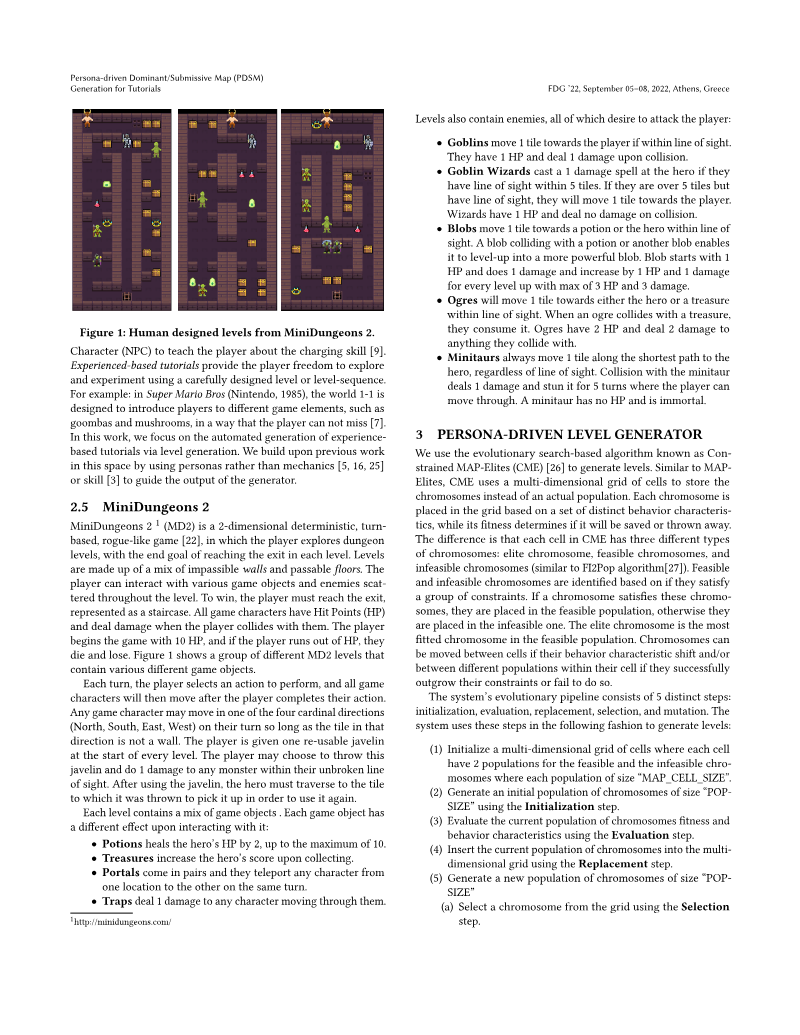
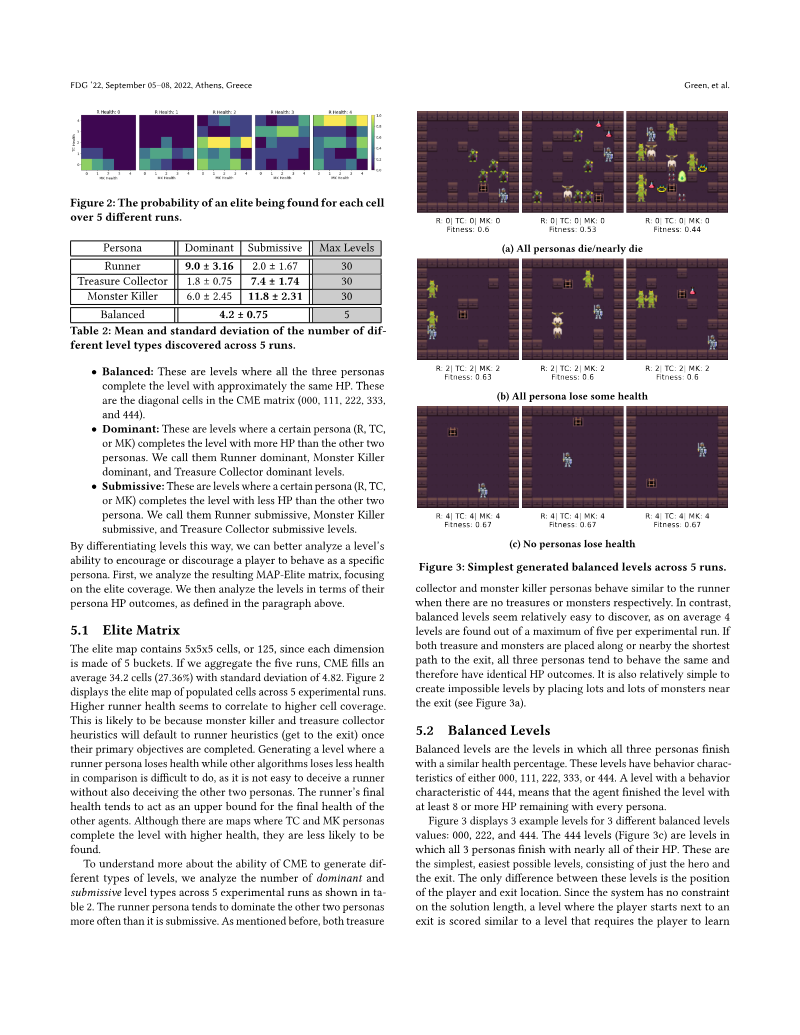
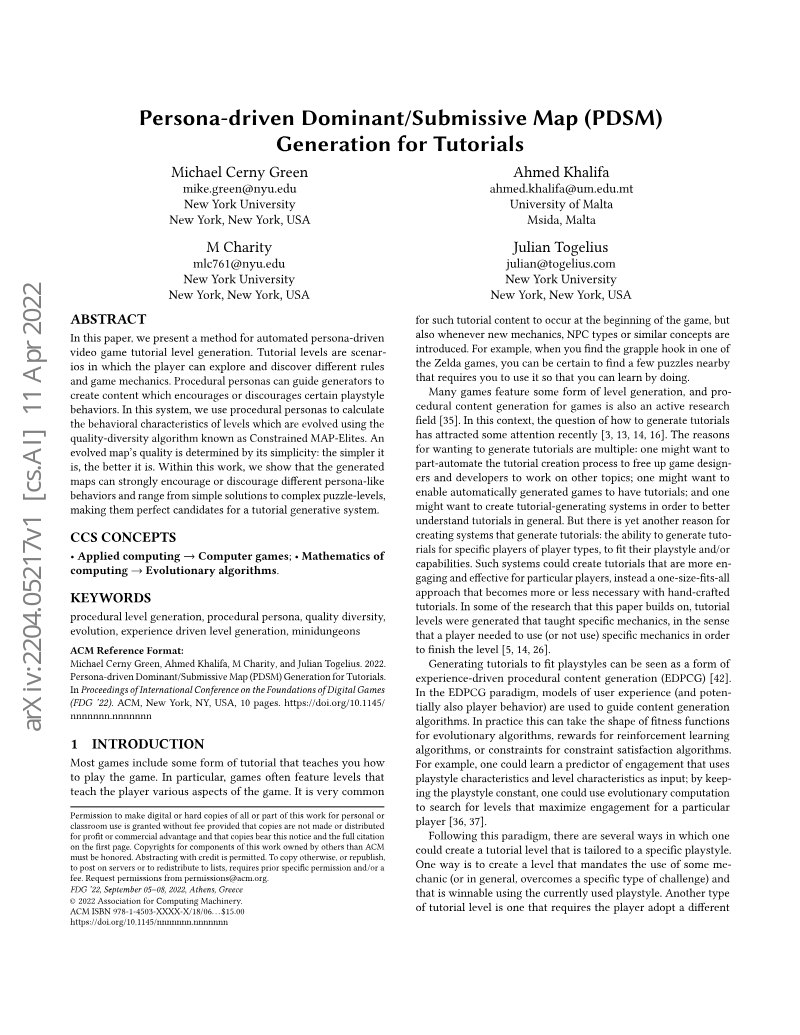
Persona-driven Dominant/Submissive Map (PDSM) Generation for Tutorials
New York University · 2022
Whitepaper
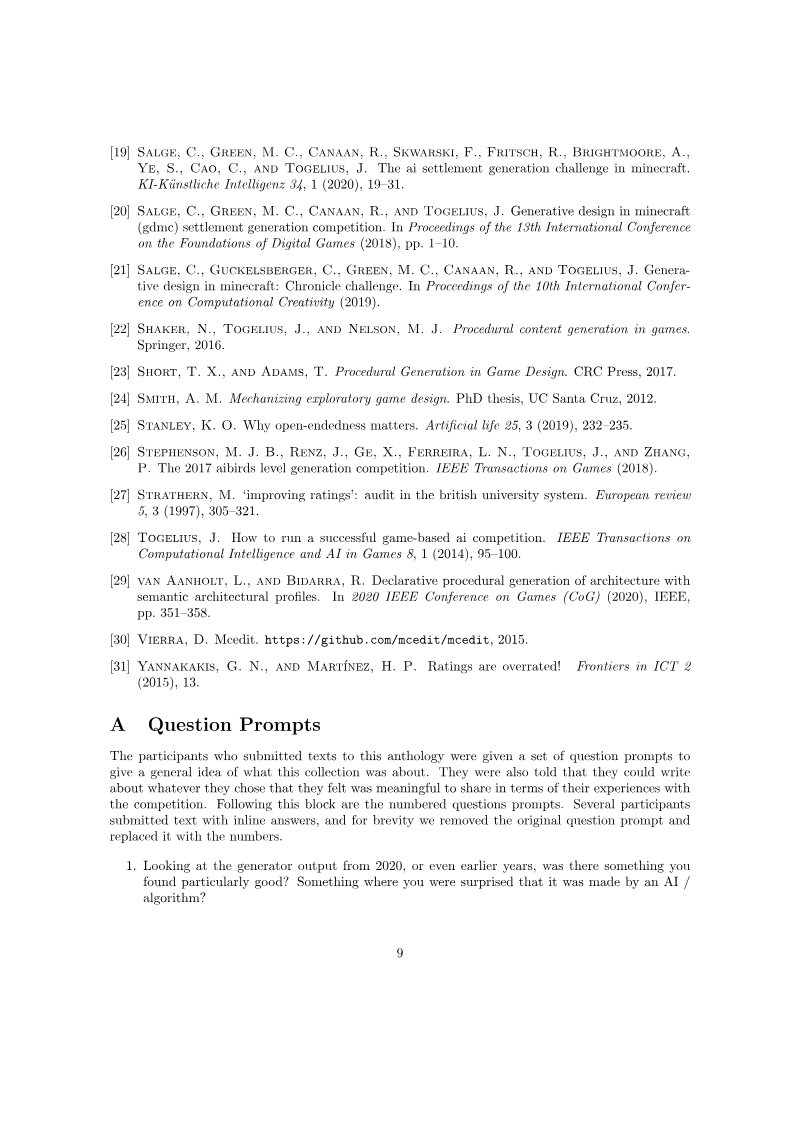
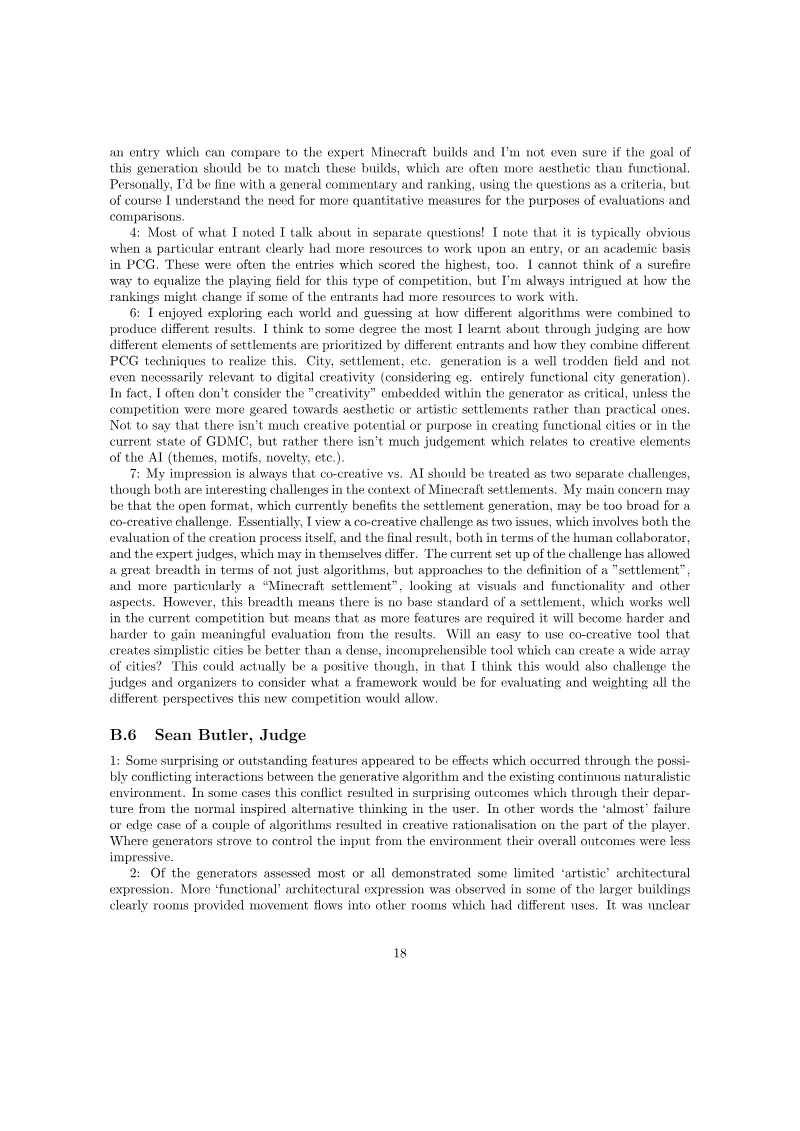
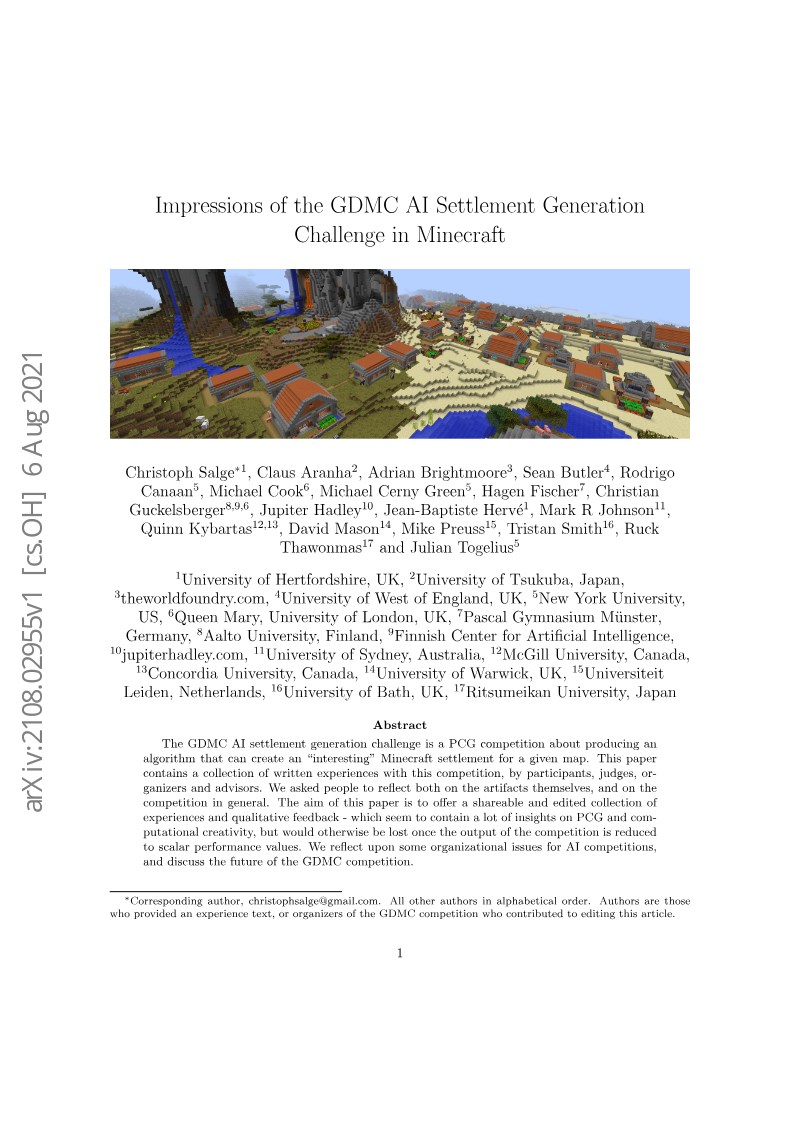
Impressions of the GDMC AI Settlement Generation Challenge in Minecraft
University of Hertfordshire · 2022
Whitepaper
Automatic Critical Mechanic Discovery Using Playtraces in Video Games
New York University · 2020
Whitepaper
Mech-Elites: Illuminating the Mechanic Space of GVG-AI
New York University · 2020
Whitepaper
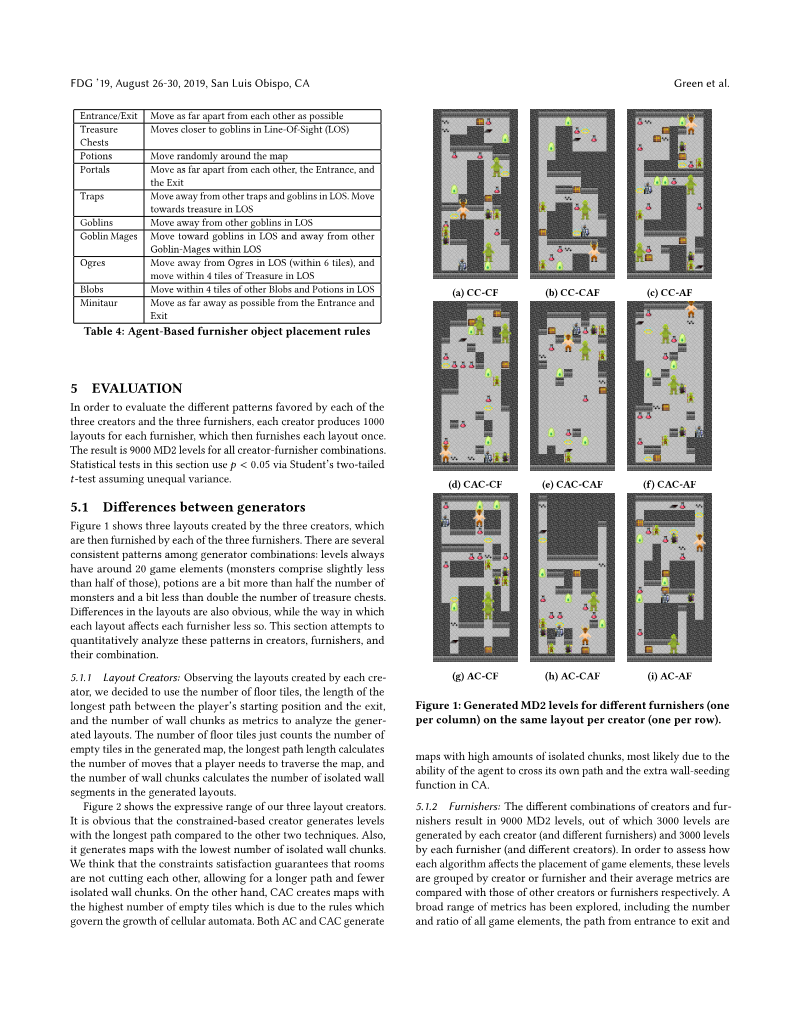
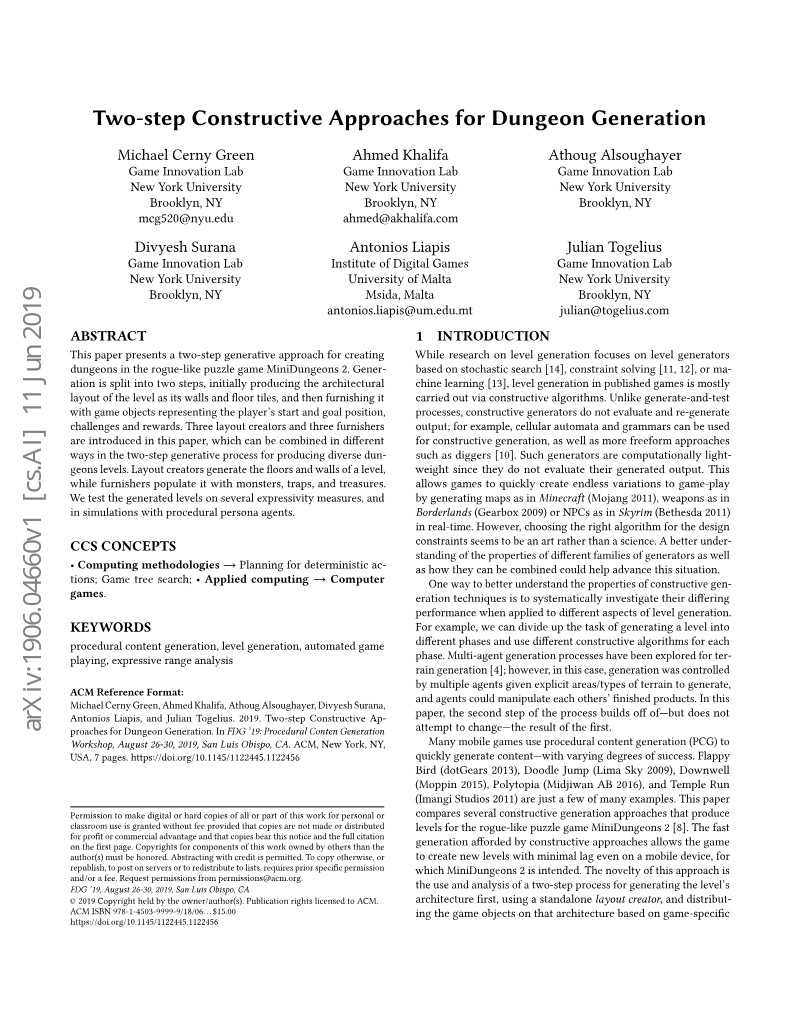
Two-Step Constructive Approaches for Dungeon Generation
New York University · 2019
Whitepaper
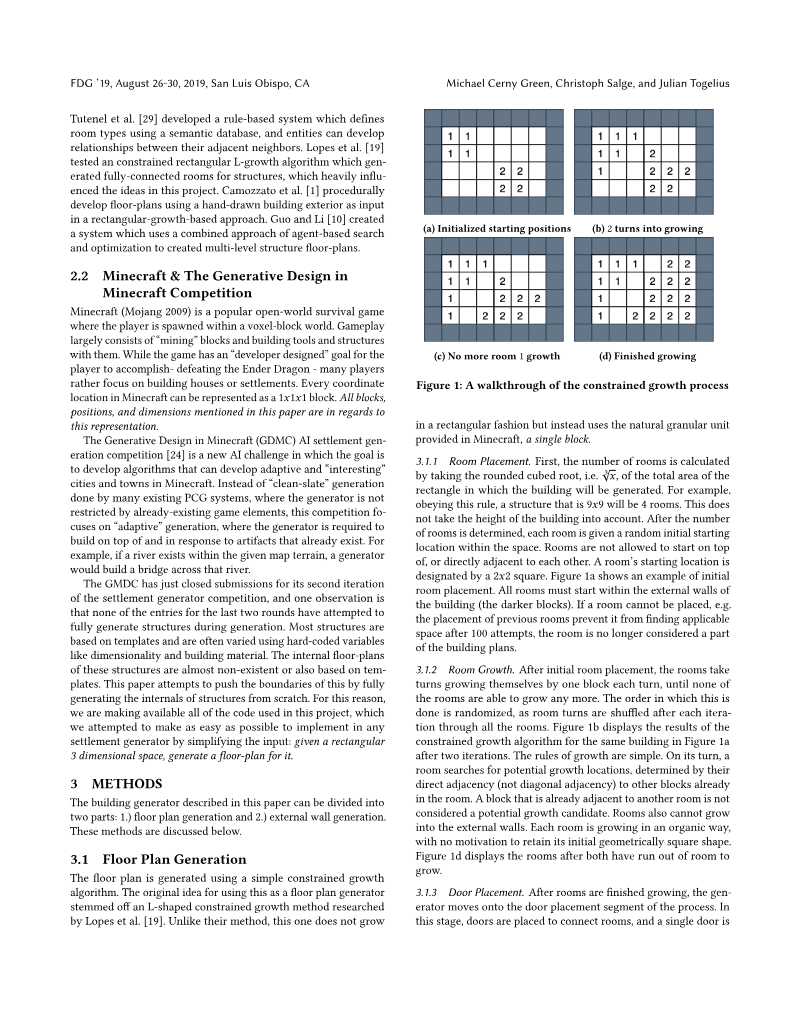
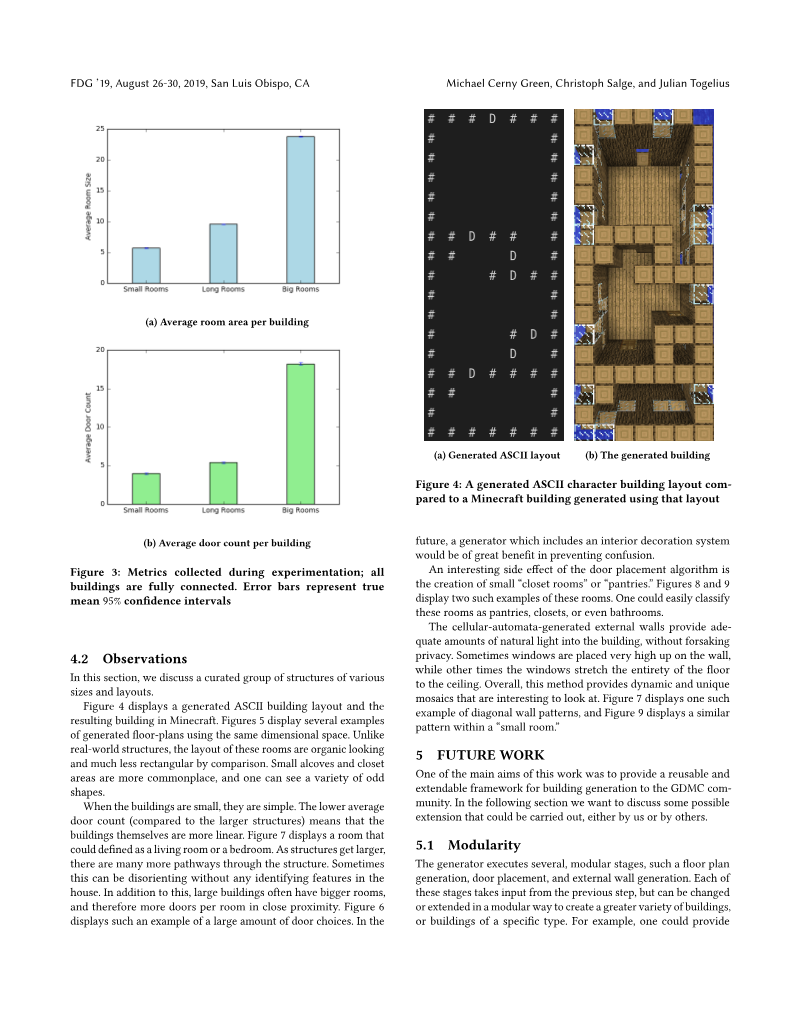
Organic Building Generation in Minecraft
New York University · 2019