Key insights
5 slides
The verdict
A federal judge denied the FTC's request to block the deal.
In July 2023, a federal judge in San Francisco ruled in favor of Microsoft. The court denied the FTC's request for a preliminary injunction to block the $69 billion acquisition of Activision Blizzard.
Cloud gaming
Microsoft's existing agreements addressed cloud gaming concerns.
The judge dismissed concerns regarding potential anticompetitive behavior in cloud gaming. Microsoft had existing agreements to bring Activision content to competing platforms like Nvidia’s GeForce Now.
Console market
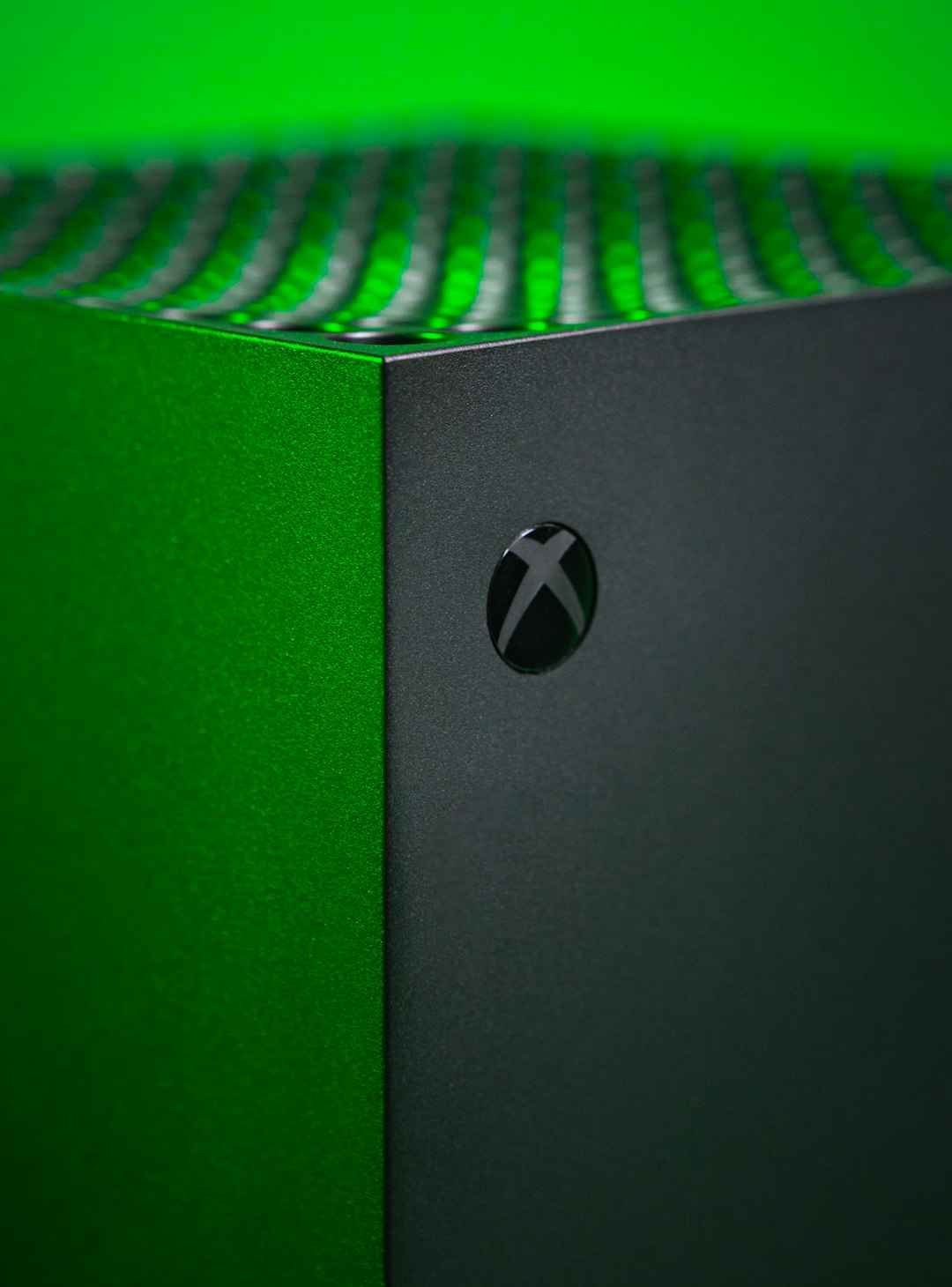
The court characterized the console market as shrinking.
The judge characterized the console market as shrinking rather than growing. The court concluded the acquisition was unlikely to result in the monopolistic outcomes feared by regulators.
Global impact
The UK regulator paused its own legal challenge.
The ruling prompted the United Kingdom’s Competition and Markets Authority to pause its own legal challenge. The CMA paused to discuss potential restructuring of the deal.
Regulatory challenge
Proving anticompetitive intent is difficult in the modern gaming landscape.
The outcome highlights the challenges regulators face in proving anticompetitive intent. This is particularly true when companies provide clear, enforceable commitments regarding platform parity and content distribution.
1 / 5
Ask AI about this report