ArticleMobile Dev Memo
Meta and TikTok Mutually Block Each Other’s Ads
13 Oct 20261 page~2 min full read
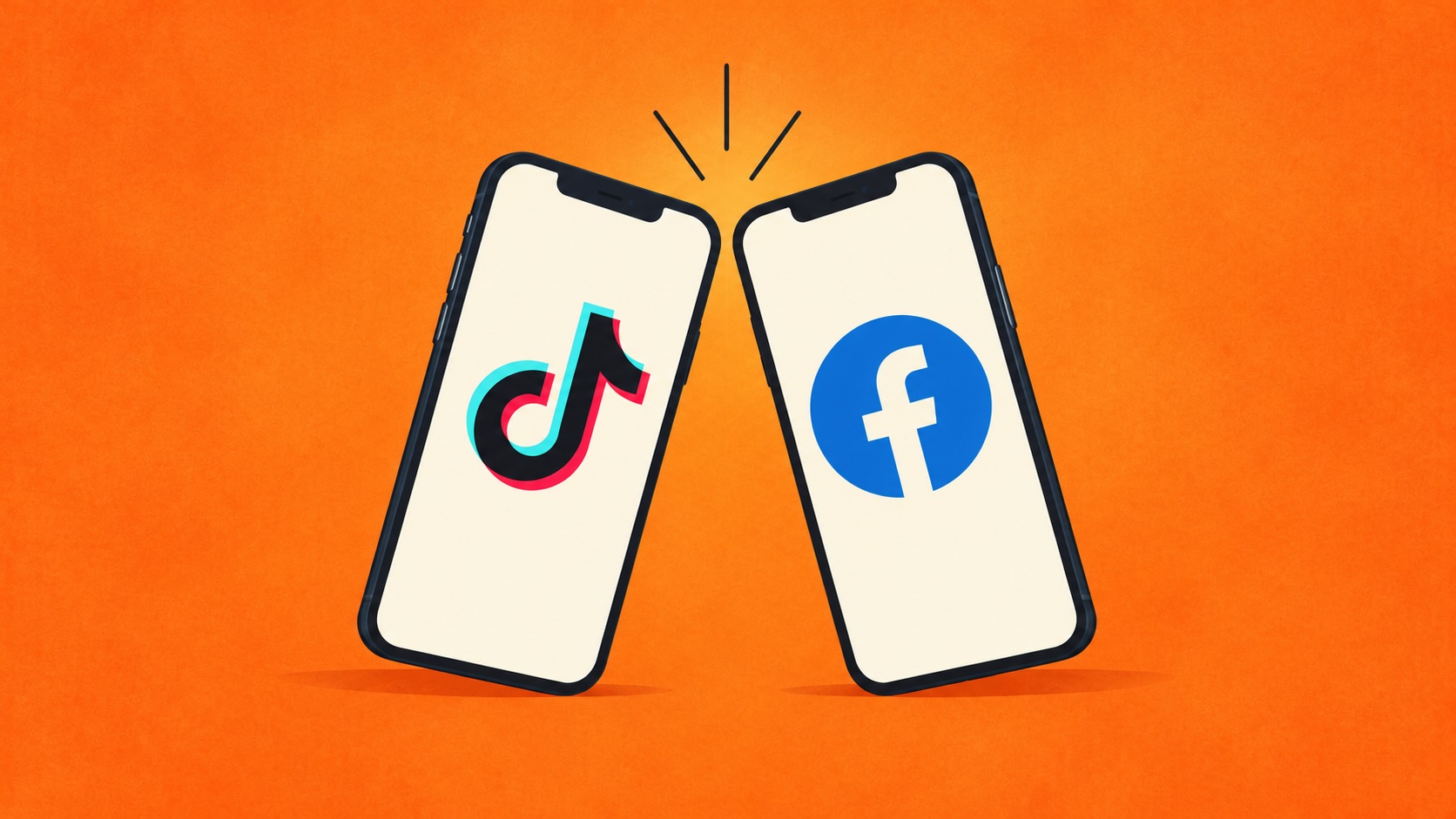
The digital advertising landscape has reached a new level of volatility as Meta and TikTok have initiated a mutual blockade of each other’s promotional content. As of October 2026, Meta has implemented a formal ban on advertisements purchased by ByteDance, the parent company of TikTok, as well as any third-party advertisements that direct users to the TikTok platform. This strategic move marks a significant escalation in the ongoing competition between the two social media giants for user attention and advertising market share within the United States.
This development underscores the intensifying rivalry between these platforms, as both entities seek to protect their respective ecosystems from cross-platform traffic acquisition. By restricting the ability of a primary competitor to leverage its advertising infrastructure, Meta aims to curb the growth of TikTok’s user base and limit the effectiveness of its rival’s marketing efforts. The move reflects a broader trend of platform protectionism, where dominant social media companies increasingly view the advertising channels of their competitors as direct threats to their own engagement metrics and revenue streams.
The scope of this conflict is currently centered on the U.S. market, representing a critical shift in how major social video platforms manage their competitive boundaries. By effectively severing the advertising pipeline between the two services, both companies are signaling a move toward more insular growth strategies. This exclusionary approach highlights the high stakes involved in the battle for dominance in the social video sector, as both platforms prioritize the preservation of their internal user funnels over the open exchange of promotional traffic.

Mobile Dev Memo · 2026

Mobile Dev Memo · 2026

Mobile Dev Memo · 2026

Mobile Dev Memo · 2026

Mobile Dev Memo · 2026

Mobile Dev Memo · 2026

Mobile Dev Memo · 2026

Mobile Dev Memo · 2026

Mobile Dev Memo · 2026

Mobile Dev Memo · 2026

Mobile Dev Memo · 2026

Mobile Dev Memo · 2026

Two & a Half Gamers · 2026

Naavik · 2026

Mobile Dev Memo · 2026

Two & a Half Gamers · 2026

Deconstructor of Fun · 2026

Tenjin · 2026

Two & a Half Gamers · 2026

Two & a Half Gamers · 2026

Gamigion · 2026

Deconstructor of Fun · 2026

Deconstructor of Fun · 2026
PocketGamer.biz · 2026
Comments