The research introduces a framework for the automatic generation of board game manuals within the Ludii general game system. By leveraging the high-level Ludii game description language, the system translates complex symbolic game rules into intuitive English text and provides visual aids for gameplay. The primary objective is to improve accessibility for players unfamiliar with formal game description languages, ensuring that even procedurally generated or obscure games have clear, consistent instructional documentation.
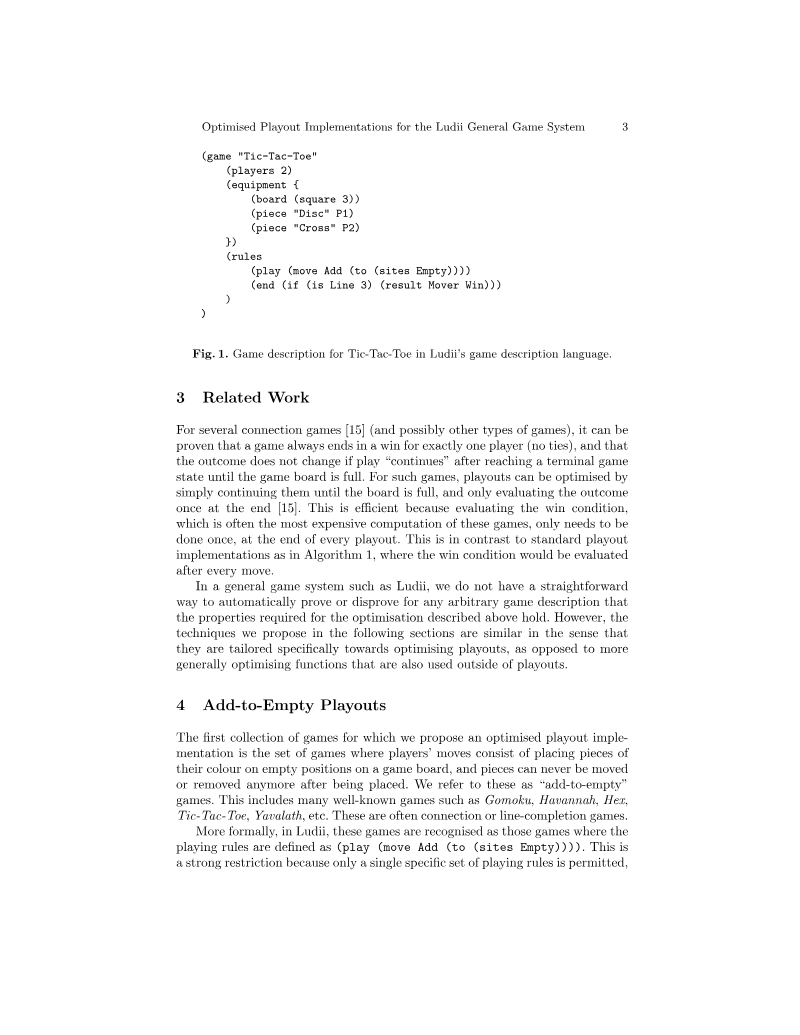
The methodology utilizes a class grammar approach to parse game descriptions, where each component of the game logic—represented by "ludemes"—contains a function to generate a corresponding natural language explanation. To supplement the text, the system performs random playouts to identify distinct moves, which are then rendered as static images or GIF animations. These visuals highlight piece movement, initial board setups, and winning conditions. Additionally, the framework incorporates AI-driven heuristics to provide strategic advice, offering novice players insights into optimal play based on factors like material control and mobility.
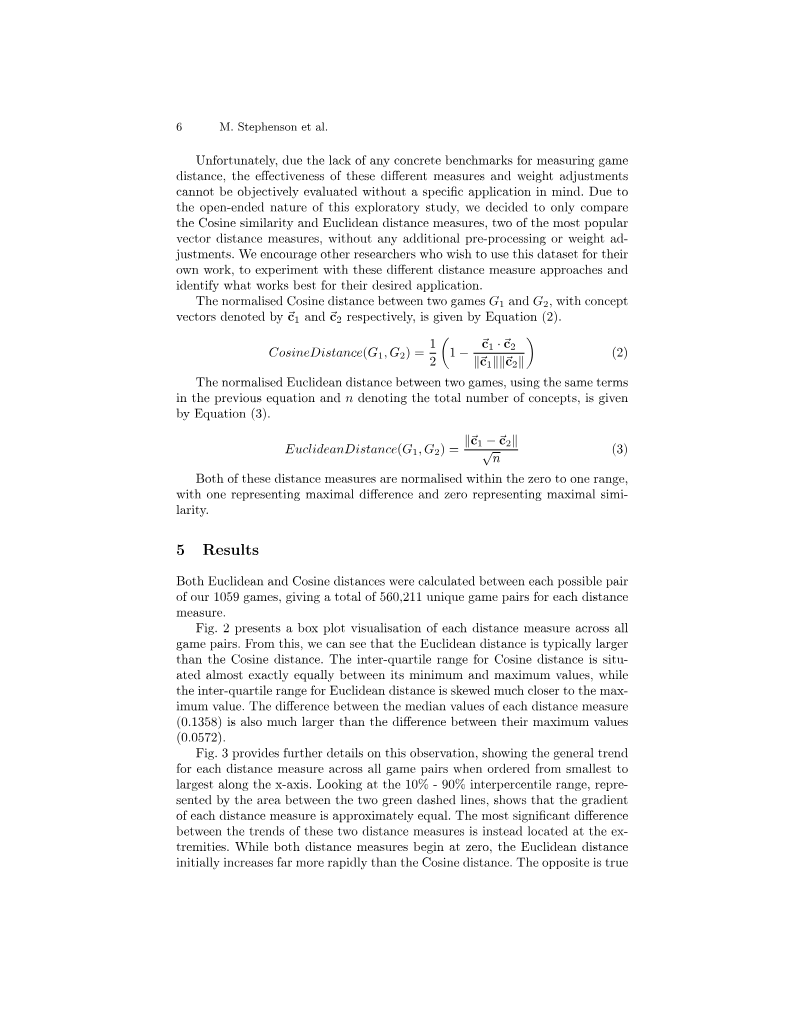
The system is designed to support the vast majority of non-dexterity board games within the Ludii ecosystem, which currently encompasses over 950 titles. While the framework effectively automates the creation of rules, setup instructions, and move visualizations, it faces limitations in handling games with simultaneous moves or complex state-dependent mechanics. Future development aims to enhance the system through interactive tutorial scenarios, AI-based coaching, and adaptive difficulty settings to further improve player engagement and learning. This approach provides a scalable solution for documenting large libraries of games where manual rule-writing is impractical.