1 free read left. Create a free account for unlimited reading + AI research.
Create free accountWhitepaperMaastricht University
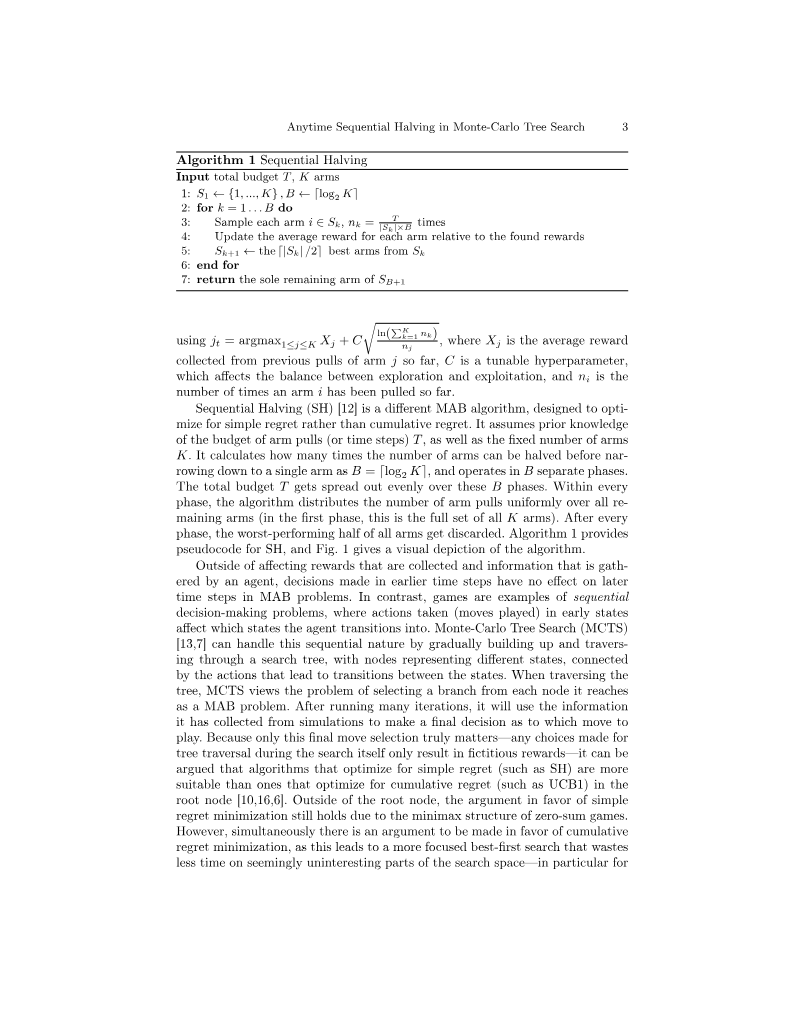
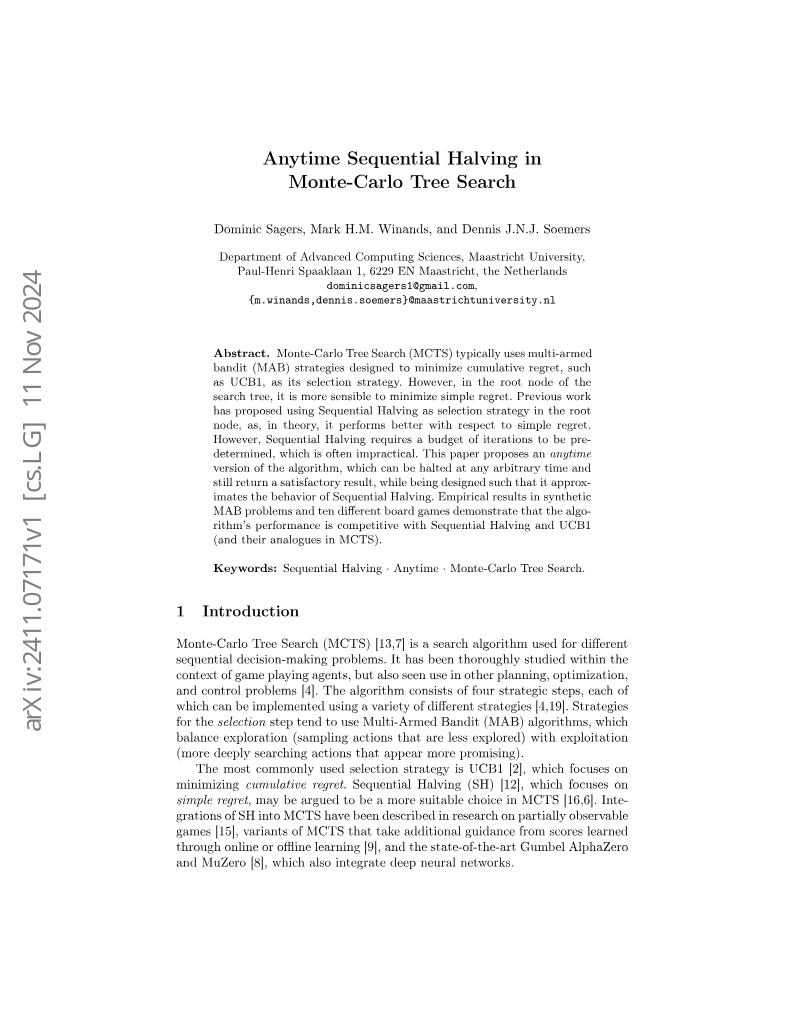
This research introduces "Anytime Sequential Halving," a novel selection strategy for Monte-Carlo Tree Search (MCTS) designed to address the limitations of standard Sequential Halving (SH). While SH is theoretically superior for minimizing simple regret—a critical metric for final move selection in games—it traditionally requires a predetermined iteration budget, preventing it from being used in anytime scenarios where an agent must be capable of returning a decision at any arbitrary moment. The proposed algorithm functions by iteratively performing passes of the standard SH process, allowing it to be halted at any time while maintaining competitive performance.
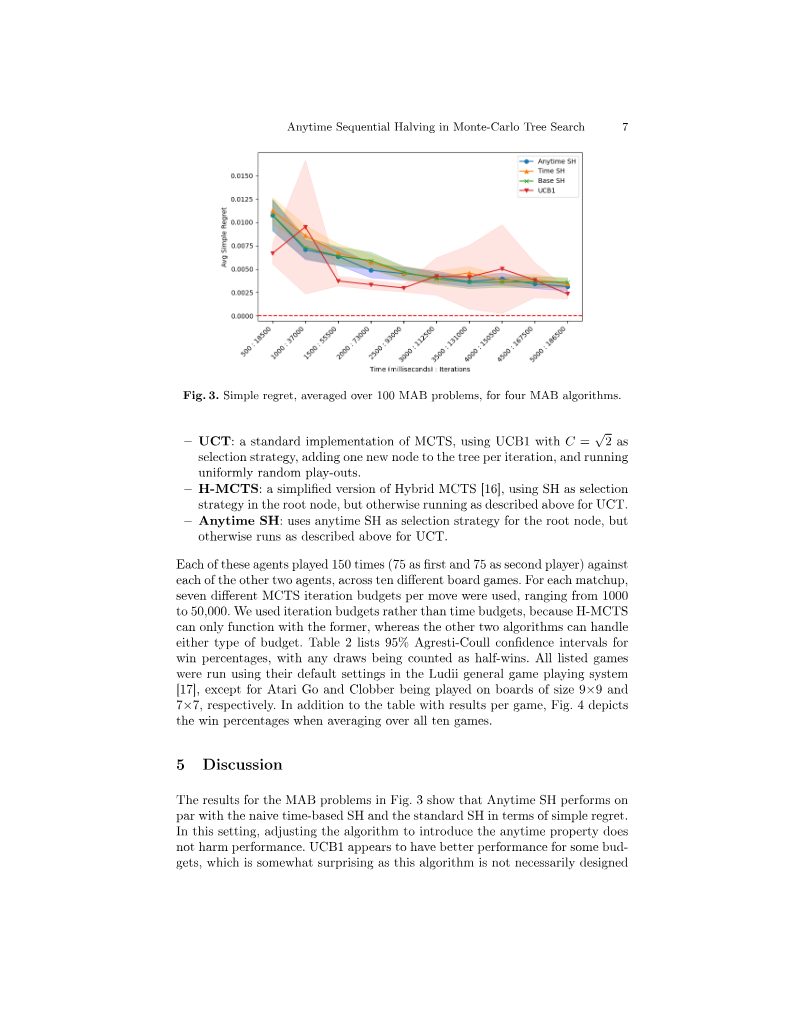
The methodology involved evaluating the algorithm against standard UCB1 and traditional SH across two primary domains: synthetic multi-armed bandit (MAB) problems and ten distinct board games implemented within the Ludii general game playing system. In the MAB experiments, the algorithm demonstrated simple regret performance on par with standard SH and a trivial time-based variant. In the board game experiments, the algorithm was integrated into the root node of MCTS and compared against standard UCT and Hybrid MCTS (H-MCTS).
Empirical results indicate that while H-MCTS often performs better at low iteration budgets, Anytime Sequential Halving remains competitive with UCT, showing improved performance as iteration budgets increase. The study concludes that the algorithm successfully provides the desired anytime property without sacrificing the simple regret optimization benefits of SH. Future work is suggested to refine the algorithm’s behavior when the ordering of arms changes between passes and to explore its interaction with various MCTS hyperparameters.
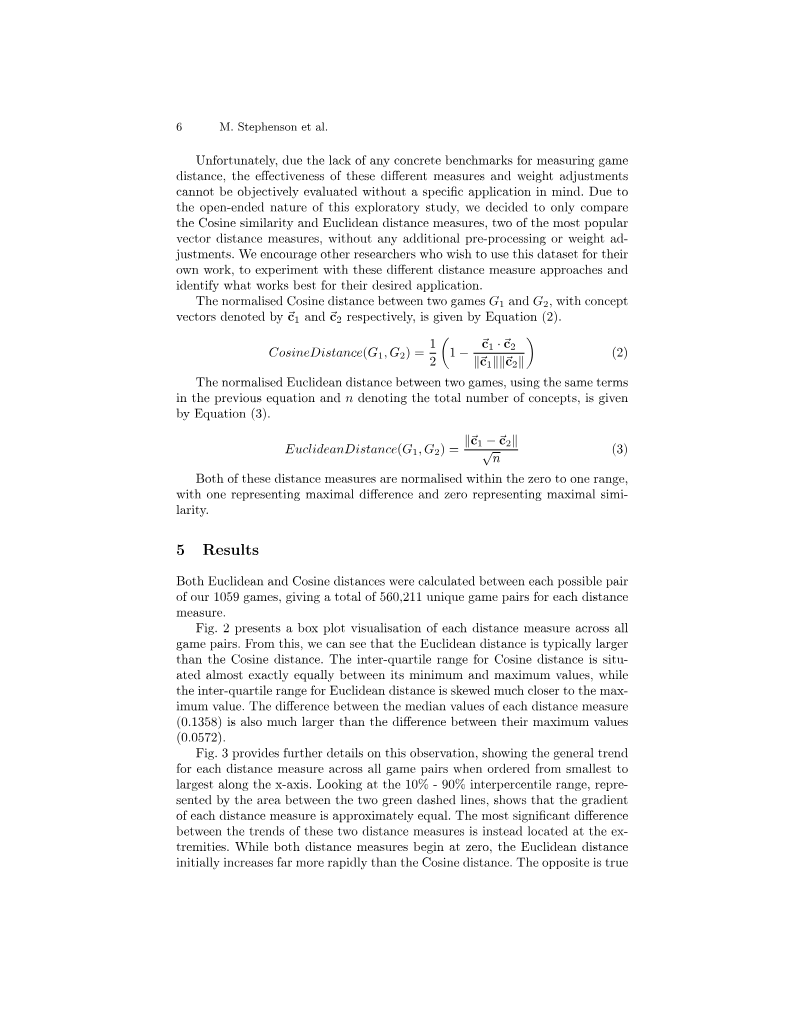
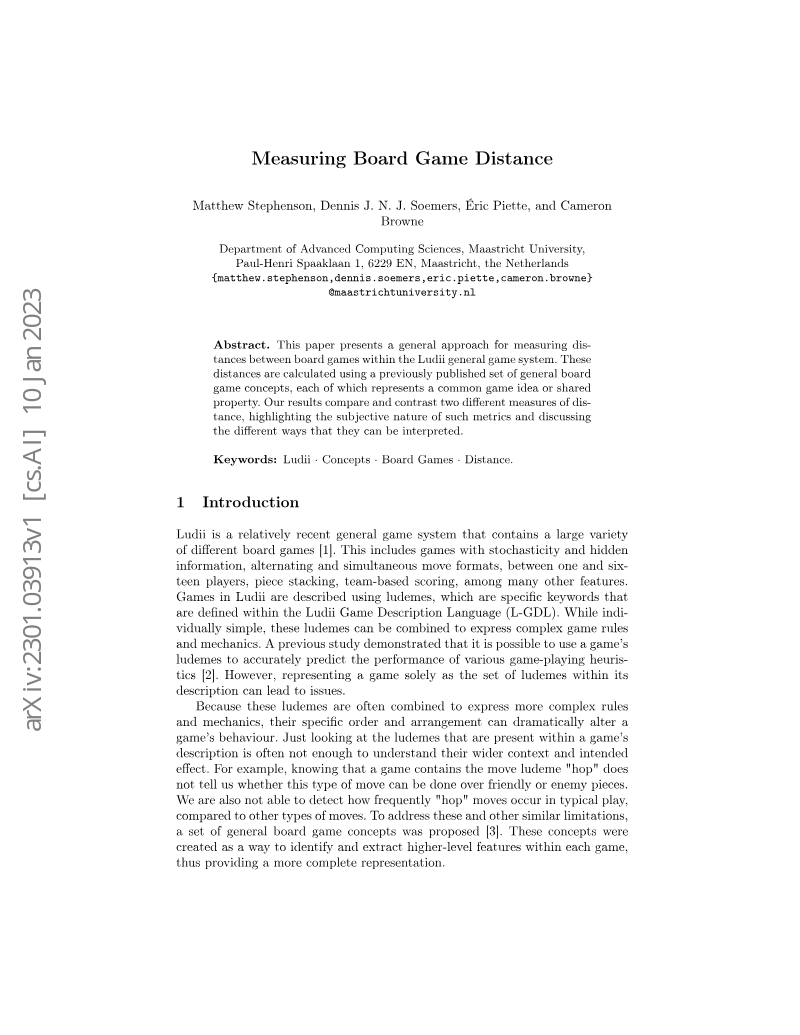
Maastricht University · 2023
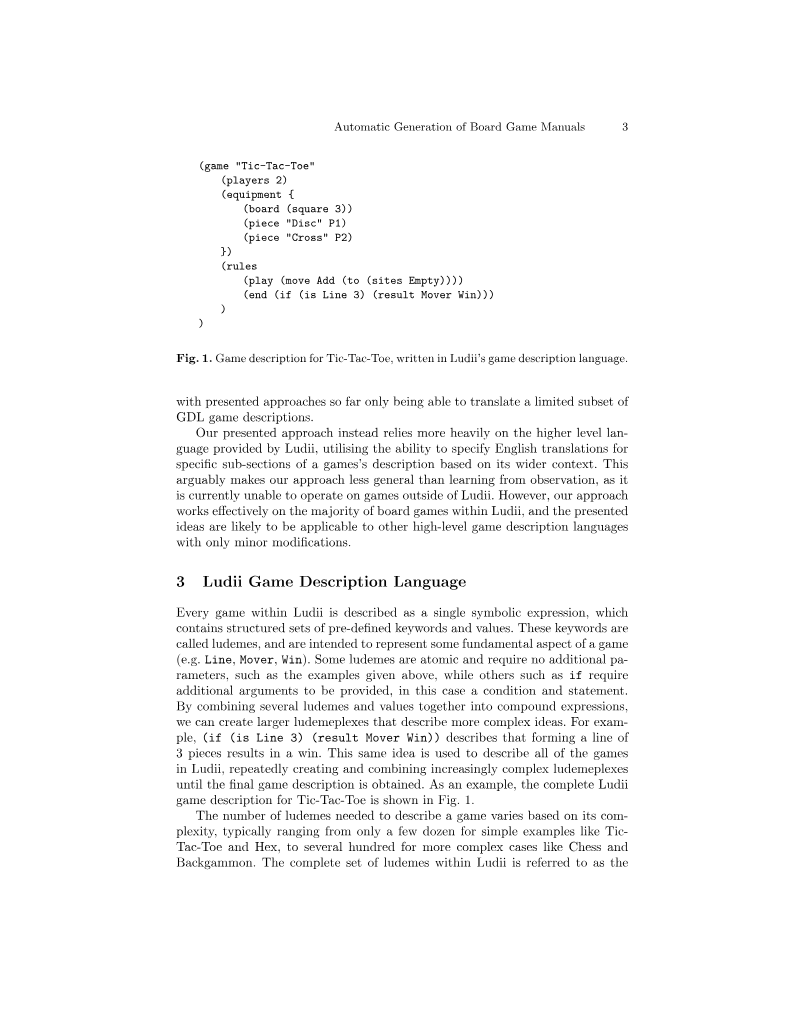
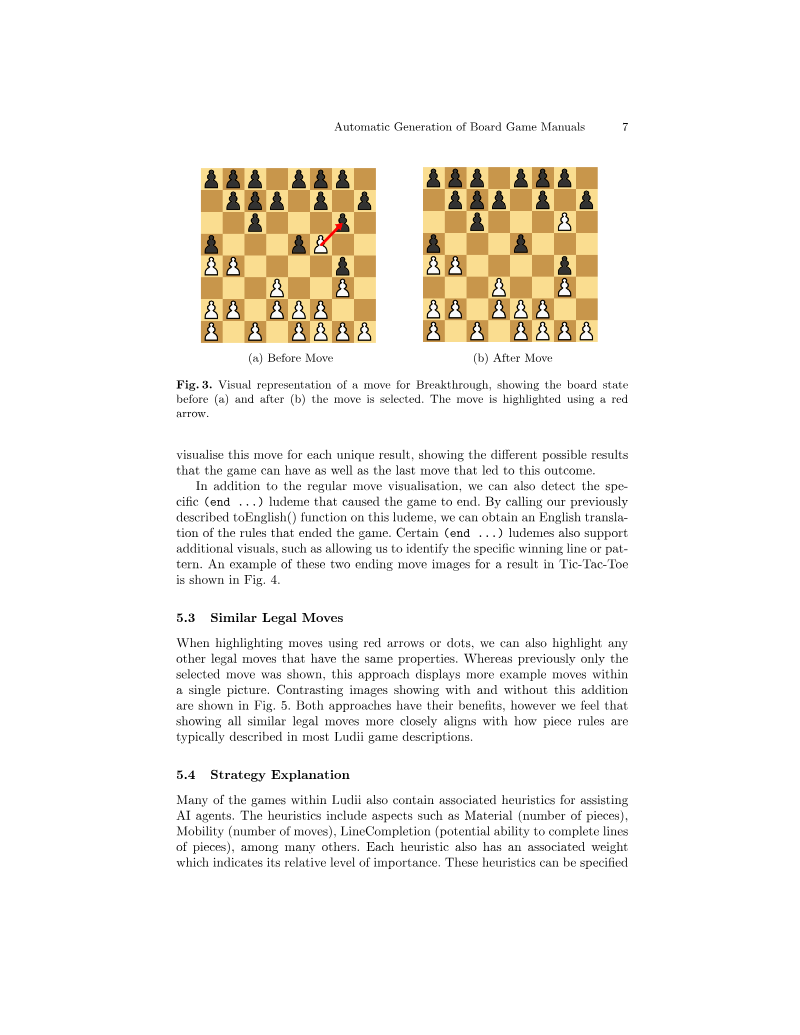
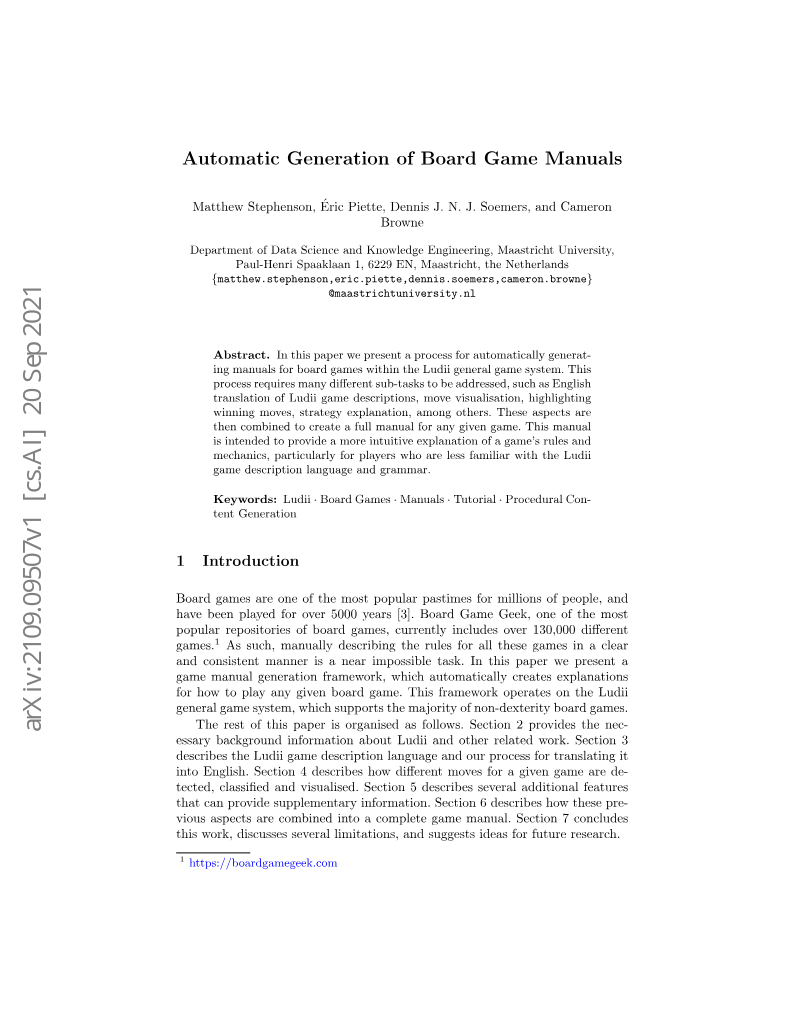
Maastricht University · 2022
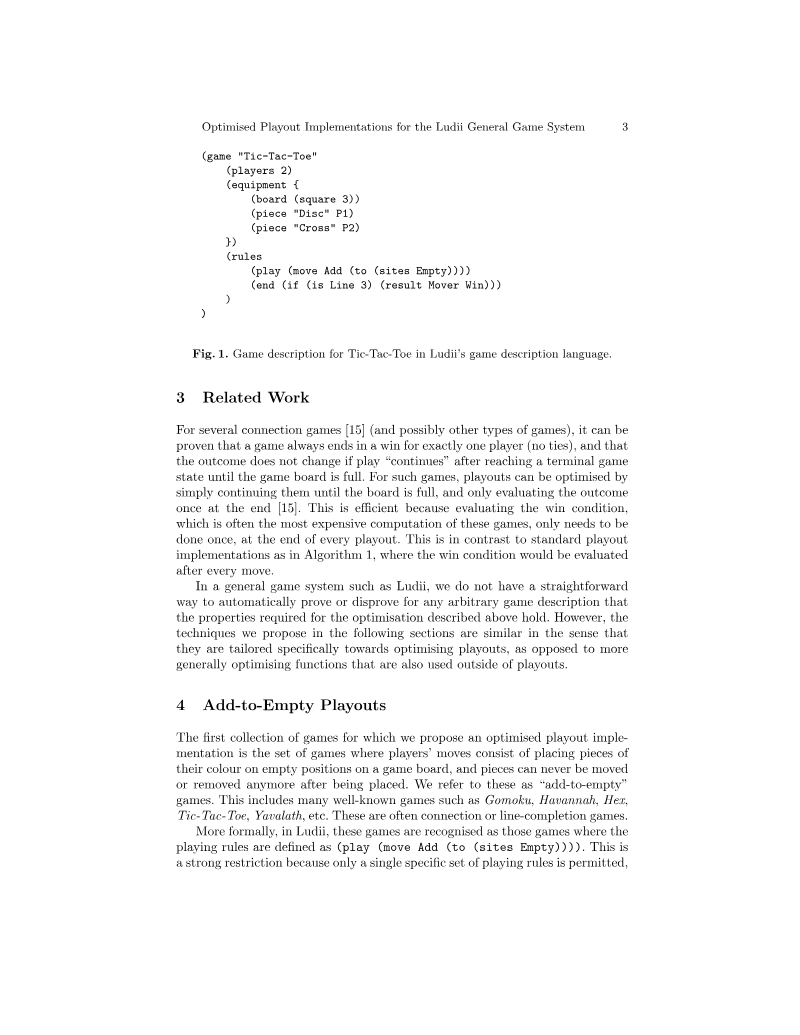
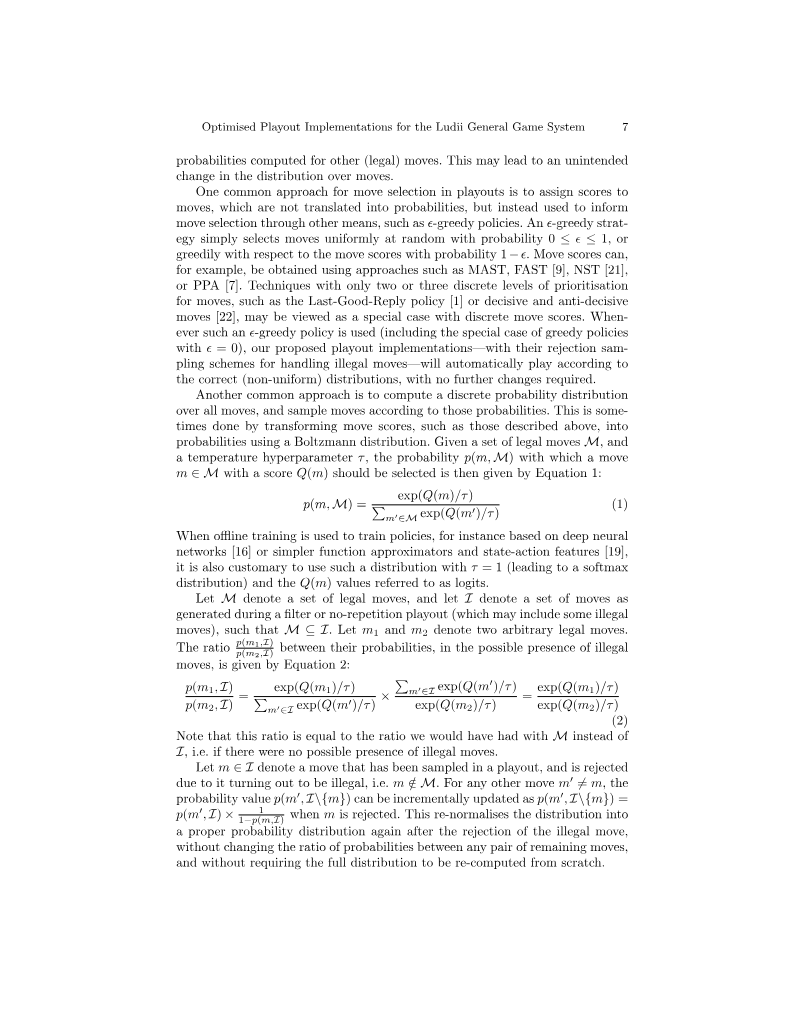
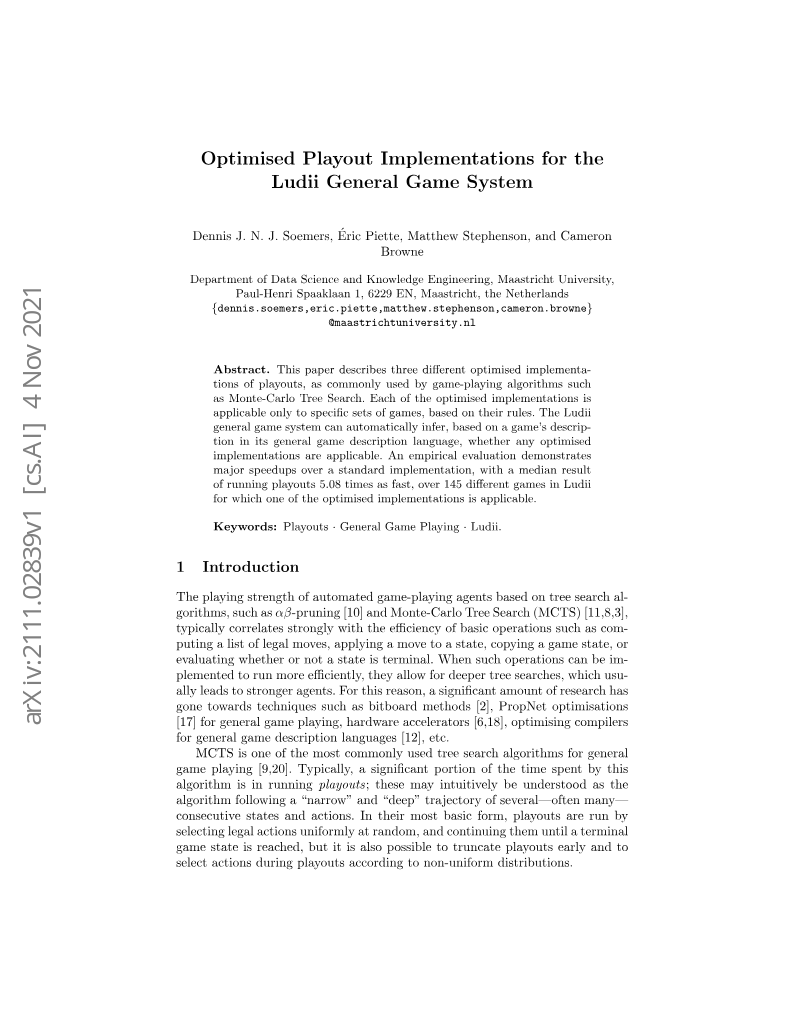
Maastricht University · 2022
Maastricht University · 2022

PocketGamer.biz · 2026














Comments