More on AI
View all


Whitepaper
Player Experience of Hybridity in a Narrative Boardgame
DiGRA · 2026
Whitepaper
Compressed Game Solving
arXiv · 2025
Whitepaper
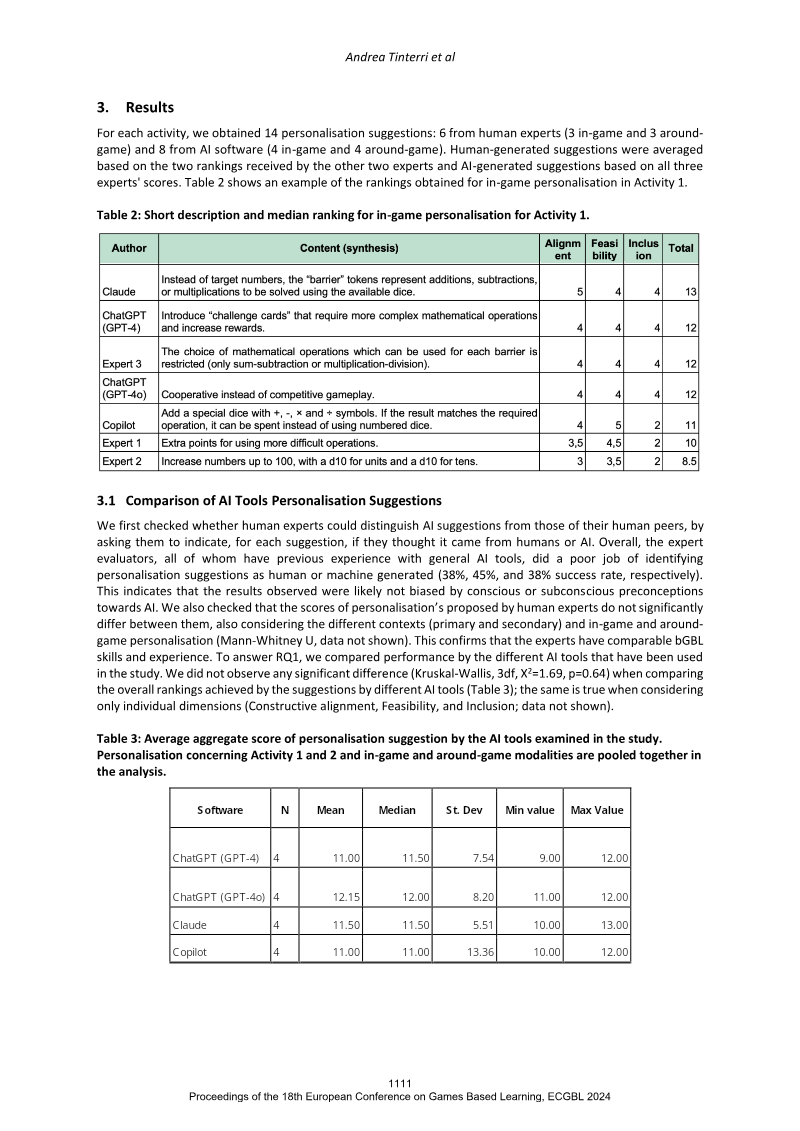
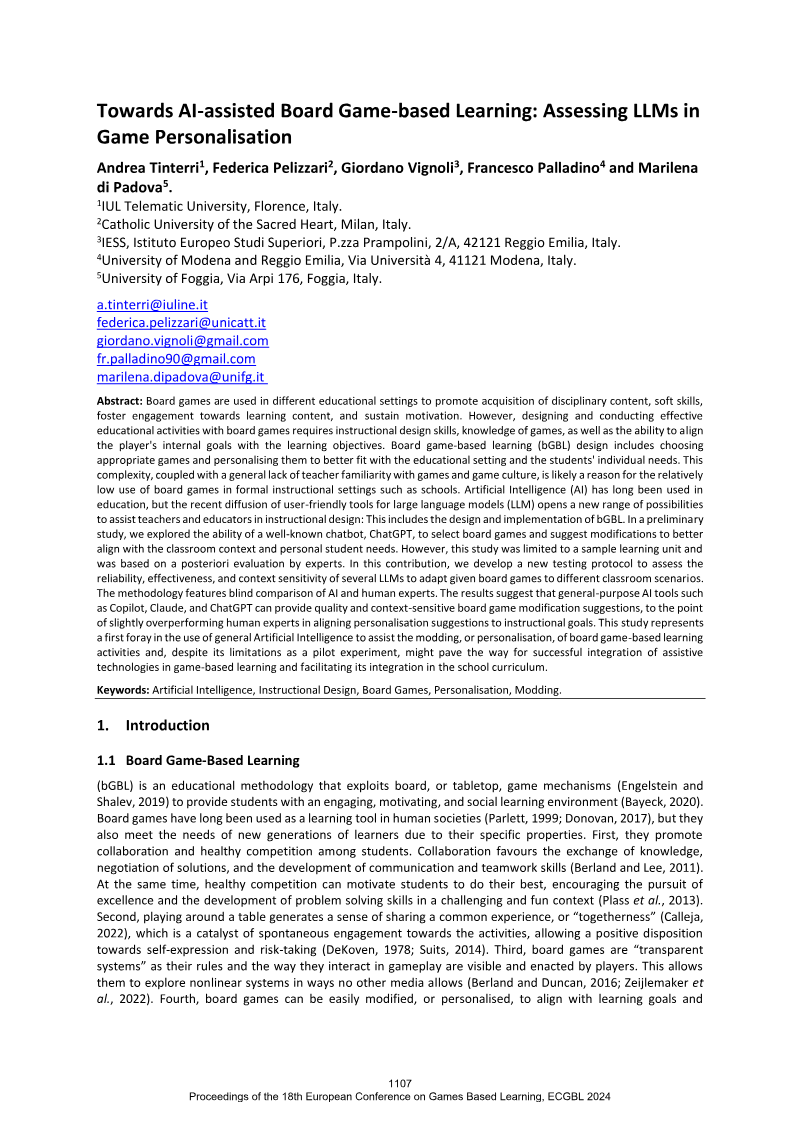
Towards AI-Assisted Board Game-Based Learning: Assessing LLMs in Game Personalisation
European Conference on Games Based Learning (ECGBL) · 2024
Whitepaper
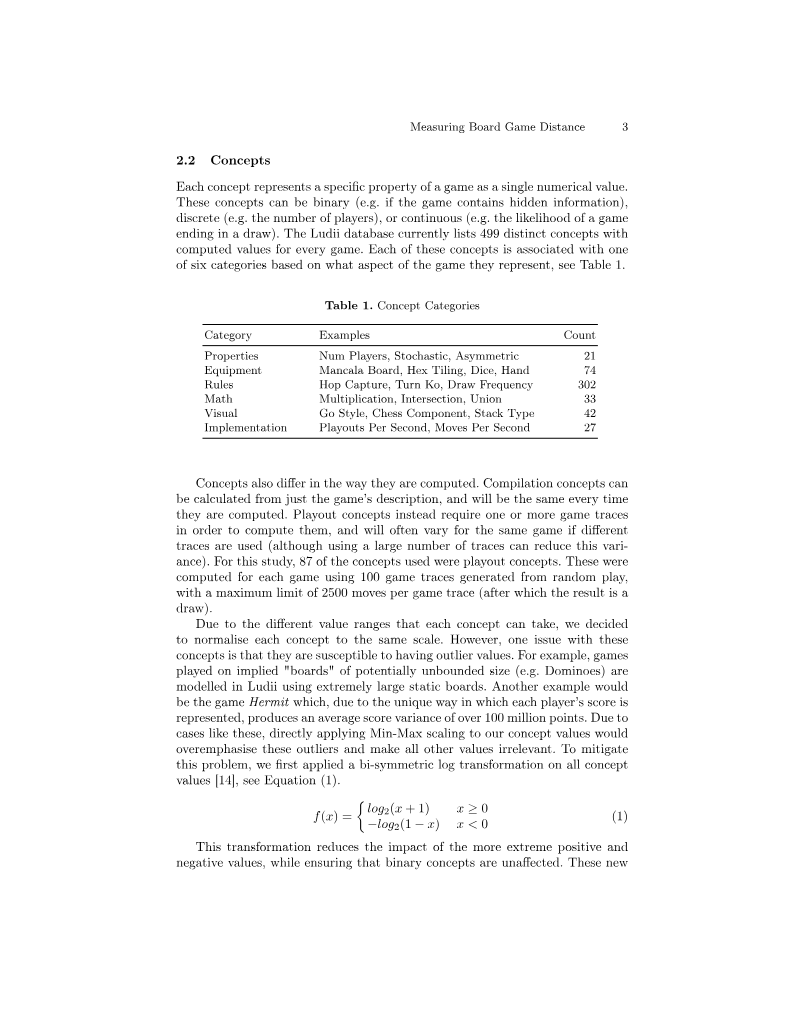
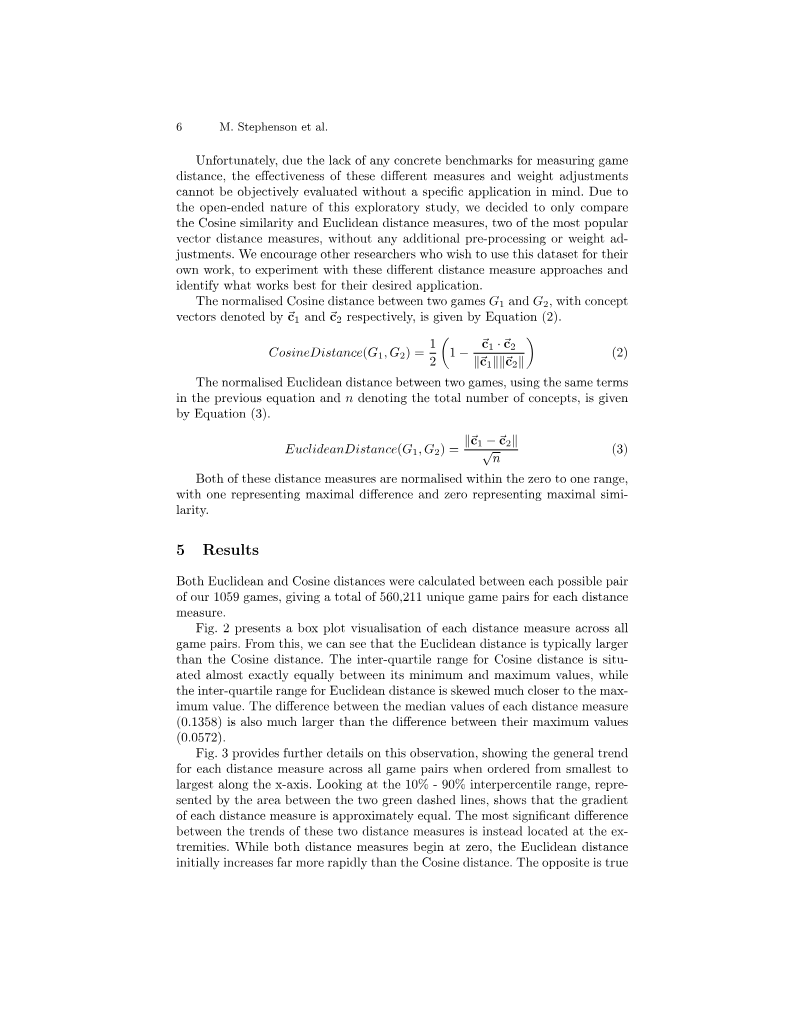
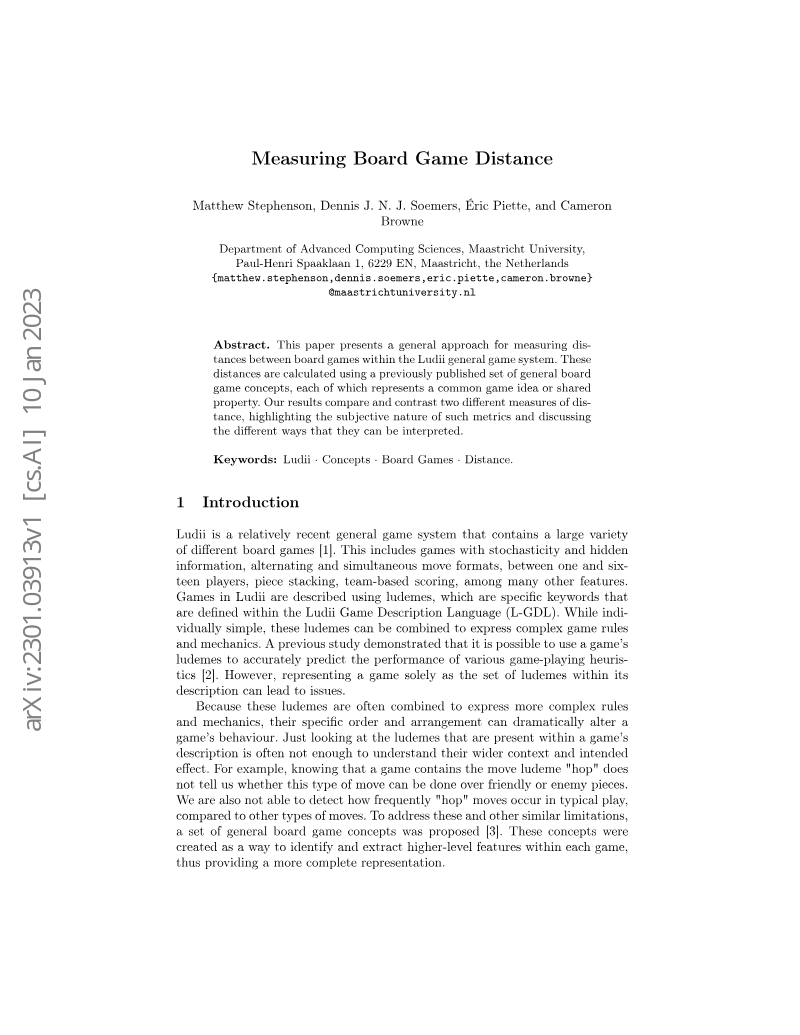
Measuring Board Game Distance
Maastricht University · 2023
Whitepaper
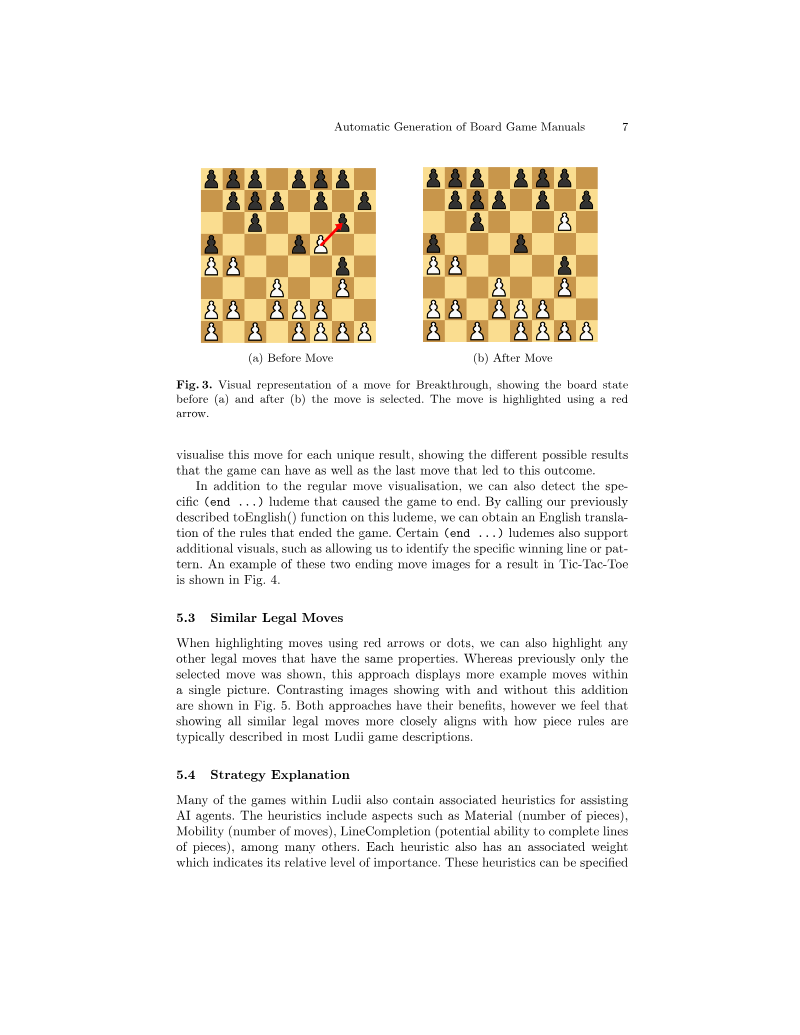
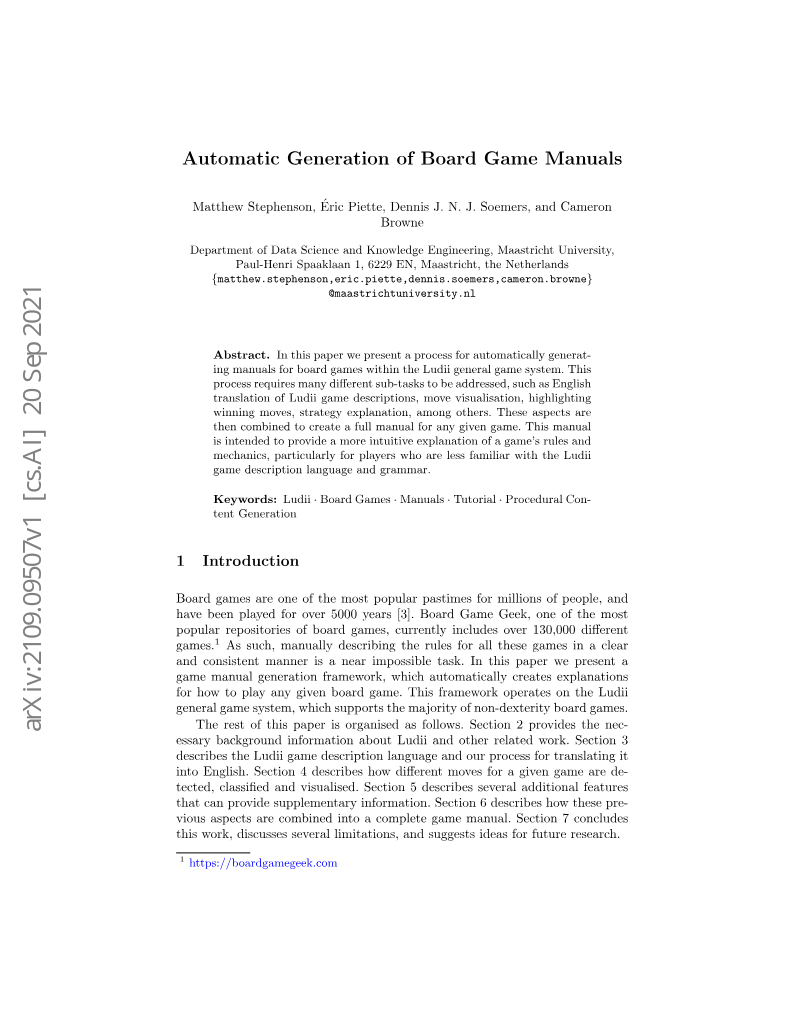
Automatic Generation of Board Game Manuals
Maastricht University · 2022
Whitepaper
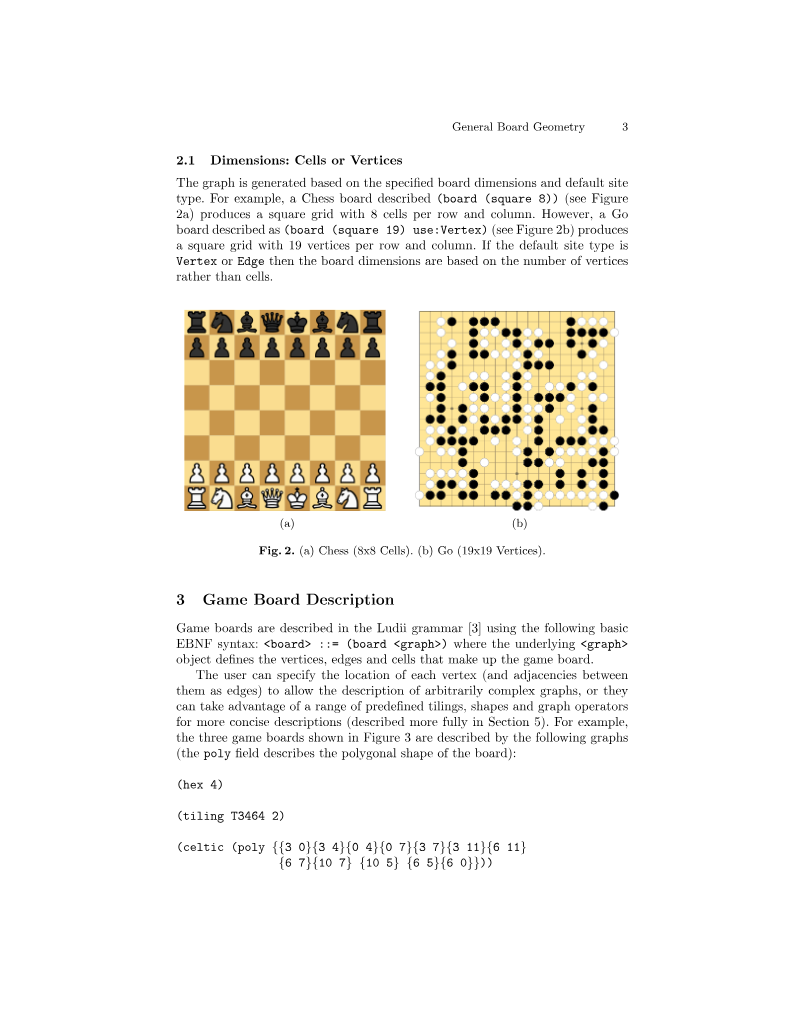
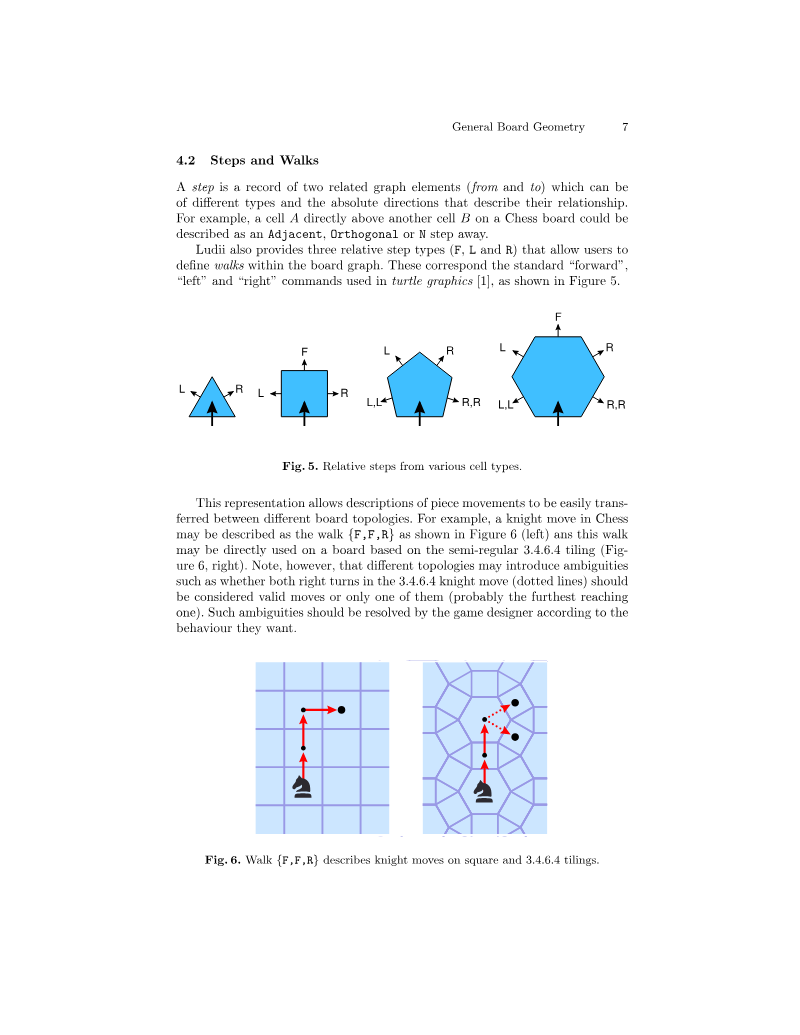
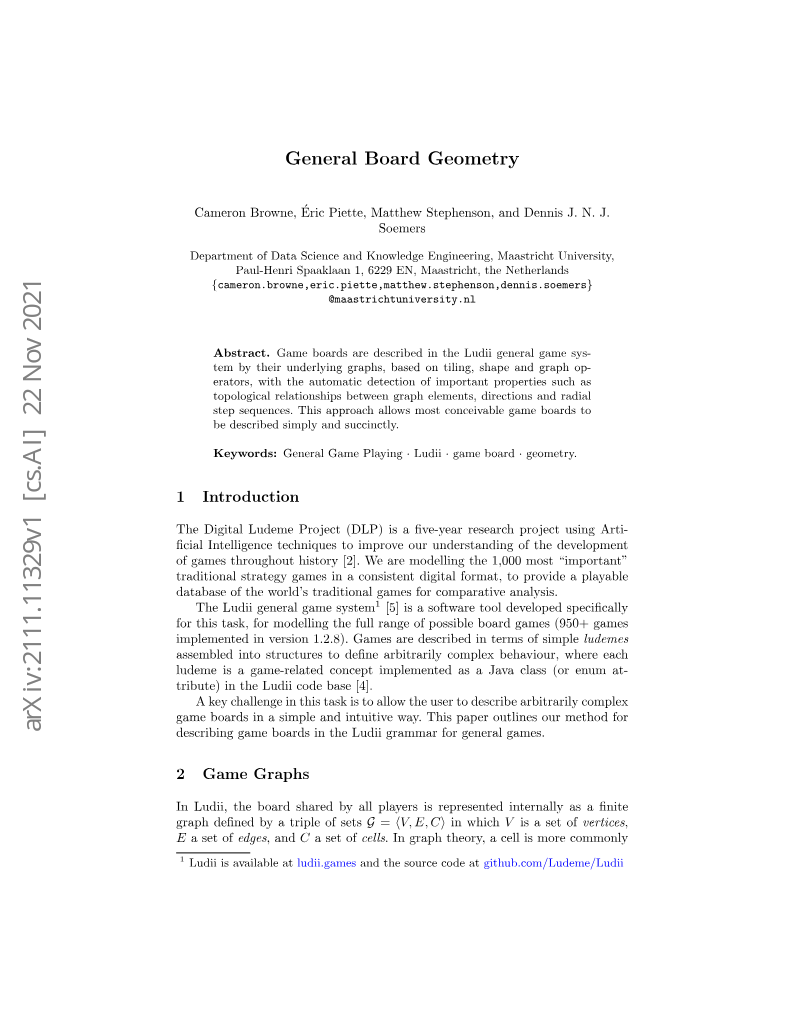
General Board Geometry
Maastricht University · 2022
Whitepaper
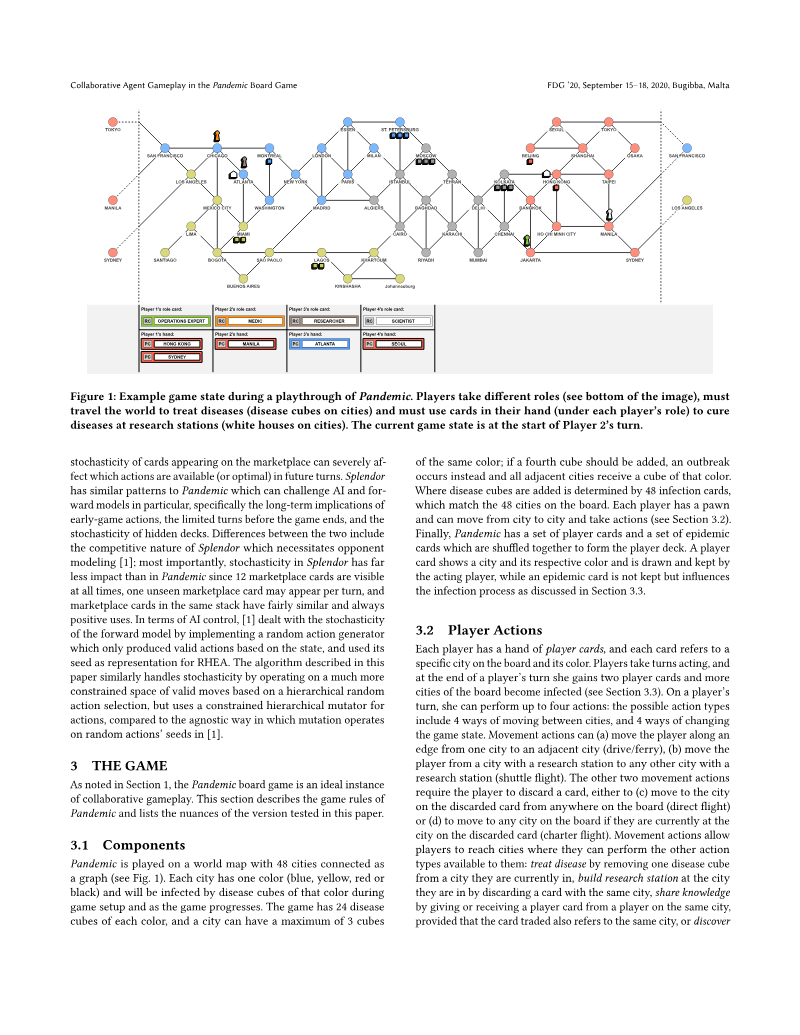
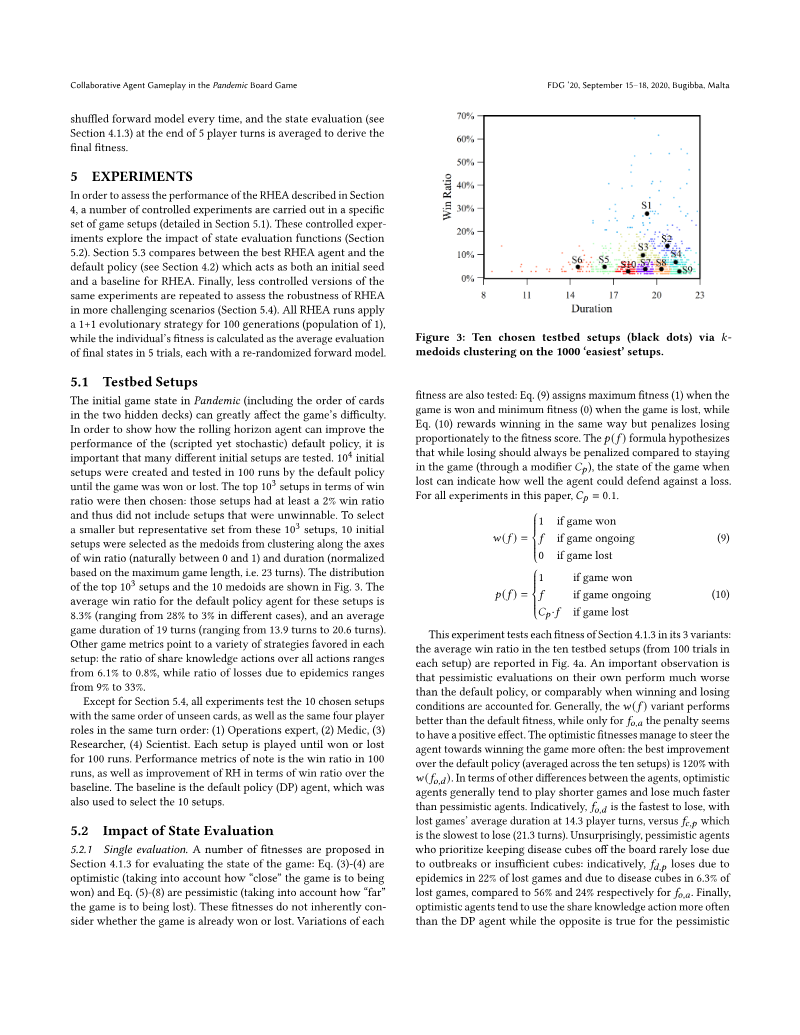
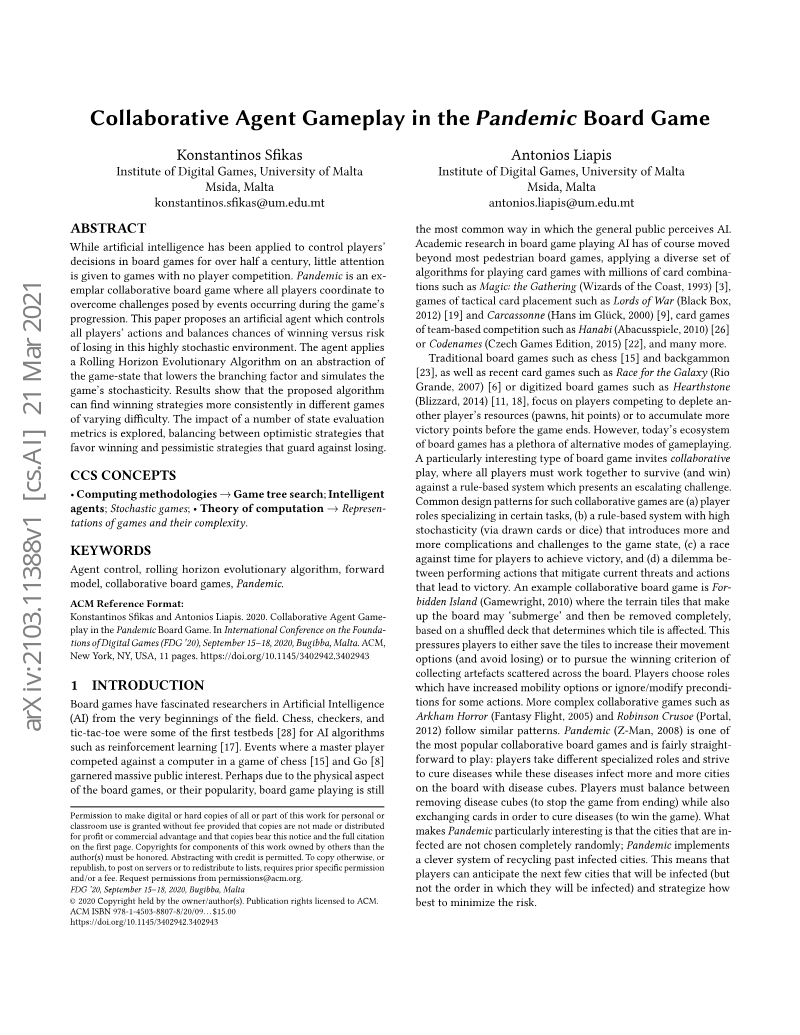
Collaborative Agent Gameplay in the Pandemic Board Game
University of Malta · 2020
Whitepaper
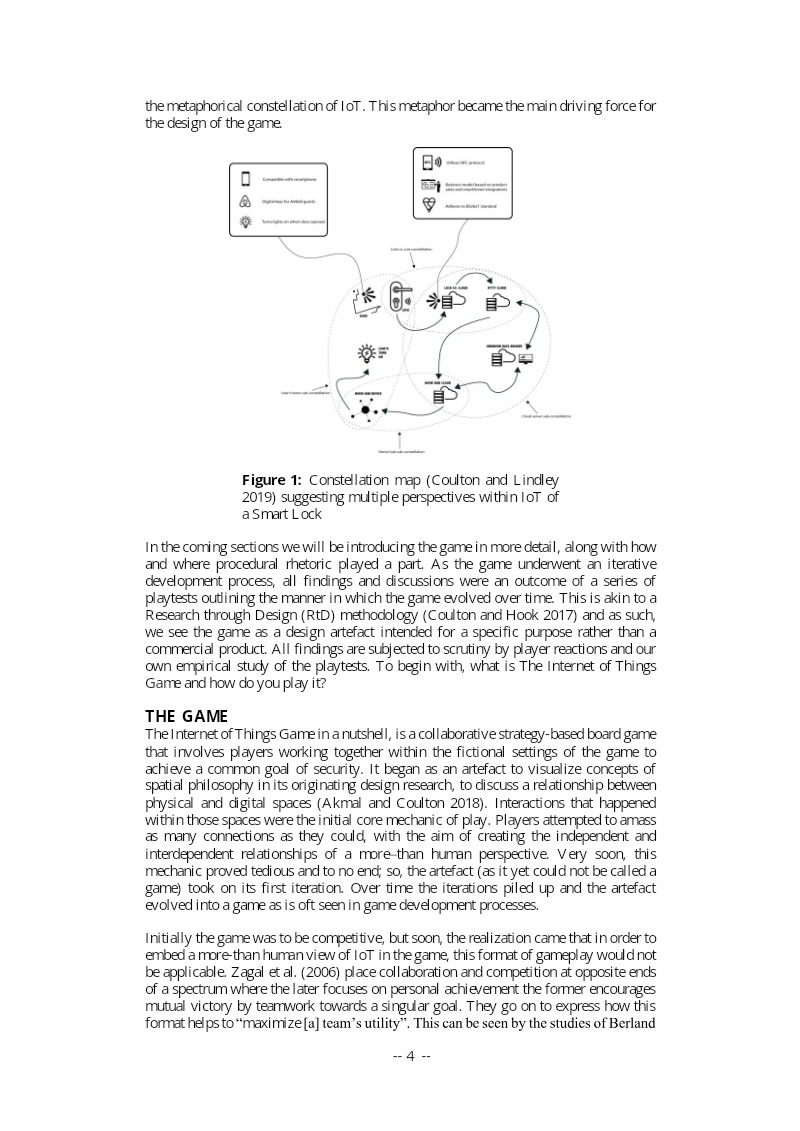
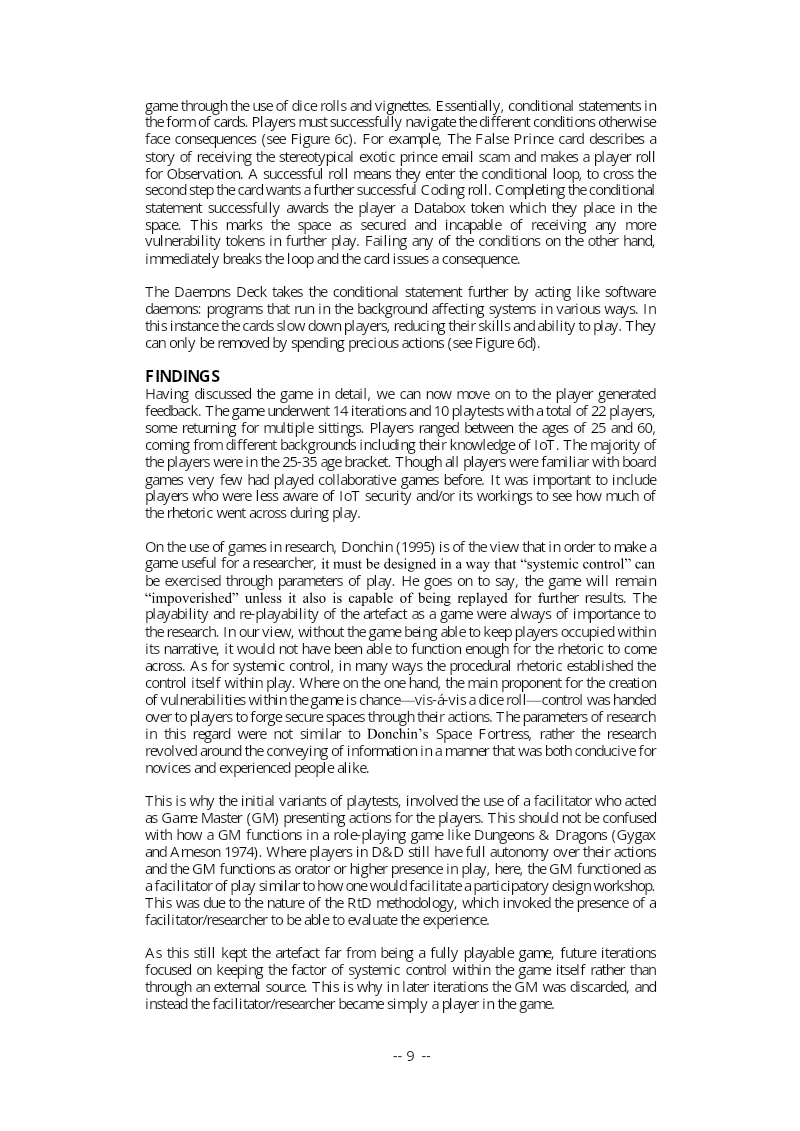
The Internet of Things Game: Revealing the Complexity of the IoT
DiGRA · 2020
Jonas Tyroller
Using AI for Game Design!
Jonas Tyroller · 2019
Whitepaper
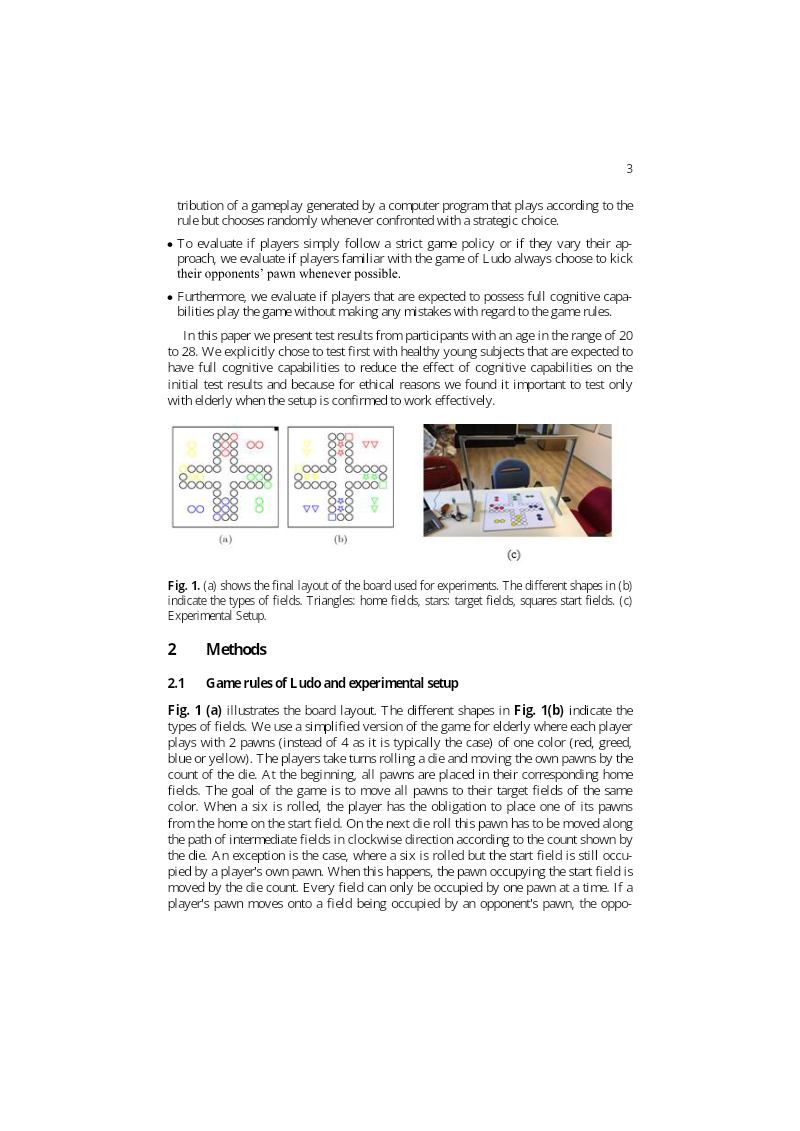
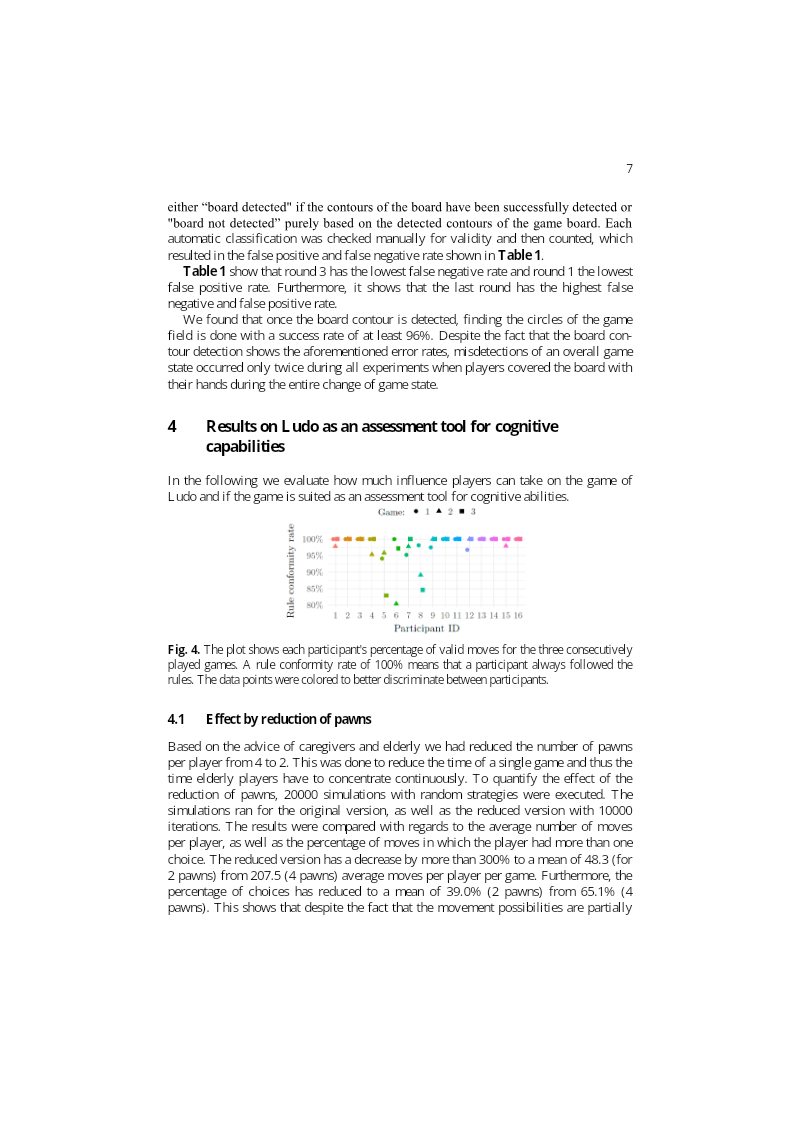
Evaluating the Adoption of the Physical Board Game Ludo for Automated Assessments of Cognitive Abilities
Springer · 2018
Whitepaper
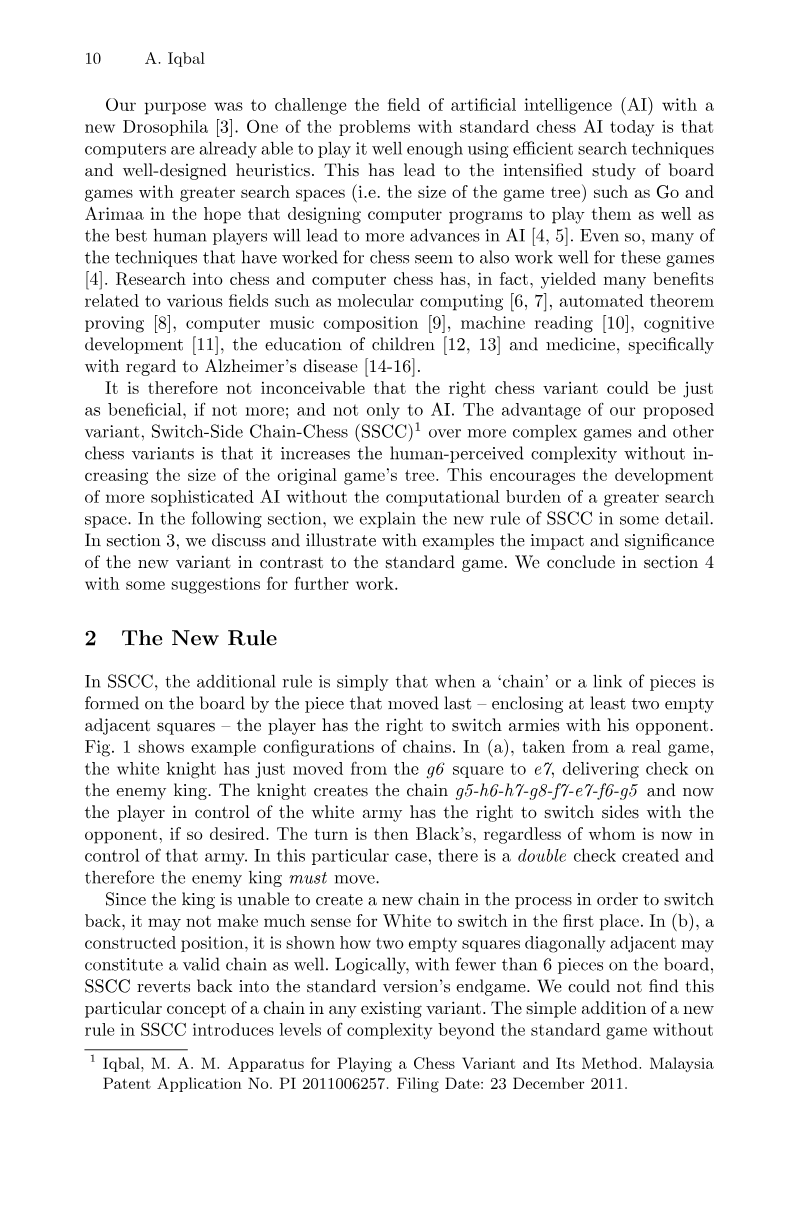
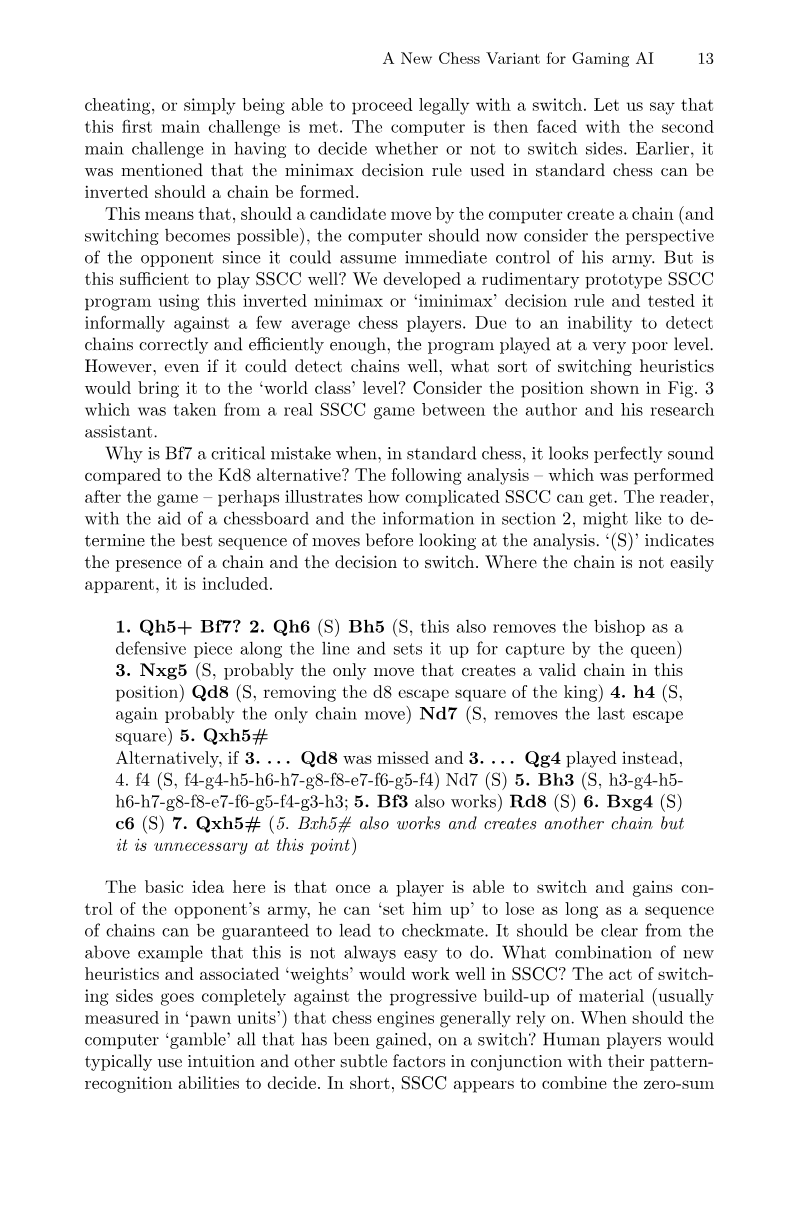
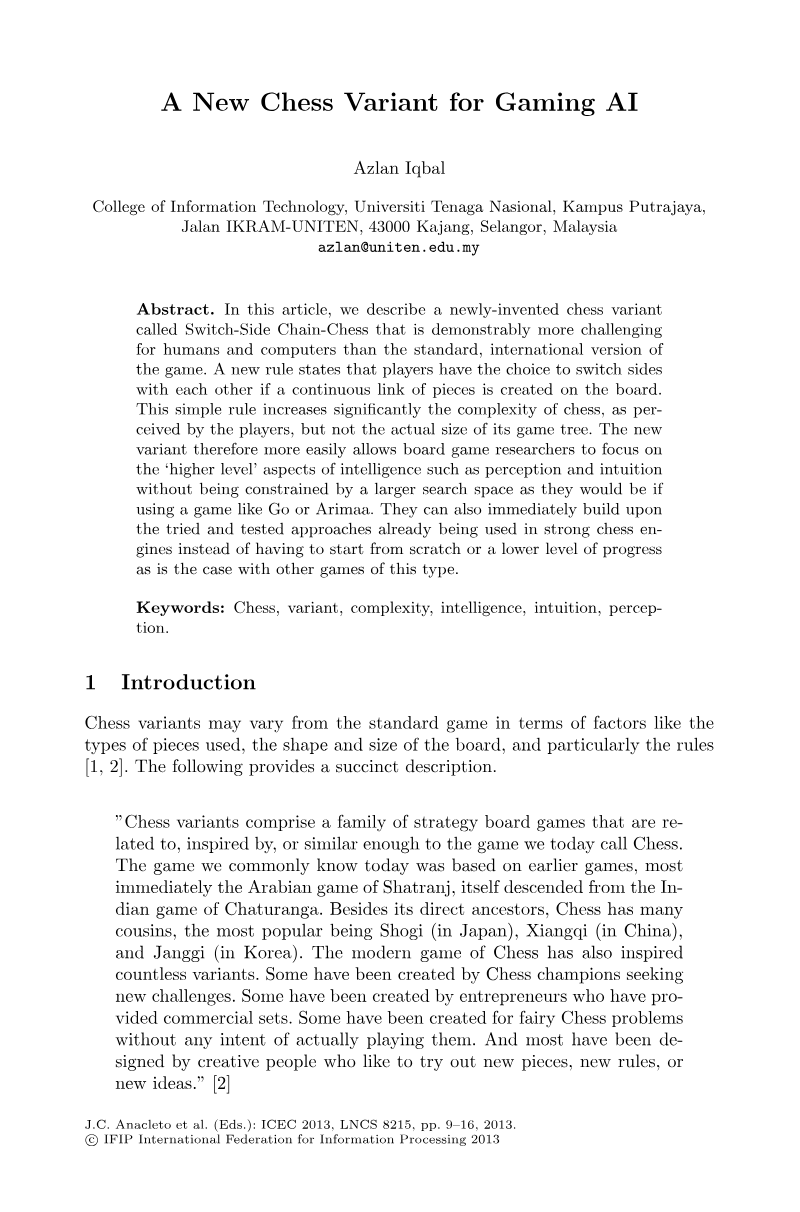
A New Chess Variant for Gaming AI
IFIP International Conference on Entertainment Computing (ICEC) · 2013
Whitepaper
Augmented Board Games: Enhancing Board Games with Electronics
Interactive Institute · 2005