Canada's Video Game Industry in 2013: Final Report
1 Jul 201360 pages~98 min full read
Canada’s Video Game Industry in 2013 – Final Report (Summary)
1. Industry Perception of Tax Credits
Overall valuation: Canadian video‑game tax credits received an average rating of 4.4 / 5, indicating that firms consider them a highly valuable policy tool. Key benefits identified: Project opportunities: Highest impact score (4.0 / 5). Employee retention, revenue growth, and industry visibility also scored strongly, reflecting that tax incentives help companies keep talent, expand sales, and raise the sector’s profile. Cost‑effectiveness: Respondents reported that the administrative burden is low relative to the financial value they obtain from the credits. Growth outlook: The survey revealed a very optimistic near‑term outlook: 40 % of firms expect revenue growth of more than 25 % in the coming year, underscoring confidence that the tax environment is a catalyst for expansion.
2. Economic‑Impact Analysis
| Component | Methodology | Key Findings | |---------------|----------------|------------------| | Direct impacts | • Calculated from reported industry revenues and wages.<br>• Applied an operating‑surplus‑to‑labour‑income ratio of 15.17 % (derived from the broader software‑publishing sector) to estimate profits and value‑added. | • Direct employment, labour income, and GDP contributions were quantified based on actual firm‑level data. | | Indirect impacts | • Integrated the survey data with Statistics Canada Input‑Output (I‑O) tables.<br>• Modeled supply‑chain spillovers, capturing purchases from other Canadian industries and adjusting for import leakages (goods/services sourced abroad). | • Showed how video‑game firms stimulate activity in supporting sectors (e.g., hardware, professional services, marketing). | | Induced impacts | • Used a custom multiplier built on Canada’s marginal propensity to consume (MPC) and marginal propensity to import (MPI).<br>• Estimated household re‑spending of earnings generated in the direct and indirect stages. | • Quantified the additional employment, income, and GDP generated when workers and suppliers spend their wages locally. |
Overall economic contribution (direct + indirect + induced): The combined effect demonstrates that the video‑game sector’s footprint extends well beyond the firms themselves, creating significant ancillary jobs and income throughout the Canadian economy. The methodology ensures that import leakages are subtracted, providing a realistic picture of net domestic impact.
3. Implications
1. Policy Validation – The high satisfaction scores and strong growth expectations confirm that the tax‑credit regime is achieving its intended objectives: fostering project development, retaining talent, and boosting sector visibility. 2. Economic Multiplier Effect – The I‑O‑based analysis shows that every dollar of direct video‑game revenue generates additional economic activity across multiple industries, reinforcing the argument for continued or expanded fiscal support. 3. Strategic Recommendations (derived from the findings): Maintain or enhance tax‑credit levels to sustain the momentum in project creation and revenue growth. Streamline administrative processes further to keep the cost‑benefit ratio favorable.
ESAC – Entertainment Software Association of Canada · 2025

ESAC – Entertainment Software Association of Canada · 2024

ESAC – Entertainment Software Association of Canada · 2024

ESAC – Entertainment Software Association of Canada · 2024

ESAC – Entertainment Software Association of Canada · 2024

ESAC – Entertainment Software Association of Canada · 2023
ESAC – Entertainment Software Association of Canada · 2022

ESAC – Entertainment Software Association of Canada · 2022

ESAC – Entertainment Software Association of Canada · 2022

ESAC – Entertainment Software Association of Canada · 2020

ESAC – Entertainment Software Association of Canada · 2019

ESAC – Entertainment Software Association of Canada · 2019

8Bit · 2026

Values Value · 2026
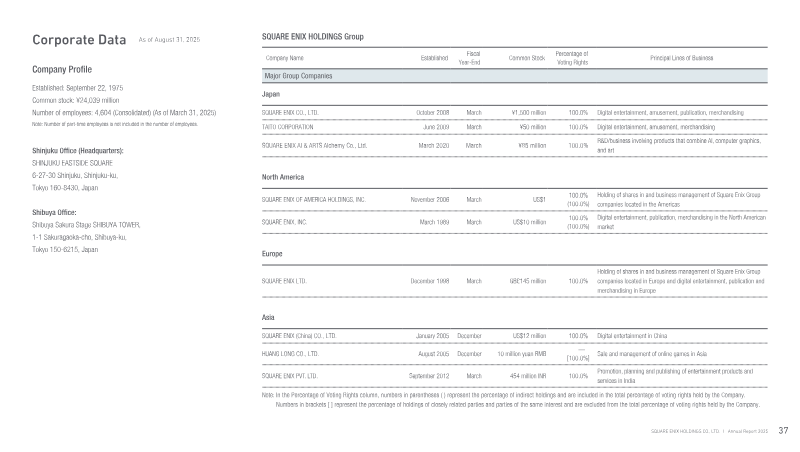
Square Enix · 2025

Game Developers Conference · 2025

InGameJob · 2025

InGameJob & Values Value · 2025
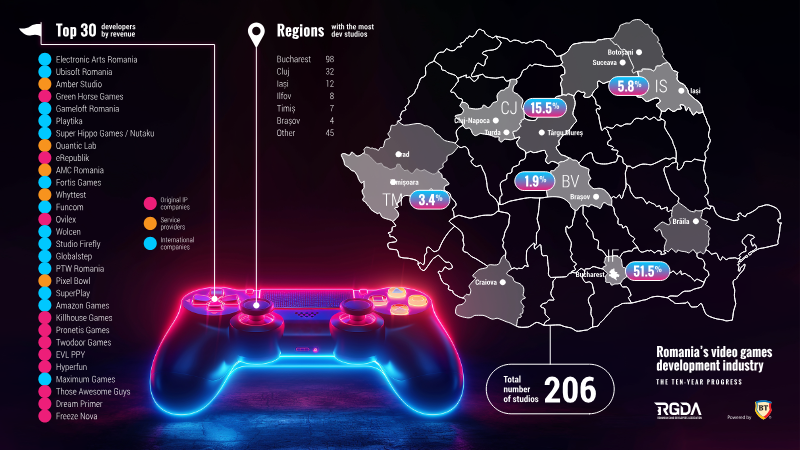
RGDA – Romanian Game Developers Association · 2025
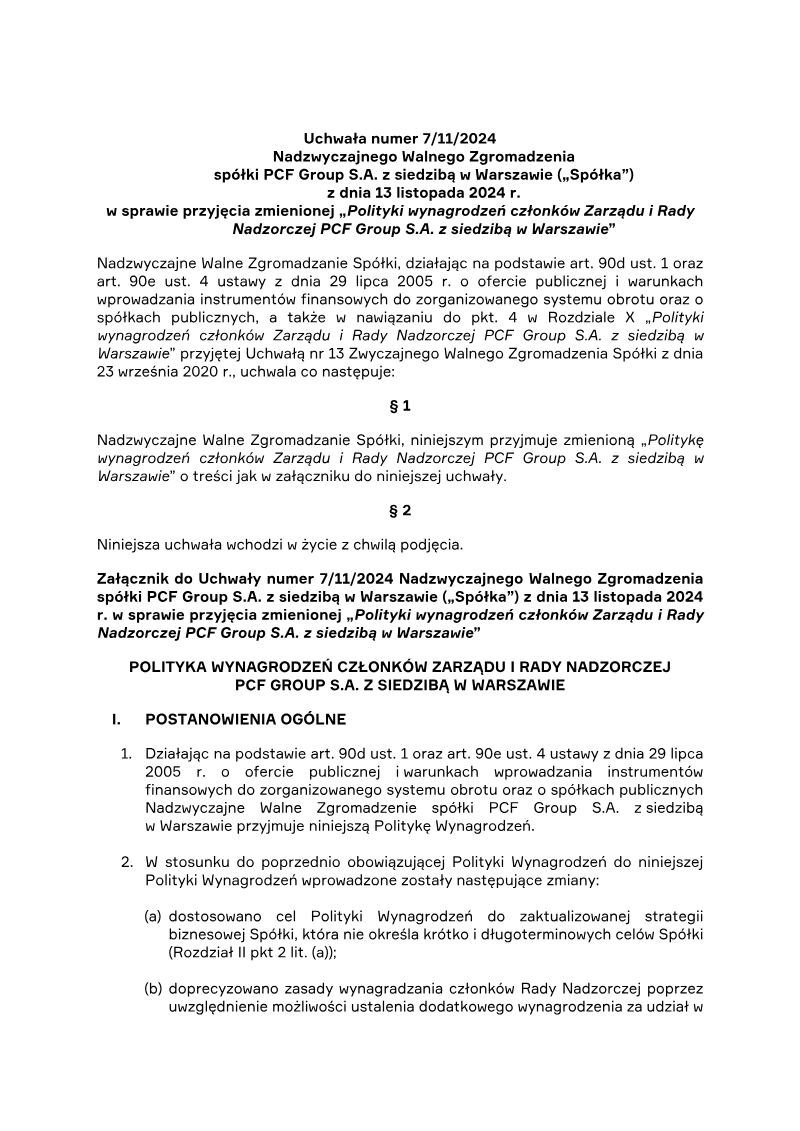
PCF Group · 2024

International Game Developers' Association · 2024

CESA – Computer Entertainment Supplier's Association · 2024
Dutch Games Association · 2024

80 Level · 2024