1 free read left. Create a free account for unlimited reading + AI research.
Create free accountArticle How To Market A Game
1 free read left. Create a free account for unlimited reading + AI research.
Create free accountArticleHow To Market A Game
If a game appears too revolutionary or unconventional, players often perceive it as high-risk.
Risk aversion. Players often perceive highly original or unconventional games as high-risk, deterring purchases.
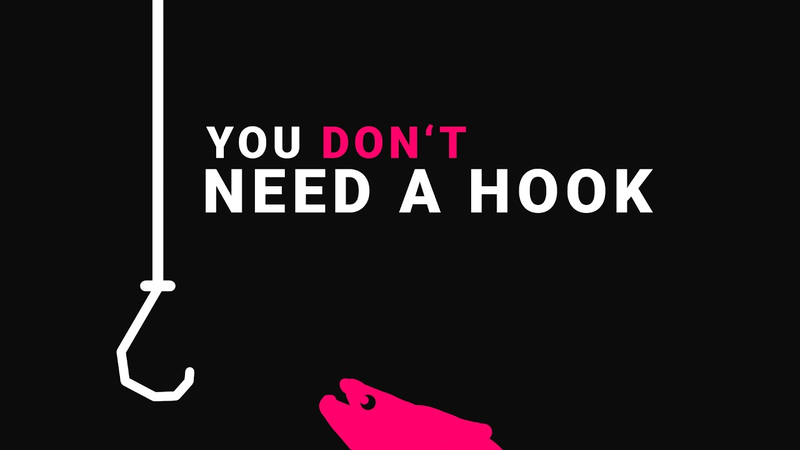
Effective game marketing requires a balance between a unique hook and a stabilizing anchor. While industry convention emphasizes the hook—the innovative element that differentiates a title—consumer behavior research suggests that players prioritize familiarity when making purchasing decisions. The primary thesis is that while a hook attracts initial attention, an anchor is necessary to mitigate perceived risk and convert interest into a sale.
Anchors function by providing a sense of reliability and predictability, effectively signaling to the consumer that a game is a safe investment. Common categories of anchors include word-of-mouth recommendations from friends, endorsements from influencers, established brand loyalty, genre familiarity, sequels or spin-offs, and the use of recognizable intellectual property. Data indicates that consumers frequently cite these familiar elements as their primary motivation for wishlisting or purchasing a game, rather than the unique gameplay mechanics themselves.
The analysis draws on qualitative observations of Steam user behavior, noting that consumers often struggle to justify spending money on highly experimental or "weird" titles due to the uncertainty of the experience. By pairing a striking hook with a clear anchor, developers can communicate the value and nature of their product more effectively. This strategy ensures that potential players understand the core experience, thereby reducing the hesitation that often prevents them from completing a purchase. While purely artistic or non-commercial projects may bypass this requirement, commercial indie developers must integrate these anchors to bridge the gap between initial curiosity and final conversion.
The games and companies this document names on the inner ring, other documents about them on the outer one. Select a cover to see it up close and open it in a new tab; drag to move, pinch or Ctrl + scroll to zoom.
How To Market A Game · 2026
How To Market A Game · 2026
How To Market A Game · 2026
How To Market A Game · 2026
How To Market A Game · 2026
How To Market A Game · 2026
How To Market A Game · 2026
How To Market A Game · 2026
How To Market A Game · 2026

How To Market A Game · 2026
How To Market A Game · 2026
How To Market A Game · 2026
Thomas Brush · 2026