1 free read left. Create a free account for unlimited reading + AI research.
Create free accountWhitepaper Press Start
1 free read left. Create a free account for unlimited reading + AI research.
Create free accountWhitepaperPress Start
Distilling the key insights…
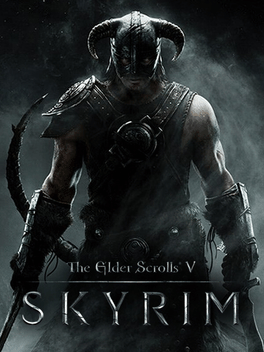
The Elder Scrolls V: Skyrim functions primarily as a colonialist power fantasy, where the natural environment is reduced to a passive, static backdrop designed for player conquest and resource extraction. By prioritizing spatial domination and unchecked exploitation, the base game reinforces a traditional design paradigm that positions the avatar as the master of the gameworld. This framework strips nature of its agency, rendering the wilderness a mere stage for combat and progression rather than a complex, living system.
The introduction of the Frostfall ecomod fundamentally disrupts this dynamic by reintroducing environmental hazards such as hypothermia and the necessity of shelter. By forcing players to negotiate with the climate as an active, lethal force, the modification shifts the gameplay loop from one of aggressive mastery to one of cautious adaptation and survival. This transformation challenges the player’s freedom of movement, effectively subverting the base game’s narrative of human supremacy and replacing it with a relationship defined by mutual interaction and vulnerability.
While these modifications represent a significant advancement in environmental awareness within digital media, they still risk framing nature as an inherently inimical force to be overcome. Future game design must move beyond this binary of domination versus resistance to explore themes of interconnectedness and restorative ecological engagement. By evolving beyond the colonialist tropes of conquest, the industry can foster a more nuanced understanding of the player’s role within virtual ecosystems, ultimately encouraging a shift toward more sustainable and respectful representations of the natural world.
Each row is a game or company this document names, each column a document, oldest first. A mark means that document names it. Select a row to see those documents.



Press Start · 2026
Press Start · 2026
Press Start · 2026
Press Start · 2026
Press Start · 2026
Press Start · 2026
Press Start · 2026
Press Start · 2026
Press Start · 2025
Press Start · 2025
Press Start · 2025
Press Start · 2024
DiGRA · 2025