1 free read left. Create a free account for unlimited reading + AI research.
Create free accountWhitepaper DiGRA
1 free read left. Create a free account for unlimited reading + AI research.
Create free accountWhitepaperDiGRA
The paper's central thesis is that indie titles offer stronger opportunities for players to learn AI principles through active engagement. AAA productions excel in scale, resources, and sophisticated AI deployment.
This paper presents a work-in-progress conceptual model for assessing the educational potential of artificial intelligence in video games, using a comparison between indie and AAA game development. Its central thesis is that indie titles, owing to greater creative freedom, lower production costs, and a willingness to experiment, offer stronger opportunities for players to learn about AI principles through active engagement, while AAA productions excel in scale, resources, and sophisticated AI deployment. The model is organized around six interrelated dimensions: type of data used for AI training, degree of AI personalization, cost and resources, overall AI development focus, scale of AI application, and experimental approach.
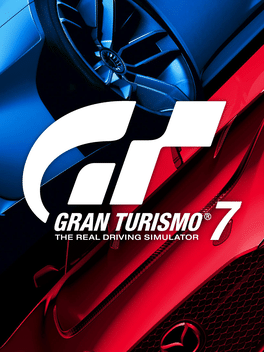
The author positions the work as a qualitative, heuristic framework built from existing literature, industry analysis, and theoretical reasoning rather than from direct empirical data. Accordingly, the radar-chart comparison is described as indicating relative tendencies rather than precise or absolute differences between the two segments. No survey sample, quantitative dataset, or systematic case-study methodology is reported; the illustrative evidence consists of selected examples such as Galactic Arms Race, Gran Turismo 7's Sophy AI, While True: Learn(), Spy Party, Vaudeville, and Origins.
Among the notable points is the claim that AAA developers, despite testing many AI innovations, tend to favor proven schemes because commercial risk discourages experimentation. The paper also notes that techniques developed in games, such as reinforcement learning and multi-agent training from Sophy AI, can carry implications beyond gaming, including autonomous vehicle research. The author acknowledges that empirical validation through developer interviews, case studies, and analysis of learning outcomes remains future work.
Each row is a game or company this document names, each column a document, oldest first. A mark means that document names it. Select a row to see those documents.
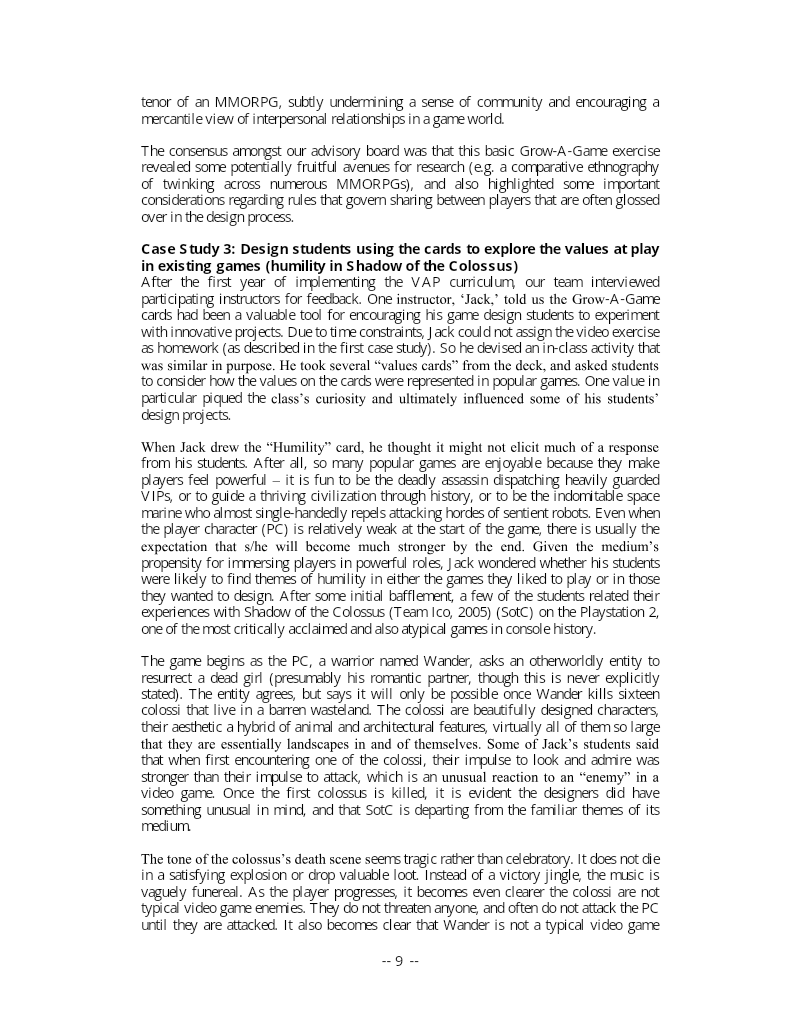
DiGRA · 2026
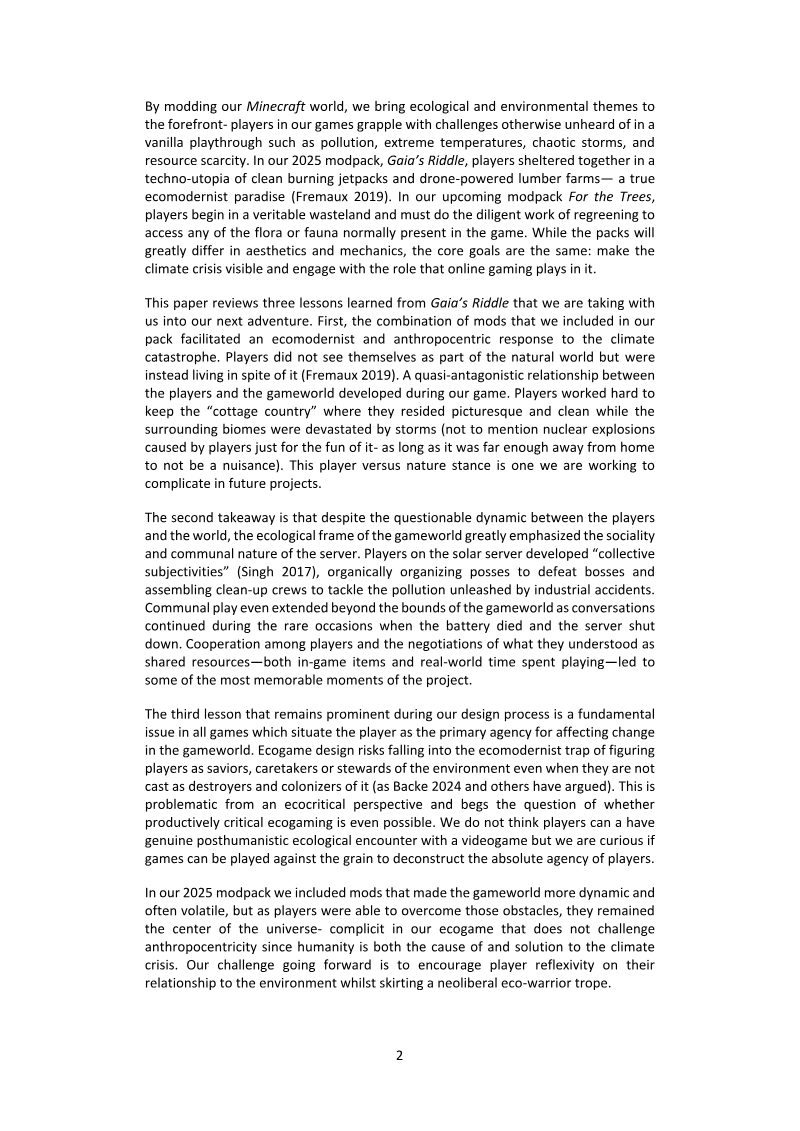
European Conference on Games Based Learning (ECGBL) · 2023
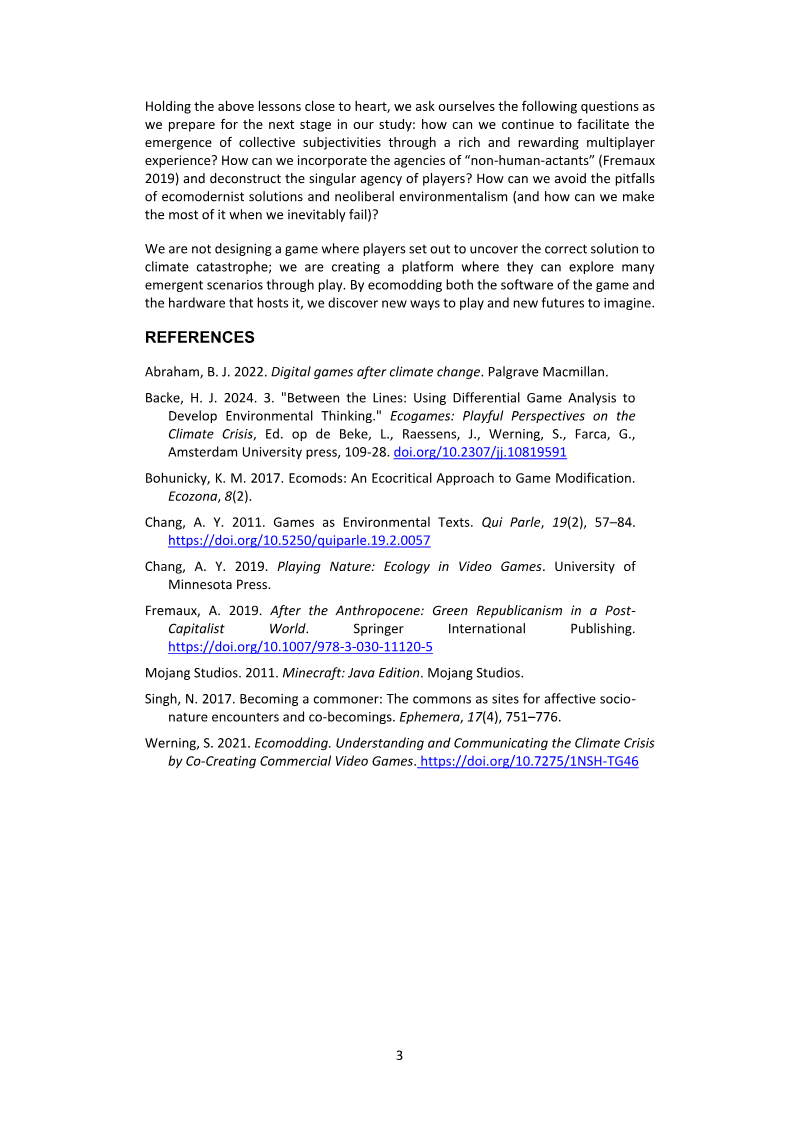
DiGRA · 2026
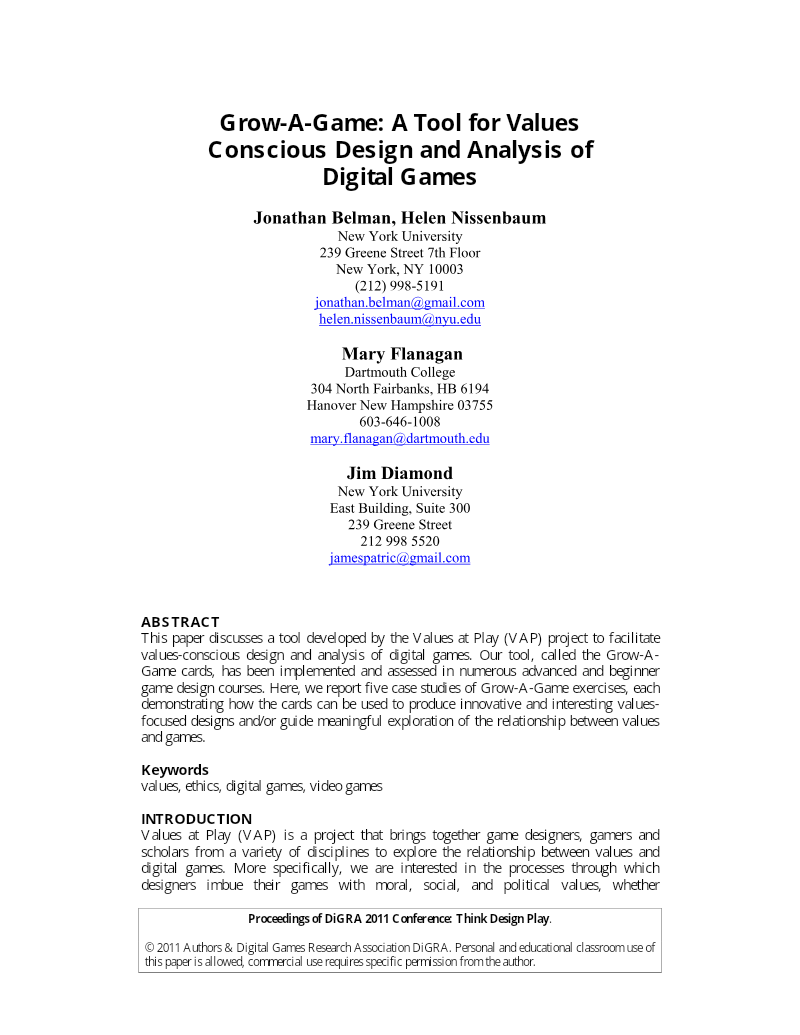
DiGRA · 2023