1 free read left. Create a free account for unlimited reading + AI research.
Create free accountWhitepaper DiGRA
1 free read left. Create a free account for unlimited reading + AI research.
Create free accountWhitepaperDiGRA
The study drew on a community centre serving Latin American migrants and a primary school. Each cohort received roughly ten hours of weekly workshop instruction.
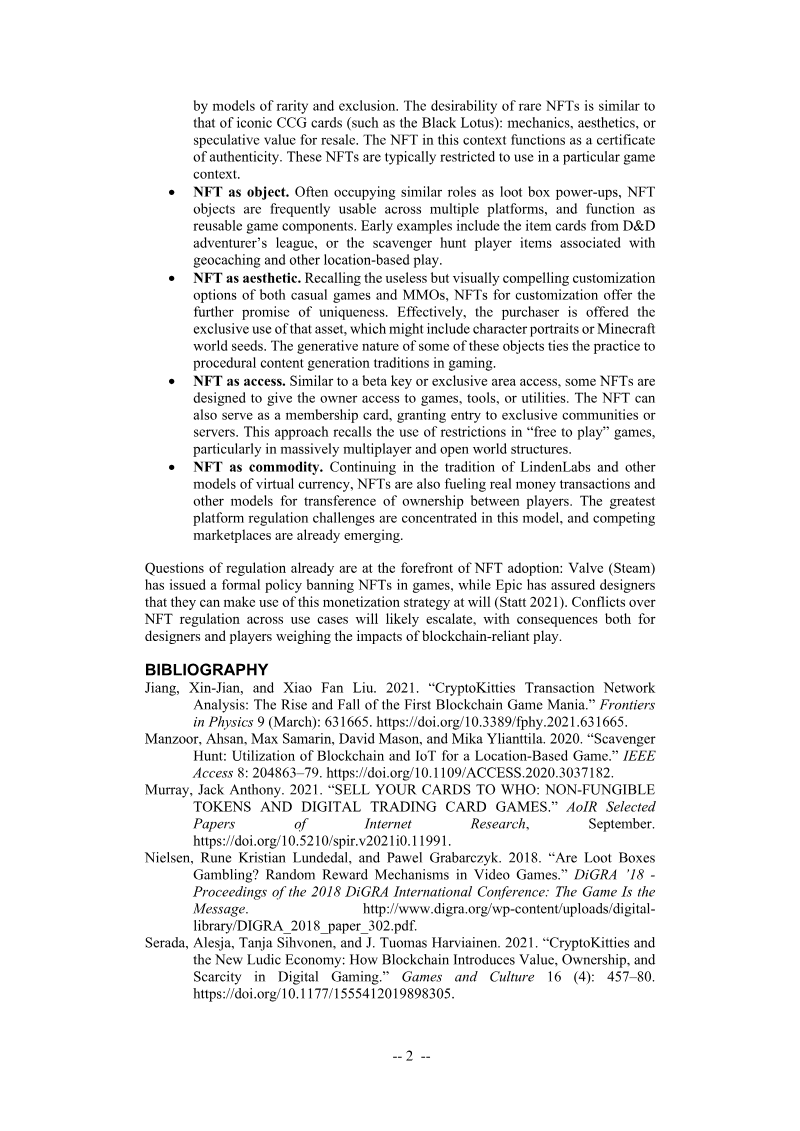
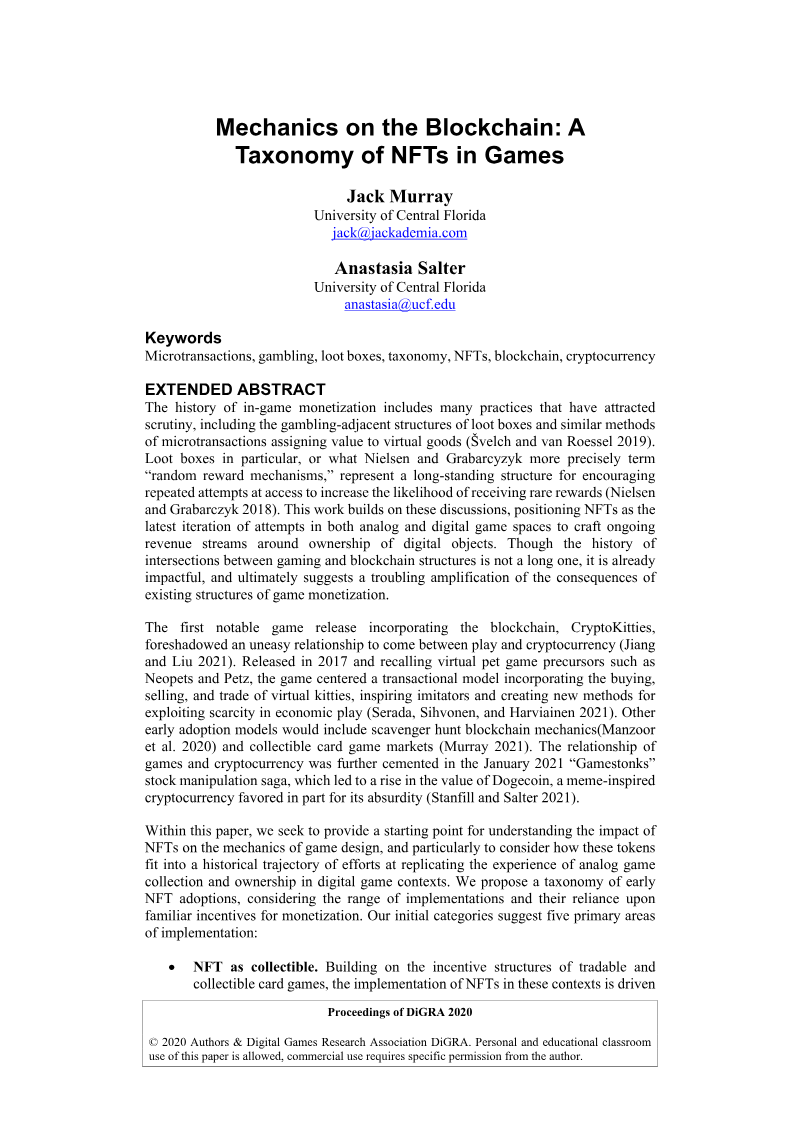
This extended abstract, presented at DiGRA 2018, examines how young people use game-making to express identity and how established game design conventions and genre norms shape that process. Grounded in the view that identities are fluid, socially negotiated constructs, the study argues that making games can serve as a space for young people to experiment with cultural preferences, claim social positions, and reject others. At the same time, it contends that this expressive work is constrained by traditional digital gaming culture, by the conventions embedded in game genres, and by the technical affordances of the tools used to build games.
The research draws on two after-school game-making clubs in London, one at a community centre serving Latin American migrants and one at a primary school. Each cohort received roughly ten hours of weekly workshop instruction, with participants aged 11 to 18 producing eleven games in total. Students built their games with MissionMaker, a platform that lets non-specialists assemble 3D games from ready-made assets and simplified scripting, and that includes a character designer for creating playable and non-player characters. The preliminary findings rest on qualitative multimodal analysis of these games.
Several patterns emerged from this analysis. Popular culture strongly shaped design choices, with game themes and custom characters functioning as deliberate cultural statements that participants used to signal how they wished to be read by others. Players with adventure-game backgrounds tended to show greater fluency in building their own games, suggesting a link between gaming literacy and game-making ability. Initial designs were often overly ambitious and borrowed from films or novels, but students gradually adapted their ideas to the limits of software and time, typically preserving distinctive personal features. The study also found that MissionMaker's design biases, such as the relative ease of programming combat compared with dialogue trees, steered projects in particular directions, while the most unconventional designs often came from participants who played games outside the platform's adventure genre.
The author concludes that personal expression through game-making is real but negotiated, shaped by the interplay of individual preferences, genre conventions, and technical constraints. These insights are presented as a basis for further work on innovation and appropriation of semiotic resources in game-making contexts and on the influence of genre and gaming repertoires.
DiGRA · 2022
DiGRA · 2022
DiGRA · 2022
DiGRA · 2022
DiGRA · 2022
DiGRA · 2022
DiGRA · 2022
DiGRA · 2022
DiGRA · 2022
DiGRA · 2022



DiGRA · 2022
DiGRA · 2022
Game Developers Conference · 2023