1 free read left. Create a free account for unlimited reading + AI research.
Create free account
How to get your dream job in mobile games
Key insights
6 takeaways- 01Treat the job search as a disciplined, full-time endeavor rather than a passive activity to effectively reverse-engineer a career path toward specific long-term goals.
- 02Avoid the 'spray and pray' application method by targeting specific roles that align with your qualifications and professional trajectory rather than applying to every open position.
- 03Maintain a detailed spreadsheet to track all applications, networking contacts, and follow-up communications to ensure consistent relationship management.
- 04Curate a professional digital footprint by keeping LinkedIn current and ensuring personal social media accounts reflect a clean, authentic brand that aligns with industry culture.
- 05Set specific, measurable goals when attending industry meetups and conferences to maximize the return on investment for networking efforts.
- 06Optimize resumes for a recruiter's initial review, which typically lasts fewer than ten seconds, by ensuring they are concise, scannable, and focused on relevant skills and portfolios.
Ask AI about this video
Transcript
[Music] we hope that what we talk about today will help not just with mobile games but just in general um hopefully we'll be some good skills and we'll come questions as we go through it as well do you have the clicker yes now I do um cool okay so first quick question I mean how many of you here have your dream job right now I mean how many of you here yeah I know you do yeah awesome um how many of you here are like loving you know I wake up every morning super stoked to go to work not so stoked to come home I don't know whatever but really loving well it's great this is continuation I mean whether you have your dream job now or you want to stay on that path everything that we talk about um is still equally relevant it's making sure that you know we have the right tools and have the right methodology in place to make sure that your job hunt um is as strategic
again efficient as possible and how many new grads by sh Wooh which schools where are you guys coming from all right awesome know lots of people at all of those places yeah so just a little bit about us um this is where we work both of us um uh work at EA Canada I'm in Vancouver um I support our Central teams um around quality automation um so my recruiting world is mostly around software engineering um prior to that I spent two years at Unity recruiting for them um all over the place yeah shout out hey what's up yeah still dear to my heart of course um you think I actually recruit for some of our game development teams and some of our Central teams so we have of course in Vancouver we make FIFA which is a little known game uh in the world also the plants versus zombies console um franchise so Garden Warfare one of my favorite games to play um and then also our Central teams which is for the artists so we have um it's called
artworks and that's where all of our artists sit as they work on different teams and I actually um have a background in um recruiting for postsecondary school so I worked at VFS and the Art Institute and it's interesting now I get to see a lot of those designers artists engineers at the um at the other side of the tunnel so it's pretty exciting wealth of experience so before we get into kind of the details I mean the first place um before we start is I want you guys to think a little bit about you know what does your career look like in 10 15 years 5 years even what does it look like I mean thinking about your dream job thinking about where you want to be what your life should look like um getting a sense of what that should look like really will help you reverse engineer um and kind of create a path backwards so that you can take a look at you know what would that look like what would that Journey look like to make sure that you're on that right path um one of the things that I think is a good way to kind of get a sense of that is of course looking through a utilizing
LinkedIn um if you want to be a creative director in 10 years you know okay get a sense of you know who's out there at the studio that you want to be at in a creative director role um what does their career PA path look like what types of jobs what types of posts did they have that help them inch closer to that role um it also helps you get a sense of okay well maybe I don't want to be um you know an executive producer maybe I don't want to do this but you throughout this exercise get a chance to really narrow down um what you want to do so that you can ultimately Focus your job hunt and when we think about getting started I think go to the next one when we think about getting started there are some common sort of pitfalls that we all tend to fall into either if we're just starting out or if we've kind of been out there for some time so what's the number one thing we start with when we're thinking about getting out there and looking for a job it's usually our resume right and we see a lot of them I would say um coming in and um one of the most common things that I
see is overload on resume be it sort of visuals bright colors or too much information it's really difficult to break down who this individual is um and then often also there's like I don't know if it's an air of mystery U but for an artist not to include their link to their portfolio or to their demo reel is also a big uh a big no no I would say so definitely have complete information on there um people think it's such a basic but it's actually one of the most common things that I find just missing information on resumes um also have them proof R so have somebody be a mentor from a school be a mentor from the industry um a Critic who lives at home with you so somebody who's really good at giving you some honest feedback go through it um and and break it down for you and you know don't take offense um also another thing that I would say is a big seems to be a big myth is you know what I'm really interested in working at let's say EA I'm just going to apply to every single role that they have open yeah I'm an artist I'll just apply to that software engineer Ro that way
they'll see my resume and somebody will recognize me it doesn't really make sense it tends to be counterproductive so I would suggest looking at you know the reverse engineering of your career path and thinking what is a an appropriate entry level position or mid-level position for this career goal and um apply to those specific positions so have your search be really really targeted um that's good um in terms of role role playing a little bit I'm a big fan of role playing so interview roleplay with you know somebody home usually somebody who has done pretty well you want to role play with them and get them to give you some feedback M feel free I mean you know connecting with recruiters as a resource and connecting with anybody that you know in your network family or friends that have been in a hiring position I mean this is a great opportunity for you to get a sense of what did people do well what didn't they do well and how can you tap into that information so you're not repeating and replicating those errors as you go into interviews um and apply for jobs yourself
um one of the things that I know a lot of people um don't do um and I think is just such a wealth of information and really sets you apart um is really organizing your job hunt um here Excel is your best friend okay so every time when whether even for myself if I'm going into a new role I'm going into a new career I really think about okay where how am I going to keep all of this information organized LinkedIn is not enough just applying for the roles and keeping it on a Post-It note somewhere not enough because all of this that we're talking about right now connects back together especially getting you and inching you closer to that job offer so when you're organizing your job hunt you're going to look at you know what are the jobs that you're applying for where are you applying for them who did you connect to if anyone what was the stuff that you talked about what was the roles and responsibilities on our end as a recruiter and as a recruiting team when we look at one person that has applied most applicant tracking systems to than point will tell you all of the other roles that that person has applied for so you should have that information
as well on your own side I want you to say okay well if I apply to EA I apply to these three jobs at EA and these were the roles that I applied to and who I spoke with and why I was interested in them so you can tailor that information and tailor that dialogue should you connect with someone down the road in the future that you can help kind of just pull everything back together um you're going to be applying to a lot of different jobs or maybe you won't maybe there's going to be two or three companies that are at the top of your list that are most important to you so utilizing Excel and putting it all together in a spreadsheet really helps keep things organized and helps you also nurture your network down the road so if you met with Dana when oops you met with Dana um when uh you went through the initial interview track that information it may be two or three years down the road and you see me again I hope I'll remember you but you can say hey how's it going I remember I applied for that job blah blah blah what's going on right now let's connect let's have a coffee that small gesture can unravel into a wealth of opportunities I would also say um kind of to add to that point um also organize
yourself in the way of who do I know in the industry so these are you know vver is a pretty small town so chances are you'll know somebody at one of the studios so also figure that out keep a list of everybody who's maybe in your graduating class or mentors at your schools I know I work right now with a lot of people who are mentors at the vfss theis vcads ETC so you know these could be really good ins as well because I for sure look at referrals right away absolutely um as you move forward in kind of building your career your appointment as you kind of think about building your career also I know we're all social beings who here is on Facebook I not only like three of you I find that really difficult to believe okay um Twitter but Twitter is kind of like a mystery to me I'm still kind of working on it um and then LinkedIn so how many people are LinkedIn okay so there different strategies for each one if we
think about who we are as a Persona on our Facebook or our LinkedIn or our Twitter you can play to the strengths of those social media Outlets um to kind of propel yourself forward so you know the big key is keep everything clean um in terms of being organized but also clean in terms of content um Twitter should be kept interesting uh that's probably the easiest way to think about it so who are you maybe you're an artist or or a developer so you know that that's your kind of key area that you want to focus on and maybe you have a couple of hobbies related to I don't know maybe anime or maybe you really love I know a lot of developers really like Japanese so maybe you're really like Japanese and you're learning that so you want to kind of put up areas um of interest on Twitter to kind of vary up your feed a little bit but then also maybe a lot of things specific to Studios that you enjoy or areas of expertise that you're focusing in on um keep your Facebook up to date I don't know how many of you have looked at your like hobbies and things on Facebook but some of them are like from 2007 and I don't know but mine usually are
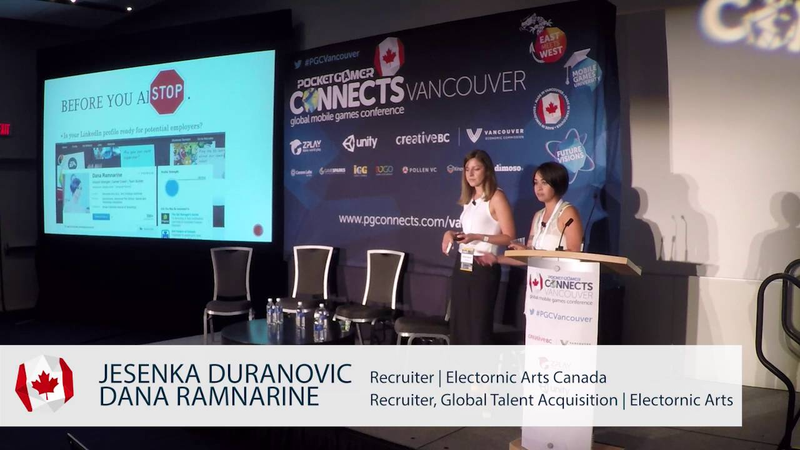
you know they've changed I still I don't like the same things anymore so we look for culture fits obviously people that we look to hire so how if I look at your hobbies or your interests or maybe where you volunteer how do those line up with the culture that we're looking to um continue building out at our place of employment right so kind of think on that too um and you don't have to make things up they should be who you are and we'll talk about authenticity in a bit too um and then keep LinkedIn professional so click this guy which one is it um is your LinkedIn profile ready for potential employers or for recruiters too because I see so many people for specific roles you know be it the art side or the engineering side or the design side or project management so what's going to make you stand out in the best positive light and um how can you make yourself um look as professional as possible so this is me I don't know if I'm like the most but the point is there's no cookie cutter approach to it but you want to be really
specific in who you are so you know there's me here's Dana you know unicorn Wrangler so makes sense right you don't have to be recruiter you can have a different type of title you can be creative in how you represent yourself that that's where some of your personality comes out but you should also just know your audience right like I want to attract uh an amazing designer I want amazing you know CG soups to talk to me or um Mission designers or um rendering engineers so how can I set myself up um in my career to make sure that I catch their attention I come across as authentic too so but no cookie cutter approach unfortunately just keep remember that your LinkedIn profile is your partner and partners with your resume if it's not up to date we don't have all of the information to reach out to you so you know whether you're P You're actively looking for a new job or not looking for a new job your LinkedIn profile should always be totally current and the other thing that um probably is a kind of go-to for across
all the different social media platforms is um harsh opinions things like that you know kind of keep it on the DL a bit um excess emotions um these are kinds of things that people will look at and will stand out so I me you can but it doesn't always agree with everybody right um so some of the things when it comes to photos in particular they're hard it's hard for me to choose a photo also for my LinkedIn I feel like we need a photo shoot every once in a while and get that up to date um but you know some kind of you know pet photo maybe not the best idea if you've been in the industry for 10 15 years and now you want to you know put up I don't know like a super awesome photo super awesome like Darth Vader photo or something yeah you can do that then or like a a pictorial thing but but you know when you're kind of entering in or if you're trying to get ahead um it might not be the best way to do it um cropped photos are the worst cro crop X's or anything like that or just people out of your photos in general your photo should be of yourself should be able to see your face rather than like someone's hand on your shoulder or half of someone else's face
this is still your representation of yourself professionally so it's keeping that in mind you're know like thinking back what does my LinkedIn photo actually look like um that it should still be a representation of you and just you yeah um the other thing is we were kind of chatting about it this morning and it's referring to yourself in the third person it's kind of weird I don't know people do it apparently it's kind of a I don't know it's a bit of a no no I mean you can do it if your if your work looks good nobody will care but yeah and make sure the information is complete so the most important thing put the real because if I'm looking for an artist it's really it takes up a lot of my time if I'm going on LinkedIn and then I have to Google the people to find their reals and then they have like websites that make no sense with their name so they're really difficult to find I'll just give up and go look at somebody else so keep that um relevant up to date too so we talked a lot about social media we talked about kind of you know getting a sense of what you want to do um obviously you all are here um so the next piece of the career part is really
getting involved um you know having a social media presence and applying to jobs isn't enough now we have great opportunities to connect to potential employers connect to potential teams that we really want to work on um just products and stuff that are really interesting to us get out there get involved um here in Vancouver there's a really vibrant um Meetup Community um I have co-organized the unity Meetup in here in Vancouver for probably 3 years now and it's awesome I've connected with so many really great people a lot of which are here today um so get into those meetups and and you know even with your conference over the next couple of days here with PG connect what do you want to get out of it I mean aside from just information and you know networking with a bunch of people what should that yield what should that Roi actually look like do you want to get a job do you want to learn about a specific Tech do you want to network with x amount of people set some specific goals every time you go to event so you know that of your time being as precious as it is you know what you want to get out of it and that you can walk away saying with I connected with five people um I met
those five people at that Meetup and then I connected with them on LinkedIn and I've got a coffee you know meeting set up next week all of that is just you continuing to build your network and build just what you understand and what you know of the industry that we've you know chosen to be a part of everything is changing constantly which is super exciting but it also requires us to commit our time and be super strategic with our time um depending on what we want to do I'm going to use a buzz word authenticity I know it's been kind of like out there in the past a little while um but authenticity can mean a couple of different things to people but we can all agree that means you know being who you are being true to yourself and having that sort of Integrity to say you know this is who I am um as a you know brother sister husband wife person coworker um but also a creative person right so who am I what kinds of things am I willing to work on do I want to work on where do I want to Excel and what kind of teammate do I want to be especially in game development it's all about that team um our big tagline Ada
is one team right so there's a really big focus on that because if you know one of the links is broken the chain that game is not coming out when it's supposed to come out and then you're losing a lot of money and everybody's disappointed and customers are complaining so etc etc so I think it's a really important buzzword to use um couple of aspects to it are self-awareness so knowing you know who you are so having that introspective way of um thinking about it and consistency so you know be it at an event a phone screen a studio interview um on the street you know if Dana and I meet the same person over a space of you know a couple of years we should walk away with the same idea of who that person is so it's not about you know being a nice person to one person and then being terrible you know as you turn around so you kind of all know about those things um there is a caveat to it you know be open to change though because authenticity can also make you stagnant think about the fact that who you are at the age of 20 is probably not going to be the person who you are at the age of
30 definitely should not be the same person you are going to grow so look for those mentorship opportunities look for um that feedback loop um that can make you authentic but also um flexible to grow don't be without a filter too so sometimes it's good to be authentic but you can be a little bit overwhelmingly authentic and it might not come across in all um Arenas especially as you're trying to break into um uh maybe a studio or an industry and you don't know everything right but you kind of think you do when you're younger and then when you're my age you figure out you don't need you don't know anything I know um so those are maybe you know if we can say walk away with one thing that's super important it's the idea of authenticity but also being flexible to to change it up as you uh as you move through the industry MH so we talked about a lot of things um obviously we're going to pull together a bunch of resources um and if anybody's interested in following up in terms of learning about um a little bit more about authenticity learning a little bit more
about some of the tools that we use as we organize our job hunts please feel free to connect this is our Twitter but we also have cards so we're happy to give them out um thank you very much for your time questions great thank you guys yeah um authenticity I mean you're standing out I'd never imagin doing that that networking as a job I mean who who'd think of that oh wait yeah of course you would oh wait my career anyone got any questions guys one right here we see we can get a mic to you hi my name is z and uh asking about like resume for example because at the end of the day recruiters are human beings and each has to his own like some can may like the way that your resume is being presented and someone won't like so how do you find the right balance in order to be like okay I don't like that and then just like being disqualified immediately when they see a resume there's some things that work universally right and for me you kind of have to think about it in terms of if I were a recruiter because it's usually going to be the recruiter who looks at your resume not necessarily the hiring maner manager what are they usually looking for and what are they Discerning
um in terms of the information on there so a you want all of your Basics on there so contact info real like if you're an artist the real makes Absolut that's your calling card right um really simple in terms of work experience and then just having those key Technologies or key skills um stand out um but you know having an essay at the beginning for example is really distracting um you know where humans so we and we look at so many so we really need to be able to skim through and get what we need out of it very easily and very quickly like a recruiter will spend at at most less than 10 seconds doing the first glance of a resume less than 10 seconds is what you have for me to be able to extrapolate boom boom boom boom boom he or she has these skills that I know that we need for this role moving forward of course we spend more time digging in as we kind of you know see those few key pieces and then decide to go further but things to you than Point can get really distracting if there's a ton of color if
it's 17 pages long um you know you have I've worked with people that have been in the industry for 20 30 years and still the resumés you know they keep it to like you know three to four pages at that point even still as a extreme maximum extreme maximum yeah a page a page is great two pages is is as far as you'd want to go but I mean when you look at your your resume you're thinking of it as Prime real estate all of the information and data going into that real estate has to be all of the best things of you you're achievements your you know the things that you the challenges that you faced and of course what you're looking for as [Music] well
Summary
Securing a career in the mobile games industry requires a strategic, organized, and professional approach to job hunting. Whether for new graduates or experienced professionals, the primary objective is to reverse-engineer a career path by identifying long-term goals and aligning current efforts with the requirements of target roles. Success depends on treating the job search as a disciplined, full-time endeavor rather than a passive activity.
Key findings emphasize that resumes must be concise, scannable, and free of extraneous information. Recruiters typically spend fewer than ten seconds on an initial review, making it essential to highlight relevant skills, achievements, and portfolios immediately. Overloading documents with excessive color or length is counterproductive. Furthermore, candidates should avoid the "spray and pray" method of applying to every open position at a company, as this lacks focus and can be viewed negatively by hiring teams. Instead, applicants should target specific roles that match their qualifications and career trajectory.
Organization is a critical component of the process. Maintaining a detailed spreadsheet to track applications, networking contacts, and follow-up communications ensures that candidates can nurture professional relationships over time. This organizational rigor extends to social media, where platforms like LinkedIn should remain professional and current, while Twitter and Facebook should reflect a clean, authentic personal brand that aligns with industry culture.
Networking remains a vital pillar of the industry, particularly through local meetups and conferences. When attending these events, candidates should set specific, measurable goals to maximize their return on investment. Ultimately, the most successful candidates balance authenticity with professional adaptability, demonstrating self-awareness and a willingness to grow through mentorship and feedback while maintaining a consistent professional identity across all interactions.
















Comments