1 free read left. Create a free account for unlimited reading + AI research.
Create free account
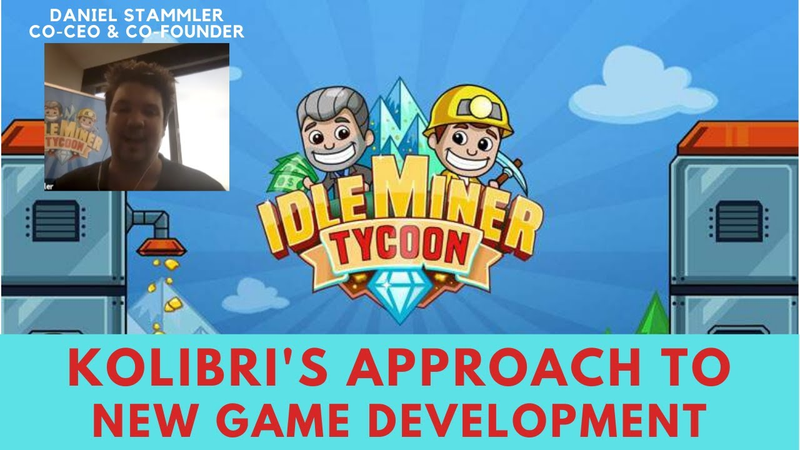
How Kolibri Made Idle Miner Tycoon | New Game Development Process
Key insights
6 takeaways- 01Initial game ideation at Kolibri relies on creative intuition and genre expertise, while data-driven methodologies are reserved for the subsequent optimization of live-service titles.
- 02Idle Miner Tycoon and Idle Factory Tycoon have achieved approximately 100 million collective downloads by focusing on accessible core loops that balance simplicity for casual players with depth for dedicated users.
- 03Kolibri Games utilizes a lean development cycle consisting of a two-month prototyping phase followed by one month of testing to validate core mechanics before a soft launch.
- 04The studio maintains player engagement in live titles through a consistent schedule of weekly updates based on A/B testing and performance data analysis.
- 05The company scales projects into live-service models only after validating key performance indicators, specifically day-one, day-seven, and day-thirty retention metrics during soft launches.
- 06New projects are developed by small, agile teams typically composed of one product manager, one or two developers, and one artist to minimize bureaucracy and accelerate decision-making.
Ask AI about this video
Transcript
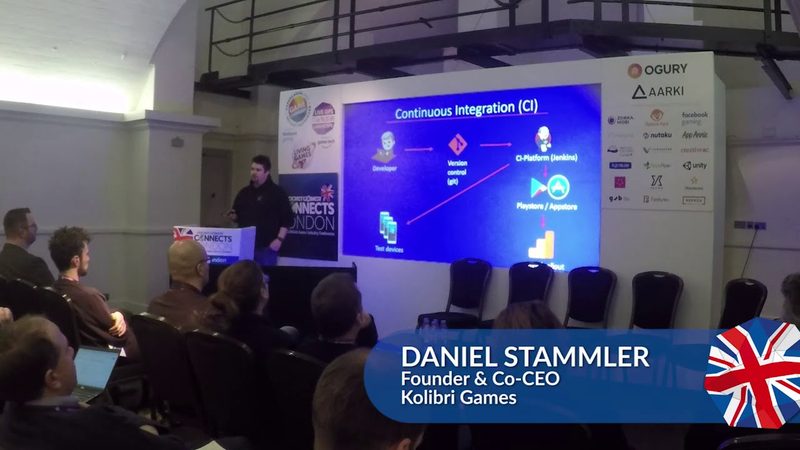
everybody welcome to game makers today we're here with Daniel Stemler who is the co CEO and co-founder of Calibri and Daniel I thought we could first start by speaking more about Calibri I company is best known for idle minor tycoon but can you talk more about how you would describe Calibri as a company sure of course so if Calibri games we focus completely on idle games and this is what I would say and we wanted a company roughly four years ago back in South Germany kailua and then moved to Berlin to keep growing we are roughly 100 people now have two games on the market with an article and I will factor a tycoon and we'll probably build the third game next year right and Calibri itself has had a pretty impressive words and story it's just my understanding is that you know you guys were sort of first-time and very young entrepreneurs you kind of made it big can you talk a little bit
about the history starting off as fluffy theory and how you guys sort of started out of course so we basically started out of university and our goal was always built a company and we tried it out a few times and stuff Germany's super conservative so everything we did before was like an automotive or something related to b2b and while being enrolled in uni and unfortunately those projects all didn't really scale in the beginning we really failed at some point we became better earned some money with those projects but it was clear that they won't scale to the to the company size that we want to build and eventually we discovered mobile gaming of course we played games since we were kids we started with PC console eventually switch to mobile because it's easier to integrate in our daily lives and then we decided to combine both buffets to build a gaming company and to really try to scale it right and then what about in
terms of yourself Daniel can you tell us a little bit more about you I know you got you went you know you don't have a long work history but it'd be great to hear a little bit more about your background and your sort of interest in gaming sure so um from the gaming side I played a lot of like strategy games and a lot of walk for free Age of Empires command & Conquer like all the typical strategy games and also sometimes shooters more action-based games and so for me like building something up and games talk always natural and this is the thing that I all like blade win shirt and Atlanta Kunis why would you have that strategy building aspect in the game and from the business side so I was always on the edge of computer science and business and Germany we have a lot of sauce mixed studies and I basically during my studies have 50% computer science 50% business so I know how to
code in the early days when we didn't over we were a very small team I also called it a lot on the game itself because there was nothing else to do at some point our CTO told me to not code anymore because we had a few people that could do it better than I could but if I ever played people background and of course but knowing my role I think the technical background is key to be able to make the right decisions however I also have to business understanding of building a company and scaling the company making sure that at the end of the day we'll give more money on the bank account then we did at the start of the day okay and so we're going to focus our discussion today in terms of new game development especially with respect to approach processes and philosophies around how to make new games as successful as possible and just to give context to our audience so can you tell us you know Colibri experience in this area I mean there was
definitely a big success for the final miner tycoon and idle factory tycoon so maybe we can start with those games can you walk us through like the process in team involved in each of those games sure so when we started Illmatic whom we basically had no idea about the gaming market we had a prototype before that didn't work out maybe we can talk about that later I was not the we decided to go into AI to integrate the world-building aspect but to also integrate the accessibility from the casual side of gaming and then our goal was clear that we want to go on the market as fast as possible and to get real feedback as fast as possible to ensure that we basically when we started the project we invited all our friends and colleagues and everybody we knew 2 months in advance to our release party so that we had to have a game in two months time and now the thing is like if
you have if you really have to have a game then you start taking shortcuts and you start thinking about what is really necessary for the core of the game and what is something that you can add later and so instead of like just building a huge game and adding everything from the beginning because we think everything is good we we broke the game down to the pure core loop to the very thing where we thought we'll decide if the game is successful or not which an element akunis the 9 aspect where you just dig deeper and deeper and we decided to build the first iteration only with the core loop and not add anything on top and this way we were actually able to then release the game and after those 2 months and that one video placement no in-app purchases nor localization the game was basically finished after two or three days because they were not enough levels there were a lot of technical issues but for us the very important thing was to learn if people actually want to download and play the game or
not and we got lucky people don't know that the game and they came back from day 1 retention was around 75% and which we learned from our people or from people in the industry then was pretty good so we knew the game is worth investing and then we actually kind of like started building a company but before that it was all about just getting the game out it was only the co-founding team we had no resource we worked from from our student apartment in the living room and the whole focus was building a game that works and then unlike the goal life said we also had no idea about soft launch or all the stuff so what we did was we wanted to reach a broad audience as fast as possible so we uploaded the game to Apple and Google and then we got like here to get significant organic traffic and so we didn't have to think about you suck position in the early days right and then so you guys were University students and yet I think the the
approach that you guys used in terms of focus focusing on the core loop and not trying to do too much and things of that nature seems to be an approach and philosophy that I would expect from a more experienced team and so what kind of informed you guys are out how did you guys come up with that process so the main reason for the process was because in our previous projects we didn't use a lean lean startup approach and failed and this was like wasting in months over months on projects that right obviously not going to be successful after two months or so what's the biggest learning for us so you guys were you guys were young and coming out at the university but you had worked on projects together before and and so when you guys were developing this game it was based upon some the experience from those previous projects also like our very first prototype woman we had really no idea how to build games because we never worked with unity or anything was also a
way to begin we had to kill it I feel like two or three months because we wanted to build a strategy game with 10 vs 10 multiplayer which obviously would wouldn't have worked out with our project size or team size but yes so the the main learning was by doing it before and I believed it and building a company is always similar no matter if it's a gaming if it's in b2b if it's in if it's a social network you always need to focus on your customer you need to build or provide something that your customers want and you need to figure that out as fast as possible and nobody cares if you build some awesome function into your product if nobody will ever see it so and this was our core belief and and I believe that the best way to learn it by doing it wrongly before and learning it the hard way you got it and you know so definitely big success with I don't mind our tycoon and idle factory
tycoon and just kind of looking back you know besides like the the process and approach that you guys took would you say that there were you know or in your mind what were some of the most important factors in the success of those titles and something for as Martha Coonan was the combination of idle as a core gameplay we never punished our players to always progress you basically cannot lose the game you can't do anything wrong you can just do good decisions that will improve your game or you can do better decisions that will improve your getting faster and there's nothing like nothing punishing the players and this is core but combining it with accessibility so that everybody can play it so back then when we started there were some items on the market but they were very core very niche like a new that like like my mom would never play those games because they were very numbers heavy very dark and that they had a really really good core mechanic and and our our core
belief in which turned out to be right was that this core mechanic works for broad audiences and we just had to build a game around those core mechanics that make make them visible and where they again they should play a dramatic you know idle factories I couldn't it's very visible how you progress you go deeper and deeper then you at some point have multiple minds and you have multiple continents and you don't even need to look at numbers you don't need to understand the math behind that you can just play visually and but at the same time and this is very important for us the game is still very deep and we have a lot of players that are really into it to build their Excel simulators to optimize their gameplay and we were able to combine both also heavy accessibility for everybody but then also after deep gameplay for people to stick around for years and I think this was key in our success on it and then I you know obviously those games were successful but where there are some mistakes that you guys made and then if so how did you overcome those mistakes so I would say
like for any factory like who we try to go more into like more myth gameplay so the idea was to use to focus on in-app purchases by having a more complex car mechanic but in the end this turned out to be a mistake because most people have downloaded the game didn't want the more complex game mechanic so in the end we haven't like a victory takuna so a successful game it's profitable it earns us good money but it's obviously not as successful as I have mine definitely believe that mainly issue there was to to kind of like deviate from what we were good at what made mine successful and try to go more into the mid core direction okay and then you obviously have you know two successful titles but what about other titles were there other titles that you guys worked on that did not succeed or are you guys like is there everything's a success so far for you guys well as I
said earlier we before we started with an American we actually had one game and was called Ferranti of course and it was basically kind of like plants vs. zombie core gameplay with a clash of clans city builder but for 10 vs 10 multiplayer and for for us back then before we sounded pretty cool to build such a game but then we discovered how to build games and then we obviously realized the scope was way way way too big and and this was also an important learning for us and this was what then also influenced us on automatic who to really make sure that we were able to ship something after and after eight weeks however after that we didn't build any other game besides automatic on an idle factory tech rule okay and then what do you believe are some of the biggest lessons learned from your experience at Calibri overall or working on these titles so in the end
it's about focusing on the player about trying to understand what the player really wants in building a game that caters to their needs instead of building a game that we ourselves find cool and the first game frontier dwarfs we thought it would be cool to have that and but we didn't really think about what it meant for a players to place that if I have American then on the other hand we fought only about the player how can we build a game that's murky for the players how can we build against people want to download and didn't want to keep playing and there's a some of our core values still today we I mean we are very games the service focus we provide weekly updates and every update we think about what is in it for the players how can we make the game a better game for our players and I believe of course we are not even realisation in the game we need to pay salaries we are growing as a company but in the end I think the only way to build a sustainably financially successful company is by providing a service and product that people want to
play we want to engage with and then they will if you do things properly they will happily pay and they will happily watch ads but in the end you need to have a product that people want to use right and then just just kind of going back and drilling deeper into sort of your process for new game development I was hoping we could kind of break it down a little bit more to explain to you the audience and so you mentioned there was a prototype you mentioned that you wanted to get something playable in eight weeks and so is is it like a prototype then like an eight week development cycle production cycle and then like what what are that and then what are the other stages and what are the specific objectives in each stage so we of course evolved the process over time so it's no longer as simple as it was my vision just launched a game low volley of course because now if a brand marketing power and everything and we had to build a new approach and then the
new approach is basically we work for two months on the prototype again that's playable then we tested internally for a month where we try to figure out if it's fun to play and and then after three months if you think it's fun to play they release it on some test markets to learn about early retention and organic downloads so basically like they didn't make it the eyes they won attention and they lead organic downloads are still the same as back then but we invest a bit more time on the markets before really really releasing the game globally and so with the whole process global release will take us six months instead of two months back then so just so I understand so there's two months prototype one month of testing then it sounds like another potentially three months of soft launch that one month of testing is that
internal testing with it within the country okay testing we also not not purely internal we also invite some friends some people that we know and because I think it's important to hand out a game to somebody who who's never seen it before to see how they interact with the game but this is not market testing but more like very already prototype that's the UX work that's a game crash is it fun to play right the balancing working out and then only after that we test launch it or self launched and okay and then in terms of soft launch are there specific criteria in the soft launch period before you guys heart launch I'm so it's mainly retention back then it used to be or focus was day one attention now it's also day seven day thirty because of course like we became better as a company and and we also want to have a furtive attention but two main KPI still retention a figment ization something that we can add later to the game if the game is successful we are pretty
focused or pretty good at rewarding that monetization we know how rewards work or we know that we can add them later to the game however if the retention is not good then there's also no reason to add a more efficient to it because then we will never be a successful game right and then in terms of the team on these these projects what are typically the size of the teams and then the breakdown in terms of like the developers versus artists versus producers or PM's and that sort of thing how does that generally break down for you guys so we would try to start very small to be agile and to be able to really have fast decisions instead of having to this things and getting a lot of opinions on it too the way how we usually staff is to have one product manager who's responsible for all the product decision that was responsible to deliver the game in time and one or two developers depending on who the developer is if I'm
like some circumstances sometimes we have a more generalist developer sometimes it makes sense to have one developers more focused on architecture one developers more focused on unity for example itself and one artist one game designer and one QA petrea usually rather later in the process so we have done a team of like five people and we'll five people it's very easy to sit in one room and make decisions fast iterate fast however then once we are in soft launch and if we see that KPI as a promising then we start adding a few more people to the product and then after soft launch it will probably be like eight nine eight or nine people and then it goes into our games as a service phase very then keep working on the game and and potentially also scale the team on the game if the game is successful enough to justify it okay and then just kind of looking more industry-wide I'm not sure how much experience you have
working with other game studios but you know there are certainly a lot of companies that are having a lot of problems with this issue around new game development and in just in terms of your your opinions as far as some of the other people in an industry what do you think are some of the biggest mistake that other companies make when it comes to this new game development process I think the biggest mistake is to try and tie it as long as possible before showing it to actual users because I believe in the end real user feedback market feedback is the most important thing and and I don't believe personally that building a game for two years before soft zones you did some test markets and it's the right approach because moving two years market change a lot and the risk is pretty high that you will have missed what the market wants so and obviously there are different views on that topic but that's why we as a company decided to you launched early and to get real market
feedback before the game is perfect and polished and has all the features and all the content and we however of course we then have to compensate for it once the game's life and in the games of the service phase where we then have to build all those features that others were built in before launch and so I I'm a big believer in just launching early you can launch under some testico and some hidden markets there are ways to do it if you don't want others to find out about in general I think that's the key issue right and then it sounds like you guys have a pretty good process of work for you guys but I'm wondering you know how much do you believe that the success of new game development is based upon like the process versus you know the specific person or team or the game design or other factors in achieving a successful outcome I believe building successful new games is really hard and that's why I believe that you need to have all of it I think
you need to have good people on the game you need to have proper process to to enable the game to work out you need to have a good product idea you need to think a lot about what kind of game you build but also in the end I believe you need to have a lot of luck to be successful then so you can do all the right choices in in the end so people don't meant to play the game even though from like a theoretical standpoint it's a very good game so I think in the end everything needs to work out ok and then when we look when we look at the industry we see some of the especially the larger game companies like you know whether it's dinga and dingy in particular when we look at their growth almost all of their growth has come from M&A rather than internally developed games and another company like glue another large companies seem to not be very successful at new game development relative to like live ops and optimizing games right and so I'm wondering do you have any theories in terms of why you think some of these larger companies are
having problems with new sort of internally developed game development I think [Music] game that's working odd unusual life of new events you can work a lot of data and translations it's easier to do than building a completely new game where you don't know if it will work out oh and because you always need that magic and it's really hard to force that magic this is the main reason another reason I believe is that once you have a successful game the bar for new games becomes very very high and if I think of automatical and of course now for us this was a really really big success in the beginning because we had nothing else but the revenues weren't so high back then they were high for us sitting
in the student apartment but for a company like single glue or every bigger company the revenues would not have been significant at all so I think one issue is that by having one successful product you raise the bar for another product so high it's really hard to compete for the new product and then also you it's hard to give the product a chance and a gif it was due to the years to grow like we have of Atlantic wind kept growing and growing and growing over years and so they'd reached a size which also would be relevant for those bigger companies but it took us multiple years so I think the combination of that like you need that spark that luck for the new game but also the bars are really high for new guys I think this is what makes it really hard for those companies to have new games on it and then just kind of shifting gears to like the ideation process and the decision-making process when it comes to new game development so
you know how do you guys come up with ideas for new games and and then who ultimately sort of makes the call in terms of okay here a bunch of ideas this is idea that we're going to work on so there are a few boundaries of course for and yes one is it needs to be an idol and which is very important for us as company because we believe in focusing on one genre instead of having multiple genres and it needs to be possible to build a testable game within our timeframe so if it's a sum 10 vs 10 multiplayer game which would take two years to build it would not fit our our process and and then they're like we need to be able to do it from our before tech that we use and so on so there are some constraints on it however then on the other side we also try to go very broad we ask our players for example from time to time what they would wish
for a new game we ask the team what they would wish for a new game and we always have to like constant IGF flow but then when it comes to actually executing on it and we have and as I said the team structure of having one product manager and he or she and then it needs to own the decision and we hold the product manager accountable for it and then of course we also be a feedback it's not like we wouldn't say if we think this is about the team is a bad idea or the game ideas a bad idea but in the end the product manager needs to make the call con it and then how much of the the new game development process for you guys is based on science or data versus like gut intuition feeling do you guys try to balance those two or is it more you know more on like feeling and understanding players side right which I believe is also the in the end better approach because I think you
can already I mean there are some companies that do it but I believe that creating something new needs creativity and I think data can always tell you where you need to improve that I can always tell you if something is good or not but I think data I cannot tell you how to build a good game and of course you can look on the market and see what kind of games are successful you can check top crossing charts and of course we also do this it's not like we are blind on that side but in the end the key is more what do we think will be a good game that players want to play and then for our state that comes more into play once the games live once we we are on the market and then can do a/b testing can try to figure out how can we improve retention all that stuff but not so much in the idea creation process okay so I just have one last question for you Daniel which is okay so what's what's next for Calibri kind of looking into into the future you know are there new
games planned and you guys want to just keep skiing up I don't miner tycoon not you know I don't factory tycoon or what do you have planned next for Calibri so Calibri games of the games it's a service company this means our main focus is always to scale the games that we have to provide our players that we have a good experience and make the games better every week however of course even though these are our main focus we also want to have multiple games and we'll probably build a new game next year once we have the resources ready and at the team ready for it but main focus is life games and automatically an alpha critically awesome all right well Daniel thank you very much for your time it was great talking to you and getting more insight into how you guys approach new game development so thank you very much thank you [Applause] [Music]
[Music]
Summary
Kolibri Games, a mobile developer founded by university students, achieved significant success with its flagship titles, Idle Miner Tycoon and Idle Factory Tycoon, which have collectively amassed approximately 100 million downloads. The company’s development philosophy centers on a lean, player-centric approach that prioritizes rapid iteration and early market feedback over long, polished development cycles. By focusing on accessible core loops and avoiding overly complex mechanics, the team successfully captured a broad audience while maintaining depth for dedicated players.
The development process at Kolibri emphasizes speed and agility. A typical project begins with a two-month prototype phase, followed by one month of internal and external testing to refine user experience and core mechanics. Once a prototype is deemed fun, the game enters a soft launch phase in select markets to validate key performance indicators, specifically day-one, day-seven, and day-thirty retention. If retention metrics are strong, the team scales the project into a live-service model, where they provide weekly updates to enhance player engagement. This methodology allows the company to minimize risk by failing fast on unviable concepts while dedicating resources to games that demonstrate clear market demand.
The company maintains a lean team structure, typically assigning one product manager, one or two developers, and one artist to a new project. This small team size facilitates rapid decision-making and keeps the focus on the player’s needs rather than internal bureaucracy. While data is essential for optimizing live games through A/B testing and performance analysis, the initial ideation process relies heavily on creative intuition and a deep understanding of the idle genre. By adhering to these constraints and focusing on sustainable growth, Kolibri continues to prioritize the long-term health of its live titles while strategically planning for future releases.