ArticleOverwolf
How Brands Can Reach Gen Z Gamers Without Disrupting Gameplay
21 Jul 20261 pages~7 min full read
The primary objective is to provide marketers with strategies for engaging Gen Z gamers without utilizing intrusive advertising formats that degrade the user experience. The central thesis posits that because 43% of Gen Z gamers perceive traditional ads as detrimental to gameplay, brands must transition toward native, non-disruptive integrations that align with player incentives and high-engagement moments.
To achieve this, the analysis advocates for native advertising formats such as Rewarded Achievements, which trigger branded creative during specific gameplay milestones, and Branded Mods, which allow brands to become part of community-created content. These methods prioritize opt-in engagement over passive exposure. For instance, a campaign involving Crocs across 12 mods in eight games successfully generated over 49,000 downloads and a 6.9% increase in brand consideration, demonstrating the efficacy of integrated, high-intent advertising.
The scope of these solutions covers a broad gaming ecosystem, reaching players across more than 1,500 titles, including major franchises like Fortnite, Minecraft, and Call of Duty. Rather than relying on broad demographic data, the methodology utilizes a deterministic targeting layer known as Gamer Grid. This system analyzes actual gameplay behavior, hardware signals, and third-party purchase data to identify specific player segments, such as late-night gamers or those interested in in-game customization.
Ultimately, the analysis concludes that while scalable media buying remains available through programmatic and direct channels, the most effective way to reach Gen Z is through direct partnerships that prioritize deep, non-intrusive integration. By shifting focus from interruptive pre-roll or pop-up ads to value-added experiences, brands can successfully navigate the sensitivities of the gaming audience while maintaining high levels of engagement.

Overwolf · 2026

Overwolf · 2026
Overwolf · 2026
Overwolf · 2026
Overwolf · 2026

Overwolf · 2026
Overwolf · 2026

Overwolf · 2026

Overwolf · 2026
Overwolf · 2026
Overwolf · 2026
Overwolf · 2026
Anzu · 2026
dentsu gaming · 2025

InvestGame
Niko Partners · 2026
Sensor Tower · 2025

Apptica · 2025
Video Games Europe · 2025
Newzoo · 2025
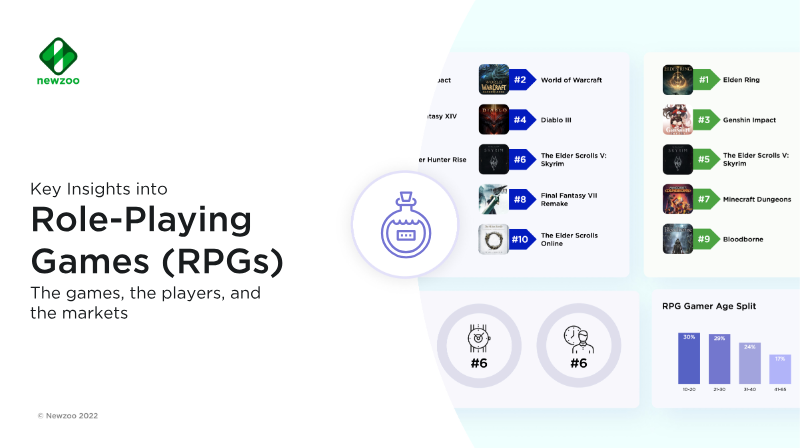
Newzoo · 2025

Newzoo · 2025

Sensor Tower · 2025

Newzoo · 2025