1 free read left. Create a free account for unlimited reading + AI research.
Create free account
Holistic LTV: A Unified View to Drive Growth & Efficiency
Key insights
5 takeaways- 01Transitioning from siloed metrics like ARPDAU and eCPM to a holistic LTV model is necessary to capture the total revenue generated by a user across their entire lifecycle.
- 02Fragmented data and reliance on waterfall-based ad reporting obscure true revenue performance, whereas programmatic bidding provides the granular, impression-level data required for accurate LTV calculations.
- 03Organizational silos between user acquisition, product, and monetization teams often lead to conflicting goals, such as increasing ad load to boost short-term revenue at the expense of long-term retention.
- 04A holistic LTV approach relies on four core pillars: integrated platform visibility, actionable insights, comprehensive A/B testing, and automation.
- 05Advanced mediation and machine learning enable dynamic user segmentation, allowing developers to tailor ad experiences based on individual behavior, such as reducing ad load for high-spending IAP users.
Ask AI about this video
Transcript
[Music] so hi guys thanks for coming so we'll be speaking today about a listicle TV lifetime value a term that been used in the industry a little bit I'm gonna be speaking about the challenges of the lifetime value and then Matt will be sharing some of the solutions that we have at fiber just a quick question guys did you hear about LTV how many people heard about the TV in the last 12 months most of you so let's see yeah what are the challenges that we have today in calculating a holistic LTV okay let's try to understand a little bit yeah first to understand what are the challenges to calculate holistic LTV we
need to first of all understand what kind of metrics were used up until now and if we check out the industry evolved then the last ten years we've been using pretty much one of the key metrics over there the historic the ancient a CPM right eCPM to predict revenue is it is it really enough so the CPM is good because it enables us to it's enables us to understand quite easily and simple revenue metrics how much money would do for each and every 10,000 impressions but it's only a proxy for revenue because if you have right high CPM but very low fuel rate then it doesn't necessarily represent any revenue it also speaks about demand partners but focuses on demand partners rather than on users so it has a big disadvantage so we had to evolve and then we evolved and we began speaking about our brow now great average revenue per daily active user what does it mean publishers are now speaking about revenues and about users which is the two most important things and metrics for them now is it enough listen it focuses on ad
monetization which is a great thing however focusing only on ad monetization has its limitations because then you don't take any consideration there in a purchases then we had to calculate their pool they were Germany prep a user and then we have to come with a verage --is of our pool average revenue per user great and mainly it basically ignores segmentation it comes and says that all the users are equal which we know that is not the case so it wasn't enough we had to evolve and the next the next thing that we're speaking about is the user LTV the user of TV is is a great metric because it brings two of the most important things for publishers in one KPI is the monetization and the retention it was a great great great great things and very important to the publisher the user LTV not only that brings us in scopus gives us a snapshot into understanding what are what is our current monetization status and also Able's us to predict and modulate future performance and revenues lastly about
you so if it's very granular so the amount of data that we can get from it and we'll see in a second is really eye-opening so let's dive deeper a little bit so the user of TV as we said is a function of revenues that are defined for IEP revenues and ad revenues and a retention that the user lifetime value basically is the summary of total revenue that a user or a segment of users actually generating in the course of time being our customers so how much money those users would generate with all the key interaction points that they have with our application there are many interaction points and we can actually predict them and think about that if you do one change if you would like to do one change in your application how would that impact your overall TV if you for example would like to define that you are would like to retain the users on iOS 11 in us in a specific level by by
doing so you decide that you're not going to show any ads to these users you are able to compare those components and by comparing those companies you will be able to understand what will happen to overall TV it would decrease it will increase it will stay the same it gives you much more insight such grandeur data such information that wasn't able with different metrics before so this this is a great metric as I said and this is a balancing act why it's a balancing act because you are able in each and every stage understand what to do in order to get to your KPIs into your goals but as such a powerful metric it also has challenges challenges to calculate and what are the challenges that we see with LTV so the first challenge of all TV has a metric that is based on such based on huge amount of data sources data sources that come in from different areas revenues are coming from in-app purchases from ads retention it's really hard to bring them all together now a food publisher developer would like to
have a clear view into LTV they will need to put significant amount of resources into consolidating those old data points and normalizing them which takes a lot of time it's not simple consequently consequently as a result of that developers because it's so hard had to make some compromises what kind of compromises they did they decided listen if we can bring it all together let's calculate the LTV only for in-app purchase revenues is it that is that accurate enough not definitely not so this is the first challenge the second challenge that we have is the ad revenue accuracy and what does it mean we we are we are defining the two platforms that the to mediation solutions that we have in the industry to waterfall the old mediation systems the ancient ones and and the bidding was the new technologies the Tesla's out there right so what happens with the waterfalls as we all know it's estimated priced based on based on historical that based on
average CPM spare a per country per ad format they're lacking lots of lots of granular data lots of insights and versus bidding that are based on committed CPMs in real time and per impression that can be more than greater than that we have so much information that can be shared with us as a publishers and the problem is that we have over here is that if you are a publisher and you're using a mediation you set your waterfall in the first Network how the network pays you the net equation installs CPI so if there was an install you got a money there was no install there was no money so if we have a extreme situation scenario of one user this is June every user sees one for example impression but only one user actually clicked and created and install the mediation company has to provide an average right has to provide a reporting what kind of reporting will provide will provide an average reporting will take
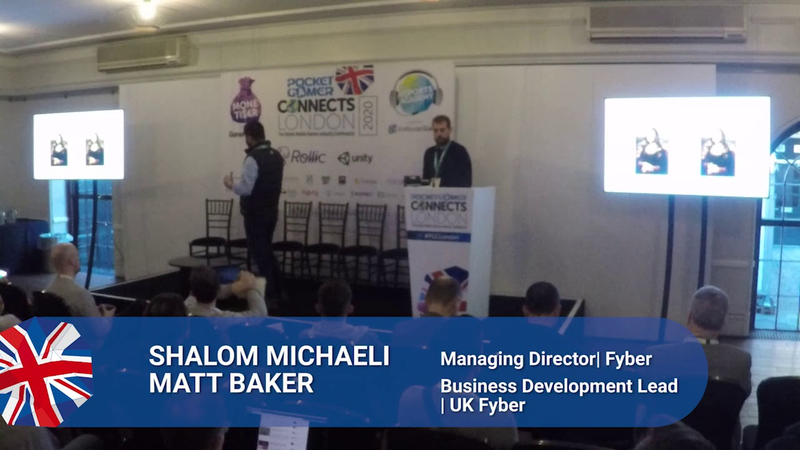
all the total amount of revenues it will divide it by 1000 users and we'll get our $1 average per user is it the true representation of the rows is it true representation of our LTV not necessarily so we're missing over here a lot this is basically coming in saying that bidding is giving us a clear view simple view very accurate or this beautiful Mona Lisa right it can probably get some few guesses if we stand from behind about the Mona Lisa from the right and probably we will hit one out of five but again it's a guesstimate it's not real it's not accurate the good thing about it is that listen if you're a publisher and you have 10 20 30 % from your ad from your revenues are coming from ads you have to understand that you have to have accurate data in order to calculate LTV you have to have accurate data and actually that is coming from bidding but a good thing you over here that we can see is that more and more inventory is
becoming available programmatically and to the that fact more and more campaigns are running also through a user acquisition on programmatically unproblematic channels and that eventually enables publishers to get those impression that user level data to understand how much each and every is are visually contributes so this is the progress that we have as an enhancer industry and the last one the last challenge the last challenge is the communication breakdown so the fragmentation of the data to the fact that all these data points are so fragmented so many data sources are creating team silos so crazy silos between teams so think about you have a user acquisition manager you have product manager and monetization managers write the user acquisition manager and product manager each and every one of them have their own LTV goals they have their old LTV guidelines but each and every one of them is also using different different components of LTV so while they're focusing on different components of LTV the
neglecting other components of LTV meaning that we're not speaking the same level think about the scenario that you have an application with ads and in the purchases write the user acquisition manager what is goal let's bring users let's also measure the retention they 7 retention let's measure their ROI great what the monetization manager wants to do he wants to maximize revenues for the non paying users so let's think what we can do we can add additional placements let's go to the product manager not energy ask for additional placements the product managers comes to say you crazy at skilling retention and eventually hurts the user acquisition goals so we have a problem over here then most of the times we converse ations our emotional conversations between the between the teams they're they're based on feelings and not necessarily on data because they're all fighting on the same resources on the development resources if you have a problem on the level 5 a Chan rape problem that's concerning point that you have on level 5 then the product manager will come and say ok maybe I should change something with the
application with the content the monetization manager will come so let's put maybe a reward video beyond level 4 so it will have additional gaming resources so the user can tell this retention problem on level 5 and they eventually have to fight on the same development resources so by by by having those discussions in one place we see that we can break those silos and how we can break those silos between the team I will pass to Matthew Baker to tell us thank you very much so thank you for lumps so we now we kind of understand the silos exist and what we do to going to break those down so a similar slide to what we're kind of advocating is we kind of move away from that kind of vertical school of thought in terms of having a different team member there's only laser focused on under kind of their their targets and more and more a team that has a more holistic approach that's focused on the focus on the amp so importantly kind of we believe that the kind of the concept
of a growth team should exist is it's going to be comprised of the same team members so we're still gonna have a member of the you a team and they're still gonna be focused and targeted on and acquiring the the kind of right type of users we're still gonna have an involvement from product management they're still going to be focused on optimizing the the in-game experience and we're still gonna have an input from the miniaturization team so they're gonna remain focused on driving increased revenues from the mediation but what's really important is that none of these decisions kind of take place without understanding the interplay between those team members okay so we believe we get there by using a holistic LTV parameter it's going to lie to look at the performance and set goals that don't lead to a conflict of interest between those team members okay so on the face of it it's going to potentially lead to some some kind of counterintuitive things at times so we may see an action take place that on the face of it actually seems to be damaging LTV but as long as there's a
corresponding kind of uptick in a different component and that gives a net ltb gain then it's then it's an action that we probably should consider or actually we should probably take okay so how do we kind of get to that point how do we start collaborative collaborating effectively as this this new concept of a growth team okay so we think this there's kind of four key pillars that kind of comprised this - the first one disability an integrated platform a be testing and automation so when we talk about visibility it's about having one platform we can kind of pull that that that true kind of LTV metric like get that true LTV picture in one place so you can anyone of you in the team that any one of you in the room at the moment might say hey Matt I've got got a great grasp on LTV at the moment but I'm pulling data from three different sources I'm putting that into an Excel spreadsheet and it's not kind of a not the ideal scenario to kind of to kind of manage that data okay the next one being an integrated platform so as well as having one platform where we
can view that data we think it's really important you have a platform where you can actually take actions as well so any of the insights that we gained from from our TLT be kind of understanding we want you to take actions in the same platform next thing a be testing so similarly to kind of visibility I think a lot of you in a room probably going to say look I do a/b testing already and I think that's that's probably true so baby testing at the moment probably takes place in isolation so we're talking about a/b testing you might be a be testing your waterfall and try an optimize your water for maybe a be testing your in-game experience but what we're not doing is kind of a B testing and looking at the impact of those those tests from an LTV perspective okay so there might think might be things like button colors went to showing in that purchase offer as well as things like add frequency or waterfall but looking about really with the lens of LTV rather than those that those silos that we discussed before and the last one is automation so again so we can do automation really means to us kind of
doing things at scale and so humans can probably optimize for maybe five changes some new your team can look at ten different cohorts again someone can probably manage about twenty optimizations and get a good grasp on kind of what's going on but that's probably about the limit so to kind of gain kind of insights at scale we need to look at kind of automation and what we hope there is the outcome of that is going to be like a highly tailored user experience and a highly kind of fine-tuned kind of LTB kind of metric okay so it's amazing and but how do we take that concept have you take it from a concept to reality so fibers has an exclusive partnership with a company called game of Wales we've been working with them for probably about nine months now this is it's fully kind of integrated into the platform but when we look at kind of how the the synergy between those companies works and how we can kind of move towards an LTV they see the relationship means that we can kind of provide all of those monetization tools in one place so
we look at kind of fiber fair bid fair bid is our mediation product but that's fundamentally built on bidding so kind of when Shalom is talked about kind of estimated CPMs versus true CPMs bidding allows us to get an actual CPM as a committed CPM value for each impression that's delivered so we're not looking at a kind of waterfall estimated CPM we're looking at a committed CPM okay so game Wells can then take that data and marry that data and so the impression of a data they can marry that with in-app purchase data that we have okay it could also bring to the table kind of machine learning algorithms so we can continuously segment users is it's not no longer kind of requiring a human to kind of go and manage all of those segmentations and we can create multiple segments any one time and optimize towards those segments and then finally it has a kind of a full comprehensive suite of a be testing tools so that means we can have optimize for any aspect of the game whether it's user flow whether it's monetization any of those components we can kind of look at and look at the the kind of picture about with with the lens of LTV
so what does it actually look like so in reality kind of what does the what's the platform look like so you'll see here for the first time in one dashboard we've got ads ad revenue and we've got IEP revenue you're kind of available in available in one place okay so we can start to again just to kind of really hammer this point home so when we're talking about kind of you know so the ads revenue we're talking about here we're talking about committed bids so this is coming from an auction model so there's bids are committed and we have an accurate kind of impression level data which means it's kind of a lot more accurate and then kind of anything you see from work from waterfall so you can start to identify things like who the whales are both from an eye purchase in that purchase perspective so who are the biggest spenders in the app we can also understand from from ads perspective as well as to who our biggest ads whales are and for the first time we can start to look at actually here the combination of of kind of full who the big revenue drivers off and they combined in our purchase and an ad revenue perspective
so that kind of leads us to some interesting things we can start to kind of feed those insights into the fuser acquisition team so you've all probably have done some look like targeting with your in-app purchase whales but maybe you haven't done that with your ads whales so kind of opens up a kind of a new kind of path to explore from an in-app purchase perspective so while we're on this screen you'll notice kind of we've got names against the kind of the particular users I just want to call out kind of at this point and either date and a platform is not enough PII so these are kind of randomly assigned names and I'm sure we're gonna get this question later on but any of the data in the in the game worlds platform is kind of siloed off for you guys so we don't share that across different publishers those learnings and that data is your data so we don't we don't kind of pass that across so Texas two kind of data data data driven decision Inc so game of Wells kind of is able to run a/b tests at scale so we can look at things like segmenting users based upon their and
they're playing habits so things like session length frequency and playing time we can kind of run multiple optimizations to to each of those points okay so that means that we can do things like add decisioning so fiber SDK is able to consult with the game as well as SDK and say look is it appropriate to serve an ad to this user like yes or no so we can actually make decisions on kind of whether to actually show ads to users rather than having a default shell ads to kind of all users so that might you can imagine that might lead to some some potential use cases so we might have for example it might lead to in-app purchase whales not being shown at at all for a more moderate user and that a more moderate purchase so we might show it kind of might still show ads but kind of less ads than we would do to to a someone that doesn't interact with in-app purchases tool and what's important is that very very early on we can start to build a profile of users that aren't going to go into that in a purchase funnel so we can recognize ok this user is never going to convert we kind of see this type of user over and
over again you know this user is not going to convert very on that purchase so early on we can make a decision to kind of show more ads to that user or maybe show a different type of Arts in that user ok so we can also take actions such as looking at kind of in-app purchase offers and that adjust by time and price to increase conversions to look at kind of re-engaging churned users will help identify users that are about to churn maybe serve them an offer that is going to help them get past a particular level in the game case it's all about kind of that full LTV piece about looking at churn realization and kind of helping you to kind of paint that full picture so we know first of all I mean we know inherently it's kind of difficult to trust trust an AI so having an AI and a background kind of making all these decisions working with thousands of different segments that's kind of an inherently hard hard thing to do so to leave yet these concerns there's always a control group that is run by gaming whales so you can always measure the performance of those changes that taken place against the control group and see
that the the kind of the impact of this changes is driving kind of increased growth and Kevin valves also looks back over a four week period so Wednesday over Wednesday for example and over a four week period we're looking back to show that there's incremental growth over that time timeframe cool and it's bringing it all together so just to kind of recap on those points we've mentioned so the point to kind of align teams around common goals and practices so kind of removing those silos of kind of verticality so where LTV becomes the the common metric and that all teams align behind and it represents the the kind of value of the team rather than the individual it's important to to kind of have resource allocation with data and testing so no longer battling for those resources and kind of priority amongst the team so you have everyone working towards that common goal and using data decision data decision metrics and then ultimately kind of creating a tailored dynamic user experience behind an eclipse here yeah
so all of this is kind of fantastic but what ultimately leads to is a tailored experience every single user so again if I'm an in-app purchase whale I probably don't expect to see kind of thousands of ads in the yeah but if I'm someone that's not kind of purchasing that I might expect to see more ads and that users more likely to churn to create an experience which is relevant to the particular user and the last one is optimizing at individual KPIs so to kind of maintain overall growth so any changes that we make such as increasing kind of add load strike the right balance where those are the metrics such as user retention and interim that kind of we have an overall LTV growth yes that's if we've got any any questions they're gonna open up at all don't we have time for questions from our guys where does the segmentation happen and how quickly can that be action it's where does the segmentation happened where can be action so the second
station takes place within the gaming wells again the world's platform so I think in terms of kind of how frequently the the segmentation happens for an automated standpoint we probably need to kind of gonna speak to speak to Durant he's kind of around somewhere in the room so maybe we can kind of come to the come to the fiber booth afterwards and give you a bit more detail on that specifically but yeah the segmentations all will happen within the game of whales platform which is kind of baked into into the fiber but of course it's very definable you can adjust it adjusted to different metrics different granularity options and it's very flexible so there's a distinction so this is there's automations that can take place automatically variety of wells and then a segmentation is which you can build into the platform as well so if you want to run your own a/b tests you can kind of do that and build those tests as you like in a platform well there's an element of control you can give over to game of Wells looking at kind of things like add frequency and light impact so you can kind of you can kind of have it set and forget or you can kind of add in your own a be testing as well so other questions actually while you're
thinking of a question I got to tell you the eight the holistic a/b testing concept is really strong while I was at Amazon we would test everything when we did a be testing if we changed where a by button was or what a Buy button looked like we didn't just test the effect on sales we tested the unintended consequences of what it did to everything else on a page because if you change focus for one item sure you can affect the impact of that one desired item but when you change the impact of that item what are you taking attention away from and that impacts everything that you've done so kudos on the holistic a/b testing I'm now a huge fan Wilson thank you guys I'm other questions no other questions fiber guys thank you very much for being gold sponsors I really appreciate the key thank you for speaking [Applause]
you [Music]
Summary
Maximizing user lifetime value (LTV) requires moving beyond fragmented, siloed data to a unified, holistic approach that integrates user acquisition, monetization, and product development. Historically, the industry relied on metrics like eCPM, ARPDAU, and ARPU, which often failed to account for the interplay between in-app purchases (IAP) and ad revenue. These legacy metrics frequently ignored user segmentation and retention, leading to inaccurate revenue predictions and conflicting goals among internal teams. A holistic LTV model addresses these challenges by consolidating data sources and focusing on the total revenue generated by a user throughout their lifecycle, rather than optimizing for isolated KPIs.
The primary obstacles to achieving this unified view include data fragmentation, the inaccuracy of waterfall-based ad reporting, and organizational silos. Traditional waterfall mediation relies on estimated historical averages, which obscures true revenue performance. In contrast, programmatic bidding provides granular, impression-level data that allows for more accurate LTV calculations. By breaking down communication barriers between user acquisition, product, and monetization teams, organizations can align their efforts toward a single, shared LTV objective. This shift prevents the common scenario where monetization tactics, such as increasing ad load, inadvertently damage retention and undermine acquisition goals.
Effective implementation of holistic LTV relies on four pillars: visibility through integrated platforms, actionable insights, comprehensive A/B testing, and automation. By utilizing advanced mediation and machine learning, developers can segment users dynamically and tailor experiences to individual behaviors. For instance, high-spending IAP users may be served fewer ads, while non-purchasers receive optimized ad experiences to maximize their value. This data-driven strategy allows for scalable, automated decision-making that balances short-term monetization with long-term retention, ultimately fostering sustainable growth through a more personalized and efficient user experience.