
The Hasbro fiscal year 2020 annual report details a transformative period defined by the $4.6 billion acquisition of Entertainment One (eOne) and the operational challenges posed by the COVID-19 pandemic. The primary thesis of the report centers on the execution of the company’s Brand Blueprint strategy, which seeks to integrate digital gaming, entertainment content, and consumer products into a cohesive omni-channel ecosystem. While the acquisition of eOne significantly bolstered the company’s storytelling capabilities and preschool brand portfolio, it also introduced substantial financial complexity, including increased debt obligations, intangible asset amortization, and integration-related restructuring costs.
Financially, Hasbro reported consolidated net revenues of $5.47 billion, representing a 16% increase over the previous year. However, net earnings declined to $222.5 million from $520.5 million in 2019, a shift largely attributed to acquisition-related expenses and the operational disruptions caused by the pandemic, which hindered theatrical releases and in-person events. To manage the resulting debt load, the company suspended its share repurchase program to prioritize deleveraging. Despite these pressures, Hasbro maintained sufficient liquidity through a combination of senior unsecured notes, term loans, and robust cash flows from its gaming and emerging brand portfolios.
Operationally, the company navigated a volatile global landscape by diversifying its supply chain—reducing reliance on Chinese manufacturing to 55% of third-party production—and accelerating its digital transformation. The report highlights a heavy reliance on a concentrated retail customer base, including Walmart, Amazon, and Target, and underscores the ongoing risks associated with shifting consumer preferences and cybersecurity threats. Looking forward, Hasbro remains committed to its long-term ESG goals, including carbon reduction and workforce diversity, while managing the inherent uncertainties of global entertainment distribution and the integration of its expanded content library.
Hasbro · 2026

Hasbro · 2026
Hasbro · 2025
Hasbro · 2025

Hasbro · 2025

Hasbro · 2025

Hasbro · 2024

Hasbro · 2024

Hasbro · 2024

Hasbro · 2023

Hasbro · 2023

Hasbro · 2023
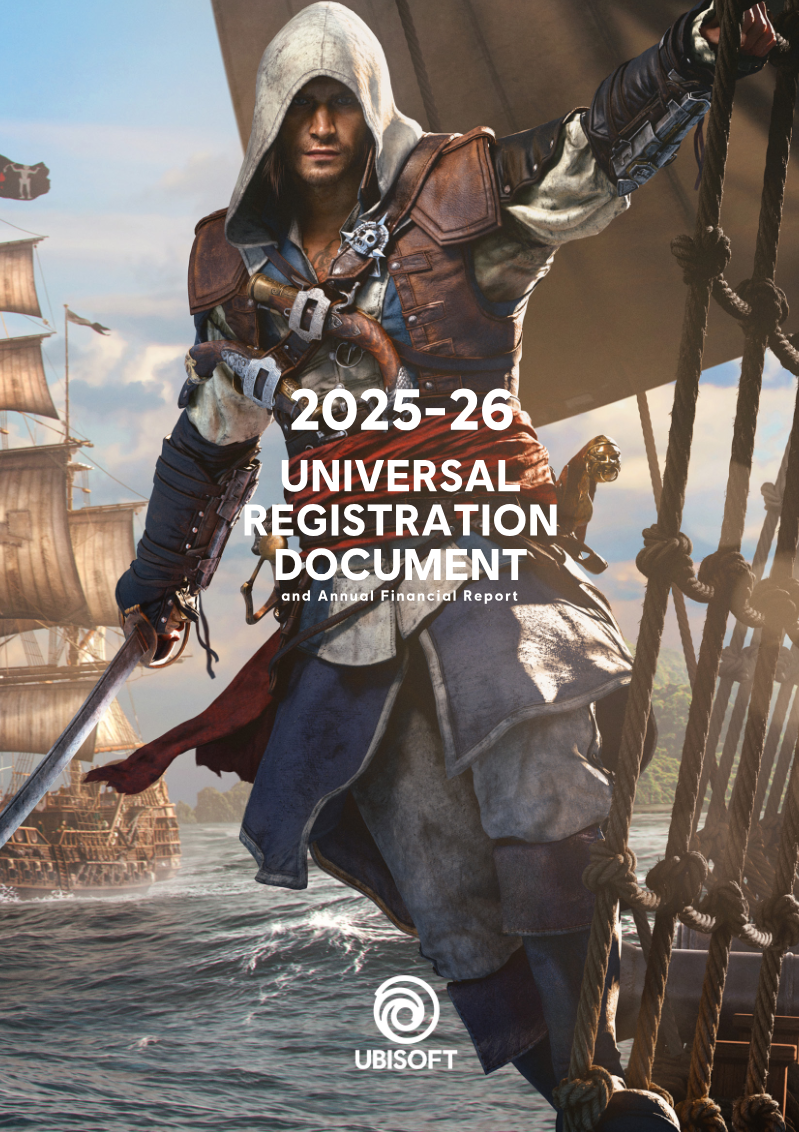
Ubisoft · 2026
Sony Group Corporation · 2026
Enthusiast Gaming Holdings · 2026
Drake Star Partners · 2026
Aream & Co · 2026
Capcom · 2026
Modern Times Group · 2026
Bandai Namco · 2026
Aream & Co · 2026
Take-Two Interactive · 2026
Take-Two Interactive · 2026
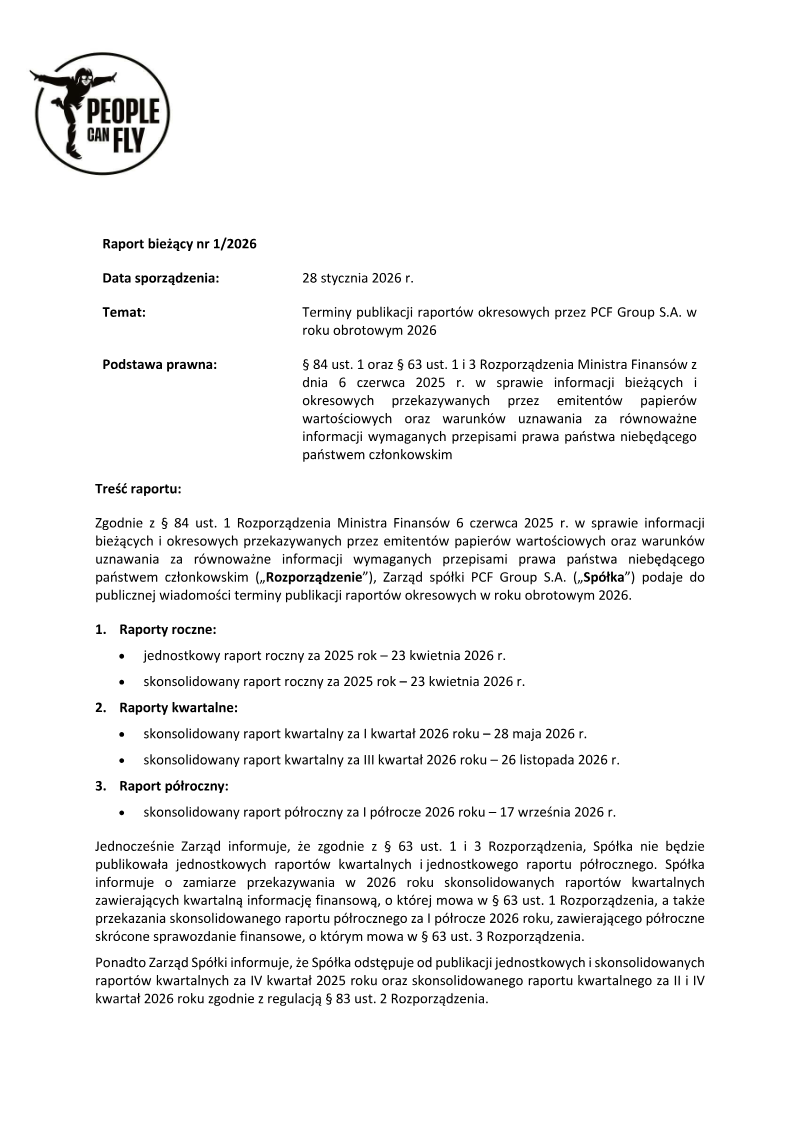
PCF Group · 2026