1 free read left. Create a free account for unlimited reading + AI research.
Create free account
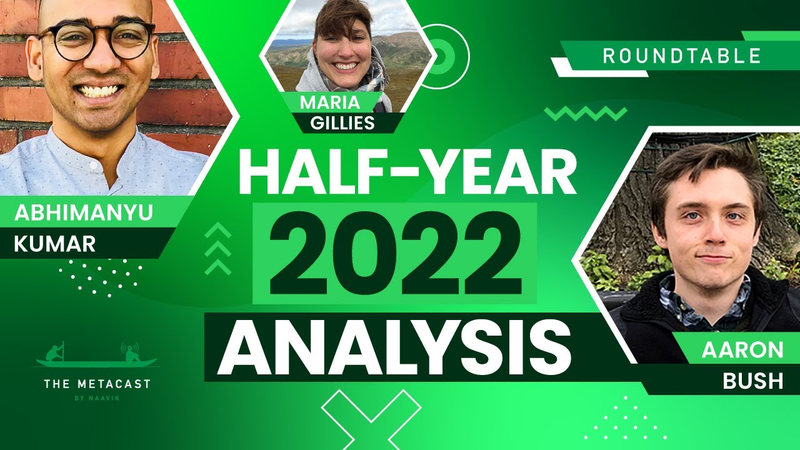
Half-Year Analysis: Games Industry Big Beats and Predictions - The Metacast by Naavik
Key insights
6 takeaways- 01The games industry has transitioned from a debt-fueled acquisition model to an era of operational efficiency, as rising interest rates and falling valuations have stalled serial acquirers like Embracer and Stillfront.
- 02Market consolidation is shifting toward cash-rich tech giants and private equity firms, which are now better positioned to acquire distressed assets following the industry's economic correction.
- 03Widespread layoffs and a move toward conservative project development have become standard responses to the industry's cooling speculative boom.
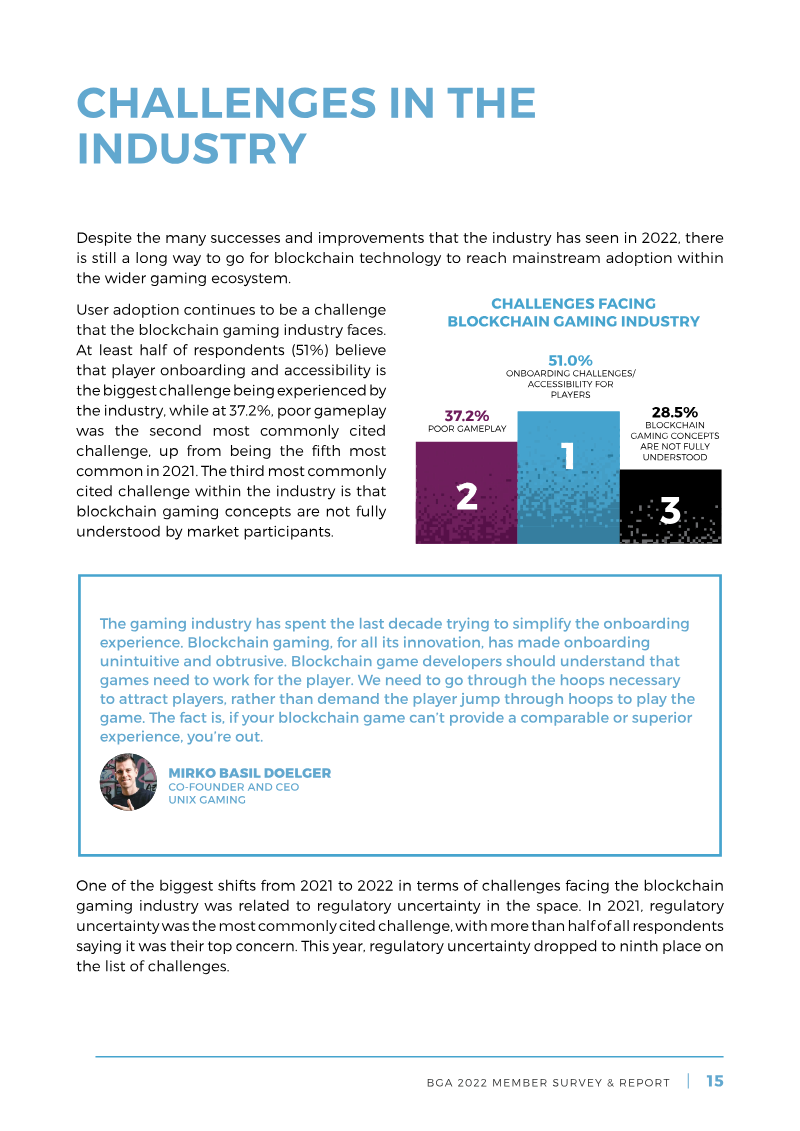
- 04Blockchain gaming is pivoting away from unsustainable play-to-earn models and speculative tokenomics toward a focus on core game design and functional utility for ownership.
- 05The console market continues to serve as a pillar of industry stability, supported by consistent hardware demand and the success of subscription-based models in increasing player lifetime value.
- 06Mobile gaming remains resilient, evidenced by a 24% year-over-year increase in hyper-casual in-app spending during the first half of 2022.
Ask AI about this video
Transcript
[Music] a lot of people a lot of smart people too surprisingly like we're basing the future of blockchain games on a few just completely broken assumptions that games should make you money that chasing high yields is wise that ramping up scholars makes any sense whatsoever [Music] hi friends welcome to the metacast roundtable by navic and today is a special episode because we're going to be taking a look at what's happened in the games industry in the first half of 2022 looping in some predictions and it's extra special because we're joined not one but by two navic co-founders two out of two by the way um aaron bush and abby manu welcome thanks maria hey guys
okay probably probably like our first episode together in a long time at least did we do the first episode ever of the metacards together i think maybe we did the first one ever but now we're on like episode i don't even know what episode number we're on at this point like 100 or something so maybe every 100 episodes we'll we'll get back together are we on episode 100 no way no we're pretty well are you counting the crypto corner segments yeah just like all the podcast episodes yeah we're probably on like roundtable number like 50 something like that right okay okay 50 56 56 yeah an annual occurrence yeah so maybe when we hit the 100 we should like yeah i mean we should definitely know when we hit 100 and then we'll do something that'll be a special episode i'll let you all know i i keep track of this i'm the accountant of the episodes
um [Music] it's fourth of july because we're pre-recording um you know holidays and summer and we thought was a good a good time to to look back to what happened but i wanted to say it's fourth of july because erin newman in the united states right i do i don't think there's uh too much to celebrate in the us lately to be honest but it's still uh you know it's still a good excuse to you know hang out with family have fun with friends all of that so you know still trying to have a good time yeah our facebook small vile yeah i need to do that that's true do you are fireworks still a thing on fourth of july oh yeah it's like uh yeah definitely all over the place there's gonna be a ton of fireworks did you get some is it legal asking you this on live in most places it is not legal to just shoot off fireworks in the suburbs and you know things like that but some people definitely do um
but some people that do not include aaron by the way yeah that do not include me also fireworks are expensive i think fireworks are like it's one of those things that it's like one of my personal pet peeves that i'm never gonna ever spend like a dollar on because you like the good fireworks they cost you know like hundreds of dollars and then all you do is blow it up you're literally lighting money on fire you're literally just blowing up money and i i cannot get behind that so it's okay like i even feel weird you know like all right you know tax dollars go into just literally blowing things up in the sky like i feel weird about that and i get some people like it you know okay but never gonna come out of my bank account to fund fireworks so i i i don't like fireworks for more like the environmental reason i had never thought about it in terms of you know like burning up money but yeah the environmental reason like super important for me because i'm coming from india you know we have this uh one festival called diwali which is
the festival festival of lights and that's like a firework extravaganza but where basically like neighborhoods are competing with each other on who can like you know burn up more money the fastest and uh and yeah i mean basically at the end of the at the end of the you know festival delhi which is the capital is just covered with a cloud of smoke and smog and yeah it's quite bad um i thought you're gonna say like it like hits birds or something but yeah i guess smoking no there are no birds anymore because the birds don't want to fly around and all the small so it's clear it's clear skies for the neighborhood [Laughter] happy fourth of july wow new year's eve will never be the same looking at this burning money yeah i used to like it when i was a kid i did i did like boil some fireworks then but
then then i stopped yeah i used to like it until i had a dog and then the dog was very happy yep damn it so then i got unhappy but it's still really nice you know fireworks very pretty and you know if you are not buying fireworks there's something else that you can do with your saved money and that's become a member of mavic pro what is transmission right now reading reading that pro analysis content is going to result in fireworks in your mind gosh that was so terrible okay let's quickly move on from this embarrassment erin what's the first big beat that you have for us today yeah so um let me pull up my notes real fast so i think um there there are plenty of
pretty big trends and narratives that that have shifted gears over the first half of the year pretty heavily so i think it's worth highlighting um you know what those are and you know why we've seen so much evolution and change in such a short period of time and um you know one obvious contender has a trend that's changed heavily this year is m a mergers and acquisitions so um you know i think 2022 has technically broken records for games industry m a because january was insane that's when you know microsoft announced its acquisition of activision which still might not go through it probably will uh but that was about a 70 billion dollar deal that was also when um take two acquired or announced the acquisition of zynga and that was about like a 12 billion dollar deal and then i i don't know if this was in january but shortly after you know bungie announces 3.6 billion acquisition of bungie um etc and you know since then
uh we have not seen anything like that and part of that has to do with well there are only so many activision blizzards and zyngas that can be purchased but um really more than that there's just been like a pretty uh you know real change in capital markets that are that just change the you know the logic of how these kinds of deals get thought through and made and so um you know capital is more expensive now we're already seeing interest rates rise so if companies need to take out debt to make deals it's just more expensive for them to do that um you know a lot of big acquisitions like we saw with even um take 2 and zynga they're used with company stock and when prices and the stock market's doing well and prices are higher um it's usually more compelling for companies to leverage their shares at higher prices to acquire other companies often at lower prices but when lots of you know stock prices are down across the board it's just
it's less intriguing as a value proposition for companies to sell stock to buy other companies and so there are a couple like really important levers right there that that are less appealing than they were you know even six months ago um and you know when you kind of pair that on with just more economic slowdowns or concerns or just recognizing that maybe the same level of growth that was forecasted maybe was too ambitious and therefore like companies need to cut back also just cash in general is um you know something that companies are not just tossing out as freely as they might once have and so um you know when it just comes to like the nature of like how capital works and what makes it compelling to use or not it's just become less compelling over the the past six months um also like there have just been you know ongoing structural changes in the market as well so when it comes to something like mobile um you know
companies just have to be more careful buying into mobile given a lot of the you know the ua and ltv destabilization that we've seen with you know privacy changes like idfa um and um i think even when you kind of look beyond that it's just the you know the question of like who is left to like make these big acquisitions that would actually want to at this point in time and it's just harder to answer that question right now and it doesn't mean that we won't see it but it'll probably be at different terms and it'll probably not be as crazy of size and it might even be different types of buyers that are in the mix so instead of you know just uh you know random company out there looking to buy another company to grow it could be you know more like private equity and things like that now that um companies need to cut back their economics have changed and there's just more challenges to think through so so really in general just m a has changed and that in it of itself is is
you know a symptom of like broader underlying changes but it's been pretty crazy to see how we went from breaking records at such an extreme level to you know cutting back down and you know kind of changing the trajectory of how we should even think about m a as an industry um so i guess um those are my thoughts and i guess i'm curious you know as you think about the landscape um is there i guess first of all do you agree with me that m a should be cut back down probably from the highs that we saw and if we are to see m a over the second half of the year where where are we most likely to see it like where makes the most sense to see companies continue to buy up other companies or not yeah i mean i think um in terms of like these huge m a deals where probably yeah probably q1 was the you know or yeah q1 was filled with the most fireworks
um but uh but yeah i think going forward at least m a at that scale is probably not going to be happening for some time so i agree with that um i guess the one one question i did have though is you know more in terms of like we wrote this article in novik pro about you know uh the consolidator companies um like still front and embracer and basically connecting it back to this point that you just made a bird you know when um yeah if your uh if your public market stock price is uh priced quite low then uh using that as a lever to you know fund future mma um basically become a weak label so for these companies um that's my like one one concern okay you know what what happens to the strategy of these companies that they now like really need to double down on the studios that they have acquired and the tech that they have built and the processes they have in place uh to
essentially now you know build games uh in-house so that whole organic growth aspect of things for these companies is now it's really going to like clear its ugly head and you know it's going to become like really really important for these companies i would say so but yeah i don't know like uh how do you kind of like think about that aspect of things uh with these consolidated companies yeah well i think growth by acquisition is always there's always risk inherent in that model when you're growing just from however you allocate uh you know capital raise money sell stock things like that and that's your source of growth more so than like internal reinvestment on like high like return on investment activities that generates organic growth um and i think you know we see plenty of examples over time of
companies that have been serial acquirers like outside of gaming too and it works because they're just really smart with managing money but also they're really smart in terms of the quality of the assets that they buy and so when i um and there there are certain time periods where it makes more sense to like lean in and lean out or just change how you think about acquisition the problem is like you need to have flexibility like built into your model so that if you press the brakes it doesn't screw you over and so when i look at some of these companies like still front and embracer there really was like a positive feedback loop in play where um they they would use stock to acquire companies to get you know short-term bursts of growth which would then push their stock price up even more and they could still leave abort stock and you know they're a larger company and therefore they can take on more debt and there was this positive feedback cycle on the way up that led that let them like accelerate growth by acquisition but as with all things and markets like it never like the market
dynamics never stayed the same so they're going to change and so the problem with that model is that when the market changed they weren't equipped to really deal with that change and so um now we see you know some of these companies that their their stock price has fallen now they um can't use their stock as effectively to make deals now their growth their acquisition driven growth is lower which makes the growth expectations of the company lower which makes the stock price and company value fall even more which if they have lots of debt and stuff already it just makes the company more inflexible to using capital to be more flexible like they can't you know take on a lot more debt they can't necessarily sell more stocks so they're just a bit more stuck and at that point it's like the main determinant is like did you do a good job in buying the assets that you did in a way where
that's going to contribute to the trajectory of your company's expansion and i think with a lot you know if you kind of look back at a lot of the companies that still front and embracer and others like it um but um it hasn't necessarily led to the level of organic growth that they would have wanted i think the idea of like just synergies between these studios is probably it doesn't really exist all that much like there are probably little things in there you can say like oh leverage this game engine to grow or leverage this brand in another studio to make another game and not have to pay a licensing fee or you know something like that but localizing different games for different markets where these studios are strong yeah so i think there is a little bit to like organic growth that is there but there's not like a huge like organic growth reinvestment engine that really exists to take these companies to the next level and we've seen that through really weak organic growth over the past year and that's not um you know the whole industry has been
kind of struggling with organic growth so it's not just them but when your entire economic model hinges on like you have to make lots of deals and if that goes away the deals that you have made need to carry the company forward to new heights that's a lot harder and in a case like still front which is like very like mobile centric um that's been really hard something like embracer maybe is a bit more interesting just from the sense of like they're they're not they're not even just a games company anymore and so they bought you know asthma day which you know is a big leader in board games they bought i think it was dark horse comics which just has a ton of ips yeah to work with and some of those things like you could make the case that organic growth could actually be more feasible than just throwing a bunch of studios together because you can like you can leverage talent connect it to like the board game industry and like actually innovate in some way and build something new that kind of pushes forward that industry meaningfully or take all of these new ips that you now own and do something like unlock some value and
them that couldn't have been unlocked before but i don't i still don't know if that really moves the needle enough for these companies so i think they're they could be good businesses but the assumptions that were made about their economic growth growth by acquisition economic models it was just way too high and as soon as that unravels those assumptions and forecasts just plummet and that's why we've seen these companies still from probably most of all just get hit so hard so i think it's really interesting um it's a fascinating model but there's there's a lot to it that you need to be really careful about as you build it up as to not you know completely collapse on the way back down yeah doesn't so the business the underlying business model does it not have an expectation that eventually the growth by acquisition will plateau or slow down significantly because doing building a business model that
requires good market conditions for years and years and years like that's not how market cycles really work yeah um and i just i think a lot of people were forecasting probably incorrectly on how that would go across like the entire stock market too like we've seen like a pretty huge reset and expectations like across the entire global stock market um but yeah companies like this that definitely hit the most um and what gets challenging too is like i think it's like these companies don't want to admit it and so in their like their commentary to investors in the market they're not saying that they're going to do less deals or that growth by acquisition has become is going to become a smaller driver they want to forecast higher growth and figure out how to continue to make that growth engine intact but the challenge for these companies is you either have to do one or two or both things one at a larger size you need to make more acquisitions to get the same amount of growth you
know more smaller acquisitions and then it's just you're probably taking more of a shotgun approach and it's harder to get the same level of quality if you're making you know five times more the number of acquisitions that or you need to make larger acquisitions and when you make larger deals it's just more complicated because you're putting it you're betting more of the company you're putting more of the company on the line to make sure it happens but then the integration complexity and risk are just so much higher um that if you screw anything up or it's not as quality as you thought that in and of itself one bad big deal can mess up the entire acquisition engine for many years as you kind of dig yourself out of that um so i think i think for these companies looking forward they will they'll continue to do m a and such um but i'm hoping they can um like really rethink the types of companies and kind of the quality of companies that they buy so that they can really get that organic growth engine
more in check and it's easier said than done and it might not happen um but that like that's the thing that would take these companies to the next level and make them really interesting not you know recession proof necessarily or anything like that but you know to stop the positive feedback loop that works so well on the way up from crashing on the way down yeah i guess uh yeah and like these the big acquisitions part is even harder when you know uh the stock price is where it is right now um just to kind of like look back at still front story a little bit and you know uh back up a lot of what aaron is saying over here but i mean still friend yeah still fun kind of started with you know these i guess it was like four different companies coming together and one of the key problems that they wanted to solve was um essentially by providing um yeah basically scale advantages to smaller companies they end up providing more uh stability
um to you know stock market investors to essentially invest in still fund for example what i mean by that is they would go ahead and like purchase companies that have long standing games that you know are running on pretty old user bases but are generating pretty decent amounts of money and and then you add them all up and at the end of the day you have a pretty stable you know uh revenue trajectory that's predictable for the market and uh and and through live ops and you know better user acquisition techniques etc you're able to essentially grow those revenues pretty predictably now the problem um or at least the way i see it is that the companies that they did end up purchasing that actually had these games were um i wouldn't say they were like you know tier a studios so they would be somewhere in between tier a to tier b studios and that and even though like they those two days have found success with the games that
they have built in the past but to then create the next game which would be the source of organic growth you know i mean they're competing against like some pretty like pretty well equipped and you know well uh staff and very highly experienced tier a studios in the market and that's just it's just it's just very hard in you know in in mobile games as we all kind of know to just find that next hit so so now still friend is left with basically a bunch of different studios who all have like they've proved themselves in the past but now they have to like prove themselves again in in a even more competitive market and but you know they are i would say that they're not all like tier a studios which makes it which makes the whole organic growth uh thing and basically finding the next you know it came even harder on the but that that's like still front specifically on the flip side you have embracer which um
yeah i mean it's gone they've been like super crazy with their acquisitions right i mean not just like pc console studios but they also like starting to get into mobile a little bit and they have the comic book stuff and the boot game stuff um but embracer also has um something like you know 250 different projects in the pipeline and whatnot and basically the number of the shots on google that they have to find that lightning in the bottle you know again the same way that they probably did with uh valheim uh i mean that at least they have like more shots on goal i don't think um i actually haven't like checked uh still friends latest presentation but i don't think they have even those many attempts you know uh to kind of find that next big hit so maybe embracer is that is that a better place for finding that organic growth uh internally through those multiple 250 shots on goal but but yeah i mean at the end of the day the fundamental issues between these companies uh still remains the same
and just to wrap up this topic quickly before we move on to the next one if i had to guess um you know if we see large m a over the next six months or so it's probably not it's not going to come from you know the big game publishers or even just like the big game platforms like um xbox sony nintendo nintendo doesn't really acquire um sony well i mean it's it has like its acquisition strategy to kind of do like tuck in studios and things like that um and then yeah xbox has its hands full with um activision um so i would guess that if we were to see larger deals it would probably be from like the other like big entertainment and tech companies that are a bit more cash rich these are like lower probability of occurring but these are like the companies of scales that probably would have want to have something to do um with gaming at a larger level so like it's probably not going to happen but like at disney coming in and deciding it
wants to remake you know gaming as a larger pillar of its business with you know its new ceo you know trying to you know stake his legacy or you know amazon like who we know wants to build out its gaming ecosystem having a ton of capital and basically being able to buy like most anything and it barely moved the needle for how big that company is so those are the kinds of places where i would expect in this stage where the bigger deals could come we could see more private equity pop in and things like that as some companies struggle and need to cut back on spending and all of that which isn't super exciting um i don't know if that's super healthy for the industry but um we could see maybe a bit more of that occur but anyways it's been wild to see how quickly the gears have shifted and sentiment has changed around m a yeah maybe one last quick comment so like to go back to your question about you know where where the next um mma could come from there's obviously like what you said about you know the bigger media companies trying to like
make really big gaming company purchases um some other places which um i'm curious to get your guys's thoughts also but one other place could be all these companies that went public um during the covert drives so you know um like platika or iron source and basically they were riding that wave so hard uh that they also like ended up going public but now they're really not in a healthy spot um and also all these companies that like when when uh likes packed if that's the way to say it but the companies that's packed like uh nexters i mean i don't even have to like check where uh like what's up with nexters but you know um i mean that company was built on one game and it went for the stack deal and i mean now i don't know what's happening to it i feel like those come there could be like some consolidation happening or like some buying up happening of those companies yeah
sorry platika got um i don't know if it's a majority stake but a big stake and the company was acquired by joshua joffer capital which is like a tech investment company yeah um yeah joffrey capital that was the news um so it was curious like um i was also listening to uh aaron's uh interview with eric dress and uh i said that you know it's uh it's fake news that that piece of it didn't really like also pick up in in various other websites so maybe it is but um but anyway um the the other the other area i felt that there could be some m a happening is because of you know um so because of like because of ibfa and basically uh more inefficient qa kind of taking over the market uh there are still a lot of private studios that are focused on you know genres that heavily depend on targeted ua that are probably not seeing the
efficiency that they can over there and those two could be could still be like good targets at this point uh especially for bigger companies that have the cash balance you know to kind of make those deals um so at least the others would i still feel like playrix is up for grabs what do you guys think about those two areas of more m a yeah i mean i think it could happen i don't think it would happen at great terms for those companies those are companies that some of them they probably went public when they shouldn't have um at prices that they could only get away with you know at the top of an economic and market cycle and so having to reset you know either they're just going to get crushed and many of them have already been crushed in public markets which just means like do you want to continue going down this path and get just roasted every quarter as a
public company or do you want to find an out and just kind of regroup while private and so i think i think it is possible that that happens um quite a bit um and it won't be you know really worth celebrating when it does but it yeah it'll be more of like a clean up clean up operations reorient and streamline all those kinds of things but yeah feasible nothing industry moving but yeah i guess the sign of the times well this this ties nicely into the second the second big feat that that you brought yeah um so i i need to figure out how to how to focus this topic but basically like you know we've been talking about you know the economic cycle has turned a bit more recessionary or it looks like it's probably heading in that direction the market itself is obviously well off of its highs and you know it's had
different impacts on different companies a lot of the more like growth oriented companies that had really high expectations they've been hit the most while others that are you know stronger more predictable cash flow generating businesses they've still taken a price cut but they're not taking nearly as much of a beating as just where expectations were really high with other companies but um it's it's also been striking kind of similar to how i said in mna how it went from just like really heavy m a to just a complete like change in sentiment that's had ripple effects in m a i think we're also seeing that same thing just play out like within companies as they think about their own spending as they think about their own hiring as they think about their own forecasting um to various extents and this creates a lot of ripple effects and it's it's hard to over generalize this but i guess to just kind of hit on some things at you know a high level obviously many investors have been crushed um it started in the public markets but i
guarantee you it's trickling into private markets now too since you know the price of private companies is at least partially dictated by whatever exit opportunities they have which is more dictated by public prices we've seen the ipo markets slow for obvious reasons uh spax are basically dead um so we're not really seeing any more of those happen right now um vc investment is slowing despite you know record capital being on the sidelines uh part of that is just you know feces are you know they're trying to figure out like what prices make sense to have deals on especially in later stages seed stage where companies are just getting started that's being affected less but more at the growth stages it's being affected a bit more where the prices really are more dependent on public comps and things like that um and in general like the market is pricing companies less just based on
their ability to grow which a lot of those growth assumptions have anyways been put into to check but also just higher emphasis on generating profits um and so when you it's sort of a one-two punch of when growth expectations you know probably get pulled back a little bit while the emphasis on profits gets higher it leads to it leads to layoffs and we've seen quite a bit of those trickle in over the past month as companies like unity and applovin etc um announce layoffs which you hate to see um um but you know still will probably that trend will still probably continue for a while in certain places um you know it leads to companies like we discussed in the last or maybe it was two roundtables ago um we discussed you know how companies even big companies with tons of cash like meta you know they're cutting back on lots of different projects and you know companies are just getting more focused
on what they know can work and when um and you know as i said it could lead to more private equity getting involved um i really i think the strongest companies are probably still gonna get hit the least by you know the need for layoffs need for refocusing things like that and it really it's just these smaller companies some of them who have ipo over the past couple years or so you know the roblox is the unities those kinds of companies um they're the ones who are you know dealing with you know a lot of the economic and market changes dynamics um you know growth forecast changes you know having to rethink how they prioritize you know the growth in their own businesses and such so again been really interesting to see how quickly sentiment has shifted across um not just like the market and how deals get done but how companies themselves are prioritizing you know how they run their own
businesses and have to think about financing and all that kind of thing um so i just wanted to highlight that it's a big topic um but i wanted to you know throw out there and just see you know based on what maria and monu what you both see out there are there areas that you think are like you do see getting um hit harder more than most um or you know you think could continue to like get hit hard in the next quarter or so or even the opposite and you know areas you still feel pretty strongly about that you just don't have concerns about curious to hear what you think yeah at least on my side um and there's probably like uh funnels into one of the topics i want to talk about um which is you know though basically the fall of the obvious blockchain games are better called ponzi nomic kids
um but yeah that's that's like one clear area where you know things have really really fallen off of uh of a cliff um basically all the different game tokens are down you know about 80 to 90 percent each uh it's absolutely crazy if you check out like some of these um you know dap radar or l2y.com um i mean everything is just basically that there was a spike in mid 2021 and you know everyone was like enjoying that spike and all the graphs just kind of look the same right now it's either they're back to their uh early 2021 levels or uh or even lower than that um and some of the key and just like give some examples but you know like step in the gmp coin that's like down 80 percent axi infinity with this axs coin is down uh 91 and this is all compared to like their all-time highs um
uh coin is down 99 percent uh per galaxy which is basically uh x infinity but mech unicorns uh is down another uh 98 so i mean yeah it's like a complete bloodbath um key drivers at least in my mind of course like this just like the overall crypto market downturn that's affecting a lot of this but at the end of the day yeah all of these games the way that they were built um uh yeah they just essentially relied a lot on you know new players kind of coming in and bringing new capital into the system that can be redistributed to everyone else uh basically promising to everyone else that they can be like you know financial gain gains if you engage in this product but they're in and and therefore like a lot of hype driven value and things like that but then kind of lies the inherent problem with all of these games which was they're just not inherently fun and
therefore there is no um there's no incentive for some of these players to you know engage with them long term but it also shows that how much of the player base or at least in my eyes it kind of shows how much of the player base uh was actually driven by a bunch of speculators and or people who were just in it to kind of get the financial gains which just comes back to the point of you know how important it is to actually build a fun product first on top of that i also feel um at least like the first wave of these crypto games was also built by a lot of teams which i would classify as maybe more on the inexperienced side when it comes to like building games more like crypto heavy teams who understood like more of the crypto side of the equation but not really the game side of the equation too well um anyway all of that is kind of like culminated into what we're
basically the complete annihilation of you know the blockchain gaming market uh quite uh recently um but yeah the big question then remains you know uh or what everyone is kind of asking is you know is this the end of blockchain gaming but uh i would say i i don't think so and i definitely hope not um at least in my mind what what has happened in this first wave is or probably the biggest thing that's happened in my mind is more people from the traditional games industry have been convinced that there is something here so there is something to explore over here and i think a lot of games industry people also think we can probably do it better than how it was done so that that big talent migration it's probably it started it's definitely started and it will continue to happen over time
now when the talent migration happens these are people basically a lot of like free play game designers and definitely from you know more traditional pc console side of things i mean the free play game designers definitely know how to like build economies the only difference and probably a big difference is they were mostly like building closed economies versus you know now wanting to build an open economy which is a pretty different um undertaking but still at the end of the day versus like the teams that uh were building the first wave of games this is definitely a way more experienced talent pool that's going to be building the second wave of games and that's why i kind of feel that um yeah for blockchain gaming it's still not over uh and there's the the best is yet to come is what i would say uh for it because the second wave of crypto games is is on the horizon built by teams that know
more what they're doing you know than some of the teams in the past and and yeah i'm still like excited to see you know what those games end up looking like i i agree that it's not it's not dead but man you don't call us traditional games it's so sad makes me feel so old oh man oh man um i'm right there with you because i'm calling myself a little bit as as painful as it is the crypto winter as it's been coined i i think it's one of the best things that could have happened to the space because it will it will force builders to build great games and not focus on ponzonomics and if it's not it can't even happen so you'll have to pay your attention to developing a fun game my prediction is that over the next couple of years the web 3 true ownership permissionless
custodial like all of these keywords i think it will die down at least in the general in the general communication scheme and i believe we're going to go back to okay what kind of game do we want to design what audiences out there what economy what fun what features do we need to to build the vision that we have for this game and prototype ideas and validate and i think you won't be designing a game to be web 3 you won't be designing a game because you want true ownership because like the the mass audience do they really care about true ownership what does true ownership mean do you but if you so i would like you i would argue yes of all the terms that you said the ownership one is probably the one i would argue will actually continue but is it true ownership or is it you can cash out if you stop playing or if you achieve something great you can sell it and get some money for for what
you've invested in because like ownership has so many satellite meanings around it and if you i think if we start talking about more these are just game design decisions at the end of the day and depending on your game design you're going to need different tech in order to achieve it and i think blockchain will become one of these technologies and we'll see publishing platforms bridging this gap of what you can plug in and play and so that studios don't have to be developing out you know like account systems that link with wallace or yeah um how do you withdraw and all how do you connect your wallet like eventually all of these things will just be refined and yeah i agree with that yeah yeah i think like all those you know um basically all the problems that are being focused on right now but like probably the top most one is oh it's such a headache to like connect my wallet to the game i mean all of those stuff all of those things will go into the background but um and i actually
personally i don't even like calling it blockchain gaming to be honest because the blockchain part is really the tech that's enabling something bigger and for me that bigger thing is the ownership aspect of this because that's not really like existed in the games industry before and in for this model to actually like you know um this is more like getting into my thesis for you know blockchain gaming uh but uh for that model to actually have legs really long term for the next 10 20 30 50 years for it's really more about like unlocking this new value vector of ownership for players which is not which is not like being there before now what that means to your point it could actually mean many different things for some players it could mean like you know flipping assets for some players it could mean like actual ownership which um results in i don't know if interoperability ever ends up happening in uh between games
but they're able to like transfer their assets between games i mean people at the end of the day also like play games for like five years and then they get bored but you know after you've invested like two thousand three thousand five thousand usd into that one game account you wanna like do something with it right or i don't know give it give it to your little brother so that he can continue or something you know um so i mean i feel like the definition of ownership could be actually pretty wide-ranging and not just narrowly focused on you know making a profit off of it but at the end of the day that's really the new thing that's coming to the table or not coming to the table but that's really the new thing that you know this first wave of crypto gaming or blockchain gaming has probably shown to the rest of the industry that okay the gaming population is actually or actually values virtual assets and therefore ownership could be a thing that you know like we build a business on or we
actually sell so um but damn it's where that you you don't you you don't sell keywords to a moss and mass audience and that's why i think that's going to be the next step and not this crypto winter will take us there faster you're going to start selling game game design loops and and features that you have nowadays like match 3 4x whatever it is and it'll it'll just become a new kind of game that you develop and players like like i don't think the grand majority of of an audience will play just because it's web three or just because you have ownership it will be great it will be by the consequences rather than the key words that we tell you yeah i mean i could i could see a world where you know um the same one player is shown uh one mmo a free-to-play mmorpg and an ownership enabled mmo rpg and he doesn't know which is which but maybe the question that he asks is oh so do i
want my assets here or not you know like maybe you're not selling keywords but that future could definitely exist where it just becomes important that okay if i'm gonna be spending money on this game yeah will i actually like end up are they really mine or not you know i could see that kind of thinking like permeate the broader market for sure definitely and i think it already exists in that sub market that's not with the terms and conditions of games if you're investing 100 hours and making a super awesome character that's extremely powerful because you did all the right things can i sell it can i pass it on to someone else it's not dead i guess i think we'll definitely see there's obviously something there it'll play out in a million different ways as tons of different developers continue to try things out and learn and improve i i do just want to like double underline how much stupidity we've seen over the past year though um and it is worth being
super critical of just what we've seen play out in blockchain games so far so you know i like a main thing to say is that like obviously the bear market is part of what has driven the declines but that would have happened anyways it only made it go faster than it would have um and you know in my view like we are at like a pretty important transition point in the era of blockchain games i do think the first era was probably driven more by like cryptokitties which flamed out because ethereum wasn't scalable now you know the most recent era which was driven by axiom infinity it was made possible because blockchains became more scalable but its achilles heel was the economic model that you know just everyone copied and jumped into and you know this past bull cycle was you know it was mostly fluff it was built more on you know false economic beliefs than anything fundamental at all and so for example the only reason guilds exist
and therefore a lot of the emerging infrastructure around them exists is because one actually used a breeding mechanic for axes that made barriers to entry high barriers entry don't always have to be high because you don't have to always use that breeding mechanic two the ponzinomics you know made the point of the game financial earnings instead of fun which we've talked about and then a ton of people just copied these mechanics and built a ton of different things a ton of different people piled in and so you know a lot of people a lot of smart people too surprisingly like we're basing the future of blockchain games on a few just completely broken assumptions that games should make you money that chasing high yields is wise that ramping up scholars makes any sense whatsoever and you know anyone with an understanding of just like basic economics will tell you that games for people that you know where people are there to make money defies any laws of economics and math high yields for products like this have no chance of being sustainable and you know the entire therefore the entire premise of why most guilds were even built and why scholars ever made any
sense whatsoever it just makes less and less sense and it was turbocharged you know because you know similar to what i said like the positive feedback loop of like the growth by acquisition model with traditional companies like this is just another positive feedback loop based on like greed and a lack of like fundamental thinking um but it yeah it just got so wild right like people were talking about game solving basic universal income or universal basic income and you know the actually documentary like people like ran with that and believed that there was like something of substance there and yeah like it's just like all of these beliefs they just need a huge reset um and not just of prices but of priorities right um and so you know the next era of blockchain games which hopefully you know starts now um you know it should use a lot of the same tenets hopefully some semblance of player owned economies you know
unlocking composability in new ways leveraging like you know we looked at dark force recently i think lars talked about on the podcast you know they unlocked you know zero knowledge proofs like interesting like privacy technologies to do something new that hadn't been done before completely on chain um like that is the direction things obviously have to go so i think the next six months like ponzinomics like it's still gonna have a fallout there's still like people putting a ton of money into projects there are so there are more guilds than ever that are still chasing the scholar bottle even though it makes like generally no sense like maybe in a few cases it makes like barely sense if you kind of think about it more like traditional esports but i think you know guilds will become more like vcs and hedge funds the act of like having some type of scholar operation is probably going to get like removed from a bunch of guilds um just because managing money and managing scholars like they butt heads a lot when you think about it
um and yeah i really hope the next six to 12 months you know teams just like completely reset on priorities as you've all been saying hopefully the next era is one of fun if the first era was just based on like you know nothing could really happen because there was no scalability but people realized that like oh we can own things and the second one was based on scalability but on wrong models hopefully the next one can be scalability on right models that actually look like games and we can actually get like past this bottom of the hype cycle up towards whatever the new highs are going to be um but man when you look back it's wild all the things that people believed so hopefully we can move move past that real fast and move on to fundamental thinking i think that's innovation though when something new and disruption disruptive appearance i think just look back at other big well because there's
energy when something is there's patterns but when innovation on technology gets start interpreted as like innovation and finance like that's like that's when all the red flags should go off because the fundamental beliefs people were turning some technology into some like economic model that made no sense that is not innovation those things were solved hundreds of years ago and so it's more yeah it was just like investment in the wrong areas just because something was possible for the first time i don't think that's innovation i think that's taking a big step backwards before you take a step forwards even though it brings a lot of people brings a lot of capital starts bringing a lot of talent like that's all good but if it's all being built for the wrong reasons i'd i'm not so sure that it's i wouldn't classify that as innovation if it's not actually something that's going to stick i see your point i really see your point i don't fully agree with it i think there's something because
i'll give that yeah because the the origin of blockchain was originally as a financial product from what i understand at least the first time i got in contact with it was you know maybe five years ago when i worked in fintech but so whoever sorry but wait i think this all will make sense because the builders who brought that innovation into games that's the first application where it came from and so you have that financial mindset i'm not surprised that we applied the principles that existed within already like crypto markets and those sorry for the term i think they're called coins where you just pump and dump um and you're if you come from that mindset and that knowledgeable i don't know like area you bring that into games and that's why it was the first the first iteration of its usage and you have like dreamers who think that it's going to be the next and only thing and it's going to change the world and then you have big skeptics who believe that i will not mean anything and it's just a ponzi scheme that is bad
for humanity and you know we look at ai ai kind of similar but it comes from more of a scientific data background and so when to we're going to create these machines with ai and they're going to be amazing and then you have the skeptics which are oh ai is going to take over our jobs and we're not going to have anything to do and then time progresses and people just start converging into the middle and you start losing the noise of the predominant noise of these two polar opposites and you you converge into it yeah more of that that middle ground and i think we'll also see that in crypto crypto gaming yeah the way i interpreted the your innovation point was more um asking ourselves the question whether crypto or blockchain in gaming had to fall in these holes for us to reach uh an evolved way of thinking um you know
for off of like basically to realize the future that uh or the to realize the what's the word the ideal future uh of these games and player owned economies uh the question could be asked a hypothetical one that did we actually have to go through this first wave because i mean it is undeniable the amount the entire industry including us have learned about how to build uh like what i what works and what doesn't work you know with these games uh in hindsight of course you know like you know everyone can kind of point out and say that okay this was and this doesn't make sense and you know things like that but i mean yeah when you're when you're um yeah when you're building then you know you i mean it's basically everyone is just standing on the shoulders of each other and like trying to reach the next feature so um at least that that's how i interpreted your um um innovation point uh yeah yeah yeah sorry for cutting you off
breath i i guess um it's okay it was a good discussion yeah i think i think the hype cycle you see it across all technologies um you know ai whatever like it's just always always there um but you know with crypto it gets turbocharged because it's financial and so like there's money on the line and so i do think like technically the answer is yes to answer your question money like could we have gone through this cycle without having to make these pitfalls like the answer is yes we absolutely could have but is it realistic the answer is probably no because human greed and psychology like it it's like the backbone of like every financial bubble ever and this was a financial bubble um and i do think like you know we actually like as novick we did a pretty good job you know catching on to just some of the bs early like you know without knowing all the answers you can at least point out things that are major red flags like
it defies common sense that everybody who plays a game can just make a lot of money like how where does the money come from or that it solves universal basic income like come on no way um but i but i do think like there still is innovation here i mean i forgot the main point i was going to say but um man maybe it'll come back to me maybe maybe you want to plug now with pro again and rain fireworks i was just saying like i was yeah i it's just something i've been like really triggered about lately because we've gone through this like there's no excuse for people to not have these lessons by now like we know ponzinomics are a thing we know they're unsustainable it's been pointed out so many times across the internet that like these types of models they're going to fall apart on you and if you're a guild or whatever like if you play with fire long enough you will get burnt and so just following like people on twitter and stuff i still see
guilds like they're still involved in you know like axey infinity and like projects that they're just trying to like milk these games for money and i'm just like what are you doing like you're focusing on all the wrong things right now like you have to like if you want to survive you have to reorient if you like keep on doing what worked before it clearly doesn't work now like you're not going to get anywhere and so yeah i've just been been pretty worked up about like man like people just need to freaking pay attention and learn like if you're if you're still investing in ponzinomics like you shouldn't be managing anybody's money like whatsoever like just stop so anyways sorry i was getting worked up because i didn't mean to cut you i think i think this won't this is i think this this is officially like aaron's first rant on this is it fireworks
but yeah i totally agree man like that like people not you know i i think i mentioned it on a previous podcast also um i i didn't have like you know this much of her hunt about it but just getting again triggered by the fact that people are just not you know learning uh from hindsight or just like looking back at things and you know building something different based on learnings from uh previous projects or um or how the market is actually moving and trying to understand like why things are happening it's uh it's it's definitely a point that kind of irritates me too i have the same uh you know impressions when i'm like looking on twitter and looking at like different people's streams but uh which all goes the same yeah the bottom is an end like the bottom is not in because there's still people out here like being stupid and so like it's never yeah it's never going away it it's just humanity if there's a way to make fast
money people will try to do it and you still have pyramid schemes you still have ponzinomics happening outside of games if as long as it exists and it's possible there will be someone trying it so i don't think we'll ever see it completely eradicated yeah we might just see consumers becoming [Music] less risk-averse making better choices i just i want to see the skills tip because there always will be unless like regulation hits a lot harder which is very very possible if not probable that it will and a lot of these assets are going to get start treated like securities like a stock or something like that um but yeah i just want to see the skills tip these kinds of things will always be here and even with like normal games like even if a team gives it its best shot it doesn't necessarily mean that it will work or that the economy will sustain itself if people don't stick around like all games go through some type of life cycle and so that's inevitable but yeah i just yeah that tilt towards fun
fun games it could not happen sooner and i just man like yeah props to everybody who's building out there please hurry up we all need you we all need you to come out now i i think you need to do a twitter cleanup i did one this weekend where uh i started following way too many people in groups because i wanted to learn more about crypto gaming and now i'm cutting back because i'm smarter about things and i'm cutting back whose content i read because not all content on twitter is great or truthful or that you should actually take away as a learning so maybe erin uh we're going to go a little bit over but i wanted to talk about the big beat that i brought today because it's really really important and my prediction is that we're going to start seeing more studios being founded by founders who are more diverse and the reason for
that is if we if we look at what happened this year and and in 2021 is that we've already started seeing some leading indicators i believe that this is going to pick up pace so for example we're seeing more promotions of diverse professionals into leadership positions and then naturally the next step up is to go on co-found or fund your own company the diversity of thought is becoming critical to address the market and i think game companies that don't start building in diversity in their leadership will start to struggle if you look at the mobile game audience over 50 percent now are female gamers and you need to have a teams uh that understand the diversity the diversity of thought and needs and i think there's just growing the satisfaction with the status quo and i think that will bring diverse founders together to go and develop their own companies um so for example something yeah some of the examples that we have trail mix extremely successful game diverse
founders unseen studio which i'm still super hyped about founded by kumi nakamura in tokyo what are they doing by the way that that's true unseen yeah not sure yet i'm still hyped about the trailer that's great i have to have to look into further i did a quick search but i didn't see any more details you're probably still a bit in stealth mode uh globe games lumi interactive fine there's just some examples out there and i think we're going to see more and hopefully we'll also start seeing more diversity in venture capital because i think we need that in order to accelerate this prediction because we need to start betting on founders that don't only have a long trail of big brand companies on their cv and i'm not saying that you know i'm not saying that you shouldn't do that but we need to give more opportunities to founders that can deliver like professional outcome results and not expect founders to have been i don't know 10 15 20 years in the
industry with some big big names um to support the the reliability of them yeah i mean i think it's all super important um and i hope we are seeing signs that there is progress um with you know you gave a lot of examples of more diverse founders um and you know looking at you know you hate to see it but even just like what we've seen in like activision blizzard where you know there was a whole lot of problems that came to the surface and it caused you know a lot of change i think you know seeing seeing more big companies kind of clean up their act will be you know a good um it's a good first step for others to kind of follow you know best practices that form at bigger companies and such um but yeah i mean i've i've said before that like it's i think it's really important to have diversity in
every layer of the stack you know um meaning that like even like diversity and inclusion is to some degree self-reinforcing if you have it across teams and across leadership levels like in game design you need to design for diverse audiences so it's good to have diverse people with diverse mindsets and marketing you're selling to diverse audiences so it's going to have diverse you know diverse you know people working on that with diverse mindsets and the c-suite you're leading for diverse employees so you need like good diversity and inclusion there and yeah as you said maria like investors like that's like a huge backbone of determining who gets a leg up and building the future of games and it's just important to have um you know that mentality there too and you know if you can kind of solve for it at every layer of the stack it should move more in the right direction and sometimes it's maybe easier said than done but it still is worth doing and it's worth measuring for and making it you know more of a
more of a priority so i think it is super important and as i've i think i've also said this before maybe a few months ago but i really like the dibs like mentality which is diversity inclusion belonging success which basically means that like diversity doesn't matter if people don't feel like they're included inclusion doesn't uh matter if they don't feel like they belong and belonging doesn't matter if it doesn't actually lead to success and so as you measure and you know try to solve across everything for more diversity and inclusion you really have to measure it based on the success that diverse people can see otherwise you know maybe you've made some progress but it's not the level of progress that really should be accepted and obviously like even at navik we have a ton of work to do and you know we struggle sometimes on it but it's you know important and we want to measure ourselves based on it um and i hope a ton of other companies are thinking the same way yeah and i think as we start seeing some of these
companies for example trail mix and um there'll be many more examples to come just become extremely successful that will also inspire you see yourself and you can think oh you know maybe i can do it too i maybe i can take this step but you know when i was preparing for this topic i scroll through a lot of vc firms and just just looking at who they have as investors i just get intimidated i don't know i just don't believe when i see who are the investors like they're great people i know some investors they're amazing it's just like that that mental block just because of society and what you experience in your day-to-day life if you don't see yourself reflected you just get that that gut instinct of oh can i maybe so we'll yeah i think we'll see i think there's a big opportunity for another i mean i don't know if we need yet another venture firm necessarily there's a lot of money flowing around in games but um
for you know it seemed to like specialize more in supporting you know diversity and such and you know making sure that a lot of people who might not feel as comfortable having you know seats at the table elsewhere or don't get listened to as well like they have more of like a first stop where they can they can go to and you know they're always heard listen to people understand them better et cetera i think there's something to unlock there that would be really interesting and ideally it takes place across all venture companies but if it's slow to do that then having a more specialized team or something it might just be good to have yeah i feel very really at probably like the start of a big like snowball effect happening for you know more and more diversity over the next you know 25 years um i mean gaming traditionally gaming is still a pretty young industry and it has been uh male dominated that's just the fact um the people who end up making the games
are also you know there's a good uh there's a good chunk of them who actually go on who have actually gone on to start up the games focused funds and those vc's or become like the partners at you know establish established funds like the a16z's and whatnot but i mean just talking about like females then specifically like they have now started to enter the in the industry in the workforce at an increased rate and we'll start to basically we'll start to see that like percolate across like different aspects of the you know gaming gaming value chain over time um and that's why i kind of say that yeah we're probably at like the start of the snowball so and everything that you said maria um yeah i mean that makes a lot of sense and um and yeah what aaron also was saying about you know all these different parts of the companies need like that how did you say diverse um diverse people with diverse mindsets is
that what you did but yeah yeah so yeah i think even if it doesn't happen because it should happen it's a good thing i think it will happen because the market will require it if you have a diverse audience you need a team that understands diverse thought yeah if there are more diversity right now those are the people who turn into diverse investors in the future um yeah and you're also right like you know the more that the rest of the market starts to see these like like the way you did you went on to like these vc websites and checked out their team probably a lot of those were like male dominated teams uh you know uh but you start to see like more females over there it inspires the next you know generation of investors specifically um yeah and we talk we talk about gender but like all all pillars really of diversity color yeah yeah there's just so much to improve overall yeah
but we'll see it the market will drive us to it if nothing else yeah yeah i'm i'm optimistic for sure uh yeah me too can i can i can i add one more quick topic maria before we close up i'll make it really fast yeah yeah go for it okay cool so i just wanted but so i had a third topic prepared for today that my the first two were kind of negative like they were basically just like hey a lot has changed in the first half of the year and it's basically things from being up to going down which isn't it's not fun to see it's not fun to live through um and i still think the rest of the year like there still are going to be some challenges here and there but there is like one area of strength that i i did want to highlight um eric cress in my interview with him he kind of pointed it out um and and i think the last round table i think the opposite was said and i kind of like disagreed maybe how it was portrayed but i think you know bottom line i think you know console is going to be like a really bright spot for the industry in the next
the rest of the year simply just because you know other parts of the industry they still have issues that they're sorting through went we talked about crypto issues everybody knows like mobile with user acquisition there are just some structural issues that have an impact on economics at play etc and stock market down affects you know companies like unity roblox et cetera um but console we're still so early and the console like the new console cycle there's still so much pent-up demand um from supply chain issues just like and just demand being in general that i think like if you're looking for a bright spot in the industry that's going to continue to excel no matter what we really see in the economy or whatever structural issues appear like this is it like even in pc it's not going to be as strong because you know pc sales when having issues if you look at gpus inventories are starting to stockpile prices are starting to to get slashed um but console demand is still way way way higher than supply
and all of these companies i mean um i mean sony first and foremost nintendo 2. xbox is a little weirder with game pass but you know the the new games that they're going to be publishing over the next six to 12 months they're going to be super well received on larger install bases and like platform basis than ever before so anyways we talked a lot about a lot of negative stuff today but this is one bright spot that i'm like pretty excited about both as a consumer and you know just as a business person to see to continue to grow and perform really well even if you know recession area environments get worse console console's gonna hold up all right but yeah just just to clarify but you mean both like the hardware and the content side of it both of them are going to be like the bright spot for console hardware absolutely for sure software i think um i think i think the answer is yes there are going to be some spots where like it always just depends what games come out that kind of like determines like some
lumpiness there and we haven't really seen um economic like recessions hit when um like software as a service or just like more like digital transactions are as prominent and so we'll see but even if you look at like changes playstation has made recently with like its new tiered approach to subscriptions and things like that like that's another tailwind of like improving ltv on an enormous user base that it's going to have on its back even if things get worse so yeah from a from a hardware side i feel good from like just like a base level services standpoint i feel pretty good and games i haven't thought too much of just about like the full pipeline how that adds up to sales but the the main games that do come out um they're going to be very very well received i think um so i'm yeah i feel feel pretty good all the way around on that nice i still need to get get myself uh an xbox and
the xbox game pass so there'll be like one customer contribution from my side to erin's prediction guys uh i might start playing more console with the subscription of playstation i don't know i'm still into my mobile we'll see maybe this is the last question to wrap it up but what are you guys playing right now i'm still on off road unchained fighting this leaderboard it's so good i don't know i can't stop playing it um and diablo immortal staying still getting through yeah how about you erin yeah on mobile diablo immortal and apex mobile first and foremost mainly but the mobile games to play is mainly determined by what we're deconstructing in novik pro next and those are the next two and so that's where i've been spending some time but on console i'm a little very popular yeah i'm constantly a little late but i'm finally digging into elden ring um and screaming at my team
a lot yeah but oh my god yeah but it's a great game i i love it i wasn't a huge like like souls fan so i didn't think i would like it as much as i did but um i like it quite a bit it's nice nice i'm yeah i'm like still super heavy into apex mobile so i just hit like level 44 and in the platinum three league or something like that and wow i i mean yeah i don't know i every time i get like 20 minutes of a break i'm basically just like playing a game i got like i made some new friends you know they're uh they're part of my sport i'm actually going to uh send out a link on the now xlac today to kind of join the navic guild so then we can all play together nice uh and the other game that i just discovered um is this game called uh stumble guys um i was actually looking at um one of the topics that we didn't actually have time
to talk about was you know just like the drop in mobile game spending and the whole idf i think now just looking at some of the data to see okay where is that drop coming from and i noticed that hyper casual is actually up 20 like 24 and it's iap spending year on year uh in q2 of this year and then i looked into okay like what games actually contributed to that and this one game came up called stumble guys and i was like that sounds like really similar to fall guys yeah yeah and then and then uh and then i downloaded it just like you know about an hour before this recording and it's basically fall guys but man it is fun on mobile oh i'm gonna find it yeah it's really good so we definitely recommend checking it out i think it's already in like the top 50 downloads and whatnot but um but yeah i'm pretty sure uh devolver is keeping a close eye on them the survivor is yeah
cool well uh you wanted to end with some love i'll end with some love cheesiness iron um looking back to the first half of 2022 there's a lot that's difficult in the world right now yeah there's some difficult things that we need to we need to cope with and so games are super important and so everyone that's listening that develops games we deeply appreciate you i should appreciate yourself because you're helping us find just a little break these 20 minutes that man you spoke about to relax and stop thinking about everything that's going on so yeah hang in there keep developing good games and we'll do another episode like this towards christmas to look back at the second half i hope you like the fireworks we'll ask gavin to like put some sound effects [Laughter]
thanks for joining erin on you if you want to join the conversation you can find us on discord sign up to the free newsletter of navic digest and we'll see you next week [Music] you
Summary
The global games industry is undergoing a fundamental transition from a period of aggressive, debt-fueled expansion to a more disciplined era defined by operational efficiency and organic growth. During the first half of 2022, rising interest rates and declining stock valuations effectively dismantled the growth-by-acquisition model previously favored by serial acquirers like Embracer and Stillfront. As these companies grapple with integration challenges and debt, the market is shifting toward a landscape where cash-rich tech giants and private equity firms are better positioned to consolidate distressed assets. This broader economic correction has necessitated widespread layoffs and a pivot toward conservative project development, marking a definitive end to the industry’s recent speculative boom.
The blockchain gaming sector is experiencing a parallel reset, as the collapse of unsustainable play-to-earn models and speculative tokenomics forces a move away from financialized gameplay. While the current downturn has been severe, it serves as a necessary catalyst for a second wave of development that prioritizes core game design and long-term sustainability over marketing buzzwords. By treating blockchain technology as a functional tool for ownership and composability rather than a primary hook, developers are beginning to align their efforts with player-centric values. This shift is expected to foster more diverse leadership teams capable of better serving a global audience.
Despite these structural challenges, the console market remains a significant pillar of stability, characterized by resilient hardware demand and the success of subscription-based models that enhance lifetime value. While mobile gaming faces its own set of shifting trends, the 24% year-over-year increase in hyper-casual in-app spending demonstrates that consumer engagement remains robust. Ultimately, the industry is recalibrating toward a more sustainable future, balancing the need for profitability with the enduring demand for high-quality, immersive entertainment.












Comments