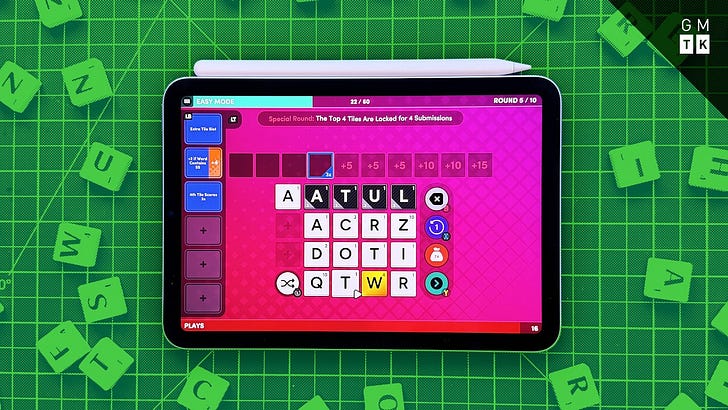
LocalThunk’s decision to omit a score preview in the 2024 hit Balatro creates a design conflict where players feel compelled to use external tools to calculate outcomes, effectively optimizing the fun out of the experience.
While the developer intended to maintain dramatic tension and spectacle by hiding scoring data, the information remains technically accessible, leading players to rely on spreadsheets and calculators to bridge the gap.
This design tension mirrors historical precedents in the roguelike genre, such as The Binding of Isaac, where withholding item descriptions forced players to rely on external wikis and mods to play effectively.
The current design creates a dichotomy where the intended 'chill' experience is undermined for hardcore players who feel forced to perform tedious manual calculations to remain competitive.
Proposed solutions to resolve this friction include implementing a score preview as a late-game unlock, an optional 'assist mode' with clear warnings, or a secret cheat code.
These proposed features would allow the developer to preserve the game's core aesthetic and 'Rube Goldberg machine' spectacle for casual players while accommodating the strategic requirements of the hardcore audience.
This analysis explores a "cursed" design problem in the 2024 indie hit Balatro, focusing on the tension between a designer’s aesthetic intent and the player’s tendency toward optimization. The central conflict involves the omission of a score preview feature. While the developer, LocalThunk, intentionally withheld this information to preserve the dramatic tension and "Rube Goldberg machine" spectacle of the game’s scoring phase, the data required to calculate the score remains technically available to the player.
The thesis posits that when information is hidden but attainable, players will often "optimize the fun out of the game" by using external tools like calculators or spreadsheets. This creates a design flaw where the most effective way to play becomes a tedious chore that contradicts the intended "chill" experience. The scope of this analysis covers the roguelike genre, drawing parallels between Balatro and The Binding of Isaac, where the developer similarly withheld item descriptions to foster mystery, only for players to rely universally on external wikis and mods.
Methodologically, the text draws on developer interviews, player behavior patterns, and historical precedents in game design. It concludes that while the developer fears an official score preview would ruin the game’s DNA, the "loophole" of manual calculation forces a segment of the audience into a suboptimal experience. Potential solutions suggested include framing the feature as a late-game unlock, an "assist mode" with clear warnings, or a cheat code, thereby protecting the casual experience while accommodating the strategic needs of hardcore players.