1 free read left. Create a free account for unlimited reading + AI research.
Create free account
Global Outlook for the Game Industry After the Pandemic | Unchained Report
Key insights
6 takeaways- 01Consumer demand for interactive entertainment has surged, evidenced by rising engagement metrics on platforms such as Steam.
- 02Marketing and distribution strategies are pivoting toward influencer-led campaigns and digital-first delivery, while indie developers are utilizing empathetic design and deep discounting to engage quarantined audiences.
- 03The pandemic is acting as a catalyst for long-term technological advancement, forcing the industry to prioritize high-speed infrastructure and more resilient, flexible business models.
- 04The game industry is shifting to a permanent, remote-first operational model, which is dismantling long-standing stigmas against distributed teams and accelerating the development of online-centric and massively multiplayer titles.
- 05Studios are increasingly bypassing local geographic constraints to access global talent pools, though this shift introduces complex regulatory challenges regarding international labor laws and local statutes like California’s AB5.
- 06The industry faces a critical divide in quality assurance, where firms must invest in secure remote-testing infrastructure to resolve tensions between intellectual property protection and employee health requirements.
Ask AI about this video
Transcript
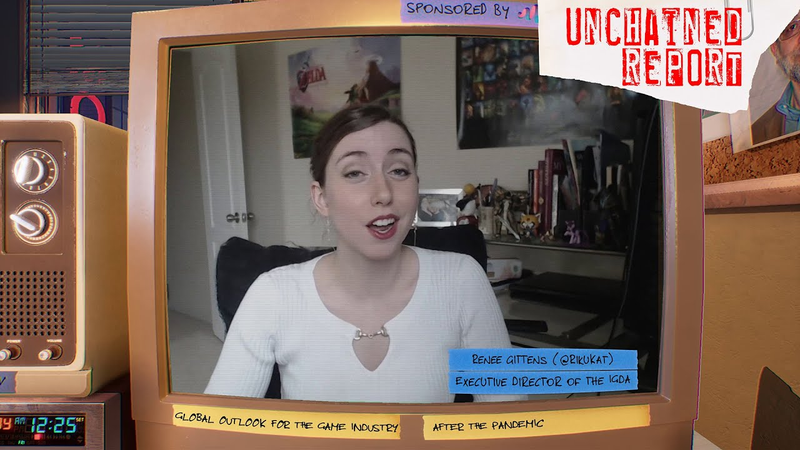
the igda has been working on providing a lot of resources to support the community while we have our discord with over 1300 active members that can help provide community and a place to talk for those who are trapped within their homes we also have been putting together resources such as information from the world health organization from local governments different types of funding and other financial relief opportunities both within the us and other places in the world and we've put together our own recommendations for how to work from home in a way that best supports your career and your mental health [Music] that's awesome um besides that too in addition to that uh there were some talks at least before gdc got cancelled how game
developers were still kind of thinking of gathering i think as the situation got worse as it was leading up to the week of gdc that people were slowly realizing yeah this is business as usual we can't just still show up uh do you know a little bit more detail about what did people even bother going at all as the week was coming close or did they just all write let's just cancel the whole thing and let's not even meet up because you know the whole city was quarantined by the time uh there were um various plans to gather at within san francisco despite gdc's cancellation however as the situation escalated those started canceling themselves uh i heard at least one person say that five developers gathered together at one hotel in san francisco but certainly there weren't any large gatherings not that i was aware of
um that occurred during the week of gdc as you were mentioning like steam charts are shooting up there's a lot of people that turn into video games and entertainment such as netflix usually in recession times where they're especially at home a lot what kind of advantages are you seeing with any developers looking at innovative ways to kind of get their games in front of people now that everyone's at home but they're mostly relying on internet resources uh the age-old marketing plan yeah yeah i mean certainly marketing these days is very different than it used to be a lot of it is very influencer based versus printed and digital ads however i've seen a lot of indie developers coming together not only to try to market their game more but to try to provide relief for people who are quarantined so i've actually seen a lot of developers doing
the maximum discounts they can on their steam games and on other platforms just trying to make sure that all the people who need games to help buy their time have access to them additionally i think we really see the value of a lot of indie games in a situation like this for example kind words which came out this last year was remarkably popular because it shows how to provide empathy and kindness to other people and i think in these times that's something we really need yeah most certainly um you're talking about a couple of events that you guys are helping out with gamedev.world a lot of reliv efforts a lot of community coming together which is um the bright side of this uh side of the story where where everything seems to be coming uh well a time of uncertainty right uh where do you foresee for the rest of
the year i mean people who are kind of more up-to-date to the news and kind of seeing how other countries are kind of dealing with it or at least at the tail end of things uh it feels like the rest of the year is done like we're just gonna be hunkered down and and this is this is 2020 uh for for everybody um do you see the impact of it really extending beyond 2020 because it's doesn't feel like business is going to be as usual after everyone recovers um i think that there will certainly be impacts of this lasting beyond 2020 regardless of how long the quarantines and outbreak occur and i think that's mostly because right now we're seeing a huge shift in technology and a lot more people working remotely as someone who has worked remotely for four and a half years of the last eight
it's something that i'm very familiar with and i'm very familiar with the social effects of that i think that we'll see more people and more companies supporting remote work and remote workers and because of that we'll see those remote workers desiring more online communication so i think we'll actually be seeing a growth a continued growth of online games especially ones that support communities that really can collaborate and work together it would not surprise me in fact if we saw mmos becoming much more popular in the next few years it definitely seems that white people are uh kind of snatching up assassin's creed and games that extends a lot of playing time in the last few couple weeks and um what what's interesting is that uh a few about a month ago we were kind of discussing on the podcast about the um
the california ab5 which is a bill that was passed recently in this state uh how is affecting contractors um everywhere and um [Music] and then shortly after this this virus kind of spread and it's really forcing uh companies kind of look outside of physical um work environments right and uh how do you feel that um that this is gonna be the pros and cons of this effect of forcing remote work and removing the stigma with remote work but also looking outside of the physical area of uh of a company for for talent and extending that talent beyond the the the project's deadlines and stuff yeah i mean i think even outside of game dev uh the advancement
of remote work is going to be really good for technology overall um because more people will be working remotely we'll see even a bigger push for having strong high data internet connections and that is clearly beneficial to games as games tend to be the things that make the highest demand of those internet connections at least on a regular basis for studios um i think a lot of studios have generally been comfortable with outsourcing but we're potentially going to see a rise in that especially as remote work rises that can be both positive and negative it certainly gives a lot of opportunities to people all over the world but it does mean that local laws can be um i guess skirted is
is probably a word that could be used so for example with ab5 it would be potential i would potentially encourage people to hire remote workers outside of california instead of within it however i think it's important to note in cases like ab5 while there were a lot of questionable parts and vagueness within that law a lot of the biggest concerns were actually already covered by laws that were uh active within california it's just that not all employers were already respecting them yeah definitely um one of the biggest discussion we because we had a you know our our local um lawyer consultant kind of come on to talk about ab5 and uh the impacts of that and naturally um he gave a short-term and long-term um idea of what it could look like
affecting game developers where you know in a good way it could really help contractors not be taken advantage of right and in the short term there are a lot of issues that can be skirted around like you said uh and then this with this rise of remote work everyone's at home anyways it makes no difference if you're californian or or not as long as you have the talent which opens a lot of opportunities for people outside the country um kind of work with these big game developers where they used to be very um nda protective of their property as they should um but that also leads to another thing that i i've been reading more about um when we naturally think about game developers we think about uh the art resource technical resource uh that makes up a team but then there's a huge department that helps really ship a game like the
qa department shipping products and these guys are not really getting the type of fair remote transition and some companies within the united states are still forcing them to kind of come in because they simply do not trust these guys to kind of bring home the the intellectual property and and continue play testing uh is there any news on developing yeah yeah i definitely saw a report that some qa houses were requiring that their workers still come in physically to their office and i think that is definitely a health risk and unfortunately um you know it's something that the igda definitely discourages we encourage listening to your local government and their regulations and i think that we will see local governments responding um to to companies forcing their workers
to come in for unsafe conditions for non-critical tasks non-society-critical tasks i think that there are definitely some technical challenges that i can understand um you know when you are doing qa testing uh you are sometimes really limited on the devices you can use you know especially if we're looking at the next generation of consoles those dev consoles can be very expensive and there might not be you know one per qa person um but i think that it is the responsibility of those companies to work around and to find solutions because there are many other qa firms who have found ways to support their staff while still supporting their customers and making sure that everyone stays safe
Summary
The game industry is undergoing a significant structural shift as it adapts to the global pandemic, moving away from centralized office environments toward a permanent, remote-first operational model. This transition is characterized by a surge in consumer demand for interactive entertainment, as evidenced by rising engagement on platforms like Steam, and a growing emphasis on community-driven development. The industry is increasingly prioritizing digital distribution and influencer-led marketing, while indie developers are actively leveraging deep discounts and empathetic game design to support quarantined audiences.
A primary finding is that the forced adoption of remote work is dismantling long-standing stigmas regarding distributed teams. This shift is expected to have lasting effects beyond 2020, likely accelerating the growth of online-centric titles and massively multiplayer online games. Furthermore, the normalization of remote labor is reshaping hiring practices, as studios look beyond local geographic constraints to access global talent. While this provides broader opportunities for developers, it also introduces complexities regarding labor regulations, such as California’s AB5, and may incentivize companies to bypass local employment laws by hiring internationally.
The industry faces ongoing challenges regarding the equitable treatment of support staff, particularly within quality assurance departments. While some firms have successfully transitioned to remote testing, others have faced criticism for requiring physical attendance, citing concerns over intellectual property security and hardware limitations. The consensus among industry advocates is that studios must prioritize employee health by investing in the technical infrastructure necessary to enable secure, remote testing. Ultimately, the pandemic is acting as a catalyst for technological advancement, pushing for better high-speed internet infrastructure and more flexible, resilient business models that will define the future of game development.








Comments