More from University of Alberta
View all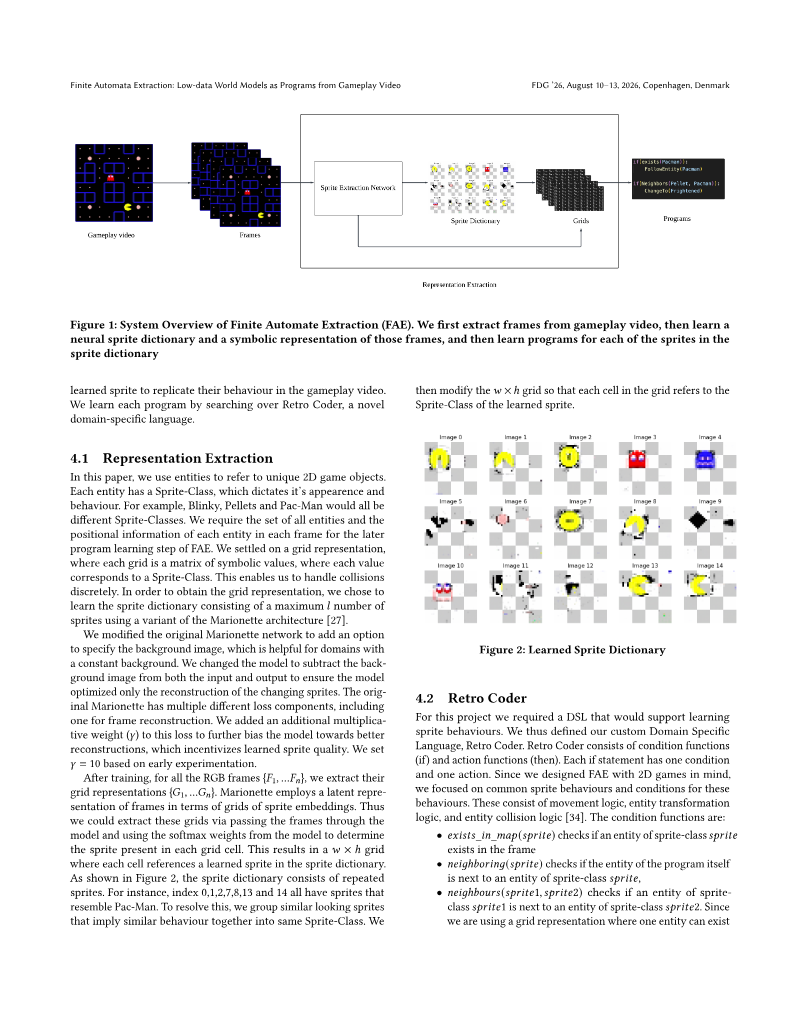
Whitepaper
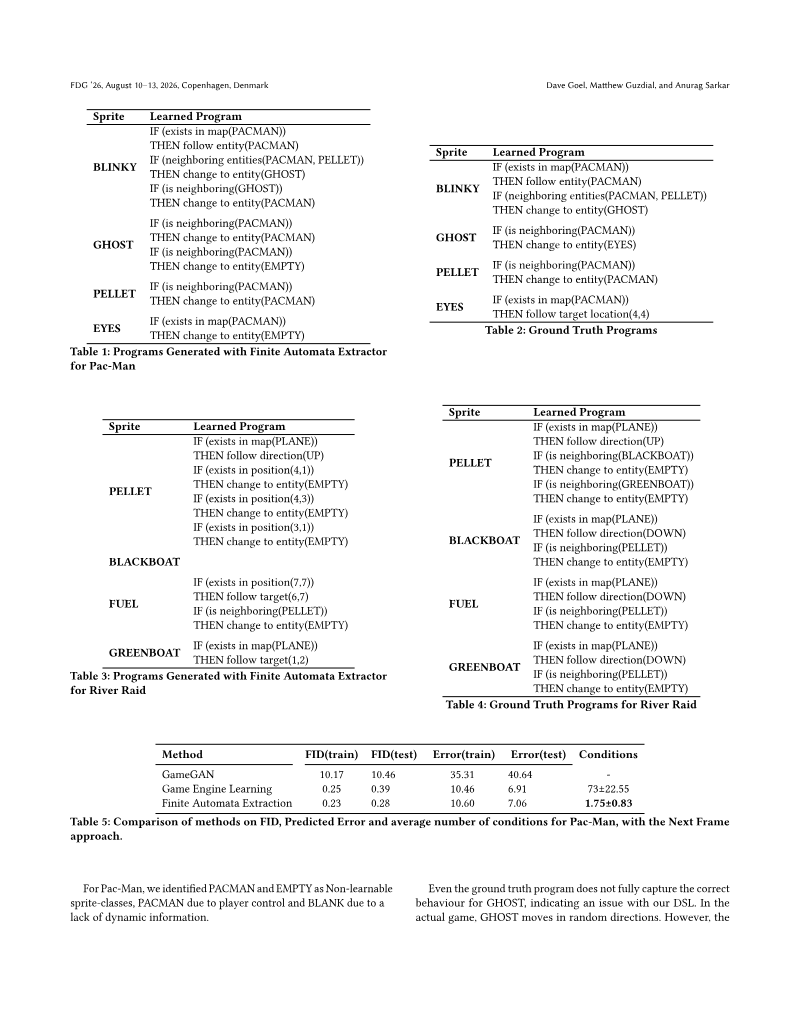
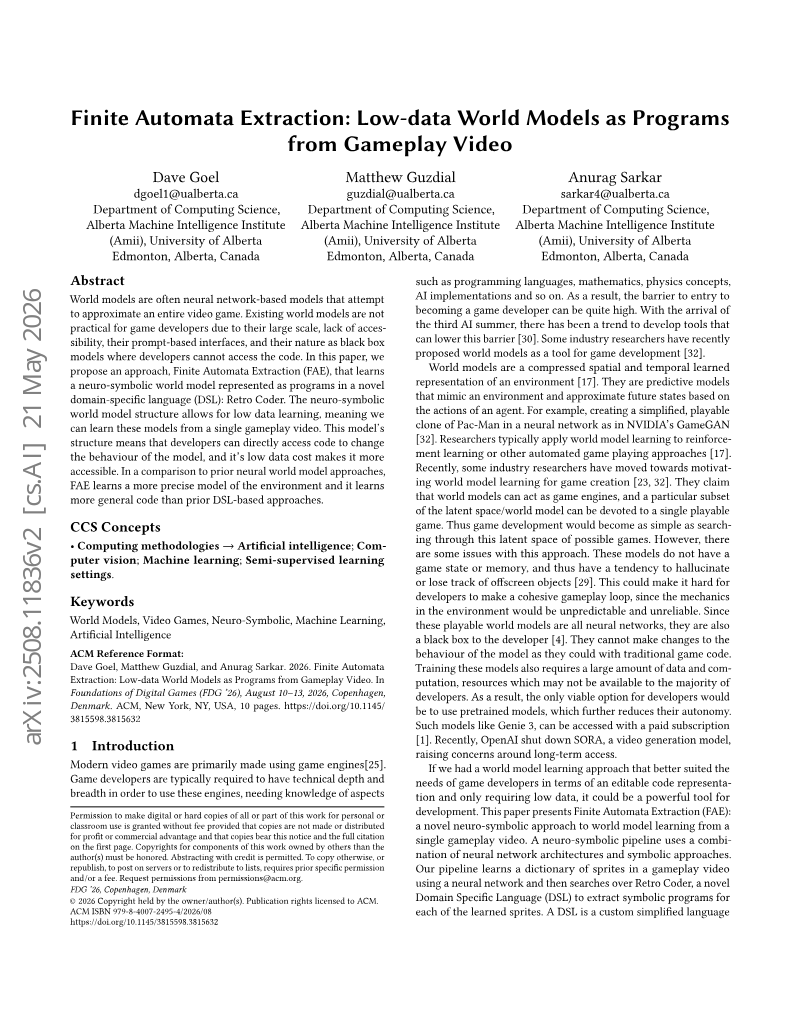
Finite Automata Extraction: Low-data World Models as Programs from Gameplay Video
Alberta Machine Intelligence Institute · 2026
Whitepaper
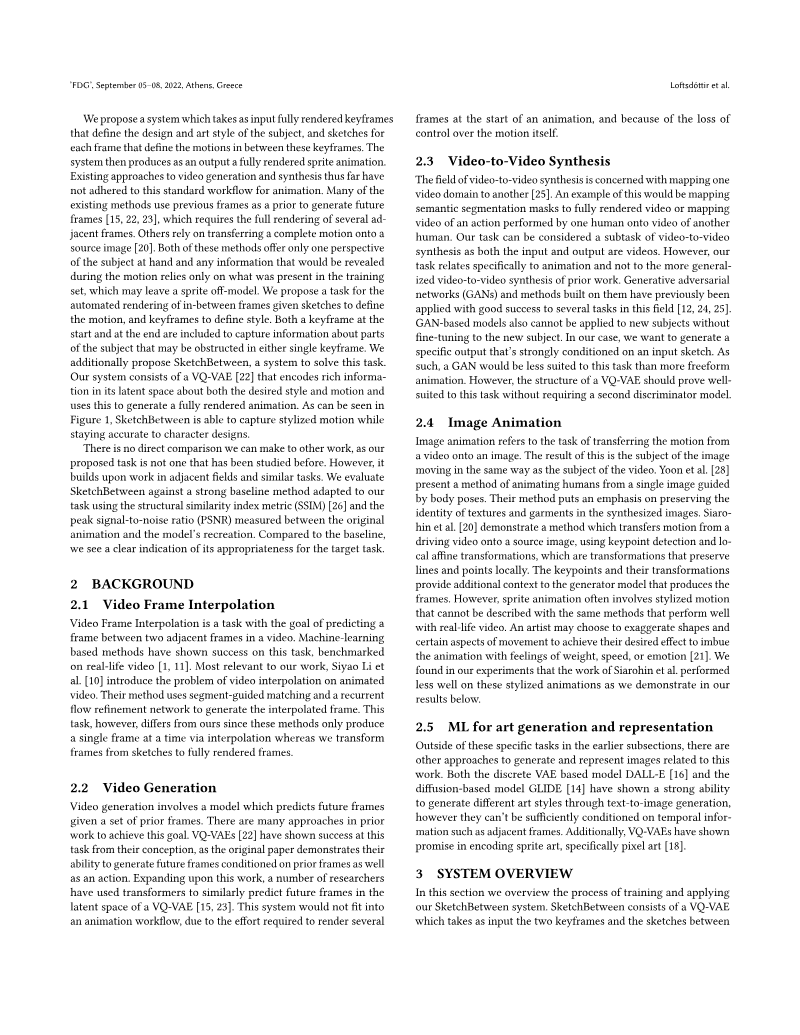
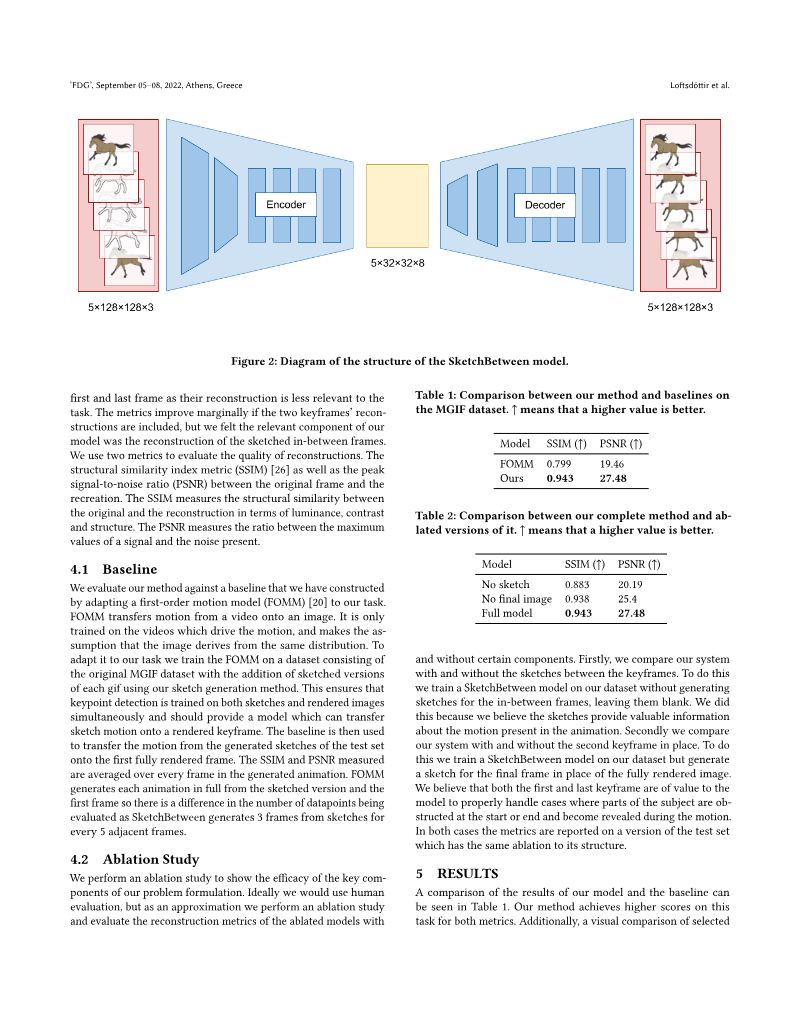
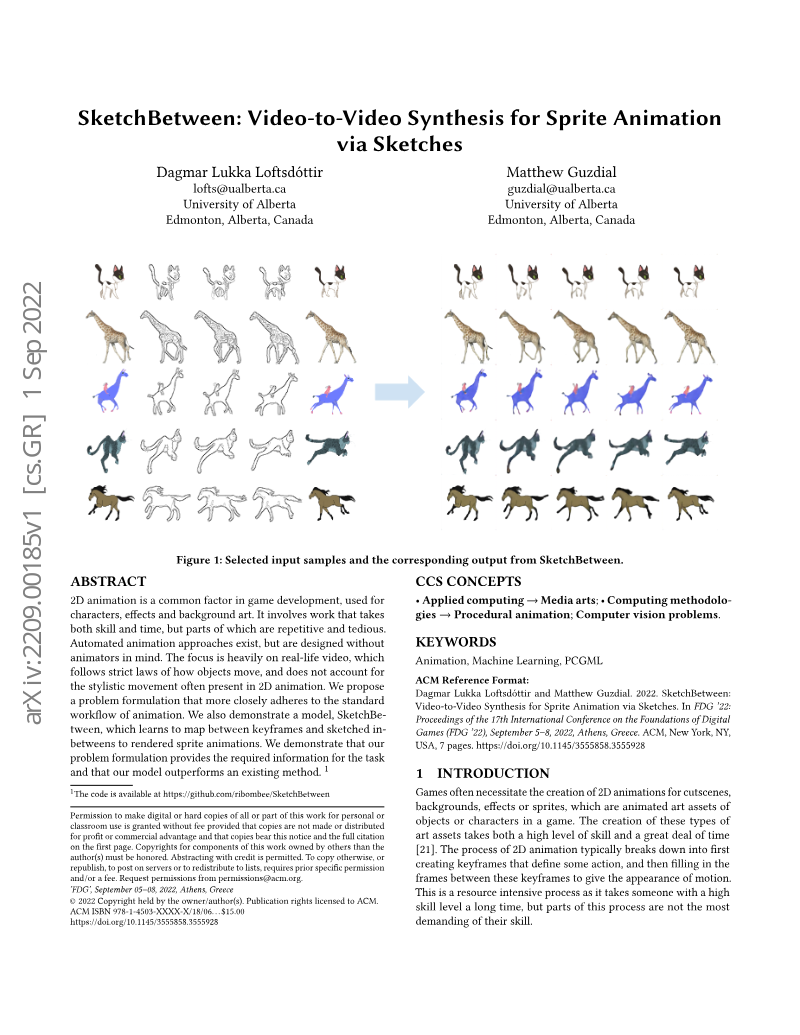
SketchBetween: Video-to-Video Synthesis for Sprite Animation via Sketches
University of Alberta · 2022
Whitepaper
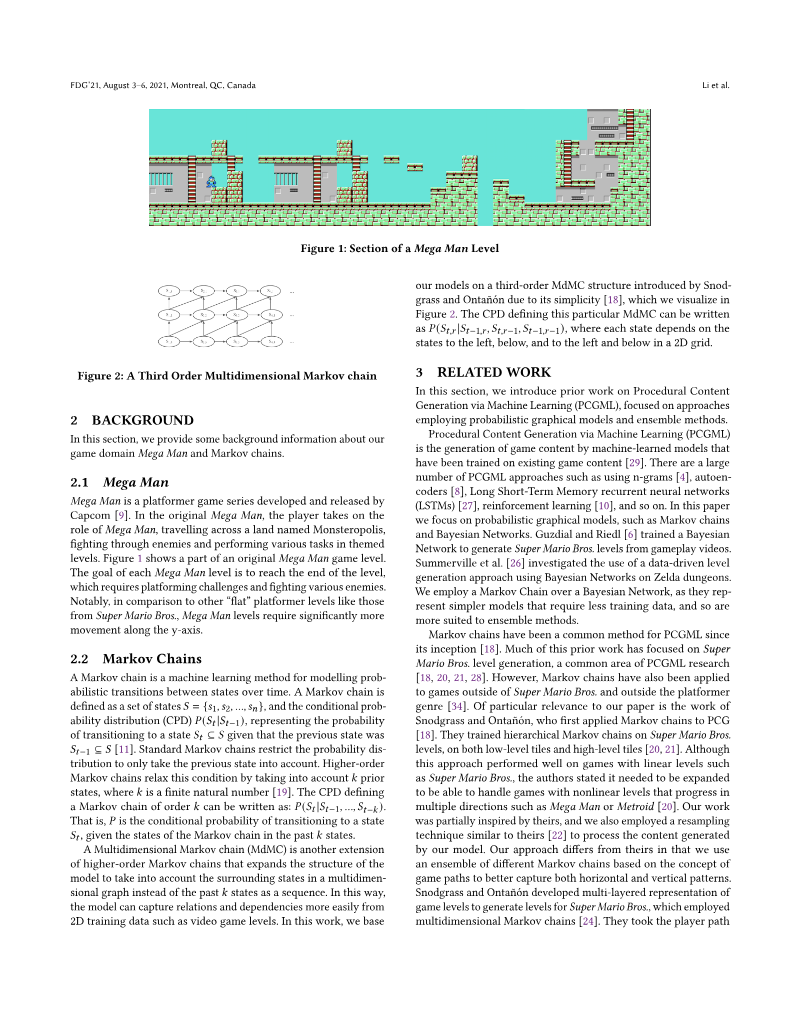
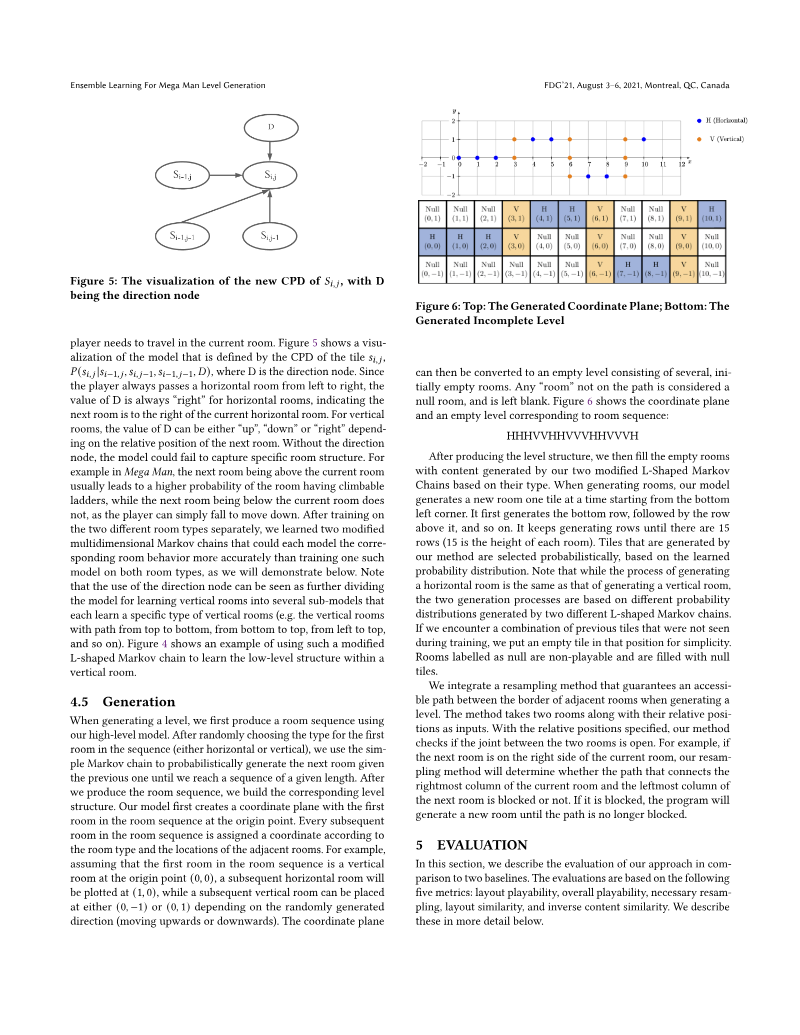
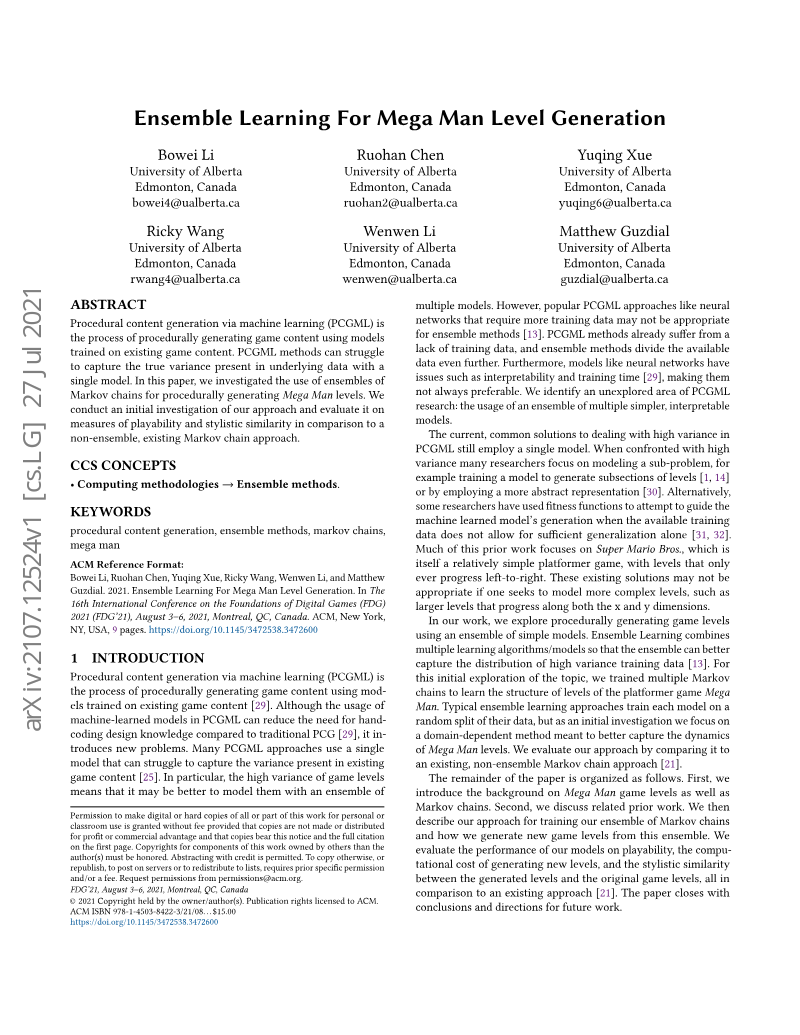
Ensemble Learning for Mega Man Level Generation
University of Alberta · 2021
Whitepaper
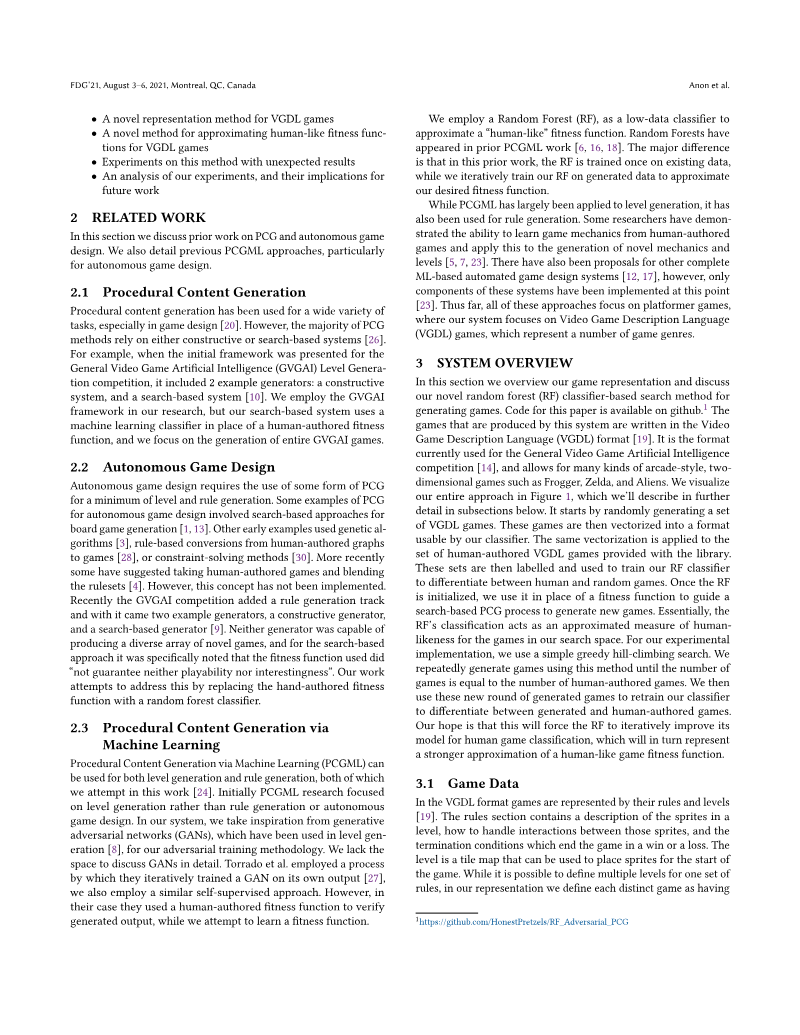
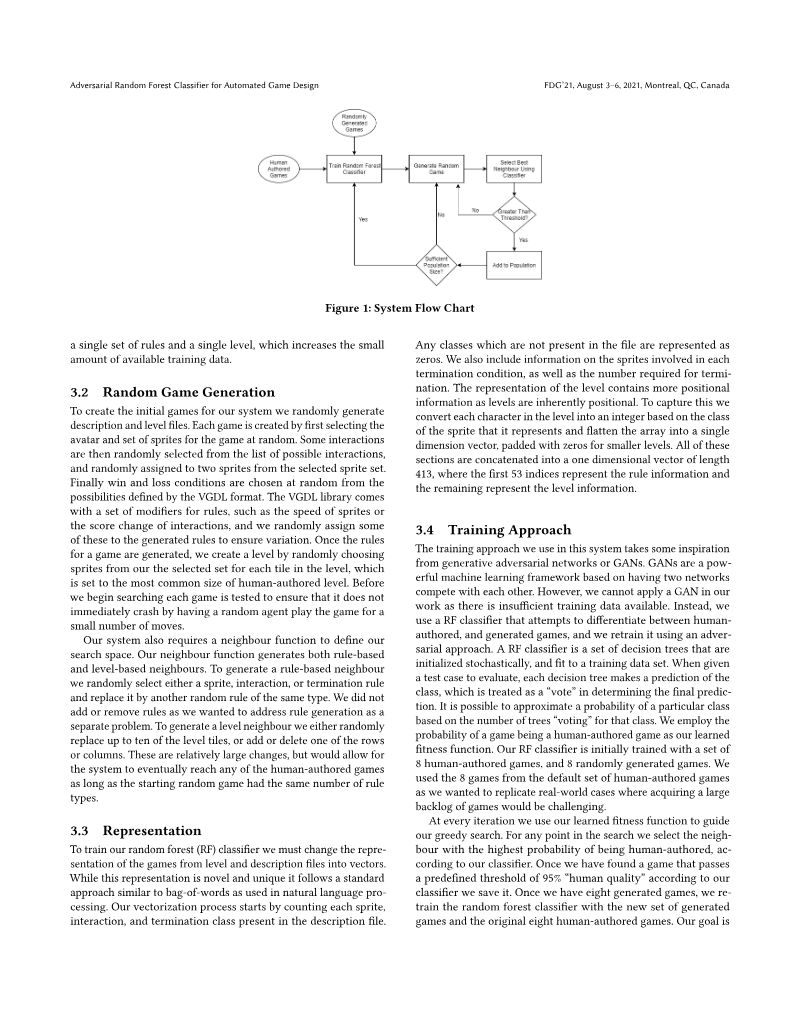
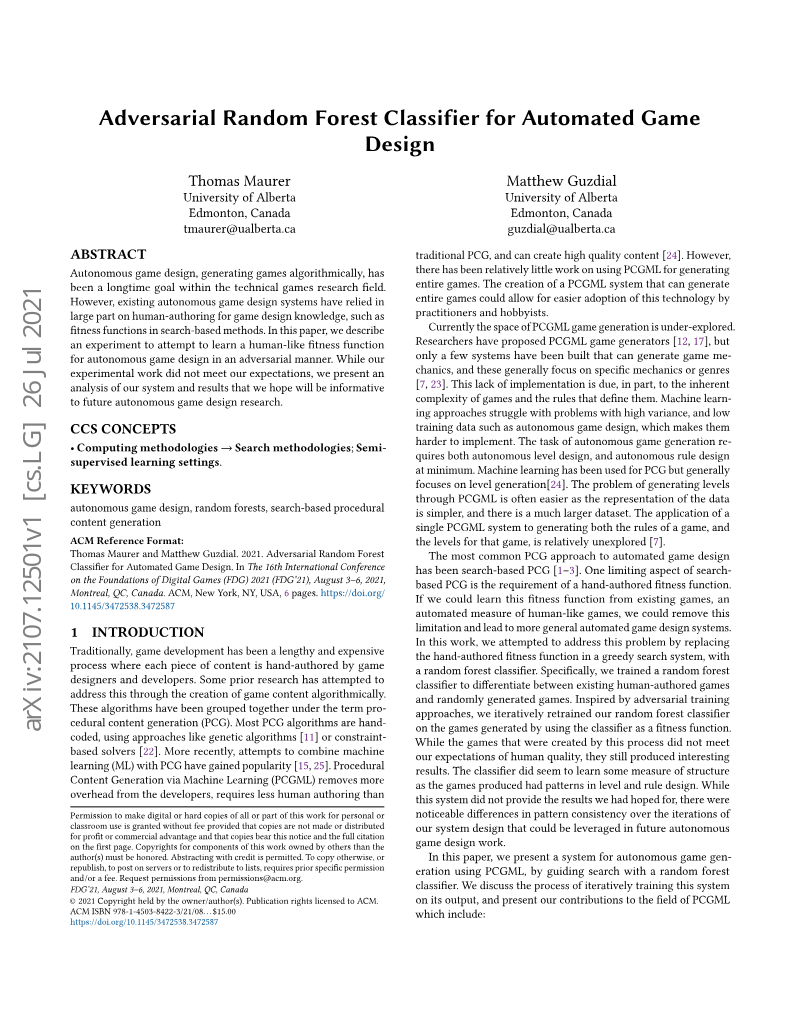
Adversarial Random Forest Classifier for Automated Game Design
University of Alberta · 2021
Whitepaper
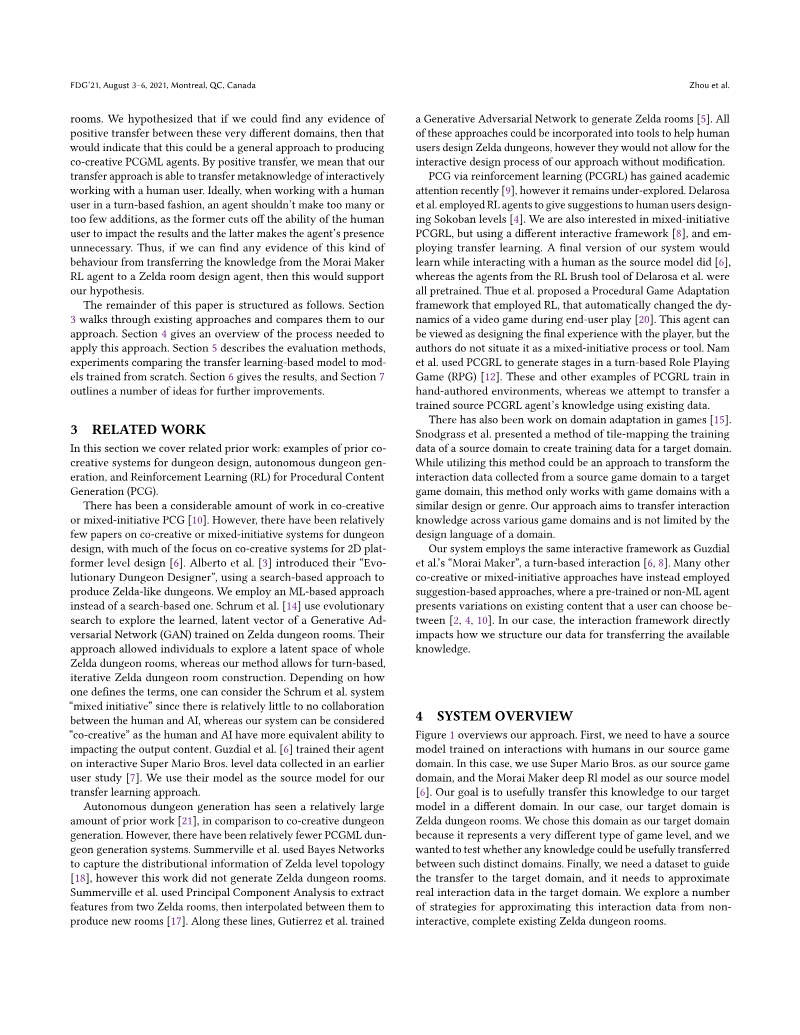
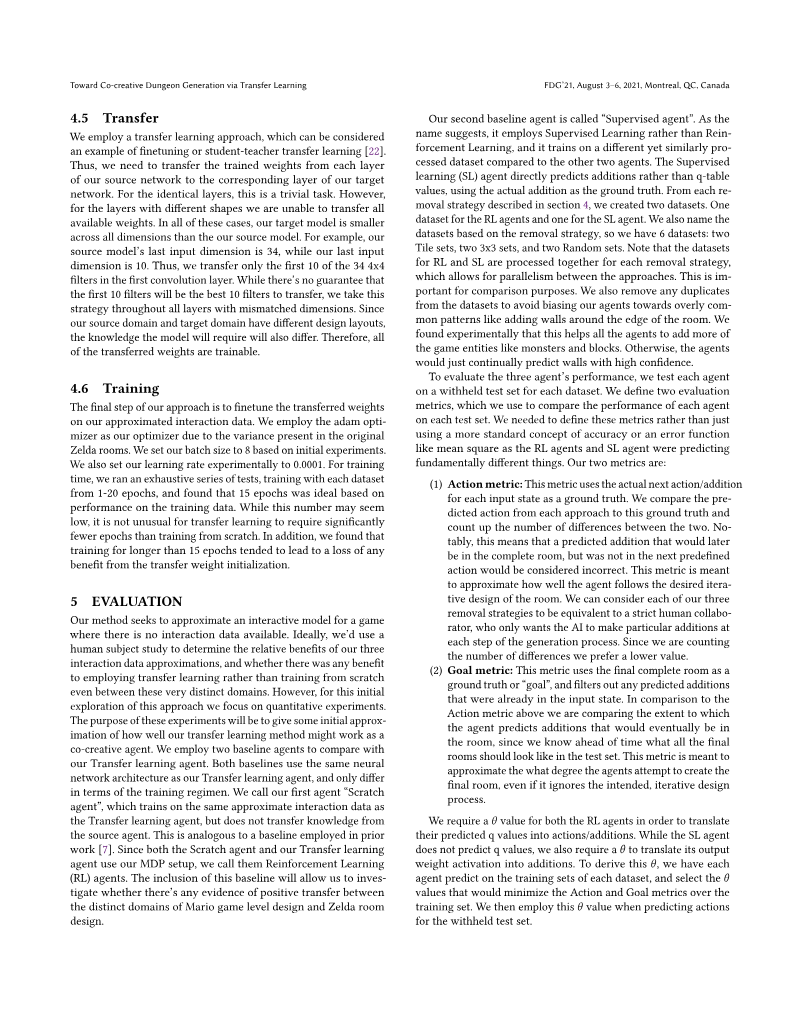
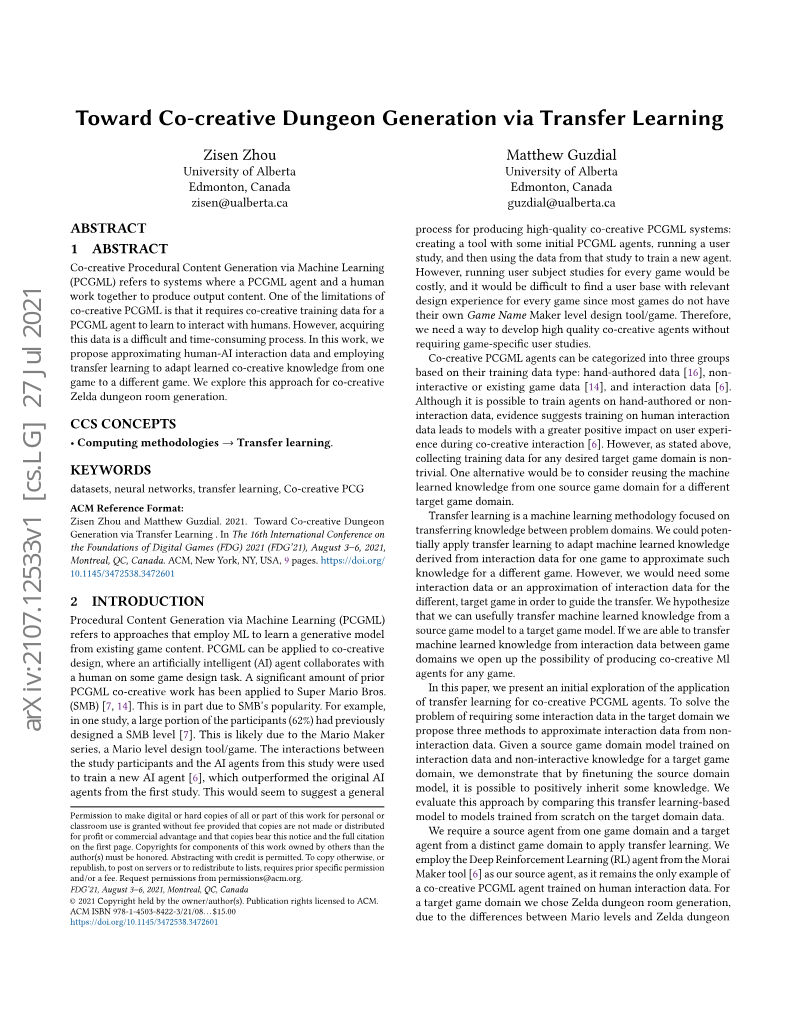
Toward Co-creative Dungeon Generation via Transfer Learning
University of Alberta · 2021
Whitepaper
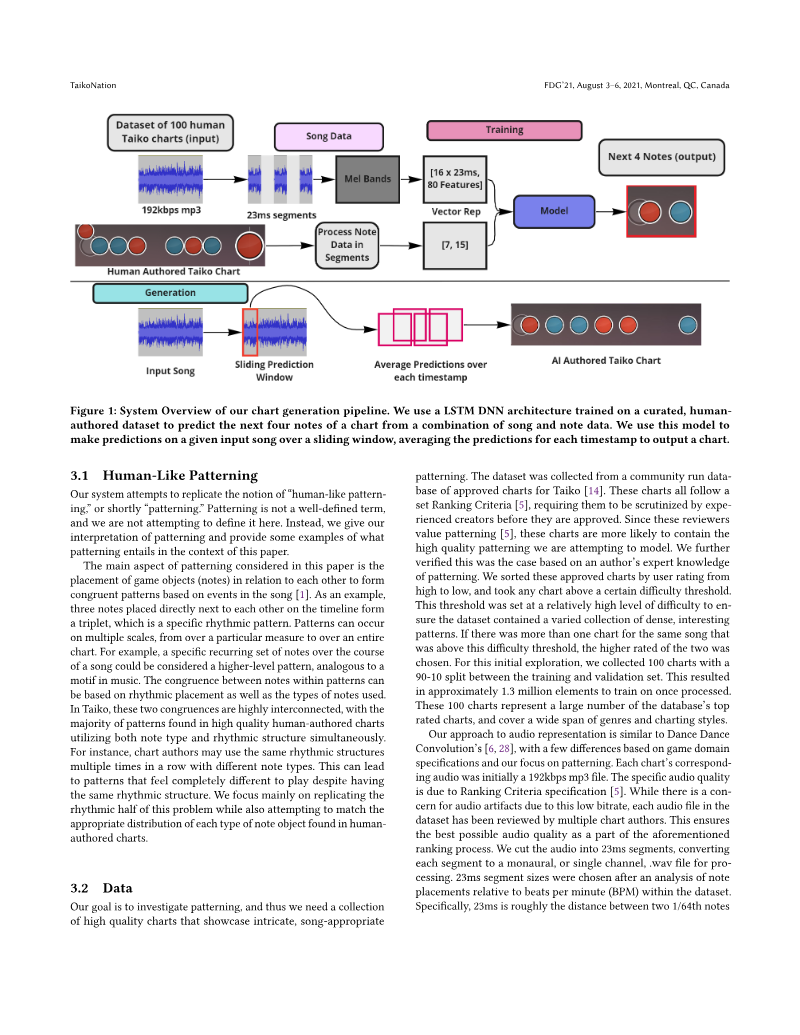
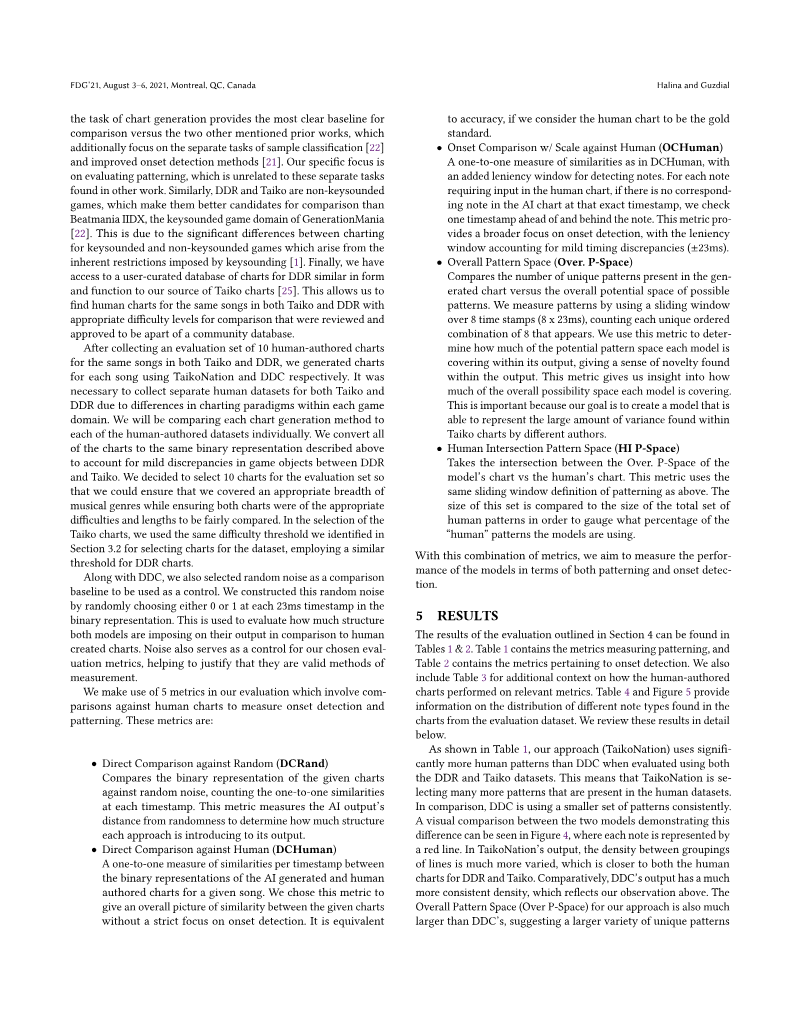
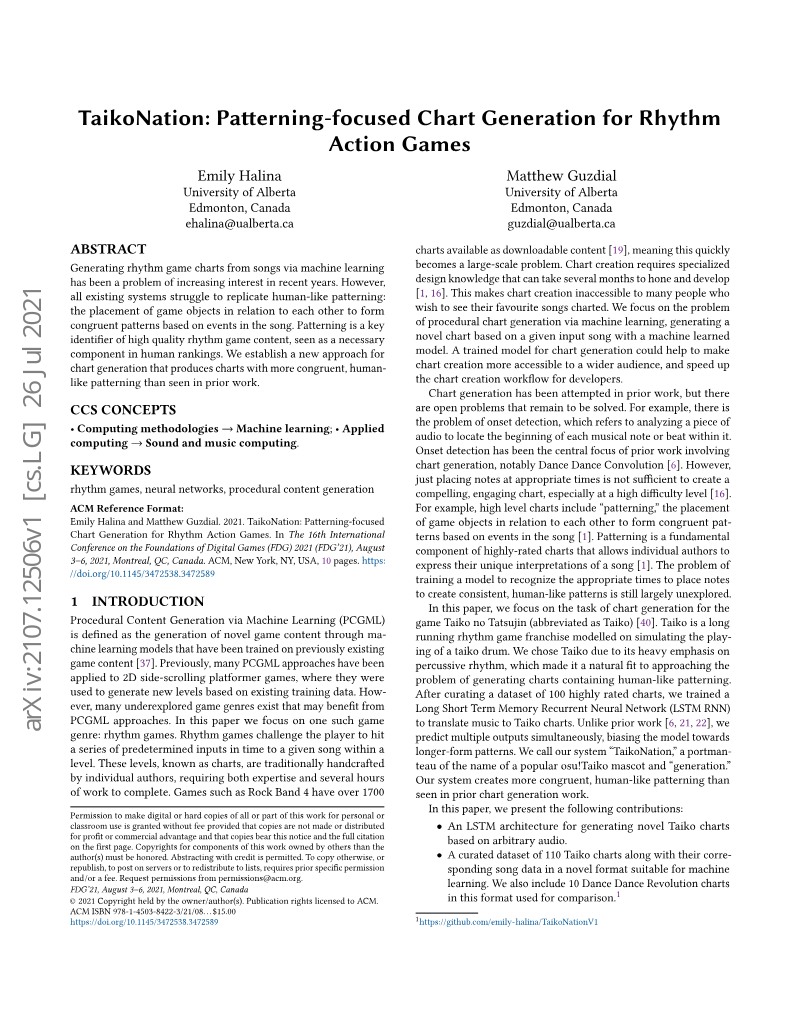
TaikoNation: Patterning-focused Chart Generation for Rhythm Action Games
University of Alberta · 2021
Whitepaper
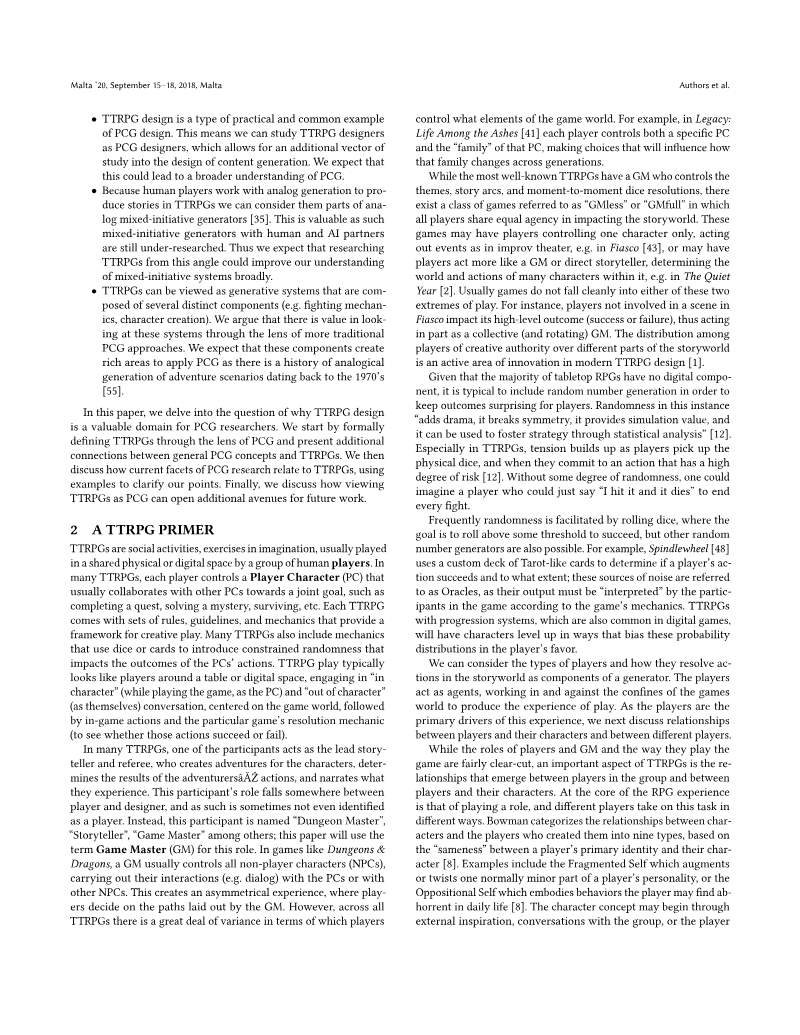
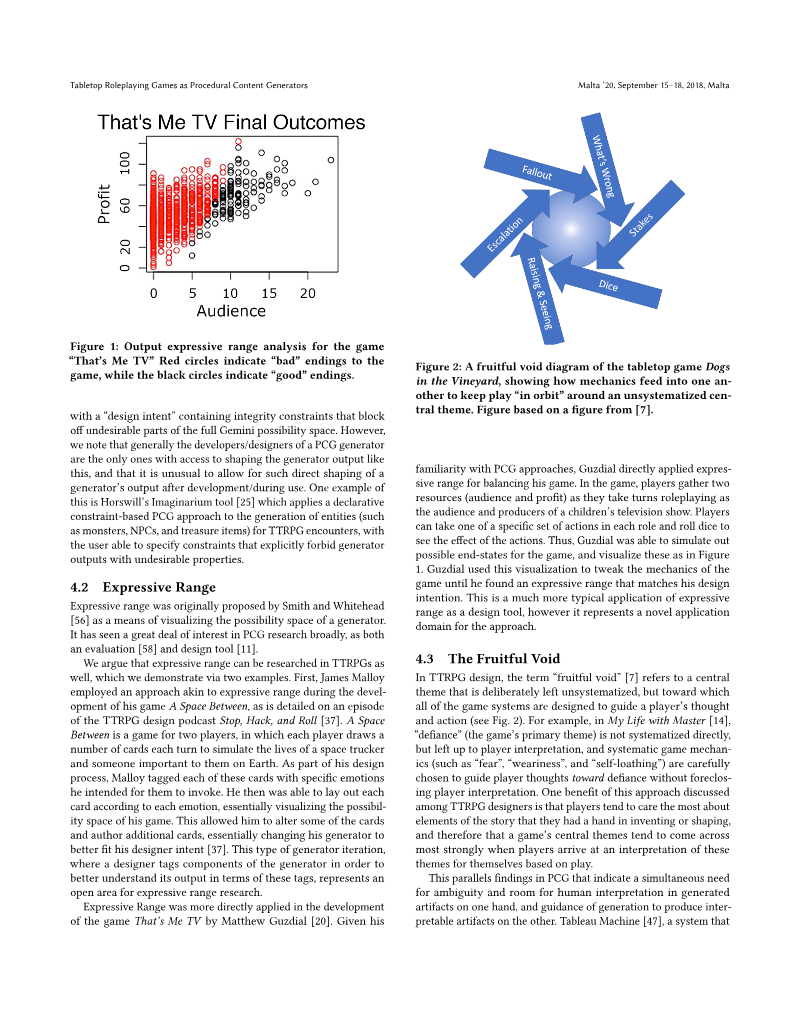
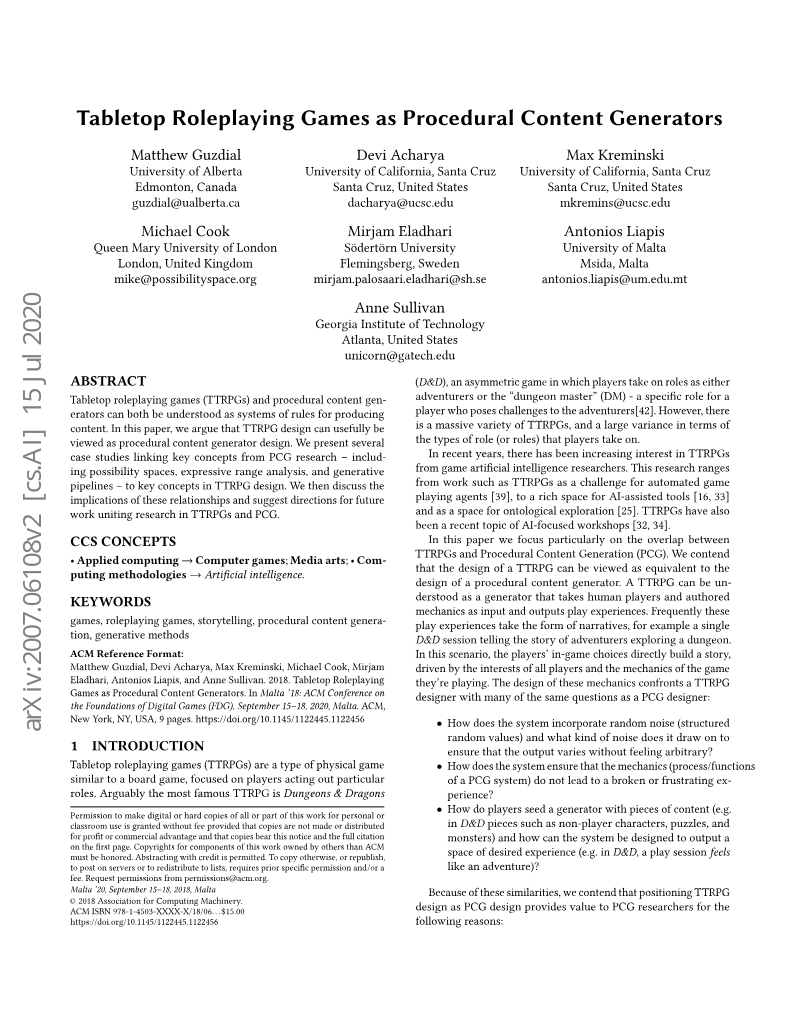
Tabletop Roleplaying Games as Procedural Content Generators
University of Alberta · 2020
Whitepaper
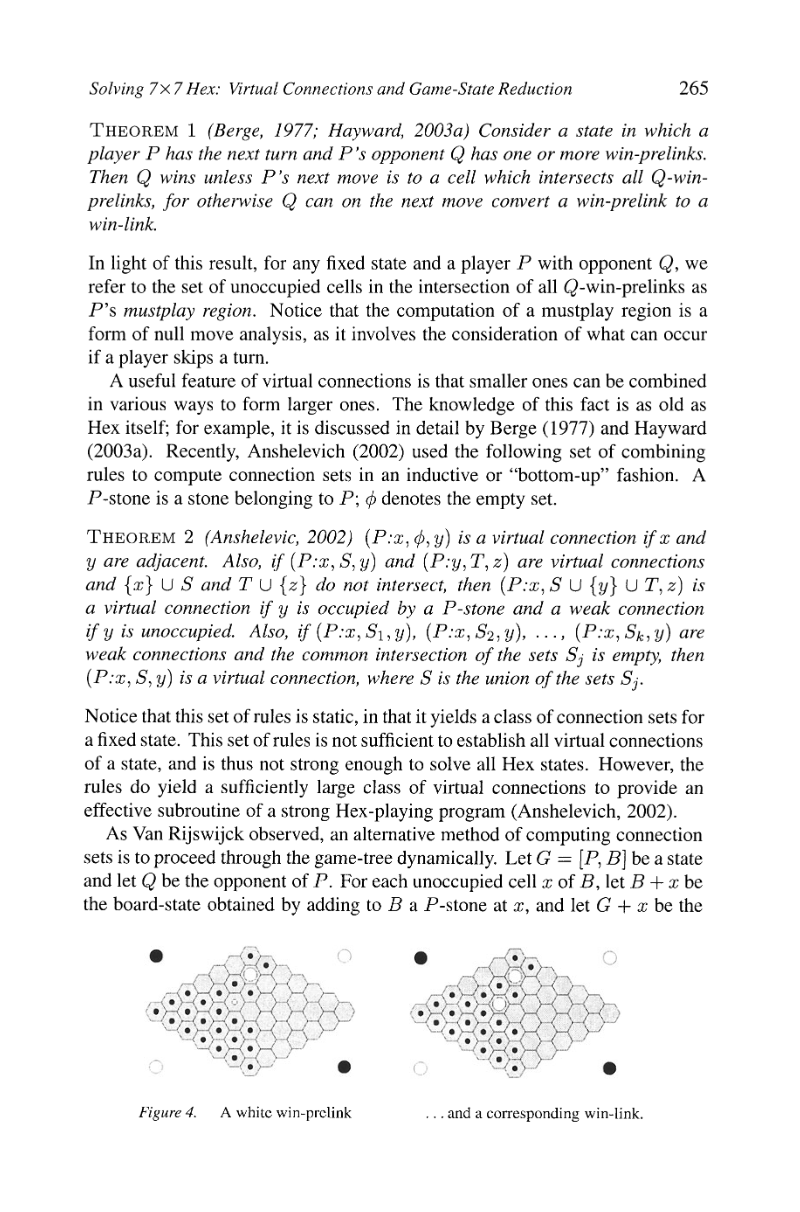
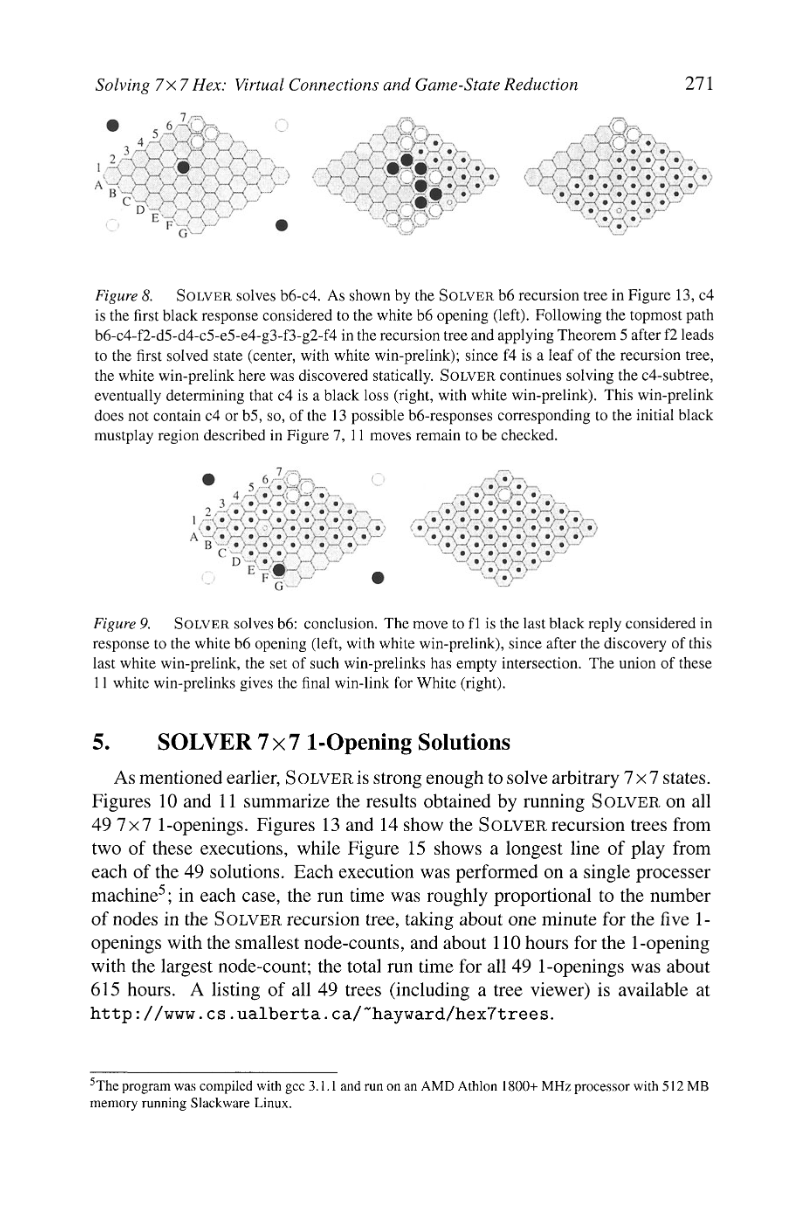
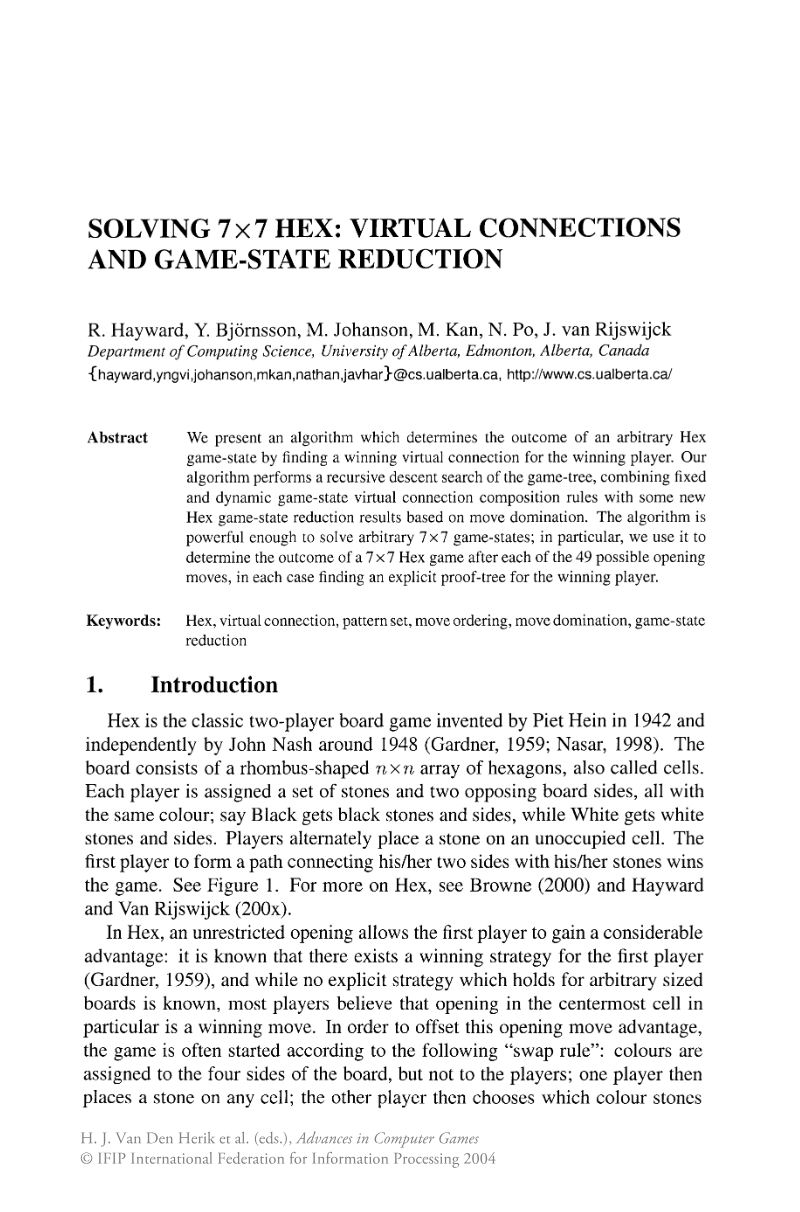
Solving 7x7 Hex: Virtual Connections and Game-State Reduction
University of Alberta · 2004
Whitepaper
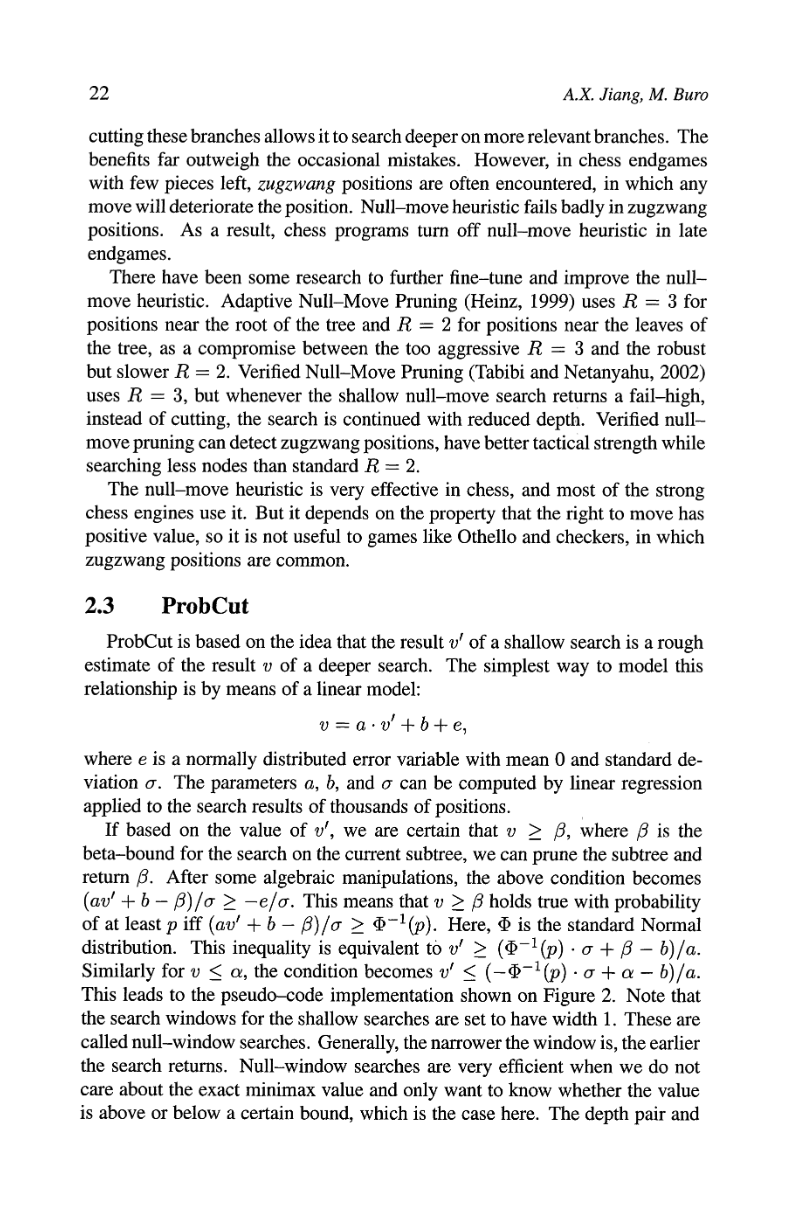
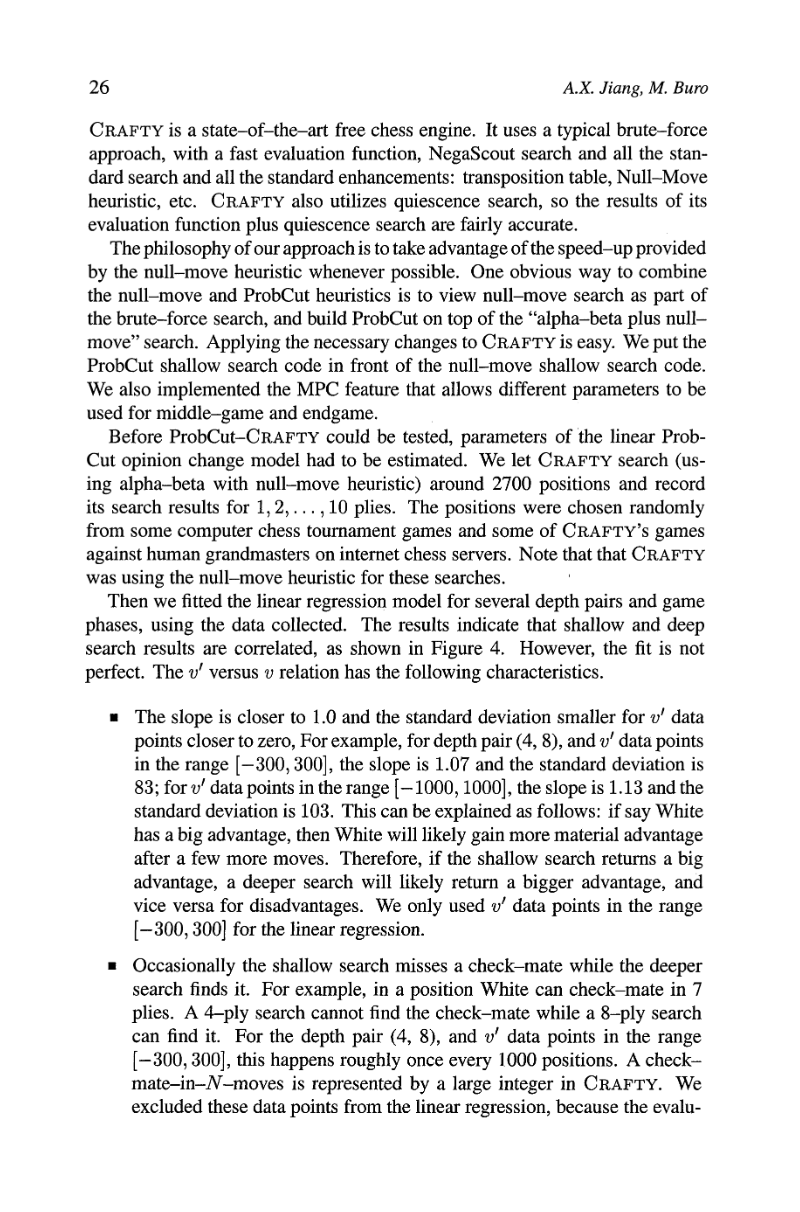
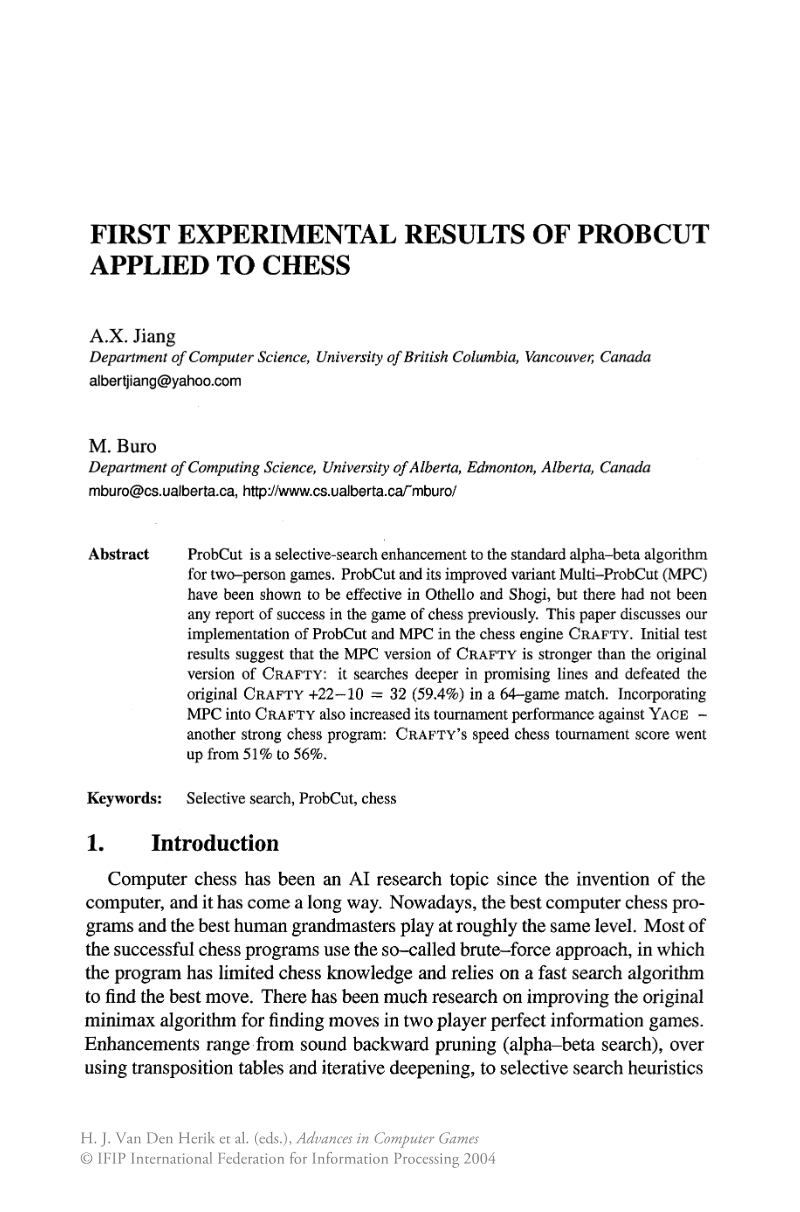
First Experimental Results of ProbCut Applied to Chess
University of British Columbia · 2004
Whitepaper
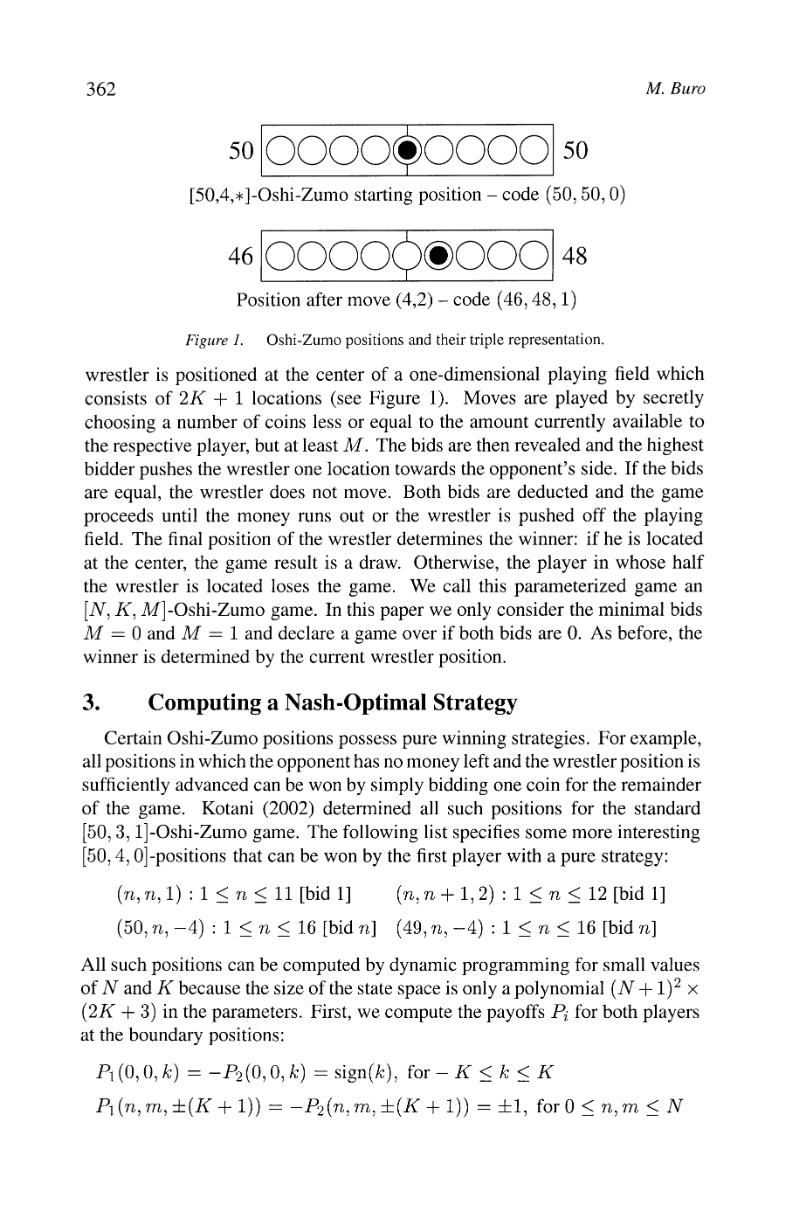
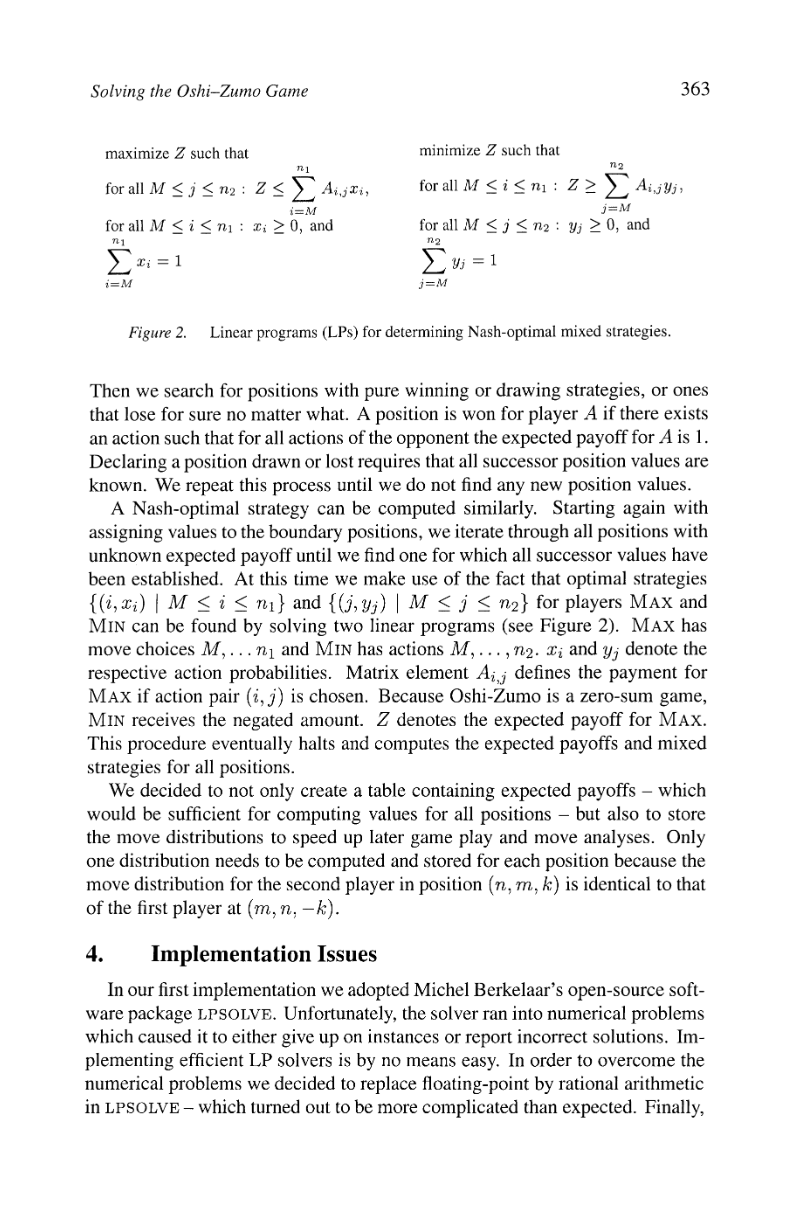
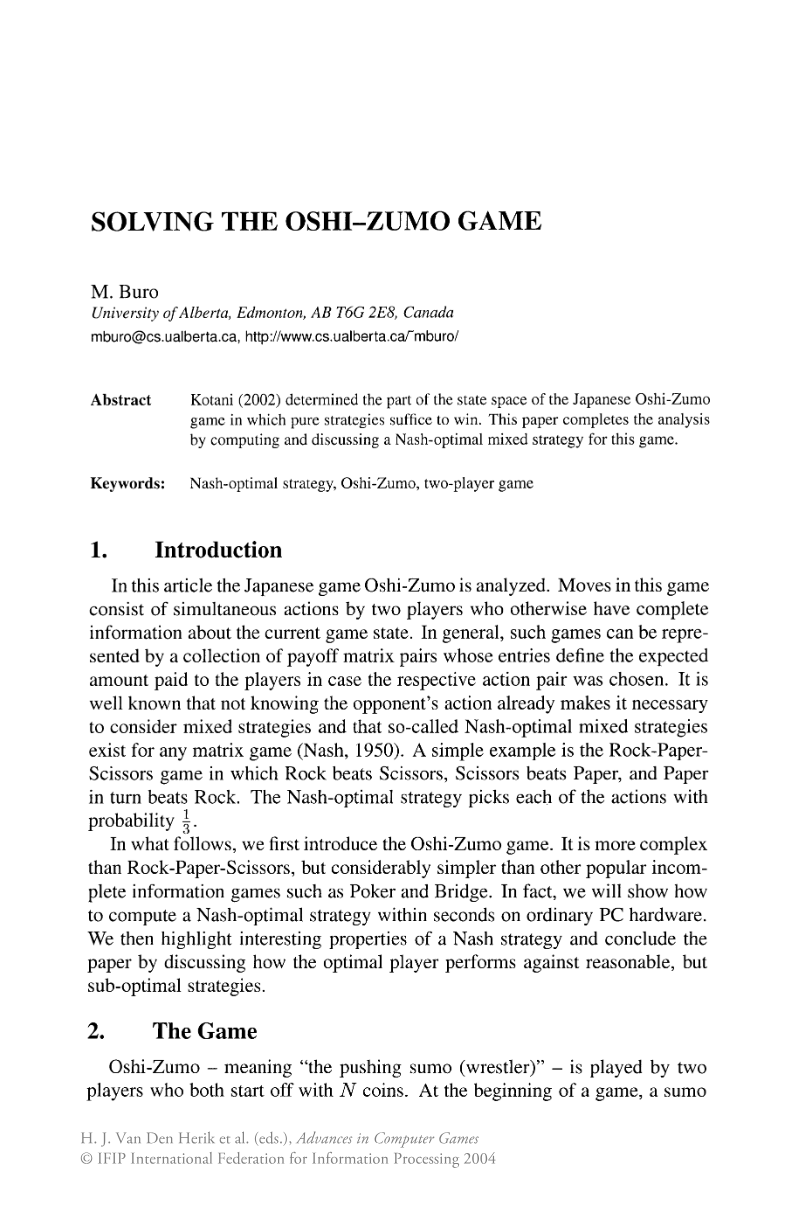
Solving the Oshi-Zumo Game
University of Alberta · 2004
Whitepaper
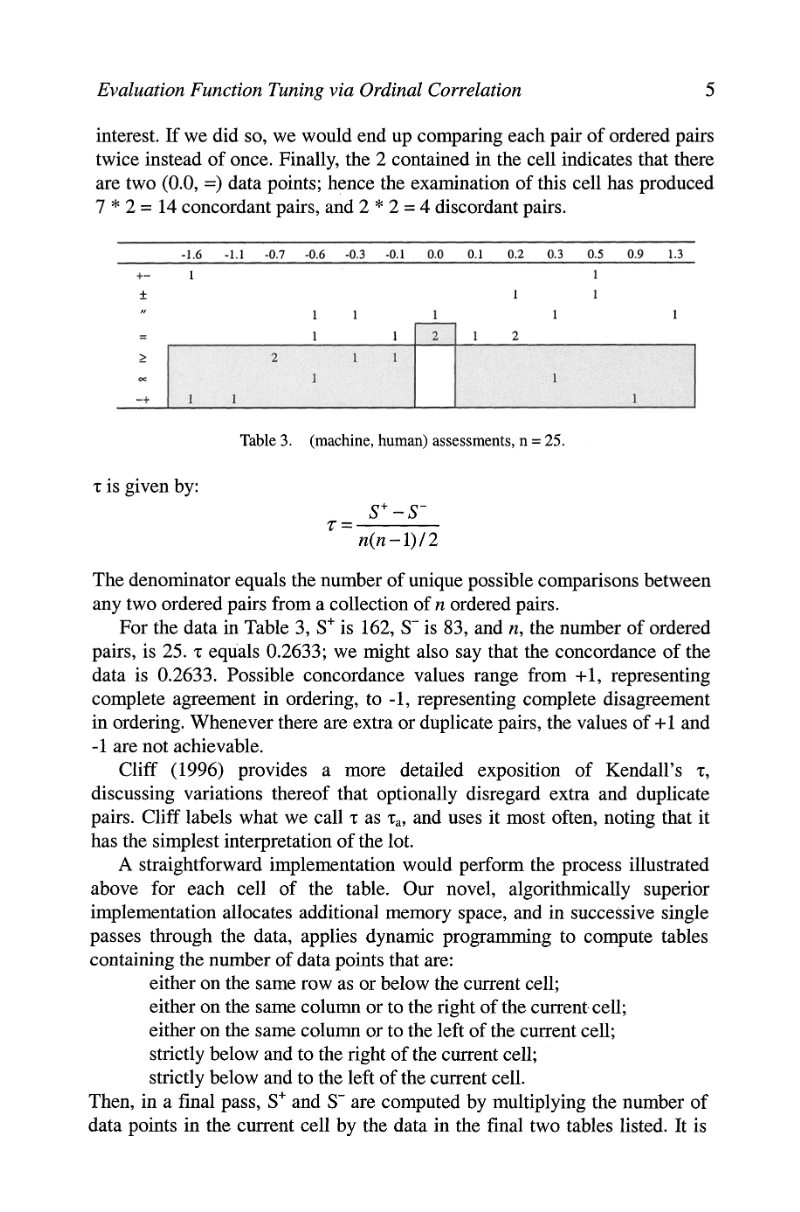
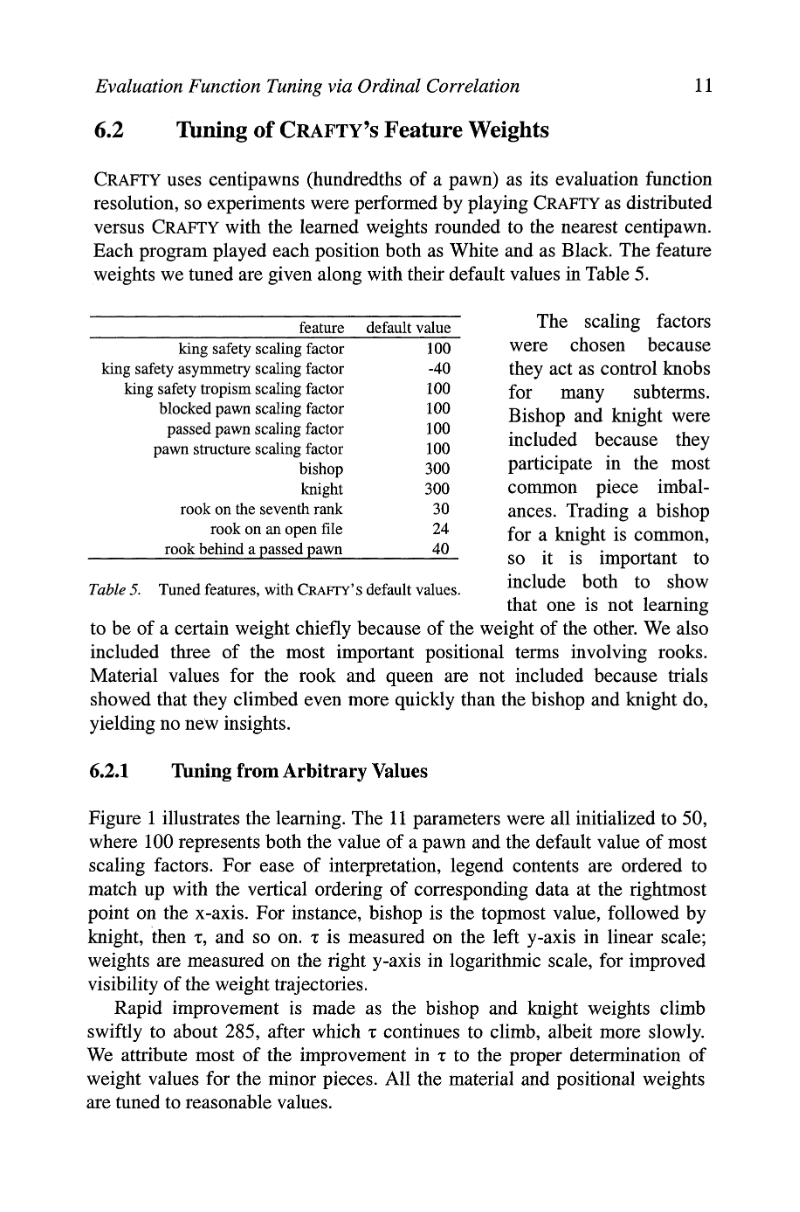
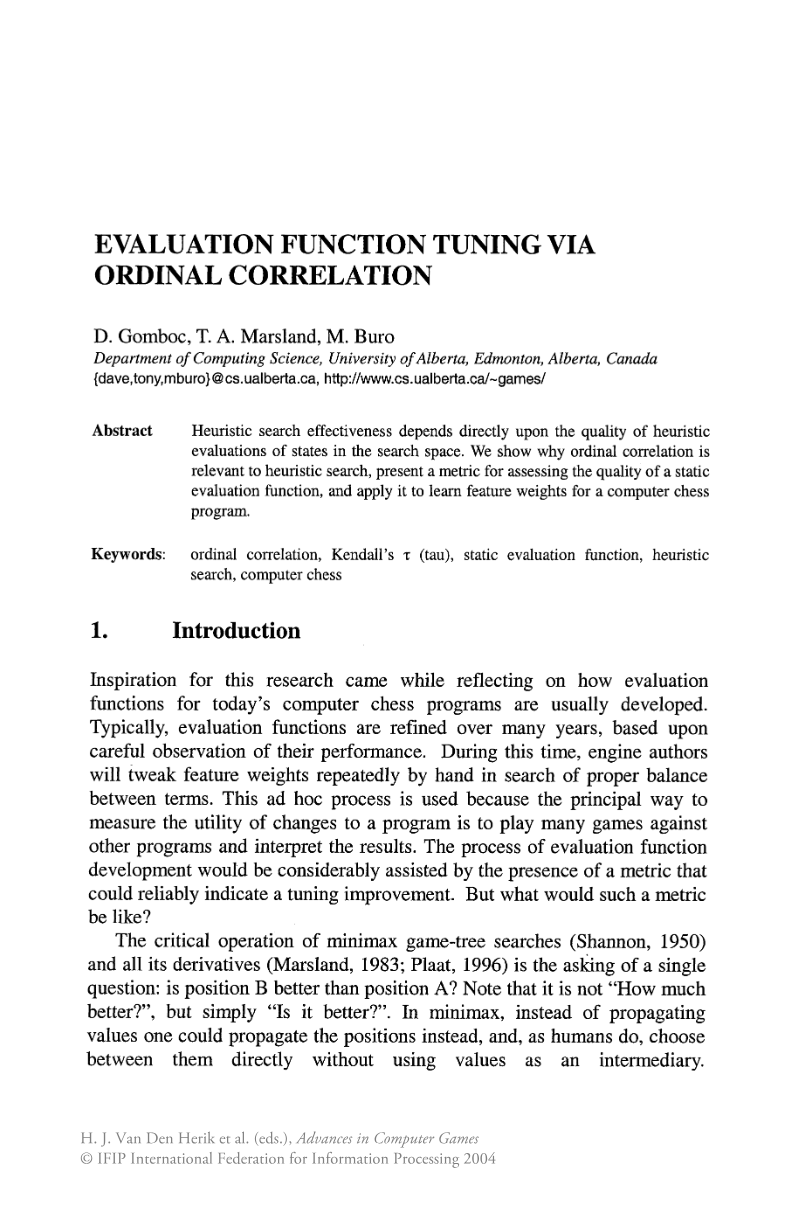
Evaluation Function Tuning via Ordinal Correlation
University of Alberta · 2004
Whitepaper
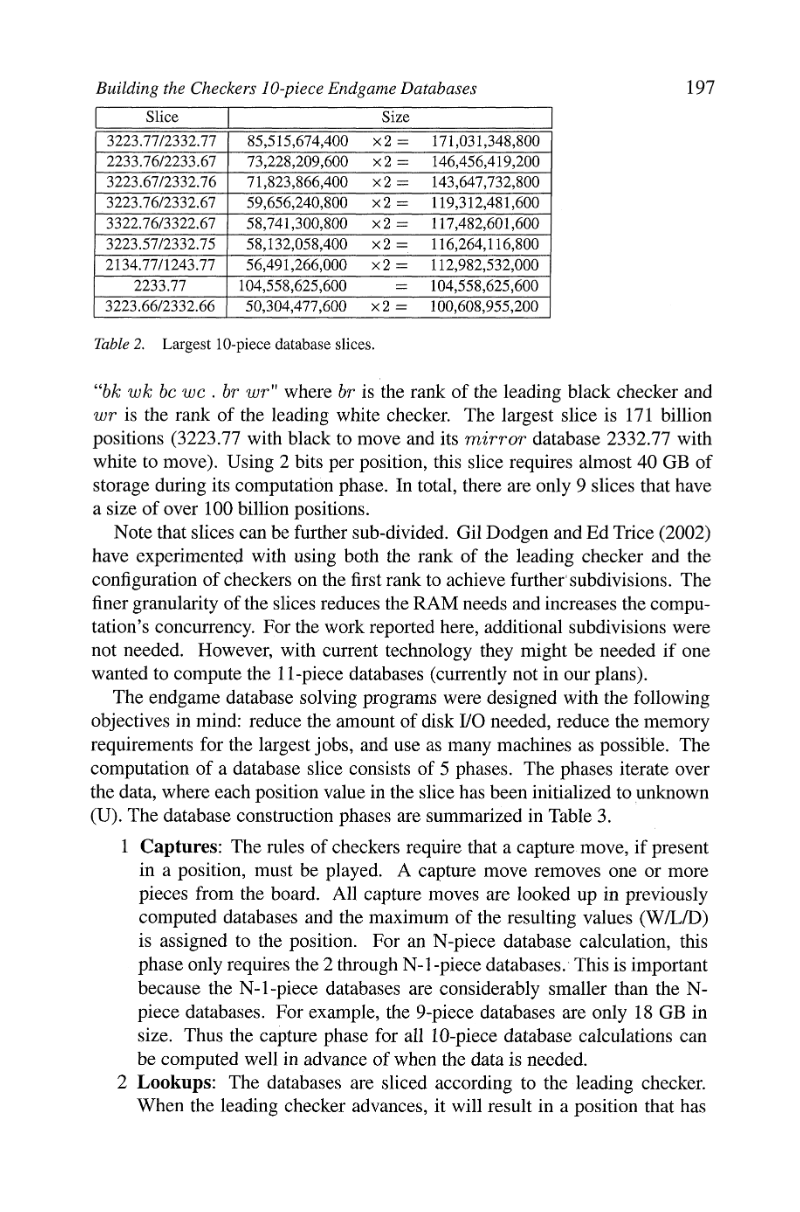
Building the Checkers 10-Piece Endgame Databases
University of Alberta · 2004