1 free read left. Create a free account for unlimited reading + AI research.
Create free accountArticle GamesRadar
1 free read left. Create a free account for unlimited reading + AI research.
Create free accountArticleGamesRadar
Starfield has established itself as the most successful launch in Bethesda’s history, reaching a milestone of over 6 million players shortly after its debut. This performance surpasses the initial reception of previous flagship franchises, including Skyrim and Fallout, signaling a significant expansion in the studio’s reach. The title’s rapid adoption was further underscored by a peak of over 1 million concurrent players, a figure heavily supported by the game’s strategic integration into the Xbox and PC Game Pass ecosystems.
Beyond the immediate success of this specific title, the broader gaming landscape remains in a state of active evolution. Current industry discourse is increasingly focused on the integration of artificial intelligence in development workflows and the implementation of robust moderation strategies to maintain community standards in competitive multiplayer environments. These technical and social considerations are occurring alongside a persistent industry interest in historical intellectual property, as evidenced by ongoing discussions regarding potential remasters and the legacy of classic titles like Grand Theft Auto: Vice City.
The industry continues to navigate a complex environment defined by shifting publishing models and personnel transitions. As studios balance the development of high-profile new releases with the maintenance of existing live-service platforms, the focus remains on leveraging subscription services to maximize player acquisition. These trends collectively reflect a period of transition where established studios are prioritizing both the revitalization of legacy franchises and the aggressive scaling of new, multi-platform experiences to capture a global audience.
The Game Business · 2026
CD Projekt · 2026
CD Projekt · 2026
CD Projekt · 2026
Deconstructor of Fun · 2026
Newzoo · 2026
Naavik · 2026



Entertainment Software Association · 2025
The Game Business · 2025
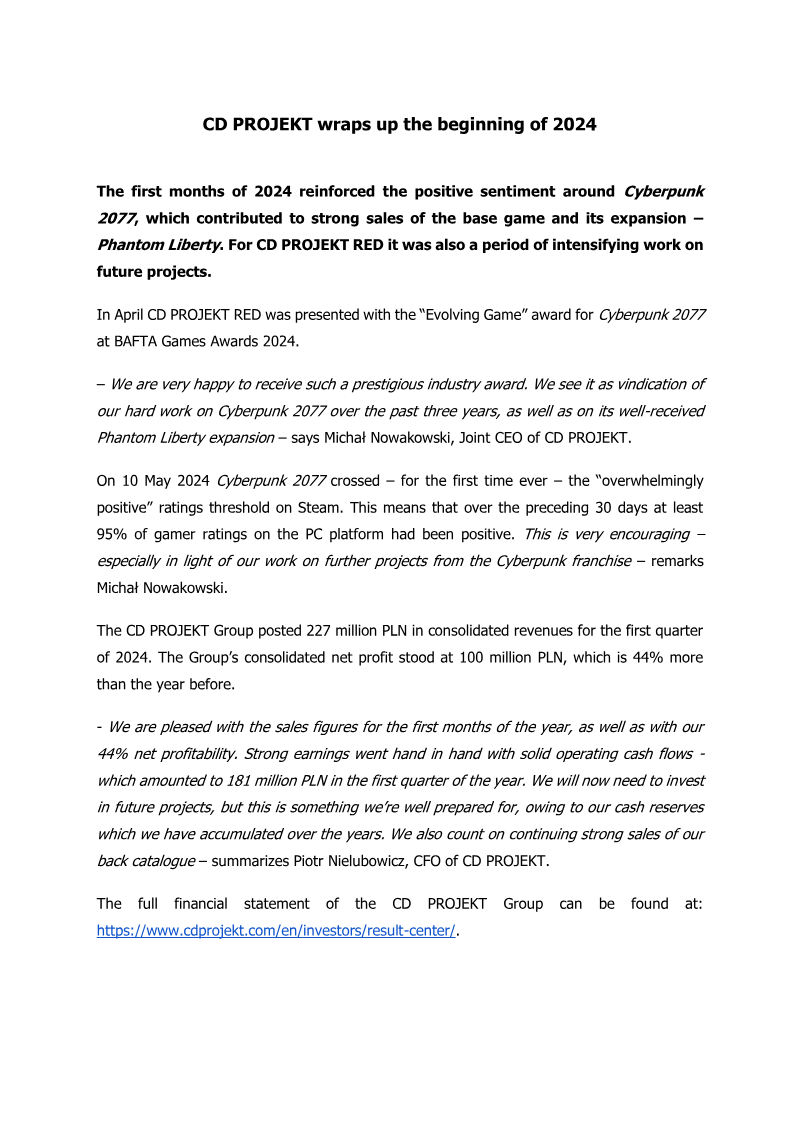
CD Projekt · 2024

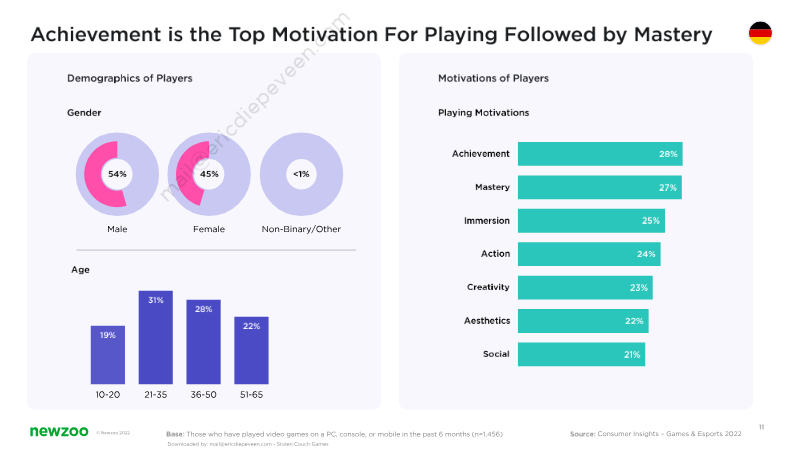
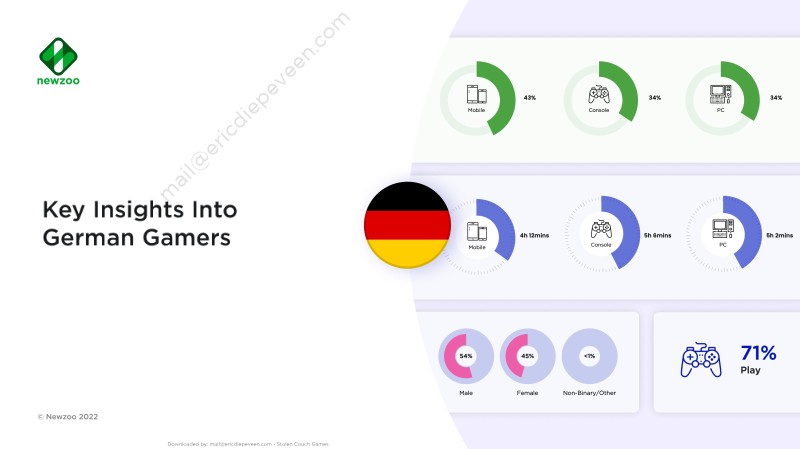
Newzoo · 2022
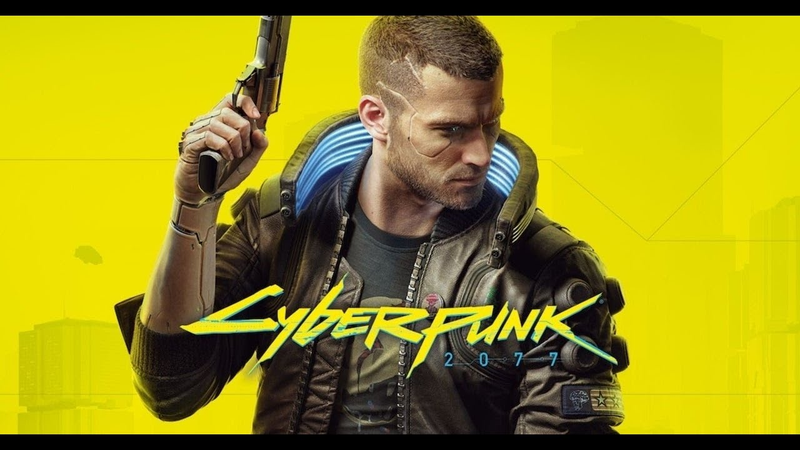
Game Dev Unchained · 2021