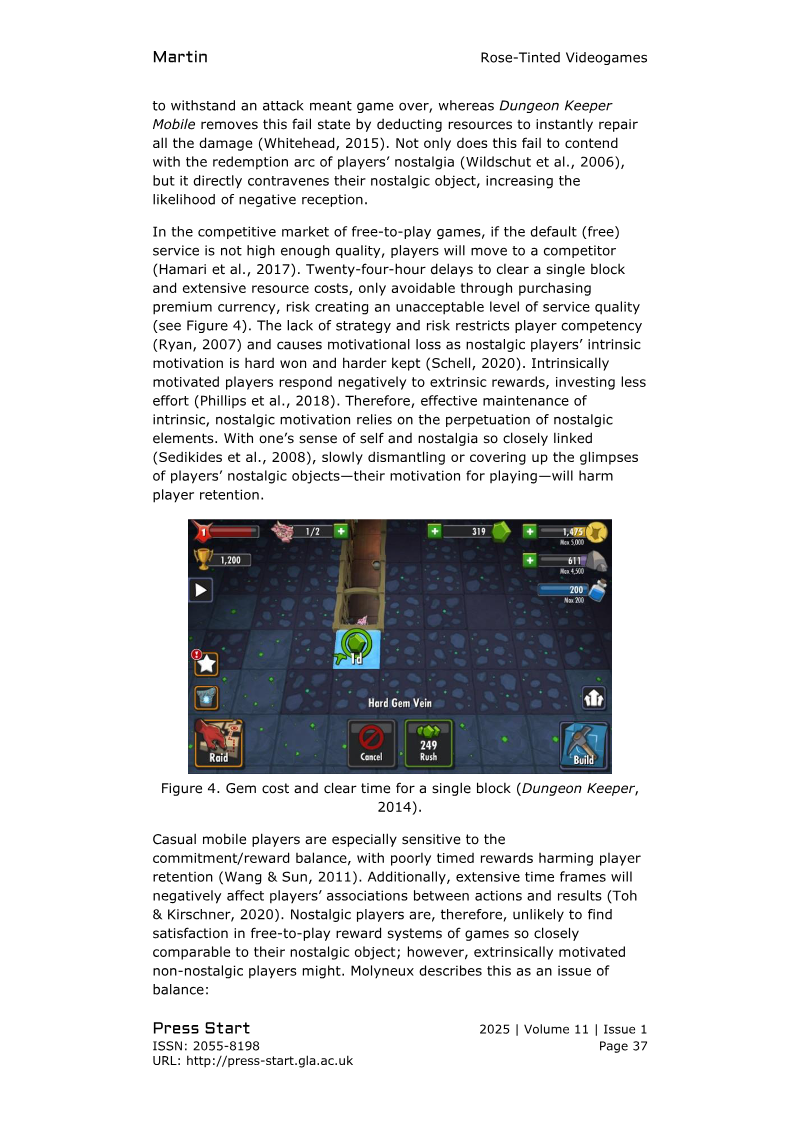
Key insights
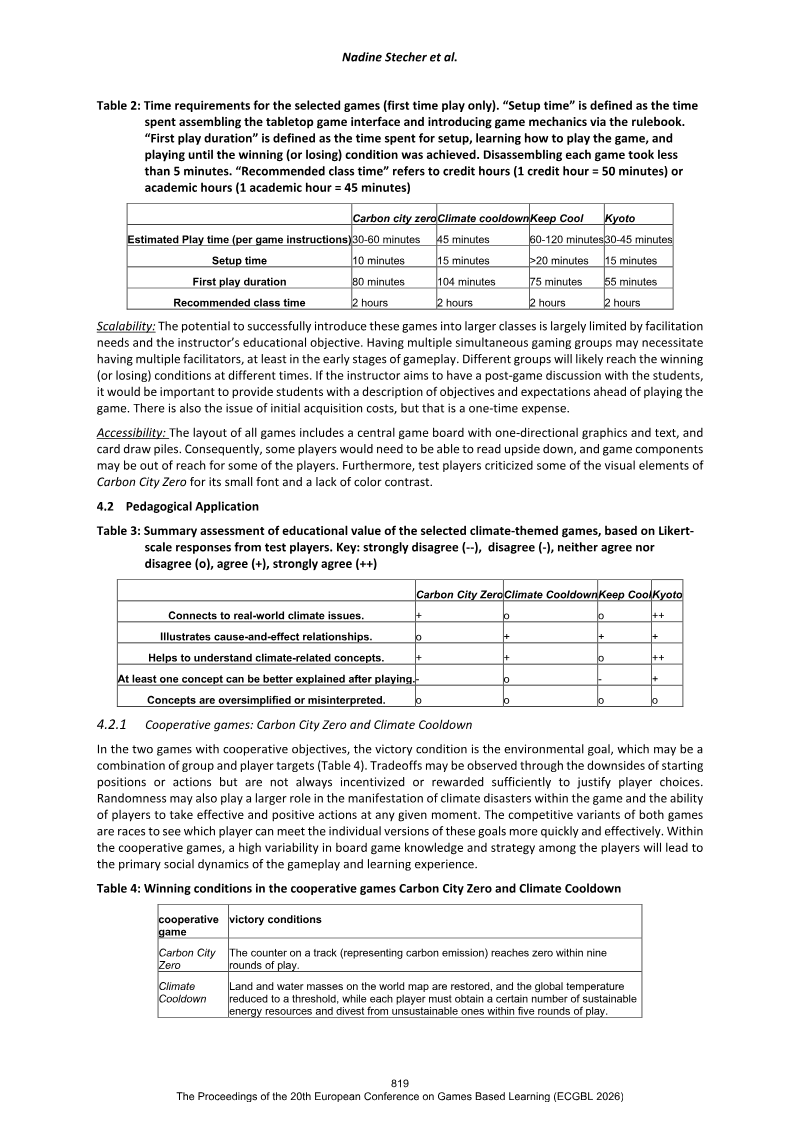
4 slides
Literacy gains
The game environment fosters advanced literacy skills in students.
Students developed sophisticated narrative structures, complex characterization, and integrated specialized technical vocabulary effectively within the game environment.
1 / 4
- 01Integrating the simulation game Mars Colony Challenger into secondary science curricula for students aged 12 to 14 leads to statistically superior literacy attainment compared to conventional instructional methods.See it on page 1
- 02Quantitative analysis using Mann-Whitney U testing confirms that students using the simulation show measurable improvements in writing proficiency.See it on page 13
- 03The game environment effectively fosters advanced literacy skills, specifically the development of sophisticated narrative structures, complex characterization, and the integration of specialized technical vocabulary.See it on page 21
- 04Digital simulations function as a catalyst for collaborative storytelling, enabling students to synthesize information more effectively through a 'learning by doing' framework.See it on page 18
- 05The efficacy of games-based learning is dependent on treating simulations as core curriculum components rather than supplementary activities.See it on page 5
- 06Successful implementation of digital gaming tools requires strategic alignment with educational goals, supported by structured reflective practice and consistent cross-subject integration.See it on page 23
Ask AI about this report
Summary
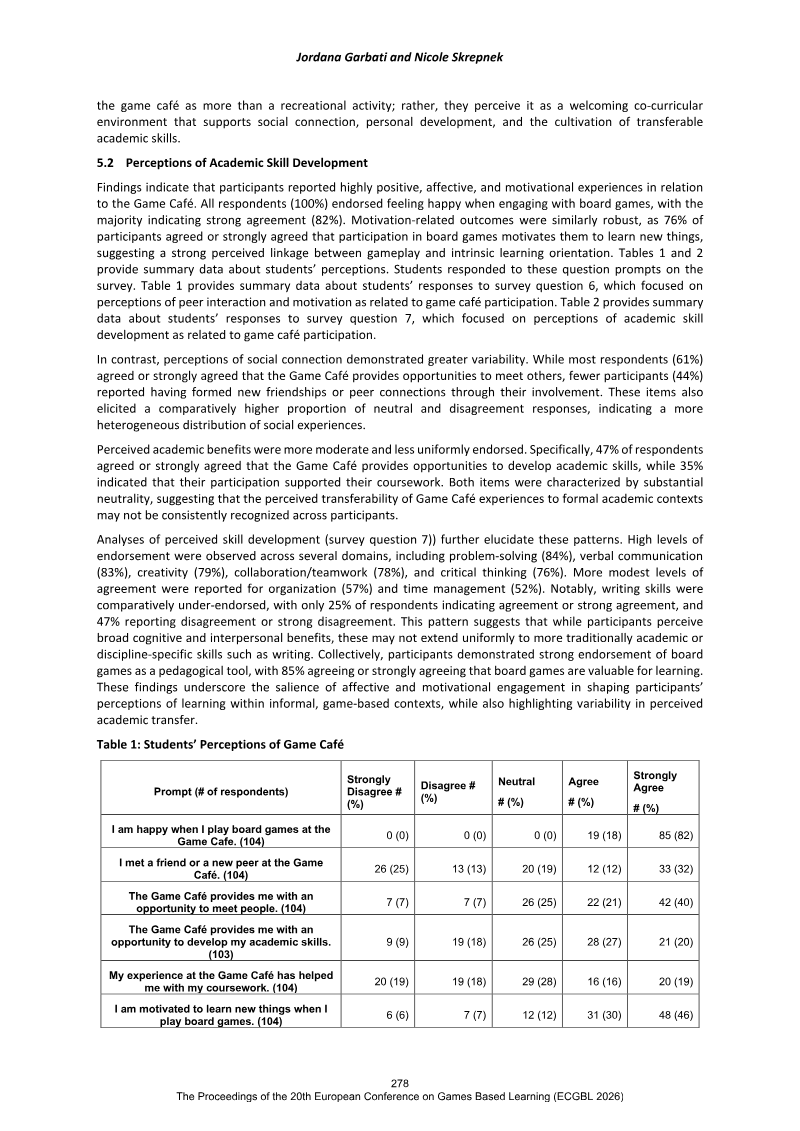
The integration of the simulation game Mars Colony Challenger into secondary science curricula significantly enhances literacy attainment among students aged 12 to 14. By embedding narrative-driven digital experiences within the Scottish Curriculum for Excellence, educators can foster a more engaging learning environment that bridges the gap between technical scientific content and traditional literacy skills. This interdisciplinary approach leverages the immersive nature of simulation to encourage reflective writing, ultimately resulting in statistically superior performance levels compared to conventional instructional methods.
Quantitative analysis, supported by Mann-Whitney U testing, confirms that students utilizing the simulation demonstrate measurable improvements in writing proficiency. While some learners continue to face orthographic challenges, the game environment successfully promotes the development of sophisticated narrative structures, complex characterization, and the seamless integration of specialized technical vocabulary. These findings suggest that digital simulations act as a catalyst for collaborative storytelling, allowing students to synthesize information more effectively through a "learning by doing" framework.
The success of such initiatives relies heavily on intentional instructional design and the strategic alignment of gaming tools with broader educational goals. When digital simulations are treated as core components of the curriculum rather than supplementary activities, they provide a robust platform for developing transferable competencies. Ultimately, the evidence indicates that narrative-based gaming is a potent pedagogical strategy for improving literacy outcomes, provided that the implementation is supported by structured reflective practice and consistent integration across subject boundaries.