1 free read left. Create a free account for unlimited reading + AI research.
Create free accountWhitepaper DiGRA
1 free read left. Create a free account for unlimited reading + AI research.
Create free accountWhitepaperDiGRA
Cameras, avatars, interfaces and cut-scenes each offer a perspective. The paper argues that mastering these perspectives is central to completing a game's goals.
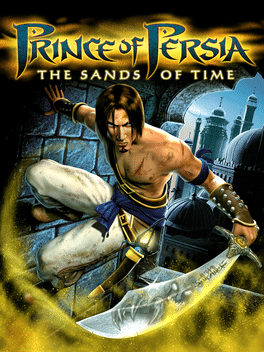
This paper argues that videogame play involves negotiating several simultaneous points of view, including cameras, avatars, interfaces, and cut-scenes, and that mastering these perspectives is central to completing a game's goals. Using Prince of Persia: The Sands of Time and Asheron's Call as case studies, it focuses on the interface as a mechanism that shapes and controls the player's point of view. The author proposes the concept of "game fiction" as a way to describe the imaginative devices that games use as native rule elements, sidestepping the long-running ludology-narratology debate and allowing games of all kinds, including non-narrative ones like Tetris or chess, to be analyzed for their fictional construction.
In the Prince of Persia analysis, the paper examines how the game's minimal on-screen interface conveys the Prince's condition and location through the life bar, time circle, sand tanks, and power tanks. These elements function somewhat like adjectives, describing the character's state, while the time circle indicates chronological position within the game's narrative of reversed time. The author notes that the player can reverse time even after the avatar has died, meaning the player effectively "plays the interface" rather than the character, a distinction that highlights the separateness of interface and avatar perspectives.
The Asheron's Call discussion centers on third-party plug-ins, particularly Decal and the Sixth Sense tool, which read server data streams and alert players to objects beyond normal visual range. The paper argues that this player-developed alteration substantially reconfigured the game's fictive construction of awareness and presence, even though the tools did not change the server itself. Overall, the work contributes a framework for analyzing how interface and fictional devices shape player perspective across diverse game genres.