1 free read left. Create a free account for unlimited reading + AI research.
Create free accountArticle The Esports Advocate
1 free read left. Create a free account for unlimited reading + AI research.
Create free accountArticleThe Esports Advocate
The Federal Trade Commission (FTC) has escalated its opposition to Microsoft’s $67.8 billion acquisition of Activision Blizzard. A new challenge has been filed with the U.S. Court of Appeals for the Ninth Circuit.
The Federal Trade Commission (FTC) has escalated its legal opposition to Microsoft’s $67.8 billion acquisition of Activision Blizzard, filing a new challenge with the U.S. Court of Appeals for the Ninth Circuit. The agency contends that post-merger actions taken by Microsoft directly contradict earlier assurances provided to the court regarding the independent operation of the acquired entities. Specifically, the FTC argues that the integration process has undermined the court's ability to implement effective remedies, asserting that the judicial system should have paused the merger to allow for a more thorough trial.
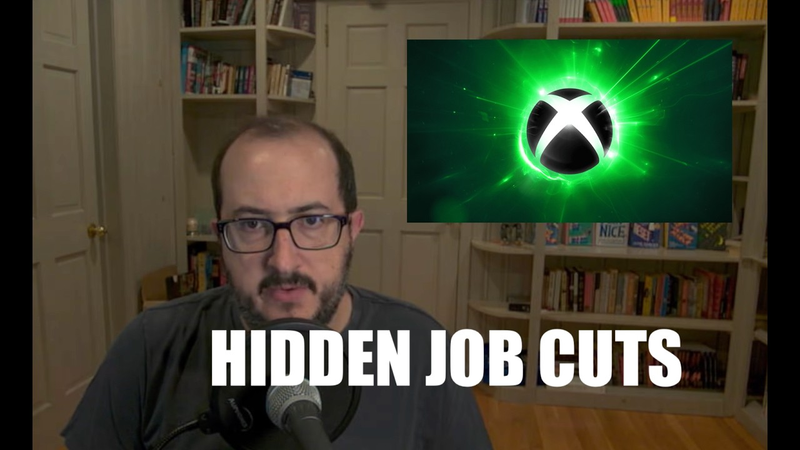
The core of the FTC’s grievance centers on significant workforce reductions implemented by Microsoft following the October 2023 acquisition. In January 2024, Microsoft announced the elimination of approximately 1,900 positions across its gaming divisions, including ZeniMax, Activision, and Blizzard. These layoffs represented 8% of the company’s 22,000-person gaming workforce and included the cancellation of a long-term development project, the survival game codenamed "Odyssey."
These structural changes have had a tangible impact on the industry, particularly within the esports sector. The dissolution of internal esports teams at Activision Blizzard has forced a shift in operational strategy, with Microsoft now outsourcing the management of properties like the Overwatch Champions Series to third-party organizers such as the ESL FACEIT Group. The appeals court is currently reviewing a lower court’s previous ruling that allowed the merger to proceed, and the FTC maintains that the scale of these layoffs serves as evidence that the integration has proceeded in a manner detrimental to competitive oversight.
The Esports Advocate · 2026
The Esports Advocate · 2026

The Esports Advocate · 2026
The Esports Advocate · 2026
The Esports Advocate · 2026

The Esports Advocate · 2026
The Esports Advocate · 2026

The Esports Advocate · 2026
The Esports Advocate · 2026

The Esports Advocate · 2026
The Esports Advocate · 2026

The Esports Advocate · 2026
Jason Schreier · 2026