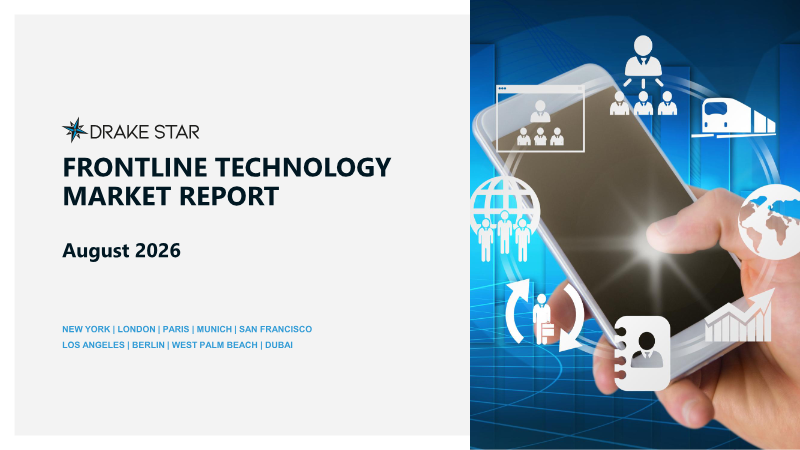
The frontline technology market is undergoing a fundamental transformation as organizations prioritize mobile-first, AI-integrated platforms to manage distributed, shift-based workforces. By shifting away from traditional, desk-bound human capital management systems toward end-to-end operational tools, businesses in retail, healthcare, and logistics are increasingly leveraging autonomous agents to drive measurable profit and loss outcomes. This evolution centers on the integration of real-time operational data with actionable intelligence, moving beyond superficial AI features to prioritize workflows that directly address labor shortages, rising operational costs, and the need for enhanced visibility across decentralized environments.
Global investment activity reflects this strategic shift, with the sector recording $14 billion in disclosed deal value across 91 transactions during the first quarter of 2026. While private placements rose by 30 percent, the most significant trend is a nearly fourfold surge in M&A deal values, signaling a consolidation of best-in-breed, AI-native platforms. Projections indicate that the market will maintain a 12.6 percent compound annual growth rate, reaching a total valuation of $12.3 billion by 2030. This sustained growth is underpinned by a broader industry mandate to improve workforce productivity and operational efficiency.
Valuation metrics reveal a nuanced landscape where frontline operations companies command a premium over traditional payroll and human capital management peers due to superior revenue growth expectations. Although legacy segments currently maintain higher EBITDA margins, the market is clearly favoring companies that demonstrate vertical differentiation and sustainable profitability. As the industry matures, the focus remains on bridging the gap between operational execution and strategic decision-making, ensuring that technology investments translate into tangible, bottom-line improvements for the global deskless workforce.

Drake Star Partners · 2026

Drake Star Partners · 2025

Drake Star Partners · 2025

Drake Star Partners · 2025

Drake Star · 2025

Drake Star Partners · 2025

Drake Star Partners · 2025

Drake Star Partners · 2025

Drake Star Partners · 2024
Drake Star Partners · 2024
Drake Star Partners · 2024

Drake Star Partners · 2024

Aream & Co · 2026
Modern Times Group · 2026
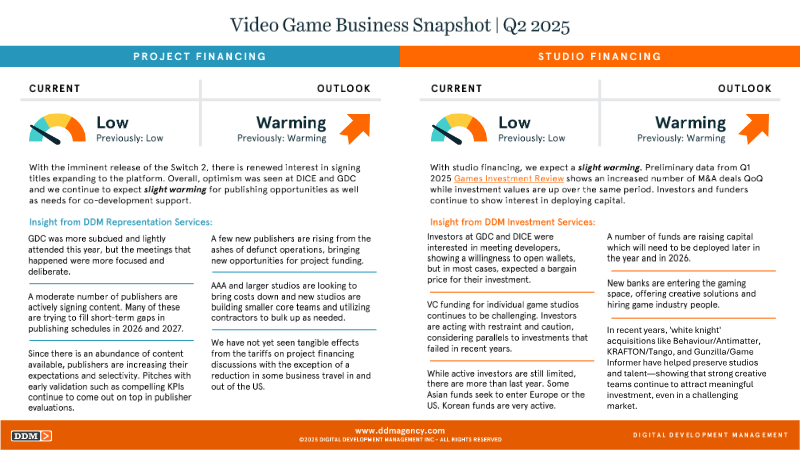
DDM · 2025
DDM · 2025

Thunderful · 2025
Digital Development Management · 2025
DDM · 2025
Aream & Co · 2025

Drake Star · 2025