ArticleVideo Games Industry Memo
Fight Breaks Out Over EU’s New In-Game Currency Rules
17 Apr 20251 page~15 min full read
Key insights
4 slides
What changed
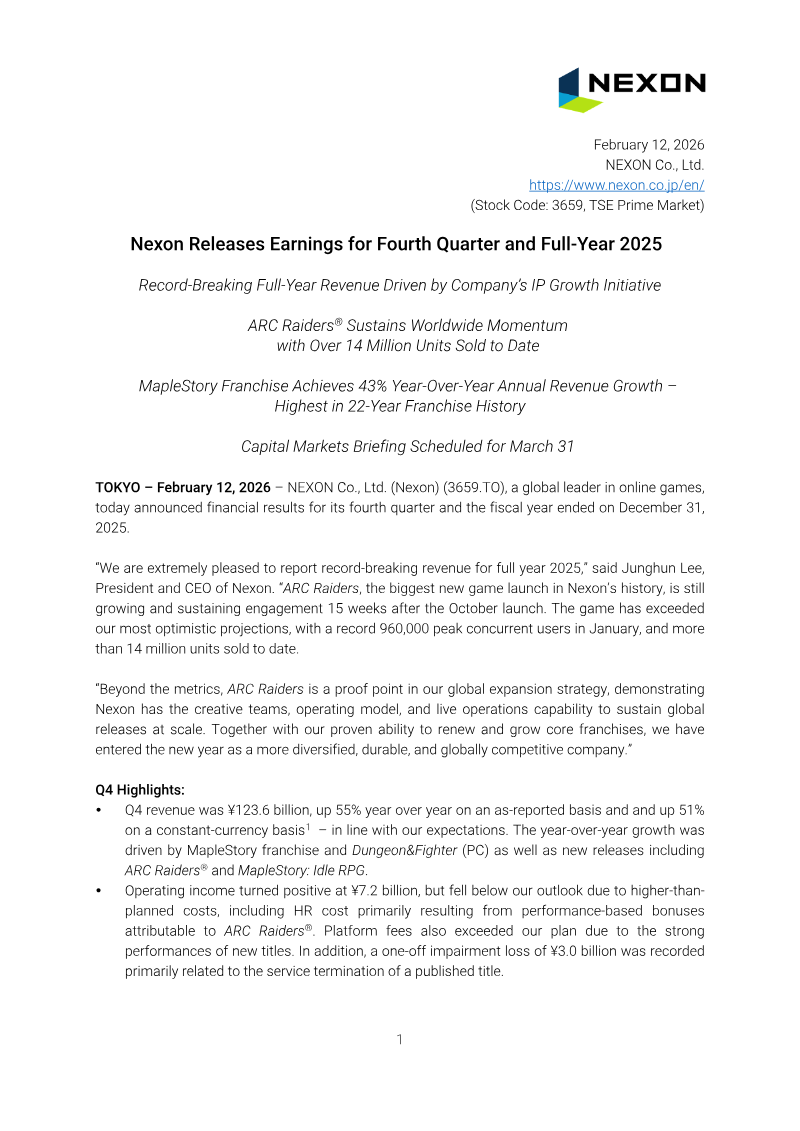
EU guidelines classify in-game currencies as real-world money.
The CPC released non-binding principles in March 2025. They treat in-game currencies as representations of real-world monetary value.
The opposition
Trade associations oppose the guidelines over procedural concerns.
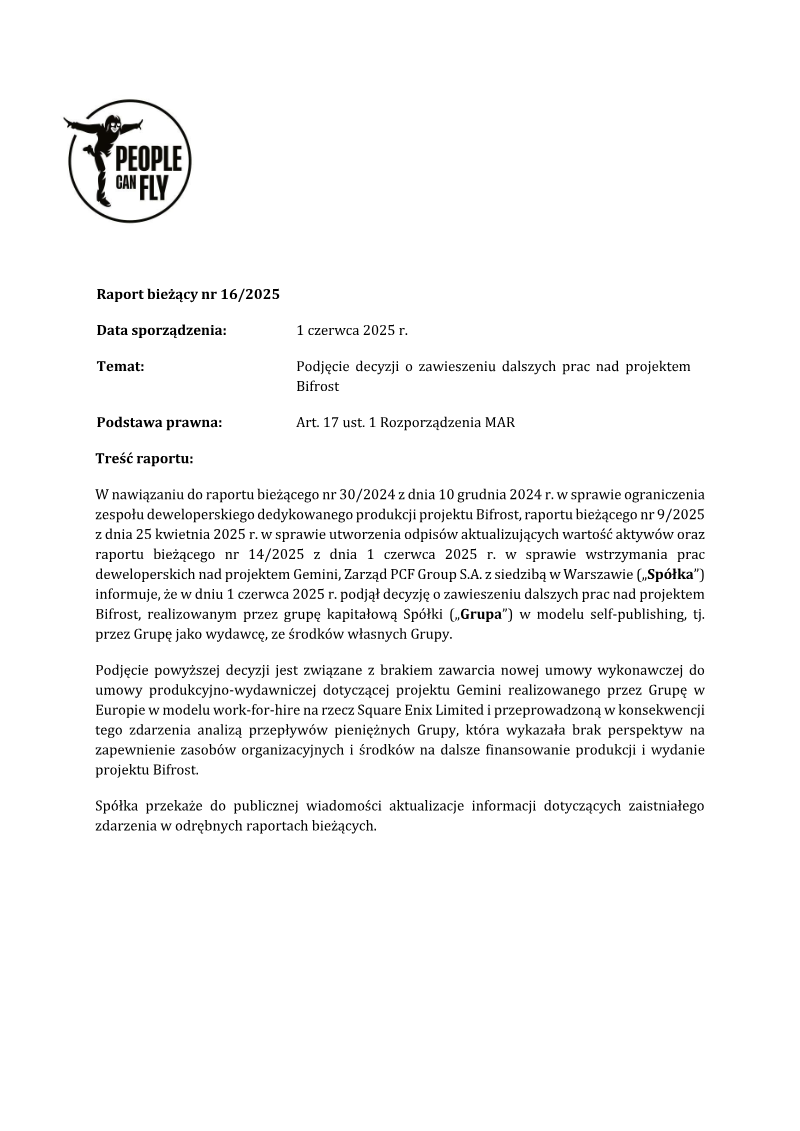
Video Games Europe and the European Game Developer Federation cite a lack of consultation. They argue the CPC bypassed established legislative processes.
Procedural dispute. Industry trade associations are opposing the guidelines, citing a lack of transparency and the bypassing of established legislative processes like the Digital Fairness Act.
The cost
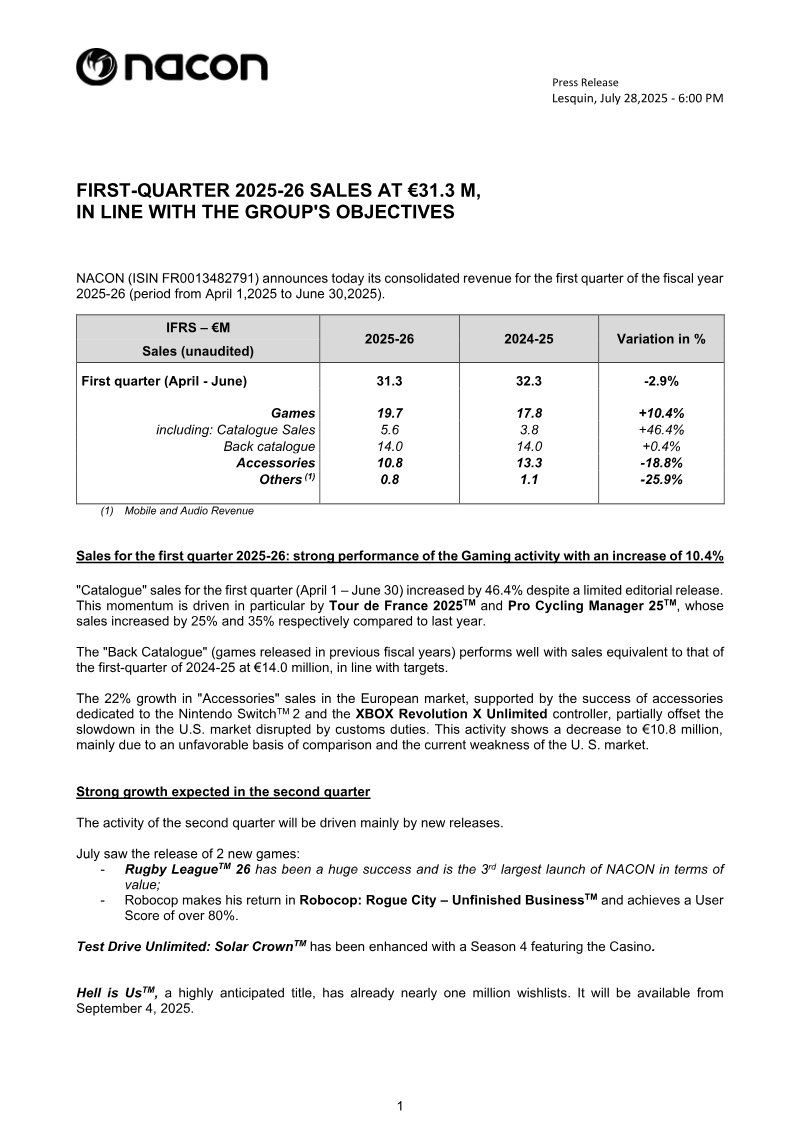
Compliance may force developers to abandon common monetization tactics.
Developers may need to abandon currency bundles or dynamic pricing. Maintaining compliance can require costly, large-scale game redesigns.
Redesign risk. Compliance with these new standards may require costly, large-scale game redesigns for developers seeking to maintain access to the European market.
The uncertainty
National courts will likely determine enforcement of the guidelines.
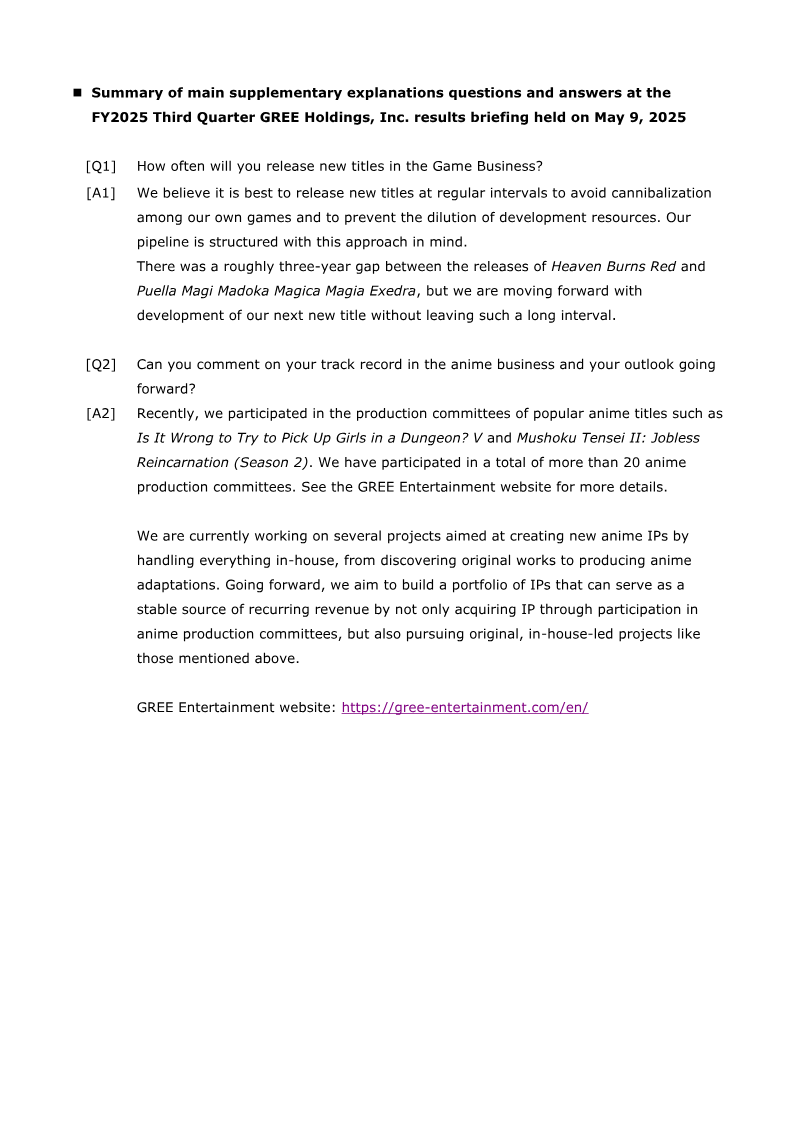
The guidelines are technically non-binding recommendations. Enforcement will likely fall to national courts, creating regulatory uncertainty.
Legal battle. Because the guidelines are non-binding, enforcement will likely be determined by individual national courts, creating a period of significant regulatory uncertainty for developers operating in the EU.
1 / 4
Ask AI about this report