1 free read left. Create a free account for unlimited reading + AI research.
Create free accountReport gamevironments
1 free read left. Create a free account for unlimited reading + AI research.
Create free accountReportgamevironments
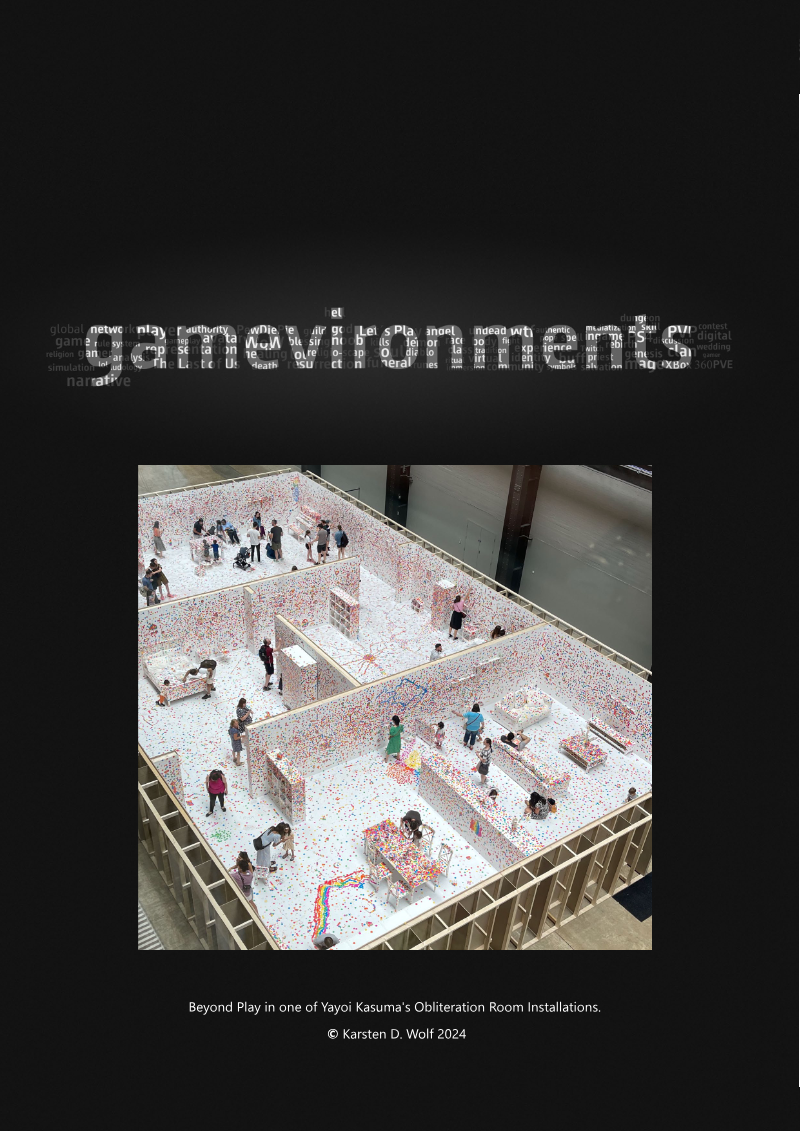
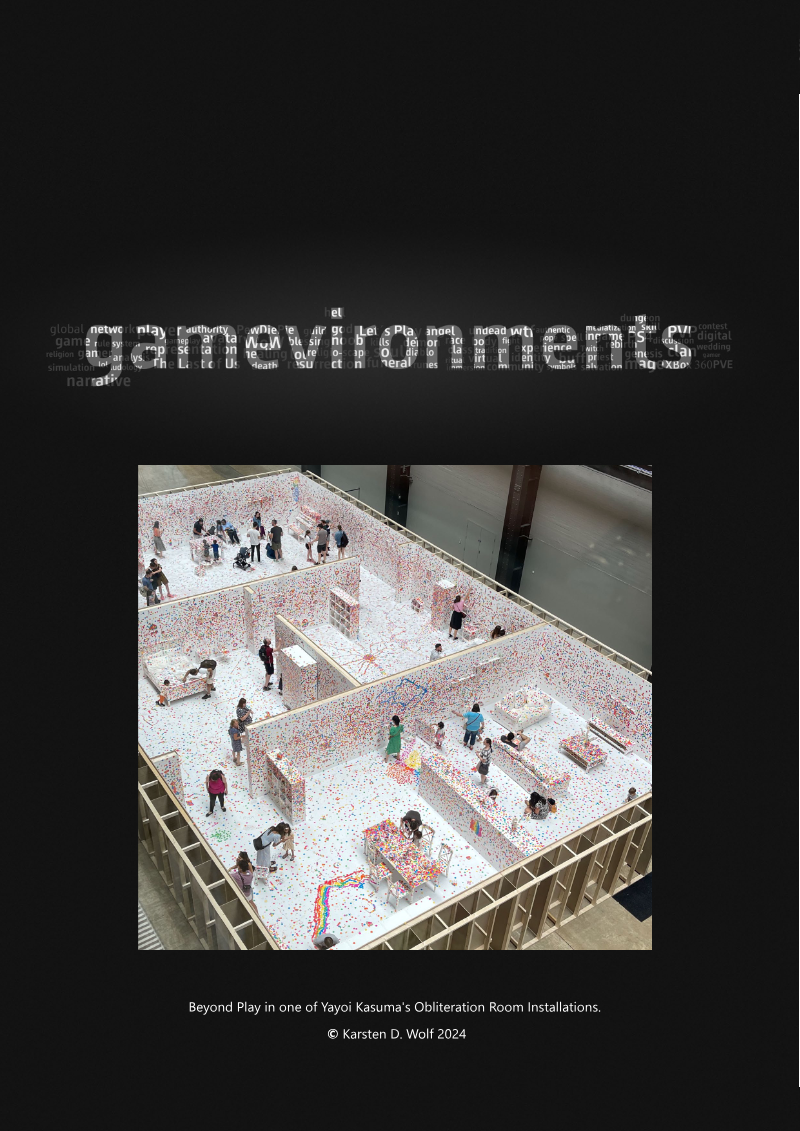
The 2024 issue collects academic articles, a teaching report, and emerging-scholar reports. Its topics range from Latin American clone consoles to role-playing games in the classroom.
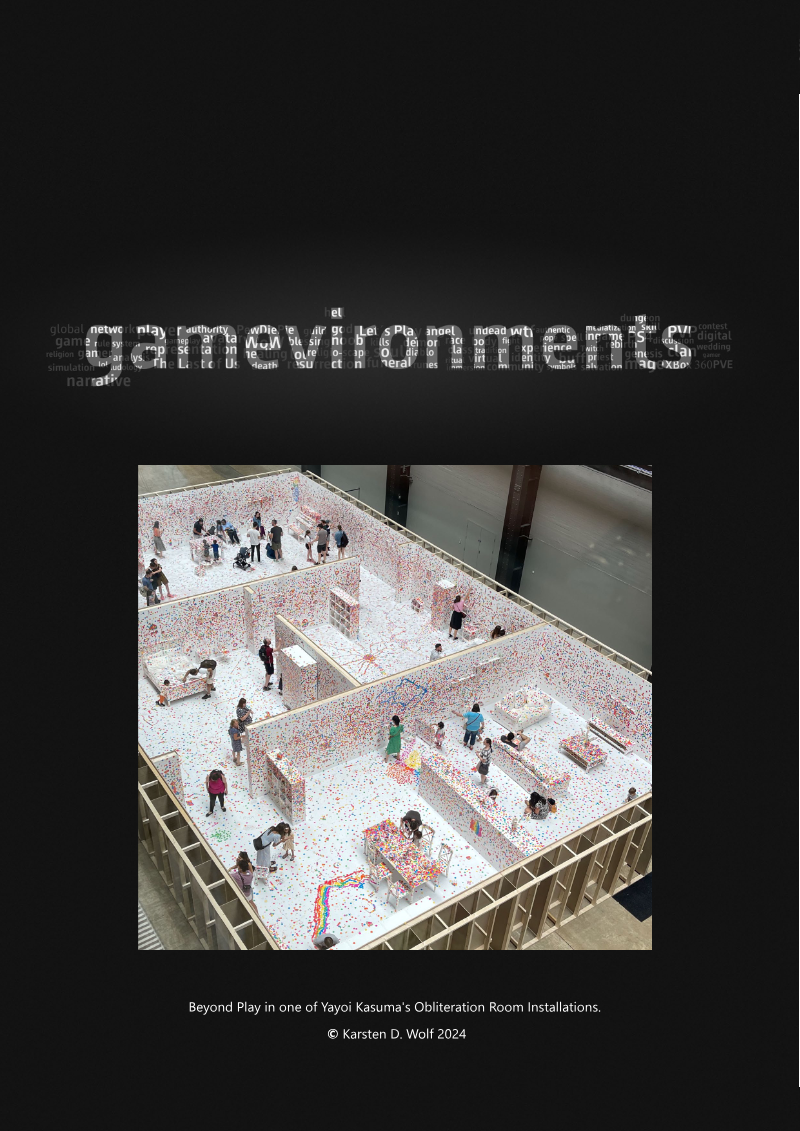
This issue of Gamevironments (Issue 20, 2024) collects academic articles, a teaching report, and emerging-scholar reports on video games and their cultural, religious, and educational dimensions. Its contents range from studies of game culture and gameplay theory to analyses of Latin American clone consoles, gamification, role-playing games in the classroom, and the depiction of religion in popular franchises. The featured IASGAR PhD Day reports stem from a 2023 summer graduate workshop on video gaming and cultural values, and they focus on how religious themes operate within games and fan communities.
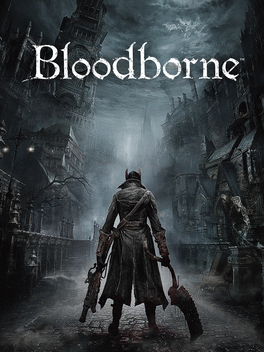
A representative example is Ed Watson's essay on FromSoftware's Bloodborne (2015), which argues that the game can be read as a site of critical theological reflection. Drawing on Caroline Walker Bynum's work on blood devotion in late medieval Europe and Gil Anidjar's critique of blood as a foundation of Christian community, Watson contends that the game allegorizes Christian conceptions of communion and exposes their internal paradoxes. The central claim is that Bloodborne's world, in which the desire to transcend creaturely limits intensifies human corruption and violent policing of the faithful, is paired with gameplay that encourages players to accept finitude rather than seek to overcome it entirely. Watson acknowledges that this formative effect does not depend on players consciously engaging with theology.
The article is primarily theoretical and interpretive rather than empirical; it grounds its reading in cited secondary scholarship (Wittgenstein, Bourdieu, Spillers, Tanner) and in close attention to the game's narrative and mechanics. It offers no survey data, sample sizes, or quantitative findings, and its scope is confined to a single title and a Christian theological framework.
DiGRA · 2026