Transcript
Welcome to the Navit Gaming Podcast, where it is our mission to explore the business and future of video games. We bring together the industry's brightest builders, investors, and thinkers to keep a pulse on current events, dissect emerging trends and games, share lessons learned, and have a great time. This podcast is also part of Navik's growing ecosystem which ranges from free and premium research to consulting and advisory services. For more information, visit www.navic.co. This episode is brought to you by Lightseed Venture Partners. Lightseed is a globally leading venture capital firm with over $29 billion in capital under management and more than 500 investments across the US, Europe, and Asia. With its dedicated gaming practice, Lightseed Gaming, the firm is investing from over $7 billion in early and growth stage
capital, making it by far the largest fund focused on gaming and interactive technology. Lightseed's team combines deep expertise in gaming with a global multi-stage investment platform and a culture that truly puts founders first. Selected investments include Epic Games, Snap, and Stability AI, as well as game designers and producers who led the creation of titles like Fortnite, Call of Duty, League of Legends, Valerant, Starcraft 2, and many more. For more information, simply go to gaming.lsvp.com or check out the details in the show notes. This episode is brought to you by Overwolf. With over 1,500 games supported, 178,000 creators, and 113 million monthly active users, Overwolf is the guild for in-game creators. Whether you're a gamer, creator, or game studio, Overwolf is the ultimate destination for integrating UGC into games. For game studios, Overwolf offers
Curse Forge for studios, a white label solution that lets game makers and publishers easily integrate mods safely and seamlessly into their games, both existing and new, at zero cost. It's battle tested by AAA studios and games including Craftton with Enzo, Studio Wildcard with Ark, Take Interactive, and others. Alongside this, Overwolf is the all-in-one platform that enables creators to build, distribute, and monetize in-game apps, mods, and game servers. In 2024, Overwolf paid over $240 million to in-game creators, proving that they truly value the talent and contributions of the gaming community. You can check out all Overwolf has to offer at overwolf.com or simply check out the link in the show notes. Now, let's jump into the episode.
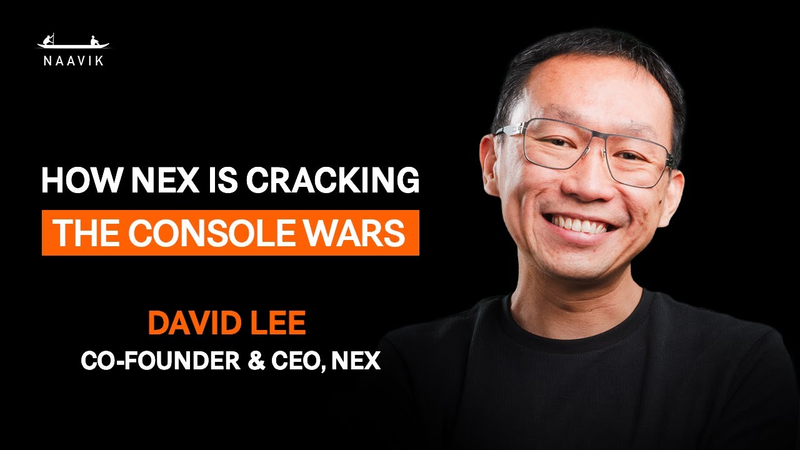
Welcome to the Navic Gaming Podcast. I'm your host, Kaylee Moore. Today's episode is about what it takes to break into one of the most unforgiving categories, consumer hardware. For more than two
decades, the console market has been defined by the same three players, with very few newcomers managing to break through in any meaningful way. And yet, last year, a startup focused on families with young kids quietly did just that. Next Playground is often described as the modern successor to the Wii or Connect, but that framing only captures part of the story. What makes Nex interesting isn't just motion-based play. It's how the company rethought who gaming hardware is for and what parents actually want from screen time. And in a year where console sales overall were down, Nex captured a meaningful share of US sales, expanded into thousands of retail stores, and sold more than 650,000 units, all while positioning itself as kids safe in a family first platform. My guest today is David Lee, who's the CEO and co-founder of Next. While Next may look like an overnight success, it's actually the result of nearly a decade of iteration pivots and some hard learned lessons along the way.
Next developed a very clear mission to be a force of good for families, combining physical play, trusted IP in a business model built around long-term engagements. Today, we're going to talk about Nex's origin story, the risks behind its biggest pivot, what it takes to launch a new consult in today's market, and we're also going to look ahead into what's coming next from international expansions to new forms of play, and what David hopes next will mean to families 10 or 20 years from now. It's my pleasure to welcome David Lee, CEO and co-founder of Next to the podcast.
Thanks for having me.
Of course. So, I I've known about you guys for a while and but I wanted to reach out after I saw a feature uh that you guys did in the Wall Street Journal which detailed you selling 650,000 units last year. And I know everyone kind of thinks about you as an overnight success, but really really came across in that article was how you've been building this for over a decade. Can you start by walking us through the original thesis behind Next and how it evolved to
where where it is today?
Um, sure. Wow. It's been a long time. Um it start with I left Apple 2017 um and started Nyx and uh at that time um you know have been spending a decade in productivity applications just want to do something different I like I love basketball so where I start well let's just do something so the the the first thing that we did was homec court a basketball training up. Um, and the mission at that time is uh, you know, quite simple. It's like, hey, we want to do something that's useful and joyful for basketball players. So, the mission at that time is utility and joy for basketball players. Um and as he as we continue to evolve and co happened and we find that we have much better role to play and even within
you know basketball we start you know doing something incredibly difficult which is tracking basketball shots. So he set up a camera on a tripod pointing at a basketball court. The camera recognized the hoop, recognized the ball, recognized the the line on the ground. Um, and knowing, oh, there's somebody shoot the ball and tracking big miss and tracking all these advanced statistics around it. So this is the first thing we do like to spend two years on it and unlocking pretty amazing technologies um to make it happen. Um and and we say hey this is great but this is also very niche abrication. So we begin expanding and try can take care of like other aspect of what the basketball players would need. Um that hey we can track the drile we can teach them how to dribble a ball. Well we can track how they move the body. We can check their like agility and and great great activities that make that training boring training more fun. So this is
basically we have expanding home court app to to you down tracking you shoot a basketball in a basketball court tracking you triple a basketball tracking you like just move and jump and do things where like you know um um train your footwork that's actually how we get started um and and and then pandemic happens and we thought wow nobody play basketball now and then you know that that you know the the the the up with tank and the reverse happened. You know, we are we have a really viral moment in home court. But the people coming in use home court um are not basketball players. They just want to have something fun to do when they also cannot really play outside. Um so the part of homec court app that g the most traction is the um the interactive training games that uh don't require even don't require basketball.
So we say okay well we take that out we create um uh an app called active arcade. So the mission of active arcade is to transform activity into play. So like things are a little bit boring, things a little bit more like hey how to move but we we we make those thing games. Um and that's what activity into play make training activities like more fun. So that's basically what active is and active went viral again. Um it's still in the pandemic. Um and what then happened is um we look at active numbers like millions of downloads, hundreds of millions of play sessions and we look at the retention numbers and we find that the retention number of iPad is 3x the phone and the um uh when we when anyone connect the phone or iPad to the TV the retention is
10x. So just give it give a signal that we've been building for a wrong platform. That the beginning of us trying to get into TV and take on the mission to connect family and friends for active play. So that's multiple iteration, multiple pivot, but I think our mission stay remarkably consistent.
Those are really amazing stats when you move to a bigger screen. So is that really where the transition because both of the products before were mobile right?
Yes. So uh home start as mobile because you cannot you know how to what what what computer device you have to take to a basketball court. So at that time we start with the phone and we are right at the beginning of um you know on on the edge AI processing you know that was the time 2018 was a time Apple 10x the processing power to process like do AI
inference on the edge. So the what modernly call the neural processing unit the NPU Apple have another term for that time called Apple neuro engine. So that was the first time when like there's a real AI processing power on the phone. So we we leveraged that to do on the edge AI processing so that when you take the phone put it on the side of passport cord it has a lot of processing power to understand what's going on in front of camera. We we we we we start in mobile and mobile um is a great platform that is has great processing power. Um really flexible. So we can do a lot there to start. Um and obviously when we now need to figure out our consumer hardware, you know, when while people willing to pay for $1,000 phone, like family may not willing to pay for $1,000 like a game console, right? So we need to figure out like picking the right tradeoff for the cost
and performance to create something that like right at the right price point for um families to adopt.
And I want to go back because now I think in hindsight it's such a tidy story right of how you pivoted during co but it must have been it must have been incredibly stressful time because these were these were huge pivots. What did it feel like while you were building on the fly? Did you immediately think that of course this is our our next step? Like was it one of those aha moments or was it is scary along the way?
Oh, it's extremely scary. Uh I give you a few like you know defining moment of next. So when you keep building home court and we think yeah this will be great for all basketball players. Um, and and there's so many basketball players out there, like we count 450 million basketball
players worldwide. Um, but if you kind of really go back to it, like how many people would take a phone, go to a basketball court and do shooting suiting practice and be serious about like, you know, making every shots. And that's actually very few people would think like that. Very few people, very niche. Um you what what we find is that hey is the really the player who want to play a next level basketball you know would want to do this like the middle school kid want to get into a high school team the high school kids want to go into college so it's is it's pretty small audience um and and when we when we talk to our users and talk to like hey like you know would like how many people are like you and and then when I I use a finer that I remember talk to uh uh uh a dad that
have a have a have a daughter who love our app. Yeah, that's not any kids like her. um as oh okay that we have we a very niche um serving a very niche audience and when we kind of pivot into hey we should find our our bigger application for what we created and say hey we should apply to games and there was moment that the whole engineering team you know sit down um and a lot of them Apple so when I left like a bunch of Apple engineers left with me And you know and then hey we the the best way to deliver a better experience to our users is to basically use technology to to make games and said and is anyone have make game before everybody shook their head. Okay we start learning unity today. So this the whole team just all of a sudden you know what let's commit to that. Um it was scary you know we're doing something that is
we have not done ever done before is scary but it's also exciting. Um so so those are some of defining moments of like a whole a room full of engineers
just top the table let's do it now
in um in the Wall Street Journal article an investor of yours was quoted which you often hear I think from the best investors is that they bet on you and the team and they knew whatever that you were going to do was going to be a success. Do you feel most of the investors that you worked with were in that camp or were there a couple holdouts that thought entering the hardware market was insane?
Well, that's certainly uh nearly everyone think it's insane. Um and and you know we have we have some exchange with investor. How you guys doing this? Um but you know is that when you invest when investor invest in a startup you're actually trusting the founders to do the
right thing and and you know what an investor can really do in the early stage we still found finding product market fit can only be providing advice and cheering on the sideline for the most part really and obviously you know if when when when when the company need more resources they may be in a position to buy more resources. They may make introductions to help the startup as well. Um but but at that time um you know when we kind of go into hard ways it's extremely difficult to raise another round of funding. It's just extremely difficult. Um we were a little bit lucky in during the covid time when a number like wow there's a 40x growth there and some of existing investor look at that growth and say hey like nothing grow like this and don't have a real part of market fit somewhere so go find it so at that was I remember that time um and and I just
tell hey yeah thank for the believe in us I don't know how to make money with this yet but I we try to find it. So that was the next payground actually eventually what is being what was found at the end of that like growth and go to active ark and kind of find something that actually real meaningful product market fit because before after active arcade we tried doing motion mo uh mobile games and it do okay but not really anything major traction mobile is a wrong platform as we can find out in all our numbers. So for us to really build deep relationship with the customers to really serve them well. We need to get into the living room space we need to we that was a time and also remember I spent two years finding the 65 in iPad. I said I could have a 65 in iPad I can build for basically the TV
but the TV don't have enough processing power. Um and it's a setup box and we have partnerships with that. We talked to all TV manufacturer, TV manufacturer, all setup box manufacturers, all the SOC behind them. Um they see like things start turning the corner because like hey they want more AI on the edge and all that. So we see the we see the possibility but we end up the perfect platform doesn't exist. So we end up building our own and and next payground is essentially the last bet. If next pay run fail next failed 100% and we only have resources to create the first 5,000 units but this also are also defining moment for the company as well. I remember at that time I I told the team that you know there's only one um objective for the company only one goal is to make sure the first 5,000 users who got next playground would love the product and that's how we spend the entire 2023
basically from zero of just concepts to shipping the first 5,000 units. Um, and that was a defining moment. But even after that, you sell 5,000 units. So what? Right. And raising money even after that is extremely extremely difficult. I have so I got so many nos in my life in 2023 and 2024 um and 2025. Yet I can I lose track to count already like you know but we are we we managed to make it through.
That's wonderful. And I want to talk a little bit before we dive deeper into product about how your mission has evolved as the products evolved too. I know your mission is to do good for families or to be a force for good. I want to hear a little bit about what that means to you personally and as a company.
Well, it started with um the love of basketball. I love basketball and do something that's like related to that
sport. Um and and as we go we we have users real users and we will talk to them we understand their needs understand how we built better for them. Um it's more like that you you in that process you start building the empathy building the connection with the users and keep finding how you serve them better. um discovering other problem they might have and how we can do how we can you know help them there as well um and I'm also have two daughters um and if I look back in my journey building legs I can see their fingerprints all over my product um and they usually um uh the one who would test some of the thing something new that we're building um and from their reaction to that I you know also learn a lot as well and how to
create joyful experience joyful meaningful experience in in a lot of case that when when our use when our customers like be start to kind of see it taste it and I can see that yeah I see that with my daughter before um sometimes it's just like give a lot of meditation of what we're doing and you know life is a pursuit of happiness right so sometimes just you know be say truth to yourself and you know how you interact with customer how you interact families and and want to do good thing for them and I'm I'm I'm parent and you know I I can totally see after my my my first daughter is born and the sentity just swift to them and I think that is both parent feel the same and you want the best for them um and we build a product that is like really carrying that that love for the next generation And um you know
how old are your daughters now?
They are 14 and nine.
Wow. I I also have two daughters which is actually what I came across your product well before the Wall Street Journal story is I was looking for something that didn't involve too much screen time. Mine are younger six and two. I want to talk a little bit about the product. So, you know, in a lot of press, I think, you know, to set the stage, I've seen journalists who are describing Next Playground and like how it compares to the Wii or Connect. And I want to talk about what you've learned from previous motion platforms and what you're doing that's completely different than the platforms before.
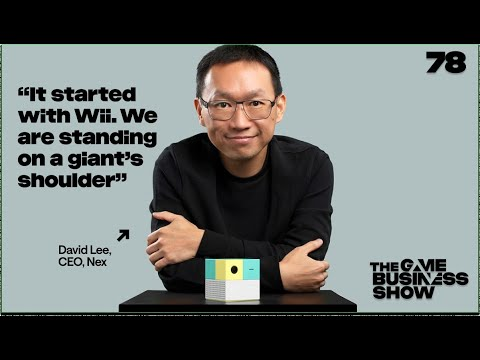
Yep. So, there's a few things really different. You know, I always say that we are standing on giant shoulder. So we are not the first to build motion games and we and Kinet build it before um using different technologies like we using the sensors on the controllers um and Kinet use our pretty complicated camera system like dep camera and you
know IR and um and then later they use like the the the tumb of flight sensors as well um to basically track motion. Um the technology that we using now is basically AI is on an RGB camera connecting to our AI capable chip. We process the video and understand motion in real time. So in a way that the technology is a lot simpler. So that is also I think would be the more ultimate form of technology as well because it's just the AI just everything software. you just evolve the the the the software, evolve the model and it become more capable being able to understand more. Um and I think in a form that is like the technology is better um and would be a little bit more ultimate form of technologies.
That kind of dives into my next question is you know the the other platforms we'd mentioned have had issues with longevity. Where do you see that being different uh for next? Is it just in the technology or is there something else?
There's there's more to it and I want to kind of cover those uh to answer the your previous question with like two more points. Um which is second one is important um that we have different business model. We have a subscription based business model and that's a this is a wonderful model and I think it's the core behind like our continuous investment in content. So we are not leaving it to like oh just build an open ecosystem for people to kind of build games on it. uh we say hey we this is a service and we we are dedicated to serve families for a long time and and with that we we uh with subscription model every year we actually you know come back to the product come back to the market with a better product because you keep building and every year for three years in a row four years now that we basically keep increasing our production budget and and and then all with all the learning that
we have with families um and how how we can make it better. Is it improving technology getting to more content like trying something new that you know have not been tried before. Um so in a way that we through the process understand what our user expect what our user like what our users want and keep building more and keep surprising them with new things. So this work because we're not thinking about like game individual games we're thinking about a complete solution to the family who want to stay active who want to be have connected moments. So and and then it becomes basically a five view so that we can go back keep going back to the to the market with a better product. Um imagine again back in the days if this is like a single a platform with individual game purchase like the the product doesn't really change much. Yes you have bigger game library sure
um but for the same price for the same price what you get is largely the same but for the same price that you spend on playground for the first year to get access to the entire game catalog is very different. And if you're convinced that we do good for you for one year, we hope to earn a customer for another year. That sustainable business model is absolutely critical for how we think about longevity. Um and the third is also the third point is also important of like you know the on the longevity thing is is um I think the other company like you know I'm just looking at the result like you know I'm not I would not be able to speak for their strategy looking the result is the other two you know companies could few could try basically collectively like you know decided um motion game is not what their customer
And we look we we don't have that customer. So we build motion games for the customer who want them the most. And we come here with years of experience interacting with these people on different platform on on on the mobile platform. We understand why they want it, what do they want and now we just come in to create a better product to serve them. So our our focus on kids and families um is something that will differentiate us. So we are we because we kiss and family we first start with how we make it safe you know how we protect piracy how make it very secure. So those become fundamental pillars of how we build things up. And when you look at the whole ecosystem, oh it's just really different um from what being tried before and I would love to kind do in the right way and keep keep improving the the you know our our solutions to
serve the needs that are timeless. That's how we think about longevity. So, I'd love to dive into the privacy and safety side of things a little bit more. I know there's other platforms platforms different than hardware that are geared toward kids that are having a lot of safety issues out there right now. And I think as as a mom, it's definitely something I think about when thinking about introducing my six-year-old to to gaming. The lack of screens was definitely one part of of your product that really appealed to me as a mother. I'd love to hear a little bit more about how you guys are thinking about safety, children's safety especially, and what you're doing to prioritize that aspect.
So, um, that is a foundational promise to our customers, not non-negotiable, non-negotiable. So, we think about that first. We know that we are literally at the center living room, the device have a camera on it. Um and and building that
trust is of number one priority. Number one priority non-negotiable. So how we do that? Uh first is a closed ecosystem that we uh we do not put a browser. We are not allowing third party to make games for it. You know we control everything from the bottom up. So that's basically no way to get in. Um that's how the product is secured because we we you know we have foundation have a secure OS we have we have uh curate all content all games that you know go into playground is you know created by ourself and our partners and we audit everything. So number one is just to make sure that that is secured curated content and also no video go to the cloud. So it's all on the edge processing. Um we not sending you know
any those data to the cloud to store there. So we we everything is local. So if you disconnect Wi-Fi from the from device all the game continue to work. Obviously there's some leaderboard thing that you know to connect to the internet for that. But like largely the game work um locally. So that's how we how we you know do the um privacy um and security and think about safety is just curated the content and and and thought through every single thing for our customers and listen as well because like when we put you know games out there and you know easily the games have like hundreds of thousands of players. So there's a lot of feedback coming in come back in and we make sure that we adjust those feedback and over time we learn to kind of how to kind of hit that right you know off the gate. Um but we there's a lot of learning that we have over the you know over the course of you know many years of how we you know design great experiences and safe experiences for kids and families.
Well, it's very refreshing when tech CEOs think about safety as a non-negotiable. And this is a perfect segue into I wanted to talk to you about games and licensing in particular. So I know that you've had uh big IP, a favorite of my my daughter is Bluey. Um and so I wanted to talk about how you think about that kind of licensing of IP versus investing in original and original franchises. And I know you said your games are fully first party like that's part of this security and privacy, but do you expect that to change in the future? Do you ever see a world in which you introduce games by thirdparty developers?
So we do have uh what we call second party developers. So we we cannot do everything. Um yes, next have free internal game studios uh and we make both original IP games and licensed IP games. We also have studio partners that we are really great and we are borrowing their superpower um to um to make great
games for the platform as well. Um but that's what we call a second party. Um that's we don't have open app store. We do not open it up for everybody. Um and mostly because I think we still want to kind of have um curate our our content lineup. Um and also what would be the great experiences for the for our customers as well. So how we react to those needs and how we how we plan and how we um you know doing what's right and doing what's exciting as well. Uh we can also like limited resources. We can also not do any everything. So we we need to be prioritized and select. Um and regarding um our license IP, we are certainly very excited to have many partners trust us with their like you know beloved brands um and and I think we create um one of one of the thing that is is a new platform um and is also um want to be
completely safe and pirate and secure. Um, so that's like our number one thing and it really align with what what the brands want to do. So when buoy think about their game, we said, "Oh, why would what it do would be great for our players to really play Kippyappi like really jump to like you know lift up all the balloons, right? Yes, you can play Kippy at home by just having all the balloons. Um, but you know, you can hardly have 100 balloons up there. So we with digital we just have a little more flexibility to just simulate many different situations. Um and and I think creating unique experiences for the brands is one of the way why brands want to come onto our platform and the mission alignment there is also very significant um and obviously we also invest in original IP as well. I think you know both both license IP and original IP have a role to play on the platform. um
original IP we we we we can certainly explore something something very new um some have not been done before um and yeah so it's it's a it's a it's good balance of like you know how we invest in the content library with both license IP and original IP um and deliver great experiences for the customers so you know license IP also have a lot of credibility and lot of built-in audience as well so we al kind leaning on the superpower of license IP to you know bring audience in.
Can you tell me about some of the most popular experiences right now?
Yep for sure. Um our most popular experience right now in the moment on the platform um which is a surprise honestly um is a game that we developed last year. Uh it's called Burama. So viewama is you can feel like is our um uh
Snapchat like filter on a big screen and four players can play at the same time. So it's just our fun moment which we have we had keep rolling out new filters. Um and some of these is just like encourage kids creativity and and oh how they do certain thing they want. It's just like is yes it's fun. It's just a filter and kids will just run in doing things like you know there's some filters is like in like for imagination. So one filter when you open your mouth five breathing out from that um there's some filter where you you would like charge your electric electricity in your um in your in your hand and then you can release it like you are you your your you have control electricity that's one filter which is the most popular one which I still like you know figure out why that's so popular is
actually it's just what they call twin it's just like a a how do you call it basically overlapping two video one video is just like 5 second before and then you can you have have a twin. So when you will move around and you can see actually you have your your your image five minutes 5 second before and you feel like you can playing with your twin and doing something with him. Um and it just unlock his imagination of like how they think about things and it's just like I don't know is it is it even a game but we just discovered that and like people love it so much. The second most popular experience is a game called Stari and it's a music game and uh we convert your body you know to the screen live and we give you instruction to dance. So arrows coming in you kind of you know move according to the arrow and put your hand in the right place linear body in the right place. Um and what's amazing
of that game is we see a lot of sharing of that game happen is parents getting proud of their kids because it's hard music rhythm game is hard and um when when a kid can wow my five years old can do that it feel like that we created a bicycle like and a parent feeling proud of their kid now they can ride a bicycle and they did not expect because I'm so surprised when I'm see my 5 years old daughter at that time like getting like all perfect wow wow and that is like and and we have that and now my younger daughter now is nine and now a lot of parents now experience the same thing and sharing in the social medias like I did not expect my my daughter can or my my son or daughter can do that um and yeah so it was it was it was great and like how how you parents and kids experience growth um
and getting proud of themselves, getting proud of their kids. So that's our second second most popular experience.
Was sweet. I think the the bicycle analogy is really was really perfect.
Yeah.
Okay. Okay, so I want to switch gears completely and if you of course when I was doing research I check out a lot of your Substack articles and one of the things that you mentioned which I really loved is that your role as CEO has shifted from building the product to building the organization. you've listed out a lot of the values on your Substack and I wanted to ask you about how you describe your culture as being different from others and then if there's any hard lessons that you learned that went into creating any of your favorite values on the list.
Yeah. So, uh we talk about next culture as culture of um fun. Um so when we pub into building games we do a lot of study of
um what is fun and we dive into all these study about like you know what make a fun game and we in in like everything that should pointing to a similar direction is a fun game involve uh autonomy mastery and connections. And we can adopt that to be our culture as well. So to make things fun, we want to adopt a culture to fun that in in a company there's a lot of autonomy that the decision you make matter. You have a lot of inference and and mastery is like you get better and better at what you do. And connection is basically building empathy with our customer, building empathy with with our partners, building empathy with the colleagues um to make things together and all pointing to a clear mission of what this company do. So I think this is like what
define we know the why and we are we are building a culture around the future the the culture of fun of the culture that that value autonomy connections and mastery. Um and if you think about like what is my favorite like most important thing is is um we always go back to like hey this is why we do what we do. And in a lot of things is just like reinforce that because once you know the why and the how and what there's a lot of creativity around that and that's why in a lot of thing we celebrate our users. If you look into our uh the playground story series, we celebrate the users. We celebrate like what we do for them. Um you know is is is deeper is more meaningful and how we can become like something great for families. Um so and and we always point
to that and you know share this is why we do what we do. Sometime we just share a piece of reviews. sometimes um is is how user describe the product in social media um and you know knowing our why and and keep iterating on our why is very important so we always start with why that's my favorite part and that's also my role as well
great so I know you've expanded pretty rapidly I think you have and correct me if I'm wrong 120 people across multiple countries now.
Mhm. Yes.
How do you preserve that sense of kind of shared ownership and connection as you scale especially in multiple locations?
Um and occasionally we bring them together. Um so I like we we we host uh town halls in both US and Hong Kong I
think every few months. Um, and it's important to to gather the team occasionally and and we enforce some of those values like you know we keep repeating um the signs of the broken record but it's important kind of keep repeating or finding out different ways to to say the same thing. um find different ways to share like how that manifests itself into you know the work that we use um you know the thing that we do um and and using different ways basically just talking about like you know the culture and cultivating that is extremely important um I have uh for all the game studio I have weekly sync uh with them to be involved in their work um and Yeah, the the the the the like daily the weekly interactions
um and I spend a lot more time in like writing blog um and you know creating you know videos as well um so it's important that you know we we continue to believe in the same thing and obviously the if the business is doing well it's just the natural the gravitational force of you know the is that is growing is certainly critical and and with with the communication of like why we do what we do with the communication of the culture like you know to the external world and also would have people would self- select themselves to be joining the company as well. This is kind of how we maintain the culture how when we grow we keep the culture because right the right people got attracted to John this mission. Um, it's it's obvious when when when people we hire come to the, hey, I I I read your book and I know what you're doing and and share their own
personal story why this matters to them. And that's how I know I yeah, I have a I have a great hire.
It's wonderful. It sounds like you're you're doing a great job when it comes to scaling and finding team members that fit into the mission. I do I jumped over one area that I think is really important before I want to get to your growth and what's next. I didn't ask you about distribution. One of the things that I thought was so interesting is you've had crazy sales. We've already talked about them this year. You're in over 5,000 like physical stores all in the US, right?
Yeah. Well, we we are uh we are also in Canada as well. So we also in we have some stores in calendar and combined um I think we're close to 6,000 um but yeah we we uh we are in physical stores and we are proud of what we are doing in with our retail partners. Um you know it's important that we sell
physical product um and that need to be place that for people to try it. um then to replace they say wow it it works you know it works wonderful. So we created um a retail demo fixture that is in thousands of stores. Not all stores have them but in thousands thousands of stores actually have them. Uh we're in uh I think we have uh live demo fixtures in 1500 Walmart nearly all targets um all Sam's Club and onethird of Best Buy um and we keep growing and expanding as well. Um when the space become available we would work with our retail retail partners to put a um a fixture there. The sales actually much better when we have something live there. So this is like a welcome addition to the store. Also something that you know you know the the the guests of the store can can try experience and have fun. Um and
I remember in the month of uh December our retail fixtures collectively did roughly around a million demos.
Wow.
Um so it's a lot of demos like done and then user get to experience that. Um and there's something important that is you know getting a try can getting can getting can people try it building trust um so I think it's like continue to be very important part of like how we you know interact with users and and enter their enter their their the decision- making process of like should I buy this um so that is that is a you know wonderful way to wonderful way to do it and obviously we have a lot of users like sharing their like you know talking about a product word of mouth is going to be the most important. I think number one thing is like I heard from somebody um they have the product and they they they have a wonderful time with that. Um and and the the video fix is another way
that how we you know interact with some future customers.
Can you share roughly what percentage of sales come from being in retail stores? Um so I don't know where we can share these numbers but like I think we have a substantial portion of the sales going through retail channels. Um I think in a in a in a normal in a normal um week more than half of them coming from um physical retail.
Okay. Now I want to ask you about plans moving forward because obviously 2025 was a banner year for you guys. I want to ask you about what does the next phase of next playground look like? What are you excited about for 2026?
There's a few thing I'm like very excited about. Um the first is our content road map. I'm continue to be very excited about our content road map. Um like last year we buie said wow like
is is it a peak year already for us? the then basically the number one kiss IP come onto our platform and this year look at that wow we have we have something like also very amazing very exciting and um will be full of surprise this year so that's the number one thing that you know I cannot talk about like a lot of partnership yet but but like I'm genuinely excited about our our our content roadmap not only that we have new games we also doing more to the existing games as well. So the games that is loved by our uh current users, we investing more to make that game even better. So the I can say say star going to receive a big reamp. Um we have a big update for tennis smash and TMNT Teenage Mutant Ninja Turtles shipping soon. Um so not only new games, existing game um would also get a lot of love and I'm
excited about that iterative process of working with users and trying to make the game better for them. Um so very excited about that. So that's first. Second would be the uh we call it connected families and how you can securely connect family to family and how we enable play uh safely, privately, securely with um you know the the the family you love. So how we bring family closer together even they are like you know hours of like you know or even ocean apart. So you know we want to we want to you know our mission is to bring family together and yeah we we intentionally create in the living room bring the physical family living in the same house you know all friends together in that place but we also think about you know how we can do that for families that live apart as well pretty far away as well.
Um and the third we also would be uh uh beginning our internationalization uh effort. Um so we'll be like internationalize and localize so that we can um uh begin to expand to other uh other markets um and serving more customers. And as we serve them, we also bringing in, you know, the culture, the IP um and and and and when we bring that to the to the library, it just like have that like crossation and get our existing user experience different thing as well. So you know we are you know planning you know you entering Japan uh 2027 but this year we start you know oh how we work with um uh uh local IP like local developers to start bringing IPs and games onto our platform to get ready for the launch. So um extremely excited
about you know doing all of that. That's really exciting. And then just audience-wise, you know, I know we've talked about this being a a a console for for families. And we've also said of young kids, too, right? Which is one of the reasons I really liked it. But I'm curious, are you also interested in how do kind of families and kids grow up with with Next Playground? Like what that looks like? You know, we hear people talking about kids aging out of Roblox. Where do they go? What are you what are your thoughts on your audience growing up?
Yeah. So, uh we are playing this go back to kind of what kind of roles that we play for families and is is understand that is important and because this is defining how we think about what kind of game that we're creating. So first we are what we call outdoor psychic. Outdoor is great. Um, and you have great physical activities or go outside, touch grass. 100%
probably one of the best way to have active play experience. Um, but sometime outdoor is not available. You know, in a big part of US right now is a snowstorm. Um, people say at home sometimes it's too cold, sometimes it's too hot in the summer. Um, maybe just raining outside. Um so we we create things that you know that like kids can stay active at home right some we're looking at what we call it timeless consumer needs like needs that will not go away the need basically to move indoor is one of those um needs to stay connected you know creating creating moment like you know how about a game of bowling um you know family game Right. So we know that some of the some of the places that we're serving is how bring family together. Um and we talk about growth as well, right? How we play a part in get kids more ready for sports. So building
interest, building confidence, building skills in like basically building a ladder for them to hey play play sports for in uh in in real life. Um and and that is the the what how we find a role that we do constantly playing for families when kids grown up because some of these things that family want to do the needs to stay active then needs to stay connected the needs for growth it all need always there need always there and when kids you know also go to school we think about you how health and fitness for parents and grandparents too. So we keep finding like pockets of needs that we can be serving um you know our users and keep building you know fun experience also I think the need to have fun the need for joy um and for the medium which is you know games sometimes apps like you know
how we can serve those better and better. All right, dude. I have one final question for you. When you think about next in 10 or 20 years, what do you hope that families say that it meant to them?
We want to always go back to the timeless needs that we are serving. um how we bring movement, connection, ro and joy to families and 10 20 years a lot of things would change. We don't know what AI would do to us and but they are fundamental human needs that's not going away and we want to kind of serve those needs really well and to make ourel essential to families something the integral part of family life something that is you know really permanently earn
it place in the living room um by serving those timeless consumer needs that never goes away. Um and we when we orient oursel towards that and we just think how how we can do it better and better and better. Um and and we keep adapting, keep on find the right path, keep surprising and delight our customers.
That's a perfect one to end on. Then thank you so much David for joining me. Congrats on all the incredible success in the last year and we look forward to seeing your international expansion and the content that comes out in 2026. Thank you.
Thank you.
If you enjoyed today's episode, whether on YouTube or your favorite podcast app, make sure to like, subscribe, comment, or give a five-star review. And if you want to reach out or provide feedback, shoot us a note at [email protected] or find us on Twitter and LinkedIn. Plus, if you want to learn more about
what Navic has to offer, make sure to check out our website, www.navic.co. There you can sign up for the number one games industry newsletter, Navic Digest, or contact us to learn about our wide-ranging consulting and advisory services. Again, that is www.navic.co. Thanks for listening, and we'll catch you in the next episode.
Auto-generated captions from YouTube — names and numbers may be misheard.















Comments