1 free read left. Create a free account for unlimited reading + AI research.
Create free account
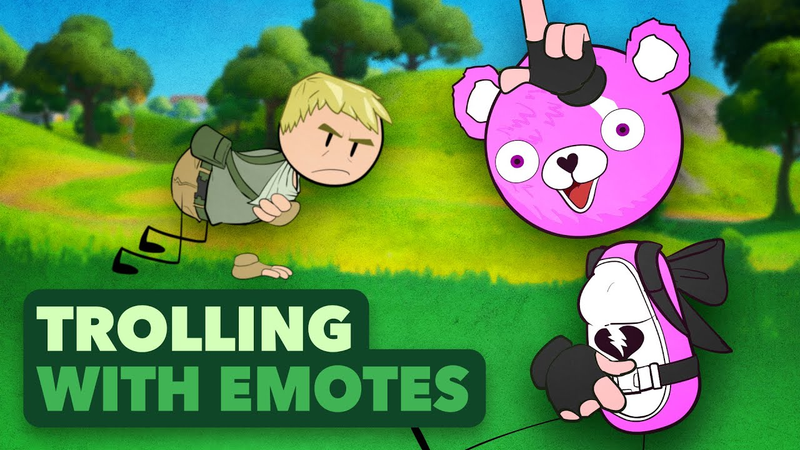
Do Emotes Make Us Worse People? - Extra Credits Gaming
Key insights
6 takeaways- 01Internal analysis indicates that approximately 80 percent of emote usage in competitive multiplayer games is intended to grief or belittle opponents rather than facilitate positive communication.
- 02Developers inadvertently encourage toxic behavior by including emotes specifically designed for mockery, such as chicken or poop icons, which serve as a tacit endorsement of harassment.
- 03Even positive-intent emotes, such as a thumbs-up or 'well-played' gesture, are frequently weaponized through sarcasm to undermine sportsmanship in competitive environments.
- 04Providing players with robust, accessible muting options is a necessary design requirement to combat the prevalence of emote-based harassment.
- 05To mitigate toxicity, developers should implement technical constraints such as emote cooldown periods, proximity-based restrictions, and game-state limitations.
- 06Data analytics should be leveraged to identify and sunset specific emotes that are disproportionately utilized by toxic players to harass others.
Ask AI about this video
Transcript
Oh my gosh, Zoey. I can't believe that guy just flashed well played at me 20 times after he killed me. What a jerk. You know what? I I that's it. I'm done for the day. Why can't we just play games with nice people? Hey, I think we might have an astral projected answer. This episode is brought to you by the incredible value proposition that is the Curiosity Stream Nebula bundle, aka a ton of awesome stuff to watch for under 15 bucks a year. But, more on that after the episode. Think about all of the times you've lost a match in a video game and how it's felt so much worse when your opponent has just mocked you afterwards. How many times have you thought to yourself, "Okay, I'm already losing. Do you really need to emote spam me right now?" And how many times has it been tilt inducing to know that you're not only losing, but you're losing to a person acting like an It's incredibly frustrating, but it does open up a really interesting question. Do emotes in PvP games make us act like worse people? Now, that might seem hyperbolic, but is it? To start,
let's think about any in-person sport. If after winning a game, a player on the winning team danced around the losing team saying, "Ha, you suck, losers." or pointed and laughed at them as they walked off the field, we would, in general, think that was a garbage person. We don't do this. It's embarrassing, it's juvenile, and it's against everything we think of sports as. Heck, we literally created the concept of sportsmanship to say that in our play we're going to rise above being jerks to each other and try not to lord our victories over others. Winning is enough, and it's only poor players that need to assuage their own egos with silly dominance behavior. Yet, in video games, this all goes out the window. And though they're only a small part of it, emotes definitely play a role. I mean, let's be honest. How often have you seen an emote used in a positive way? In fact, James recently did a very loose survey of the games he played in his own lab and found it to be slightly south of 20% of the time. The other 80-ish percent of occurrences were straight-up used to grief people. And that's the
only reason to emote spam someone that's losing, to make them feel worse about losing. But, A, that's terrible, and B, enjoyment isn't a zero-sum game. If someone is trying to mock someone else in defeat, or trying to make them feel worse about how they played, that's just their sadistic streak coming out, a joy from the pain of others. And I think we can all agree that this isn't great for our multiplayer environments in general. It's part of what fosters the toxic environments that so many games become. So, let's take a quick trip down memory lane and talk about why we started putting emotes into games in the first place. The answer is twofold. First, it was to speed up communication, to allow you to say, "Good job." or "I need help." with a single button rather than having to type it out on the keyboard. And the second was because we thought it would cut down on toxicity, especially in games where we cut out all other forms of communication and only let the players communicate through emotes. You see, by the time emotes really became a thing, we'd already realized that online play could often get, let's say, unpleasant. So, we figured if we limit
players to very specific options for communication, well, problem solved. Except, of course, for the fact that the problem was not solved, and a big part of that is on us as designers. Because the emotes we put in the game are sort of a tacit endorsement of the types of communication that they imply. Look at it this way, there's a big difference between something that lets you do an exuberant touchdown dance and something that lets you moon your opponent as they slump away in defeat. Meaning, if we put emotes meant to mock people into the game, we're essentially giving the player permission to use them in that way. We're saying, "That's the way the game is meant to be played." So, with that in mind, let's talk about some of the best practices for crafting emotes. First, don't make things that are explicitly created just for mocking people. This should be clear, but things like a chicken emote, for example, don't really have any other purpose in a game other than to be used to mock your opponent. Same is true with a donkey or a poop emoji, etc. But there are still a ton of games we see with these, and they're used exactly the way you think
they'd be. Next, realize that anything that can be used sarcastically will be used sarcastically. This is of course unfortunate because it means that some of what should be the most positive emotes end up becoming the ones used more often to hurt. Thumbs up, good job, or well played emotes. These will often be twisted into a taunt. And this is tragic because those are the very emotes that should promote good sportsmanship. Whereas more neutral things, like a character's portrait or a talking on the phone or texting gesture, tend to be used less as symbols of disrespect. Next, and in my opinion more importantly, let's talk about when a player can emote. First, you always need to give players control of what they're forced to be exposed to. So the ability to mute other players' emotes is just as important as the ability to mute their chat. Second, because spamming emotes is never done in good faith, putting in some cool downs, even if it's only a second, on how often a player can emote is a pretty good idea. And finally, if you want a slightly more radical idea, what about trying to create some kind of mechanical criteria for when a player
can emote? Maybe only the losing team can emote. Maybe you can't emote for 5 seconds after you get a kill, or you can't play a dance emote within 5 ft of a defeated player. Because as a designer, if the only reason your players are enjoying getting a kill in your game is because they get to mock people afterwards, you've kind of done something wrong. You could also try only awarding emotes as good sportsmanship bonuses. If you have a system in your game where players can commend other players for good sportsmanship, you could set the tone for how your emotes are used by making them the reward for kind play. Lastly, use your metrics. If you're not taking metrics on how often each emote is being used, you should. Correlate that data with the data you have on your most toxic players. What emotes are the worst people in your game using? Why are they using them? Then track that down and change those emotes, or at least sunset them so they'll become impossible for players to get in the future, like after an account has been banned. Oh, and if you need a way to justify putting in these hooks for corporate, you really should be tracking your emotes anyway to see what your players like best. So, as designers, we
should really think about the emotes we're creating and the ways that players are using them because by doing so, we can do just a little bit more to create less toxic games. And I know this is a crazy idea, but we think less toxic games are better games. Hot take, I know. And actually, speaking of making good things even better, I said, "Speaking of making good things even better." Where is he? Sorry there, presenter voice Matt. I actually finished watching this episode early and ad-free over on Nebula yesterday, but now I'm watching this Curiosity Stream doc if you want in. Wait, what um what are we doing? Well, actually, we were just about to tell folks how awesome both of those streaming services are. For real? Okay, I actually lucked into being on topic for once. Since I watch this stuff all the time, do you want me to take this one? Of course, be my guest. I will never know how you are so chipper all the time. Okay, um so, if you don't already know, Nebula is a creator-owned streaming service made up of folks like us at Extra Credits, Half as Interesting, LowSpecGamer, The Great War, and honestly, just a ton of independent creators that basically lets
all of us sort of take control of our own destinies because every one of us has a seat at the table and can actually get a say on how the platform is run, which is super helpful when we want to create great content. And real talk for a second, that great content is because of all of you who have already subscribed to Nebula. Because of your support, we can put every video up there early, including all of ours completely ad-free. And you allowed so many creators just to make a ton of cool Nebula originals, like RealLifeLore's uh modern conflict series that I watch incessantly every time a new episode drops. I even moved my own personal podcast, The Only Podcast About Movies There Is an asterisk in that title, I assure you, and done a few originals myself because I truly do believe in what we're trying to build over at Nebula. What's actually really cool is our friends over at Curiosity Stream believe I am right about this and have basically teamed up with us over at Nebula to offer what I think in my heart of hearts is a just phenomenal deal in streaming especially in the current landscape. When you sign up for Curiosity Stream using our link in the description of course, you get a matching Nebula subscription for free. Now that is a full membership not a
trial or anything keep in mind which basically means that not only do you get Curiosity Stream's thousands of big budget non-fiction films and videos and award-winning original series, but you also get amazing content from a bunch of my absolute favorite creators on the internet all for less than 15 bucks a year. Actually a series I've been really kind of devouring lately is called Crash Course Games. It basically tells all these fascinating video game histories of all gaming types all the way back to like ancient Egypt covers tons of stuff from Senate to the video game crash of '83 to MMOs and LARPing. It's like 29 episodes and I've been really enjoying it. Yeah, so that's pretty much it. Two great streaming services one low price yada yada yada. Yo, Presenter Matt, did I forget anything? Well, you could tell them exactly how they get all this goodness. True true true true true true. Though that kind of sounds more like a you thing. So I'm going to go watch more Working Titles and you can take care of that. Fair enough. All you got to do is head over to curiositystream.com/extracredits right now to get both of these phenomenal streaming services for only 14.97 for an entire year. That's 26% off
the regular price which still does blow my mind. And when you do, not only will you get to watch some of the best content on this old series of tubes, but you'll also be directly helping out our channel in the process. And I know I speak for both of us even though he left when I say thank you for the support. Thanks. A hearty thanks of legend to Ahmet Ziya Turk, Alicia Bramble, Angelo Valenciana, Arclight Games, Casey Muscha, Dominic Valenciana, Joseph Blame, and Skyler Holmes. Woo!
Summary
Emotes in competitive multiplayer games frequently function as tools for harassment rather than communication, contributing significantly to toxic gaming environments. While originally intended to streamline interaction and mitigate toxicity by limiting communication options, emotes are predominantly used to mock opponents. Internal analysis suggests that approximately 80 percent of emote usage in observed gaming sessions is intended to grief or belittle others, rather than to facilitate positive social interaction.
The design of these systems often inadvertently encourages such behavior. When developers include emotes specifically designed for mockery—such as chicken or poop icons—they provide a tacit endorsement of toxic conduct. Furthermore, even ostensibly positive emotes, such as a thumbs-up or a well-played gesture, are frequently weaponized through sarcasm. Because enjoyment in competitive play is not a zero-sum game, the prevalence of these taunts undermines the sportsmanship essential to healthy multiplayer ecosystems.
To address this, developers should implement more rigorous design constraints. Recommended strategies include providing players with robust muting options, enforcing cooldown periods to prevent spamming, and introducing mechanical limitations, such as restricting emotes based on proximity to defeated players or game state. Additionally, developers should leverage data analytics to identify which emotes are most frequently used by toxic players and consider sunsetting or redesigning those assets. By shifting the focus toward rewarding positive sportsmanship and carefully curating the available communication tools, designers can play a proactive role in fostering more inclusive and less hostile gaming communities.

















Comments